
For many planning a visit to Arizona, understanding the scope and scale of Arizona State University (ASU) is essential. It’s not merely a university; it’s a sprawling educational and cultural ecosystem whose immense size profoundly impacts the tourism landscape of Tempe, Phoenix, and the wider Valley of the Sun. Far from being a single, contained campus, ASU is a multi-faceted entity that transforms the urban fabric, offering a diverse array of attractions, events, and experiences for visitors. Its sheer magnitude means that exploring its offerings could easily fill several days of a tourist’s itinerary, from world-class sports to cutting-edge art and design.
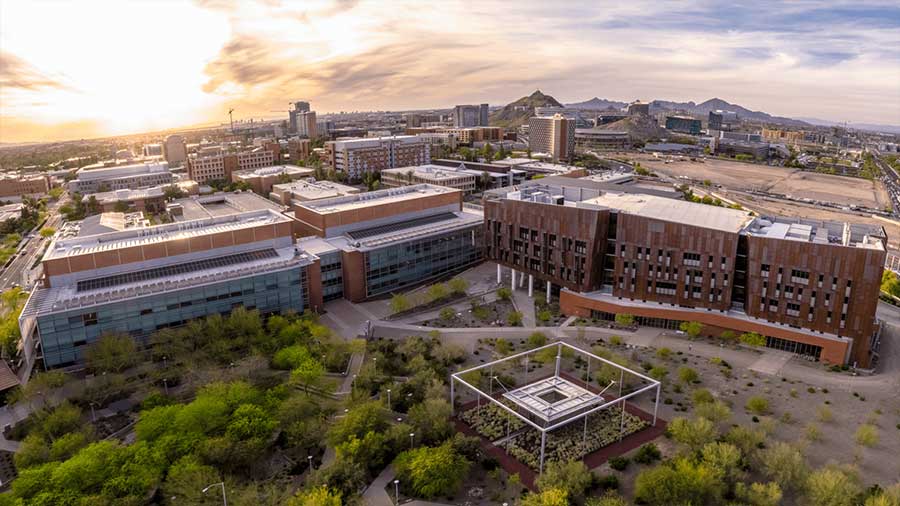
A Sprawling Collegiate Metropolis
Arizona State University’s “bigness” is not just about its student population; it’s about its physical footprint, its distributed model, and its deep integration into multiple urban environments. The university operates on a unique “New American University” model, emphasizing accessibility, impact, and research, which manifests in its extensive physical presence across the metropolitan area.
The Quad-Campus Model
ASU’s primary operations are spread across four distinct campuses, each with its own character, academic focus, and appeal to visitors:
- Tempe campus: This is the flagship and largest campus, often what people visualize when thinking of ASU. Situated in downtown Tempe, its sprawling grounds cover over 700 acres, featuring iconic architectural landmarks, historic buildings like Old Main, expansive green spaces, and vibrant student life. For tourists, the Tempe campus is a hub of activity, home to major athletic venues like Sun Devil Stadium and Desert Financial Arena, as well as cultural gems such as ASU Gammage, a Frank Lloyd Wright-designed performing arts center. Walking along Palm Walk, exploring the museums, or simply soaking in the energetic atmosphere provides a quintessential university town experience.
- Downtown Phoenix campus: Integrated directly into the urban core of Phoenix, this campus is a testament to ASU’s commitment to community engagement and urban development. It houses colleges focused on public service, health solutions, journalism, and more. While smaller in acreage than Tempe, its vertical campus model means it significantly contributes to the vibrant downtown area, bringing thousands of students, faculty, and staff daily, who patronize local businesses, restaurants, and cultural institutions. Visitors can explore modern architecture and enjoy the bustling city environment that blends seamlessly with academic life.
- Polytechnic campus: Located in southeast Mesa, this campus occupies a former air force base and has a distinct aesthetic and focus on applied sciences, engineering, technology, and innovation. Spanning approximately 600 acres, it features a unique desert arboretum and cutting-edge research facilities. While perhaps less of a direct tourist destination than Tempe, its specialized programs and innovative environment attract specific academic and professional visitors. Its open spaces and modern facilities offer a different perspective on ASU’s vastness.
- West campus: Situated in northwest Phoenix, the West campus is known for its liberal arts and sciences focus, as well as business and education programs. Its architecture features iconic Collegiate Gothic styling set against lush courtyards and open lawns, offering a tranquil and aesthetically pleasing environment. Though smaller in student population, its physical beauty and serene atmosphere make it an appealing spot for a leisurely stroll, particularly for those interested in architectural photography or quiet contemplation.
Beyond the Main Campuses: Innovation and Research Hubs
ASU’s extensive reach extends beyond these four core campuses. The university operates numerous other facilities and innovation zones that contribute to its “bigness” and impact on the region:
- ASU Research Park: A major technology and research park located near the Tempe campus, hosting numerous corporate and university research facilities.
- Skysong: The ASU Scottsdale Innovation Center, an alliance between ASU, the City of Scottsdale, and private developers, serves as a global incubator for startups and a corporate engagement hub. Its striking architecture and innovative atmosphere make it a point of interest for those in business and technology.
- International Initiatives: ASU’s global engagement also showcases its expansive vision, with partnerships and programs extending its influence worldwide, further amplifying its “big” impact.
These additional sites, while not traditional tourist attractions, collectively demonstrate the sheer scale and economic engine that ASU represents, drawing diverse groups of professionals, researchers, and innovators to the Phoenix metropolitan area.
Size in Numbers: Student Body and Economic Impact
The physical footprint is just one aspect of ASU’s immense size. Its student population and economic contribution are equally staggering, profoundly shaping the local culture and tourist experience.
A Community Within a Community
Arizona State University is one of the largest public universities in the United States by enrollment. With well over 100,000 students across its campuses and online programs, it essentially functions as a city within a city. This massive student body creates an incredibly vibrant and dynamic atmosphere, particularly around the Tempe campus and its adjacent Mill Avenue district. For tourists, this translates into:
- Youthful Energy: A constant buzz of activity, from students hurrying to class to lively social gatherings.
- Diverse Demographics: A melting pot of cultures and backgrounds, reflected in the dining options, events, and general atmosphere.
- Accessibility: The sheer number of students means a vast array of services and amenities catering to a young, active population, many of which are accessible to visitors.
Fueling the Local Economy
ASU’s economic impact on Tempe, Phoenix, and the entire state of Arizona is monumental. It’s a major employer, a magnet for research funding, and a significant contributor to local businesses. For tourism, this means:

- Job Creation: Supporting a robust service industry, including hotels, restaurants, and entertainment venues that cater to the university community and its visitors.
- Increased Demand: Driving demand for accommodation, dining, and retail, particularly during major events like sporting games, graduation ceremonies, and academic conferences, which can impact availability and pricing for tourists.
- Innovation Ecosystem: Fostering a dynamic startup and innovation environment that attracts business travelers and creates unique cultural experiences.
The Tourist’s Guide to ASU’s Grandeur
ASU’s size directly translates into a wealth of opportunities for tourists. Whether you’re a sports enthusiast, an art lover, a prospective student, or simply curious, there’s an aspect of ASU’s vastness to explore.
Sporting Spectacles and Cultural Events
The scale of ASU’s athletic and cultural programs is a major draw:
- Sun Devil Athletics: As a Power Five conference university, ASU boasts a prominent athletic program. Attending a football game at Sun Devil Stadium or a basketball game at Desert Financial Arena is an immersive cultural experience, complete with passionate fans, tailgating, and the vibrant energy of collegiate sports. The stadium itself is a landmark, providing panoramic views of Tempe and Papago Park.
- Performing Arts: ASU Gammage hosts Broadway tours, concerts, and dance performances in an architecturally significant venue. The Herberger Institute for Design and the Arts on the Tempe and Downtown Phoenix campuses also presents numerous student and faculty productions, often at accessible prices.
- Museums and Galleries: The ASU Art Museum offers diverse collections and exhibitions. Various campus galleries frequently showcase student work, providing insights into contemporary art and design.
- Lectures and Conferences: Throughout the academic year, ASU hosts a multitude of public lectures, conferences, and symposia featuring world-renowned speakers. Many of these events are open to the public, offering intellectual enrichment for visitors.
Architectural Wonders and Green Spaces
The diverse architecture and thoughtfully designed landscapes across ASU’s campuses are attractions in themselves:
- Tempe Campus Exploration: Wander through the historic core of the Tempe campus with its red-brick buildings, visit the iconic Old Main, or enjoy the shade of Palm Walk. Modern architectural marvels stand alongside traditional structures, showcasing a blend of history and innovation.
- Public Art: All campuses feature an impressive collection of public art installations, sculptures, and murals, making a walk through the grounds a free gallery experience.
- Desert Gardens: The Polytechnic campus, in particular, integrates a desert arboretum, offering visitors a chance to appreciate native Arizona flora in a structured academic setting.
Culinary and Nightlife Contributions
ASU’s large student population, especially on the Tempe campus, fuels a vibrant culinary and nightlife scene that benefits tourists:
- Mill Avenue District: Adjacent to the Tempe campus, Mill Avenue is a bustling entertainment district filled with restaurants, bars, cafes, and shops. It offers everything from casual student eateries to upscale dining, catering to diverse tastes and budgets.
- Diverse Cuisines: The international student body contributes to a wide range of global cuisine options both on and off campus.
- Coffee Shops and Hangouts: Numerous cafes provide perfect spots for people-watching, studying, or simply enjoying a local brew.
Navigating the Vastness: Tips for Visitors
Given its immense size and multiple locations, planning your visit to Arizona State University requires some consideration to maximize your experience.
Transportation and Accessibility
- Light Rail: The Valley Metro Rail is an excellent way to connect the Tempe campus and the Downtown Phoenix campus. This avoids parking hassles and allows for seamless travel between these major hubs.
- Biking/Walking: The Tempe campus is highly walkable and bike-friendly. Many areas around Mill Avenue are also easily accessible on foot.
- Ride-sharing/Taxis: For reaching the more distant Polytechnic and West campuses, or for travel to neighboring cities like Scottsdale or Chandler, ride-sharing services or taxis are convenient options.
- Parking: Parking on campus can be challenging and expensive. Utilize public transport or consider parking garages in Tempe or Phoenix city centers and walking or using ride-shares.

Planning Your Visit
- Check Event Schedules: Before arriving, consult the official ASU calendar for sporting events, performances, exhibitions, and public lectures. Booking tickets in advance, especially for popular events, is highly recommended.
- Campus Tours: If you’re considering ASU for education or simply want a guided overview, the university offers various campus tours that can provide context and highlight key areas.
- Allocate Time: Do not underestimate the time needed to navigate between campuses and fully explore each. If you plan to visit multiple campuses or attend an event, factor in travel time.
- Stay Local: Consider booking accommodation in Tempe if your primary interest is the main campus and Mill Avenue nightlife. For those focused on the urban experience, hotels in downtown Phoenix offer easy access to that campus and city attractions. Many hotels also offer shuttle services to and from Phoenix Sky Harbor International Airport, a short distance from Tempe.
Ultimately, the “bigness” of Arizona State University is a significant asset for tourism in Arizona. It’s a dynamic, multi-faceted destination that offers an expansive range of experiences, from thrilling athletic events to serene cultural explorations, all integrated into the vibrant urban tapestry of the Valley of the Sun. Understanding its scale is the first step to unlocking its full potential as a unique tourist attraction.
LifeOutOfTheBox is a participant in the Amazon Services LLC Associates Program, an affiliate advertising program designed to provide a means for sites to earn advertising fees by advertising and linking to Amazon.com. Amazon, the Amazon logo, AmazonSupply, and the AmazonSupply logo are trademarks of Amazon.com, Inc. or its affiliates. As an Amazon Associate we earn affiliate commissions from qualifying purchases.