
Catalina Island, officially known as Santa Catalina Island, is an iconic landmark off the coast of Southern California. Its proximity to bustling urban centers like Los Angeles belies its wild, untamed nature, making its true scale and ecological significance a topic of considerable interest. Understanding the sheer size of Catalina is crucial to appreciating its diverse ecosystems, rich history, and the array of natural and man-made landmarks that define this remarkable island. Far more than just a quaint tourist destination, it is a significant geographical entity with a substantial footprint in the Pacific Ocean.
The Geographical Footprint of a Pacific Jewel
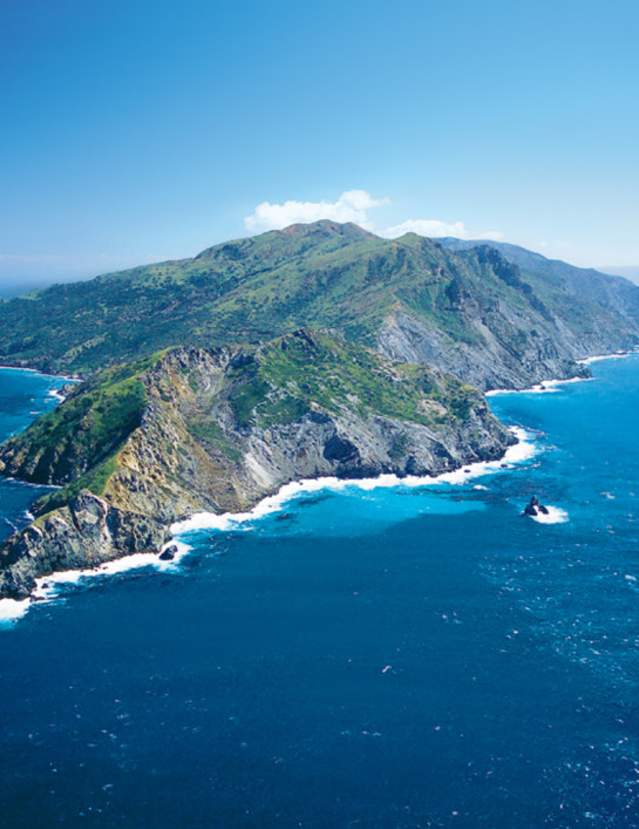
Catalina Island is the southernmost of the eight Channel Islands of California. Its impressive dimensions contribute significantly to its identity as a major landmark, providing ample space for diverse habitats, dramatic landscapes, and a vibrant history. The island’s size dictates much of its unique character, from its remote wilderness areas to its developed coastal enclaves.
Measuring Catalina: Dimensions and Scale
At its longest point, Catalina Island stretches approximately 22 miles (35 km) from northwest to southeast. Its widest point measures roughly 8 miles (13 km). While these linear measurements give a sense of its length and breadth, the island’s true magnitude is best understood through its total land area. Catalina Island encompasses approximately 76 square miles (197 square kilometers). To put this into perspective, it is significantly larger than many well-known urban parks or even some small island nations. For instance, it’s roughly twice the size of Manhattan in New York City. This substantial acreage allows for vast stretches of undeveloped land, dramatic elevation changes, and a varied coastline.
The vast majority of the island, about 88%, is managed by the Catalina Conservancy, a non-profit organization dedicated to the island’s preservation. This conservation effort ensures that its size is not merely a number but a commitment to maintaining its natural integrity, allowing its wild heart to thrive largely untouched by extensive development.
Topography and Terrain: A Landscape of Contrasts
The topography of Catalina Island is as varied as its sheer size suggests. The island is rugged, characterized by a spine of steep mountains and deep canyons that run its length. The highest point on the island is Mount Orizaba, which reaches an elevation of 2,069 feet (631 meters) above sea level. This prominent peak offers panoramic views of the island’s interior, the surrounding Pacific Ocean, and on clear days, the California mainland.
The island’s mountainous interior contrasts sharply with its coastal fringes. Along its perimeter, dramatic cliffs plunge into the ocean in some areas, while in others, sheltered coves and sandy beaches offer tranquil havens. The unique geological formations, including ancient volcanic rocks and uplifted marine terraces, tell a story of millions of years of tectonic activity and erosion. These diverse terrains support a myriad of microclimates and habitats, making the island a natural laboratory for ecological study and a paradise for outdoor enthusiasts.
A Haven of Biodiversity: Ecological Significance
The significant size of Catalina Island is a cornerstone of its ecological importance. Its substantial landmass, coupled with its isolation from the mainland, has fostered the evolution of unique flora and fauna, making it an invaluable natural landmark. The island functions as a living museum, showcasing species found nowhere else on Earth.
Endemic Species and Unique Ecosystems
Catalina Island’s large area provides the necessary space for diverse ecosystems to flourish. From its unique coastal sage scrub and chaparral communities to its rare endemic oak woodlands, the vegetation is distinctly Californian, yet with its own island twist. Over 60 plant and animal species are endemic to the Channel Islands as a whole, and several are found exclusively on Catalina.
Perhaps the most famous endemic animal is the Catalina Island Fox, a dwarf subspecies of the mainland gray fox. Its small size is a classic example of insular dwarfism, a phenomenon where isolated island populations evolve to be smaller than their mainland counterparts due to limited resources. The island’s vast undeveloped interior provides the critical habitat for these foxes and other unique creatures like the Catalina Island Shrew and the Catalina Mahogany tree. The sheer scale of the island ensures that these species have sufficient territory for foraging, breeding, and maintaining healthy populations.
Conservation Efforts and Protected Areas
The substantial size of Catalina Island makes it an ideal candidate for large-scale conservation efforts. The Catalina Conservancy plays a pivotal role in preserving the island’s natural heritage. Since its founding in 1972, the Conservancy has been instrumental in protecting the vast majority of the island’s interior, ensuring that its wild spaces remain intact for future generations.
These protected areas are not just passive preserves; they are actively managed to restore native habitats, control invasive species, and monitor endemic populations. For example, the Conservancy has undertaken significant efforts to remove invasive species like feral goats and pigs, which once severely impacted the island’s native vegetation. The large land area provides a buffer against external pressures and allows for comprehensive restoration projects, demonstrating how the scale of a landmark can directly influence its ecological viability and the success of its conservation programs.
Historical Echoes on a Grand Scale
The considerable size of Catalina Island has also shaped its human history, allowing for different periods of settlement, resource exploitation, and recreational development without completely overwhelming its natural character. From its earliest inhabitants to its modern-day status as a popular destination, the island’s expanse has provided the canvas for a rich and varied past.
Indigenous Roots and Early Explorers
Before European contact, Catalina Island was home to the Tongva people, who called it Pimugna. Archaeological evidence suggests continuous habitation for at least 8,000 years. The island’s abundant natural resources, facilitated by its large size and diverse ecosystems, supported a thriving indigenous community. The Tongva were skilled mariners, utilizing the island’s plentiful resources for trade and sustenance.
The first European to claim the island was Juan Rodriguez Cabrillo in 1542, who named it San Salvador. Later, in 1602, explorer Sebastian Vizcaino renamed it Santa Catalina after Saint Catherine on her feast day. For centuries, the island remained largely undeveloped, occasionally used by smugglers, otter hunters, and ranchers. Its isolated yet substantial nature meant it was a resource to be exploited, yet its remoteness prevented widespread permanent settlement for a long time.
The Wrigley Era and Modern Development
A pivotal moment in Catalina Island’s history came in 1919 when chewing gum magnate William Wrigley Jr. acquired most of the island. Wrigley envisioned Catalina as a resort destination, and his significant investment transformed parts of the island, particularly the town of Avalon. He developed infrastructure, including the Catalina Casino, hotels, and utilities, and even brought his Chicago Cubs baseball team for spring training.
Despite these developments, Wrigley’s influence was primarily concentrated in and around Avalon and Two Harbors. The sheer size of the island ensured that the vast majority of its interior remained wild and untamed. In 1975, the Wrigley family donated nearly 90% of their holdings to the Catalina Conservancy, solidifying the protection of this vast wilderness for perpetuity. This philanthropic act underscored the understanding that the island’s true value lay in its monumental natural character, a character made possible by its substantial geographical footprint.
Major Landmarks and Natural Features
The magnitude of Catalina Island allows it to host a remarkable array of landmarks, both natural and man-made, that cater to diverse interests. Its extensive coastline, rugged interior, and historical developments combine to create a landscape rich in iconic sites.
Avalon and Two Harbors: The Island’s Hubs
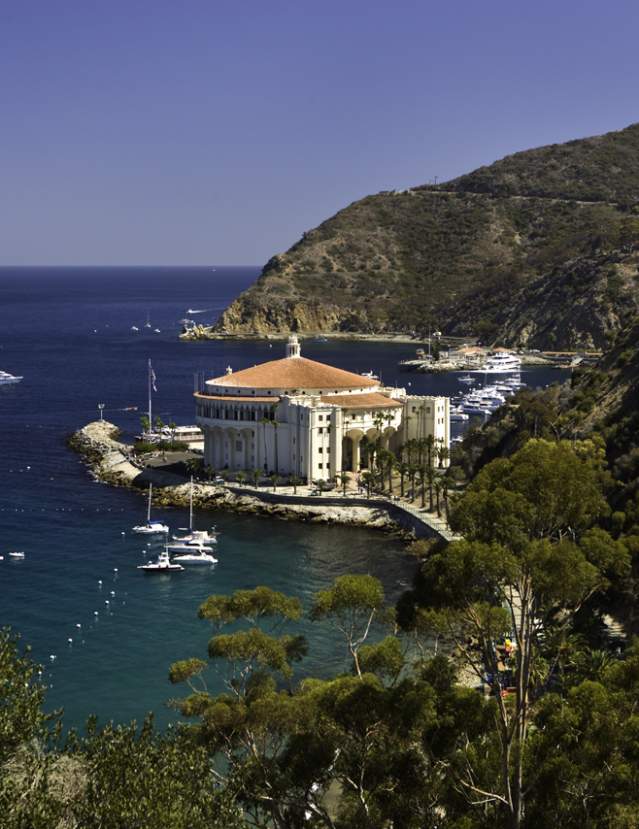
The two main population centers, Avalon and Two Harbors, serve as gateways to different aspects of the island. Avalon, located on the southeastern end, is the island’s only incorporated city. Its charming harbor, Mediterranean-style architecture, and bustling waterfront contrast with the wild interior. The town’s compact size belies its importance as the primary port of entry for most visitors arriving by ferry from mainland ports such as San Pedro, Long Beach, Newport Beach, and Dana Point.
Two Harbors, nestled on the narrower isthmus about 15 miles northwest of Avalon, offers a more rustic experience. This small village is a hub for campers, boaters, and hikers looking to explore the island’s wilder side. The substantial distance between these two hubs emphasizes the island’s overall length and the varied experiences available across its expanse.
The Catalina Casino and Catalina Chimes Tower
Among Catalina Island’s most recognizable man-made landmarks is the magnificent Catalina Casino. Completed in 1929, this Art Deco masterpiece dominates Avalon Bay. Despite its name, it was never a gambling casino; rather, it was a grand entertainment venue featuring a movie theater, ballroom, and museum. Its imposing architecture and intricate details are a testament to the ambitions of William Wrigley Jr. and represent a significant investment in the island’s tourism infrastructure.
Another iconic structure is the Catalina Chimes Tower, a picturesque landmark offering melodic chimes over Avalon. These structures, though concentrated in Avalon, are visible from the approaching ferries, immediately signifying the island’s blend of natural beauty and historical grandeur. Their scale is fitting for an island of Catalina’s overall size and prominence.
The Trans-Catalina Trail: Exploring the Wild Interior
For those who wish to truly grasp the monumental scale of Catalina Island’s wilderness, the Trans-Catalina Trail offers an unparalleled experience. This rigorous 38.5-mile (62 km) hiking trail traverses the entire length of the island, from Avalon to Starlight Beach on the remote western end.
Hiking the Trans-Catalina Trail reveals the island’s dramatic elevation changes, diverse ecosystems, and breathtaking vistas. Along the trail, hikers encounter landmark campsites like Little Harbor and Ben Weston Beach, as well as the unique Airport in the Sky, a small airfield in the heart of the island. The sheer length of this trail underscores the expansive nature of the island’s protected interior, highlighting its status as a significant natural landmark for outdoor adventure and ecological exploration.

Experiencing the Island’s Magnitude
From its 76 square miles of land to its highest peaks and deepest canyons, Catalina Island is a landmark of considerable scale and profound significance. Its size has allowed for the preservation of rare ecosystems, the development of unique cultural sites, and the creation of a diverse range of experiences for visitors. Whether admiring the grandeur of the Catalina Casino, hiking the challenging Trans-Catalina Trail, or simply marveling at the endemic wildlife, understanding the immense physical presence of Catalina Island is key to appreciating its enduring allure as a prominent California landmark.
LifeOutOfTheBox is a participant in the Amazon Services LLC Associates Program, an affiliate advertising program designed to provide a means for sites to earn advertising fees by advertising and linking to Amazon.com. Amazon, the Amazon logo, AmazonSupply, and the AmazonSupply logo are trademarks of Amazon.com, Inc. or its affiliates. As an Amazon Associate we earn affiliate commissions from qualifying purchases.