
The question “How big is Hawaii Main Island?” often conjures images of a tropical paradise, but for many, the sheer scale of this particular island remains a mystery. Known more commonly as the Big Island, this geographical marvel is not just the largest of the Hawaiian Islands but also a land of unparalleled diversity, constantly expanding, and offering a vast array of experiences for any traveler. Understanding its size is key to appreciating its unique landscapes, planning a memorable trip, and truly immersing oneself in the rich tapestry of its natural wonders and vibrant culture.
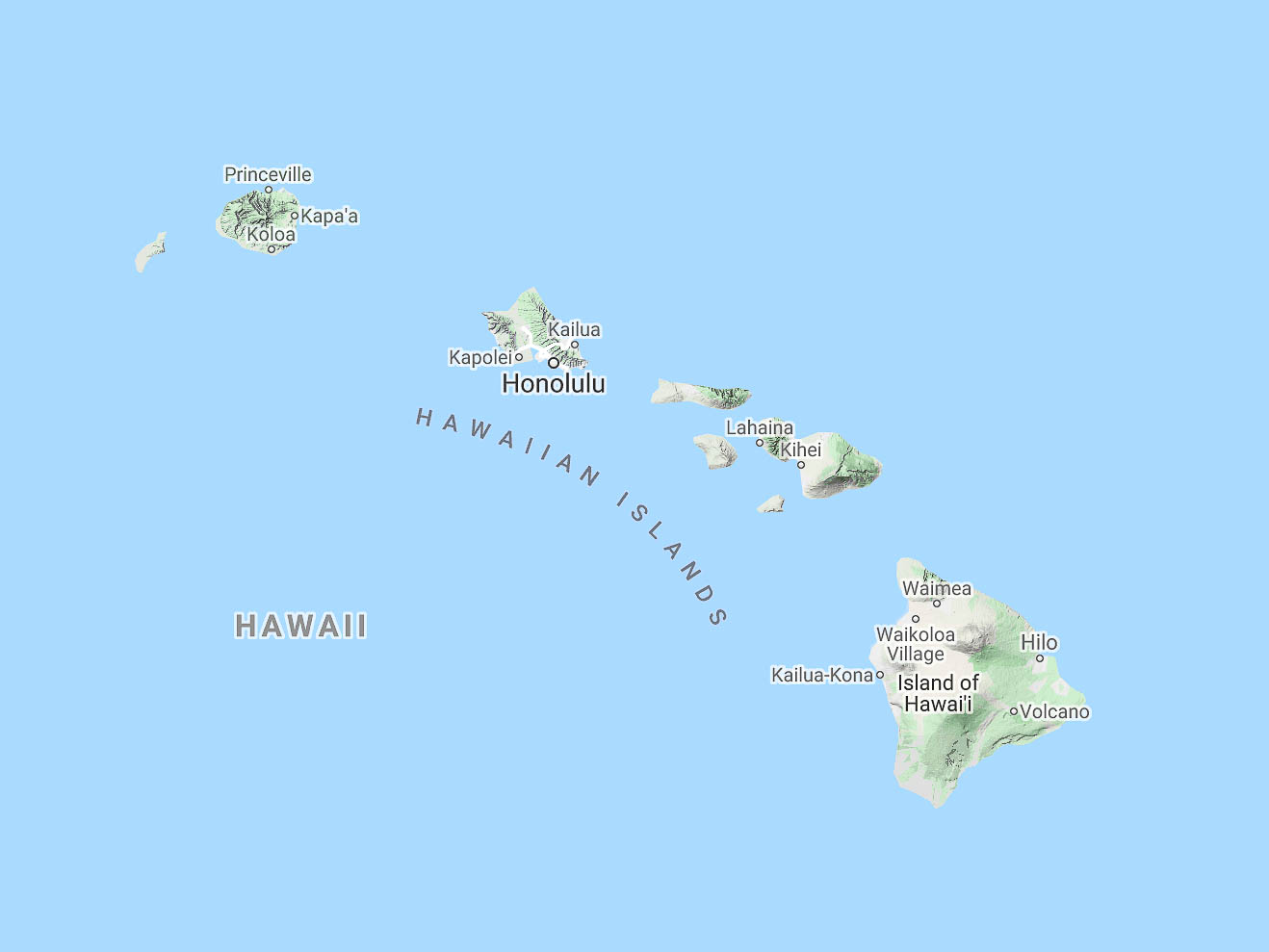
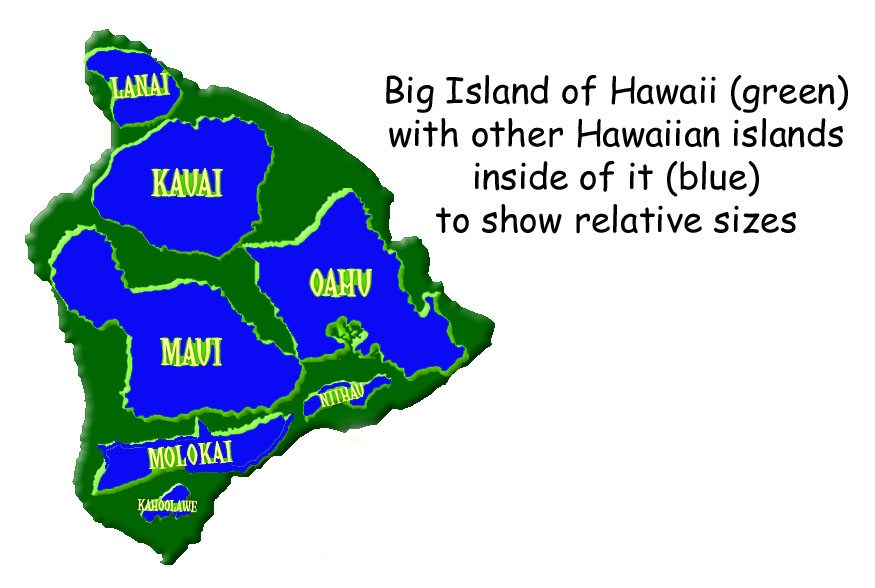
The Big Island truly lives up to its name, being larger than all the other Hawaiian Islands combined. This immense scale translates into an incredible variety of environments, from snow-capped volcanic peaks to sun-drenched white, black, and even green sand beaches, lush rainforests, and arid lava fields. Its size dictates everything from the local climate zones to the duration of scenic drives, influencing how visitors plan their adventures, choose their accommodations, and delve into the local lifestyle. Whether you’re a luxury seeker, a budget-conscious explorer, a family on vacation, or a business traveler, the island’s vastness provides a backdrop for every kind of travel experience.
The Colossal Scale of the Big Island
When people ask about the “main island” of Hawaii, they are invariably referring to the Island of Hawaii – the youngest and by far the largest of the archipelago. Its colossal size isn’t just a number; it’s a defining characteristic that shapes everything from its unique geography to the unparalleled range of activities and attractions it offers.
By the Numbers: Surface Area and Continuous Growth
The Big Island encompasses an impressive 4,028 square miles (10,432 square kilometers). To put that into perspective, it’s nearly twice the size of all the other Hawaiian Islands combined. For instance, Maui is about 727 square miles, Oahu is 597 square miles, and Kauai is 552 square miles. This makes it an anomaly among island destinations, feeling more like a small continent than a typical island.
What’s even more fascinating is that the Big Island is constantly growing. The active Kilauea Volcano, one of the most active volcanoes in the world, regularly adds new land to its southeastern coast as lava flows into the Pacific Ocean. While the exact land area fluctuates, this geological dynamism means the island is literally expanding, offering a rare glimpse into the earth’s powerful creative forces. This ongoing process not only extends its coastline but also creates new natural landmarks, continuously reshaping the landscape and providing unique visitor experiences within Hawaii Volcanoes National Park.
Geographic Diversity: From Volcanoes to Beaches
The immense size of the Big Island is the primary reason behind its incredible climatic and ecological diversity. It is famously home to 10 of the world’s 14 major climate zones, ranging from polar tundras atop its highest peaks to tropical rainforests and arid deserts. This makes it a microcosm of the planet’s varied environments, all within a single island.
Dominating the landscape are two of the world’s largest volcanoes: Mauna Kea and Mauna Loa. Mauna Kea, a dormant volcano, is the highest point in Hawaii and, when measured from its base on the ocean floor, is taller than Mount Everest. Its summit often wears a cap of snow during winter, offering a truly unique sight in the tropics and becoming a world-renowned spot for stargazing due to its clear, dark skies. Mauna Loa, a massive active shield volcano, also contributes significantly to the island’s bulk and geological history.
Beyond the majestic volcanoes, the Big Island boasts a stunning array of natural landmarks. Travelers can explore the dramatic cliffs and lush valleys of Waipio Valley, relax on the unique black sands of Punalu’u Black Sand Beach, or marvel at the rare green olivine crystals that give Papakolea Green Sand Beach its distinctive hue. For those seeking classic tropical beauty, pristine white sand beaches like Kaunaoa Beach offer perfect conditions for swimming and sunbathing. This unparalleled natural diversity, a direct consequence of the island’s size and volcanic origins, makes it a premier destination for those seeking immersive travel experiences and a deep connection with nature.
Exploring the Vastness: Activities and Experiences
The sheer magnitude of the Big Island means that there’s an endless array of activities and experiences to suit every taste, from adrenaline-pumping adventures to serene cultural explorations. Its expansive landscapes are divided by geography and climate, creating distinct regions each with its own charm and attractions.
East Side vs. West Side: A Tale of Two Coasts
The Big Island essentially has two major “sides,” each offering a contrasting experience:
-
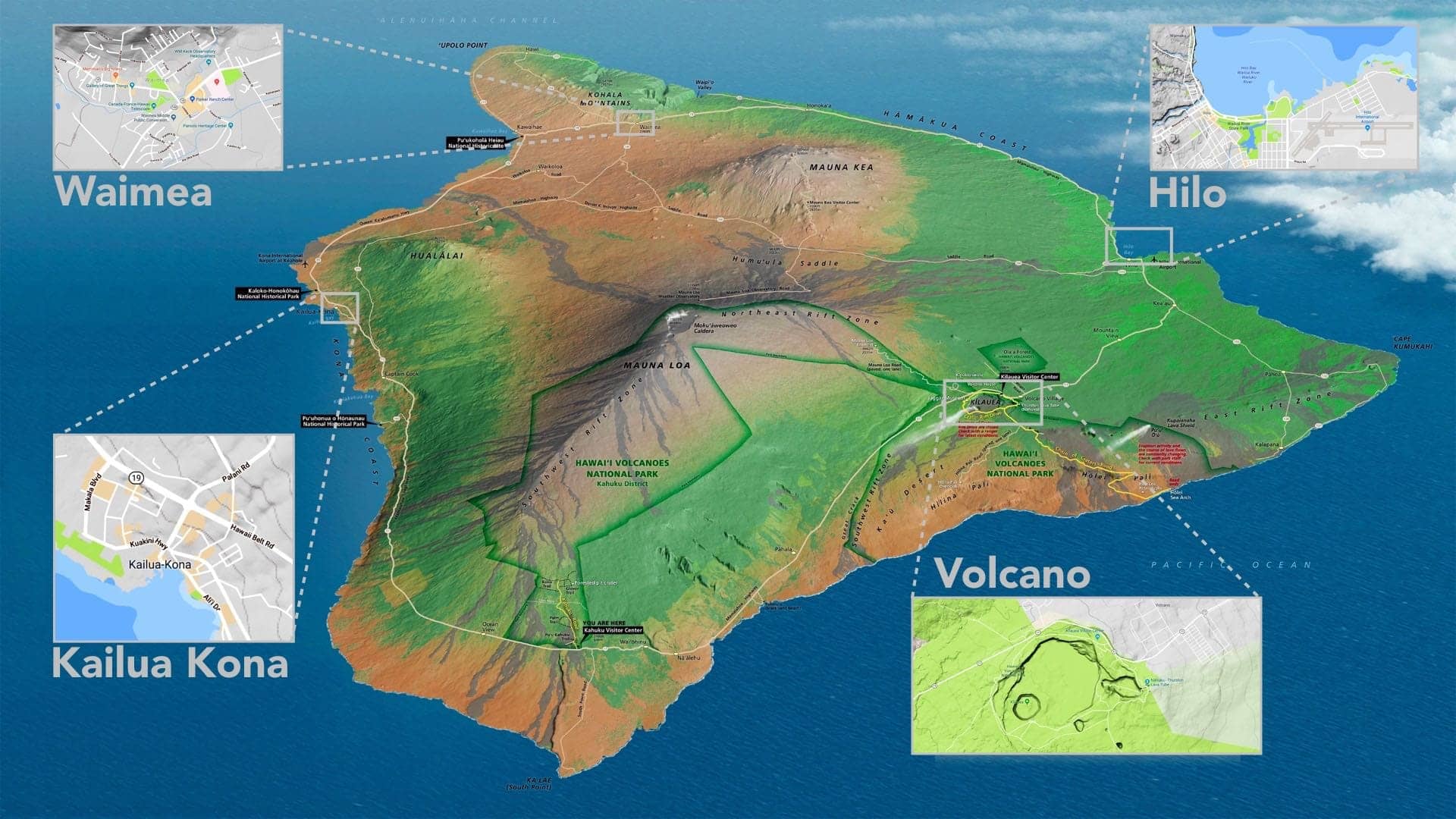
The East Side (Hilo side): Dominated by the city of Hilo, this side is characterized by its lush, tropical rainforests, frequent rainfall, and dramatic waterfalls. It’s the wetter, greener, and more culturally traditional part of the island. Here, visitors can explore vibrant botanical gardens, witness majestic waterfalls like those in Akaka Falls State Park, and delve into the heart of Hawaii Volcanoes National Park to witness active lava flows (when conditions allow), steam vents, and unique geological formations. The Hilo area offers a more authentic, local culture experience with bustling farmer’s markets, historic downtowns, and a laid-back atmosphere. Accommodation options here tend to be more budget-friendly, including charming local hotels and vacation rentals, making it ideal for those focused on nature and local immersion.
-
The West Side (Kona side): In stark contrast, the Kona coast is sunny, dry, and renowned for its calm, clear waters, making it perfect for ocean activities. This is where most of the island’s luxury resorts are located, boasting pristine beaches, championship golf courses, and world-class amenities. Attractions here include famous Kona Coffee plantations, ancient Hawaiian historical sites, and vibrant marine life. The Kona side is a hub for snorkeling, diving (especially night dives with manta rays), deep-sea fishing, and paddleboarding. The lifestyle here is geared towards relaxation, water sports, and upscale travel experiences, with numerous suites, resorts, and villas offering luxurious stays.
Must-Do Activities Across the Island
The sheer scale of the Big Island means that a single visit can encompass an incredible range of activities, making it a dream destination for diverse travel experiences:
- Stargazing on Mauna Kea: Ascend to the summit of Mauna Kea for an unforgettable stargazing experience. Its high altitude, dry atmosphere, and minimal light pollution create some of the clearest night skies on Earth, home to leading astronomical observatories.
- Hiking in Hawaii Volcanoes National Park: Explore vast lava fields, steam vents, and otherworldly landscapes. Depending on volcanic activity, you might even witness the mesmerizing glow of molten lava, a truly once-in-a-lifetime experience.
- Snorkeling and Diving: The clear waters of the Kona coast offer spectacular opportunities to explore vibrant coral reefs and abundant marine life. Famous spots like Kealakekua Bay are marine sanctuaries, while night dives with manta rays are an iconic Big Island adventure.
- Coffee Farm Tours: Discover the famous Kona Coffee belt on the slopes of Hualalai and Mauna Loa. Tour historic plantations, learn about the coffee-making process, and sample some of the world’s most sought-after beans.
- Waterfall Chasing: On the lush Hilo side, follow scenic drives to discover breathtaking waterfalls. Akaka Falls State Park and Rainbow Falls are easily accessible and offer stunning photo opportunities.
- Black Sand Beach Exploration: Visit Punalu’u Black Sand Beach where sea turtles often bask on the unique volcanic sand. This natural landmark offers a unique contrast to the typical tropical beach.
These activities highlight the diverse appeal of the Big Island, catering to adventurers, nature lovers, culture enthusiasts, and those simply looking to relax and soak in the beauty of Hawaii.
Navigating the Big Island: Logistics and Accommodation
Given its expansive size, navigating the Big Island requires careful planning, especially when it comes to transportation and choosing the right accommodation. The island’s vastness means that covering significant ground is a part of any comprehensive itinerary.
Getting Around: Rental Cars and Road Trips
Unlike smaller islands where public transport or ride-sharing might suffice, a rental car is absolutely essential for exploring the Big Island. Its sheer size means attractions are often far apart, and a car offers the freedom and flexibility to discover hidden gems and embark on epic road trips. For instance, driving from Hilo on the east coast to Kona on the west coast can take anywhere from 1.5 to 3 hours, depending on the route (e.g., the northern scenic route versus the southern volcanic highway).
Travelers should factor in significant driving times when planning daily itineraries. The island boasts several scenic routes, such as the Hamakua Coast drive with its lush valleys and ocean views, or the historic highway through the Kona Coffee belt. Off-roading to certain remote locations, like Papakolea Green Sand Beach, might require a 4×4 vehicle, adding another layer to the travel experience. Comprehensive travel guides and maps become indispensable tools for making the most of these journeys.
Where to Stay: Hotels, Resorts, and Unique Stays
The diverse landscape and visitor profiles on the Big Island are reflected in its wide range of accommodation options. Choosing where to stay often depends on your preferred lifestyle, budget, and the type of experiences you seek:
-
Luxury Resorts on the Kona Coast: For those seeking a high-end, pampering experience, the Kohala Coast (north of Kona) is home to some of the finest resorts in the United States. Properties like Mauna Lani, Auberge Resorts Collection, Four Seasons Resort Hualalai, and Fairmont Orchid, Hawaii offer exquisite suites, villas, world-class golf courses, spas, and exceptional dining. These resorts are perfect for luxury travel, romantic getaways, or families desiring top-tier amenities. Booking well in advance and reading reviews are crucial, especially during peak seasons.
-
Mid-Range and Budget-Friendly Options: The towns of Kona (Kailua-Kona) and Hilo offer a good selection of hotels, apartments, and guesthouses that cater to more budget-conscious travelers or those looking for a more urban base. These accommodations provide convenient access to local shops, restaurants, and tours without the resort price tag.
-
Vacation Rentals (Villas, Apartments): For families, longer stays, or those preferring a more private, home-like environment, vacation rentals are abundant across the island. From oceanfront villas on the Kona side to charming cottages in the lush Puna district near Hawaii Volcanoes National Park, these offer flexibility and a chance to live like a local. They are particularly popular for long-term stays, allowing visitors to deeply explore the island.
-
Unique Stays: The Big Island also offers unique boutique hotels and eco-lodges, particularly in areas like Volcano Village near Hawaii Volcanoes National Park or agricultural regions, providing distinct experiences that connect visitors more closely with the island’s natural beauty or local culture.
Comparing accommodations, considering amenities, and checking recent reviews are essential steps in planning your stay, ensuring that your chosen lodging complements your travel style and itinerary on this immense island.
The Big Island Lifestyle: Culture, Food, and Community
Beyond its impressive size and natural wonders, the Big Island offers a rich tapestry of local culture, delectable cuisine, and a community spirit that embraces the “Aloha” way of life. Engaging with these aspects is integral to any comprehensive travel experience, transforming a simple vacation into an enriching journey.
A Taste of Local Culture and Cuisine
The Big Island’s diverse population and vibrant agricultural scene contribute to a distinctive local culture and food landscape. Food plays a central role, showcasing a blend of traditional Hawaiian flavors with influences from Asia and other Pacific cultures.
- Local Delicacies: Visitors can savor dishes like fresh poke bowls (cubed raw fish, seasoned), kalua pig (slow-cooked pork, usually in an imu or underground oven), and a bounty of fresh seafood caught daily from the surrounding Pacific Ocean. Tropical fruits like mangoes, papayas, and lilikoi (passion fruit) are abundant and often found at roadside stands or farmer’s markets.
- Kona Coffee Culture: The Big Island is synonymous with Kona Coffee, one of the world’s most prized coffee varieties. Exploring the numerous coffee farms offers not just a chance to taste and purchase this exquisite brew but also to understand the dedication of local farmers.
- Farmer’s Markets: Both Hilo and Kona host bustling farmer’s markets, such as the Hilo Farmers Market, where visitors can experience the island’s bounty firsthand, from exotic produce to handmade crafts and local food stalls. These markets are fantastic places to interact with locals and get a true feel for the island’s community.
- Spirit of Aloha: Beyond the tangible, the “Aloha” spirit is palpable across the island. It’s a philosophy of kindness, respect, and compassion that permeates interactions and daily life, encouraging visitors to slow down, connect with their surroundings, and embrace the laid-back island rhythm. Understanding and respecting local customs and the delicate ecosystem are crucial elements of responsible tourism here.
Embracing the Spirit of Adventure and Relaxation
The Big Island’s immense size and diversity mean it effortlessly caters to a wide spectrum of lifestyles and travel preferences.
- Adventure Seekers: From summiting Mauna Kea for stargazing to deep-sea fishing off the Kona coast, exploring lava tubes, or hiking through rainforests, the island is a playground for adventurers. Its varied terrain makes it ideal for activities like cycling, horseback riding, and even exploring remote black sand beaches by kayak.
- Relaxation Enthusiasts: The serene beaches, luxurious resorts with world-class spas, and tranquil natural settings offer ample opportunities for relaxation and rejuvenation. Whether it’s lounging by a resort pool, enjoying a sunset cruise, or simply unwinding amidst the sounds of nature, the island provides a perfect escape.
- Family-Friendly Trips: The Big Island offers a wealth of educational and fun activities for families, from exploring tide pools and easy hikes in Hawaii Volcanoes National Park to learning about Hawaiian history at historical parks and snorkeling in safe, calm bays. Many resorts also offer kid-friendly amenities and programs.
- Budget and Luxury Travel: The island gracefully accommodates both ends of the lifestyle spectrum. Budget travelers can find affordable accommodations, enjoy free natural attractions, and dine at local eateries, while luxury travelers can indulge in high-end resorts, private tours, and gourmet dining experiences.
The Big Island truly offers something for everyone, making it a destination that encourages repeat visits and a deep exploration of its multifaceted character.
In conclusion, the answer to “How big is Hawaii Main Island?” goes far beyond a mere numerical measurement. It represents a vast canvas of natural wonders, diverse climates, thrilling adventures, rich cultural experiences, and a wide spectrum of accommodation options. Its colossal size of over 4,000 square miles ensures that every corner of the island offers a distinct flavor, from the volcanic landscapes and lush rainforests of the east to the sunny beaches and luxury resorts of the west. To truly appreciate the Big Island is to embrace its grandeur, plan your itinerary thoughtfully to navigate its expansive terrain, and immerse yourself in the authentic spirit of aloha that permeates its communities. It’s a destination that promises not just a vacation, but a journey of discovery that will leave an indelible mark on every traveler.
LifeOutOfTheBox is a participant in the Amazon Services LLC Associates Program, an affiliate advertising program designed to provide a means for sites to earn advertising fees by advertising and linking to Amazon.com. Amazon, the Amazon logo, AmazonSupply, and the AmazonSupply logo are trademarks of Amazon.com, Inc. or its affiliates. As an Amazon Associate we earn affiliate commissions from qualifying purchases.