
Houston, Texas, often hailed as the “Space City” and the “Energy Capital of the World,” is a metropolis of staggering proportions, not just in the United States but globally. When travelers ponder a visit to the Lone Star State, understanding the sheer scale of Houston is paramount to planning an unforgettable journey. Its vastness impacts everything from navigating its bustling streets and exploring its diverse attractions to choosing the perfect accommodation and immersing oneself in its unique lifestyle. This comprehensive guide delves into the many facets of Houston’s size, offering insights for every type of visitor.
The Colossal Canvas: Understanding Houston’s Geographic Scale and Population
To truly grasp “how big” Houston is, one must look beyond simple population figures and consider its extensive geographic footprint. This city isn’t just large; it’s a sprawling urban tapestry that covers an immense area, influencing its character and the experiences it offers.
A Sprawling Metropolis: Measuring Houston’s Area
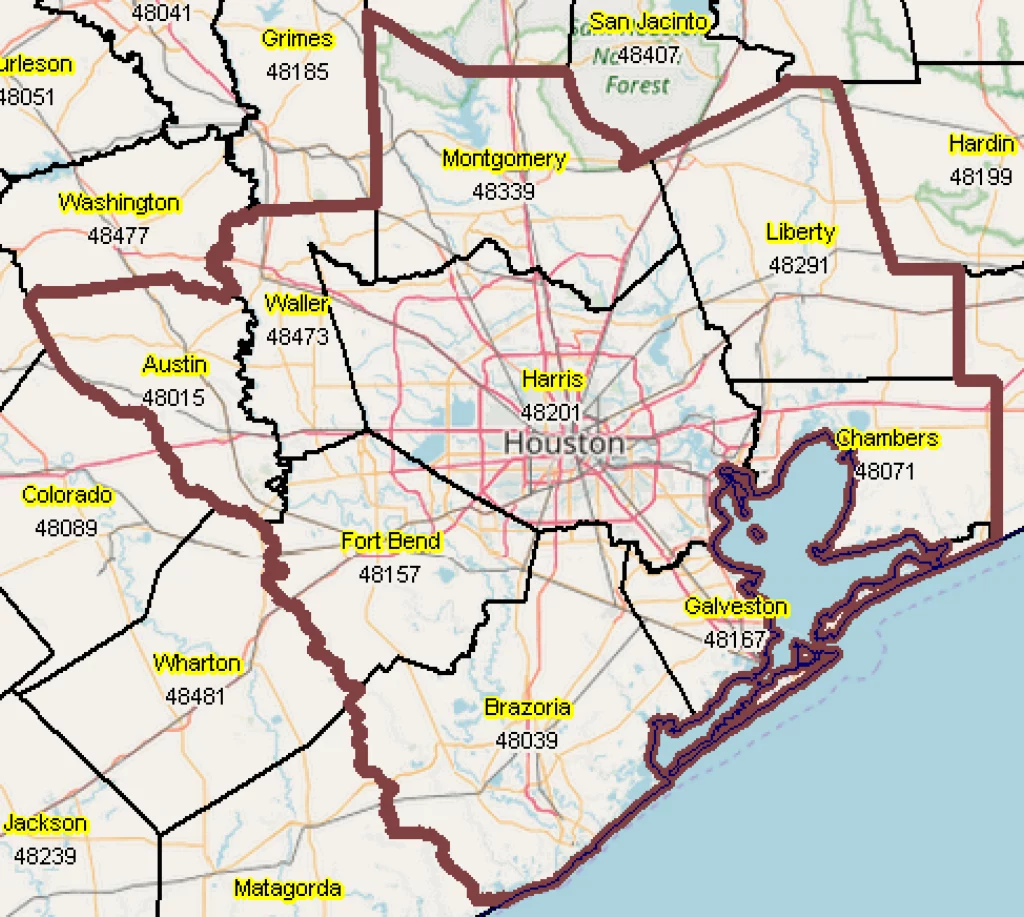
Geographically, Houston is one of the largest cities in the United States by land area. The city proper encompasses over 600 square miles (approximately 1,550 square kilometers). To put this into perspective, Houston is larger than the entire state of Rhode Island and significantly outstrips the land area of major cities like New York City (excluding its extensive water bodies), Chicago, and Philadelphia. When considering the greater Houston metropolitan area, which spans nine counties, the scale becomes even more mind-boggling, covering roughly 10,000 square miles. This expansive territory stretches from the Gulf Coast inland, encompassing diverse landscapes from coastal plains to dense urban cores. This vastness means that attractions and districts are often spread out, requiring thoughtful planning for visitors to maximize their exploration. It’s not a city easily navigated on foot, reinforcing the importance of understanding its transportation network and distinct neighborhoods.
A Melting Pot of Millions: Demographics and Diversity
Beyond its landmass, Houston’s population is equally impressive. As the fourth-most populous city in the United States, behind New York City, Los Angeles, and Chicago, Houston boasts a population exceeding 2.3 million within its city limits. The greater metropolitan area, known as Greater Houston, is home to over 7 million residents, making it the fifth-largest metro area in the nation. This significant population contributes to Houston’s vibrant and diverse cultural tapestry. The city is renowned for its demographic diversity, often cited as one of the most multicultural cities in the United States, with no single ethnic group forming a majority. This rich mix of cultures from around the world—including strong influences from Latin America, Asia, and Africa—translates into an incredible array of culinary experiences, festivals, languages, and cultural institutions. For travelers, this means an opportunity to explore global flavors and traditions without ever leaving the city, making it a unique tourism destination. The sheer number of people also ensures a bustling urban environment with endless activities, events, and a dynamic social scene, catering to every lifestyle.
Navigating the Urban Expanse: Transportation and Neighborhoods
The immense size of Houston inevitably shapes how visitors experience the city. Effective navigation is key to unlocking its treasures, whether through its extensive road network or by understanding its distinct and often self-contained neighborhoods.
Getting Around: Driving, Public Transport, and Beyond
Given its sprawling nature, personal vehicles are a common mode of transport for Houstonians. The city’s highway system is extensive, including major interstates like I-10, I-45, and US-59 (I-69), which crisscross the urban landscape, connecting various districts. For visitors, renting a car is often recommended, especially if planning to explore areas beyond the city center or venturing to nearby destinations like Galveston or Space Center Houston, which is a bit removed from Downtown. However, the city does experience significant traffic congestion during peak hours, a common challenge in large metropolises.
For those preferring public transit, the Metropolitan Transit Authority of Harris County (METRO) operates a network of buses and the popular METRORail light rail system. The METRORail’s Red Line is particularly useful for tourists, connecting Downtown with the Museum District, the Texas Medical Center, and NRG Park. While not as extensive as some older urban rail systems, it provides convenient access to many key attractions. Ride-sharing services like Uber and Lyft are also widely available and often prove efficient for covering shorter distances or reaching areas not serviced by rail.
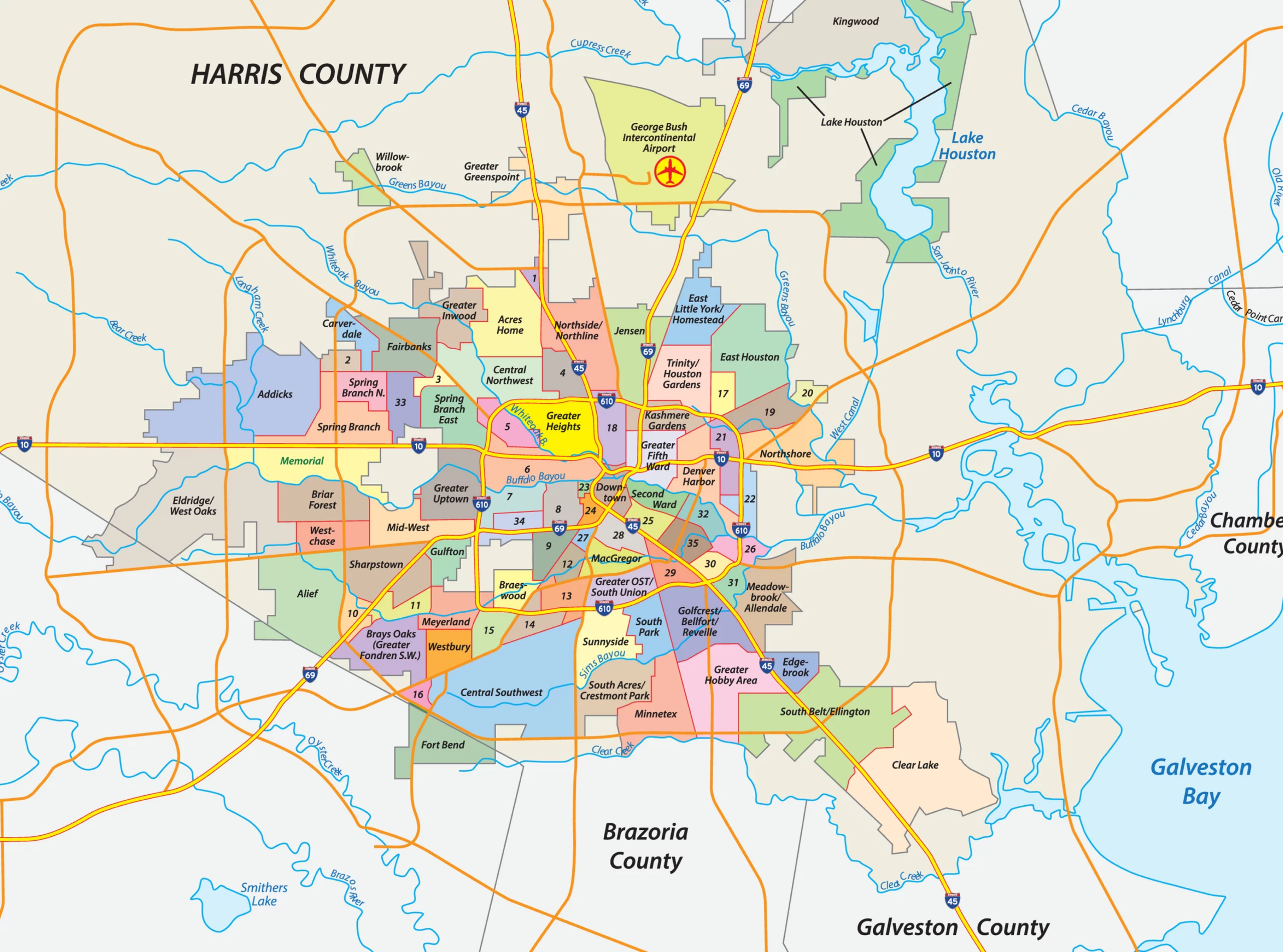
Arrival in Houston is typically via one of two major airports: George Bush Intercontinental Airport (IAH) to the north, a significant hub for international and domestic flights, or William P. Hobby Airport (HOU) to the south, primarily serving domestic routes. Both offer rental car services, shuttles, and public transport connections to the city, making initial arrival and onward travel straightforward.
Discovering Distinct Districts: A City of Villages
Houston’s vastness is best understood not as a monolithic entity but as a collection of distinct neighborhoods, each with its own character, attractions, and vibe. This “city of villages” approach to urban planning allows visitors to explore diverse atmospheres within one metropolitan area.
- Downtown Houston: The bustling central business district, home to skyscrapers, corporate headquarters, and an increasing number of residential buildings. It’s a hub for business travelers and offers cultural gems like the Theater District, Discovery Green park, and Minute Maid Park.
- Uptown/Galleria: Known for luxury shopping at The Galleria, upscale dining, and high-end hotels. This area epitomizes Houston’s glamorous side and is a magnet for those seeking a sophisticated lifestyle.
- Museum District: A cultural haven with 19 museums, including the Museum of Fine Arts, Houston, the Houston Museum of Natural Science, and the Children’s Museum Houston, all within walking distance or a short METRORail ride. It’s adjacent to Hermann Park and the Houston Zoo, making it ideal for family trips and cultural tourism.
- Montrose: An eclectic and bohemian neighborhood celebrated for its art galleries, vintage shops, diverse restaurants, and vibrant nightlife. It offers a more alternative and independent lifestyle experience.
- The Heights: Characterized by its historic Victorian homes, charming boutiques, and local eateries. This area provides a quaint, small-town feel within the big city, appealing to those interested in history and unique shopping.
- Midtown: Positioned between Downtown and the Museum District, Midtown is a popular spot for young professionals, offering trendy bars, restaurants, and green spaces.
- River Oaks: One of the most affluent neighborhoods, known for its grand estates, tree-lined streets, and exclusive ambiance. While not a typical tourist destination, its beauty and luxury are notable.
- Clear Lake: Located southeast of Downtown, this area is famous for being home to Space Center Houston and the NASA Johnson Space Center, offering a distinct space exploration tourism experience.
Understanding these districts helps travelers choose accommodation that aligns with their interests and plan itineraries that minimize travel time, allowing for deeper engagement with Houston’s diverse offerings.
A World of Discovery: Attractions and Experiences Across the City
Houston’s size means a wealth of attractions and experiences spread throughout its expansive landscape. From iconic landmarks to hidden culinary gems, the city offers something for every interest, reinforcing its status as a premier travel destination.
Iconic Landmarks and Cultural Hubs
The sheer scale of Houston allows for a remarkable concentration of world-class landmarks and cultural institutions.
- Space Center Houston: As the official visitor center for NASA Johnson Space Center, this is a must-visit for anyone interested in space exploration. It offers fascinating exhibits, historic spacecraft, and opportunities to see mission control.
- Museum District: This cultural heartland is unparalleled, boasting institutions like the Menil Collection, the Rothko Chapel, and various art, science, and history museums. It’s a testament to Houston’s commitment to arts and education.
- Houston Zoo: Located within Hermann Park, this zoo is home to over 6,000 animals and is a top family attraction.
- Sports Venues: Houston is a major sports city, hosting professional teams across various leagues. Minute Maid Park is home to the Houston Astros (MLB), Toyota Center hosts the Houston Rockets (NBA), and NRG Park is where the Houston Texans (NFL) play. These venues also host major concerts and events, including the renowned Houston Livestock Show and Rodeo.
- Green Spaces: Despite its urban density, Houston prioritizes green spaces. Buffalo Bayou Park offers miles of trails, kayaking, and stunning skyline views, while Discovery Green provides a vibrant urban park experience Downtown with year-round activities.
Culinary Journeys and Entertainment Zones
The city’s immense diversity and population size translate into an extraordinary food scene that is a significant draw for tourism. From award-winning fine dining establishments to casual food trucks and international markets, Houston offers an authentic taste of global cuisine. Travelers can embark on culinary adventures through its various districts: savor authentic Tex-Mex and barbecue, explore vibrant Vietnamese restaurants in Bellaire (the “Asiatown” of Houston), or indulge in upscale dining in Uptown and Montrose. The food scene reflects the city’s multicultural fabric, making it a paradise for foodies.
Entertainment options are equally vast. The Theater District is home to resident companies performing ballet, opera, symphony, and live theater. Live music venues span genres from country and blues to indie rock. For nightlife, areas like Midtown, Washington Avenue, and Montrose offer a plethora of bars, clubs, and lounges to suit any preference. The sheer number of options ensures that no matter a visitor’s taste, Houston has an entertainment experience waiting.
Finding Your Perfect Stay: Accommodation and Lifestyle in the Lone Star State
Houston’s expansive size and diverse economic landscape mean a vast array of accommodation options and lifestyle experiences, catering to every budget and travel style.
From Luxury Resorts to Budget-Friendly Stays
The city’s extensive tourism and business travel sectors have fostered a robust hospitality industry. For those seeking luxury travel, Houston boasts a collection of opulent hotels and resorts. Properties like the Four Seasons Hotel Houston Downtown, The Post Oak Hotel at Uptown Houston in the Galleria area, and The St. Regis Houston offer five-star amenities, world-class dining, and impeccable service, often with stunning skyline views. The Marriott Marquis Houston is known for its unique Texas-shaped lazy river, a popular amenity for leisure travelers. Boutique hotels like Hotel ZaZa Museum District offer unique experiences and proximity to cultural attractions.
Mid-range and budget-friendly options are equally abundant, spread across all major districts. Travelers can find reliable brands like Hilton Garden Inn, Hyatt Place, Embassy Suites, and Holiday Inn Express that provide comfortable stays without breaking the bank. For longer visits or those preferring more space, apartment-style accommodations and extended-stay hotels are plentiful. The rise of vacation rentals through platforms like Airbnb and Vrbo also offers diverse choices, from charming bungalows in The Heights to modern lofts Downtown. When booking, consider the proximity to your primary areas of interest to minimize travel time across the expansive city.
Tailoring Your Trip: Family, Business, and Long-Term Options
Houston’s size and diversity cater exceptionally well to different travel needs and lifestyles.
- Family Trips: Families will find the concentration of attractions around the Museum District and Hermann Park ideal, with the Houston Zoo, children’s museums, and open spaces. Space Center Houston is another essential family destination. Many hotels offer family-friendly amenities such as pools and connecting rooms.
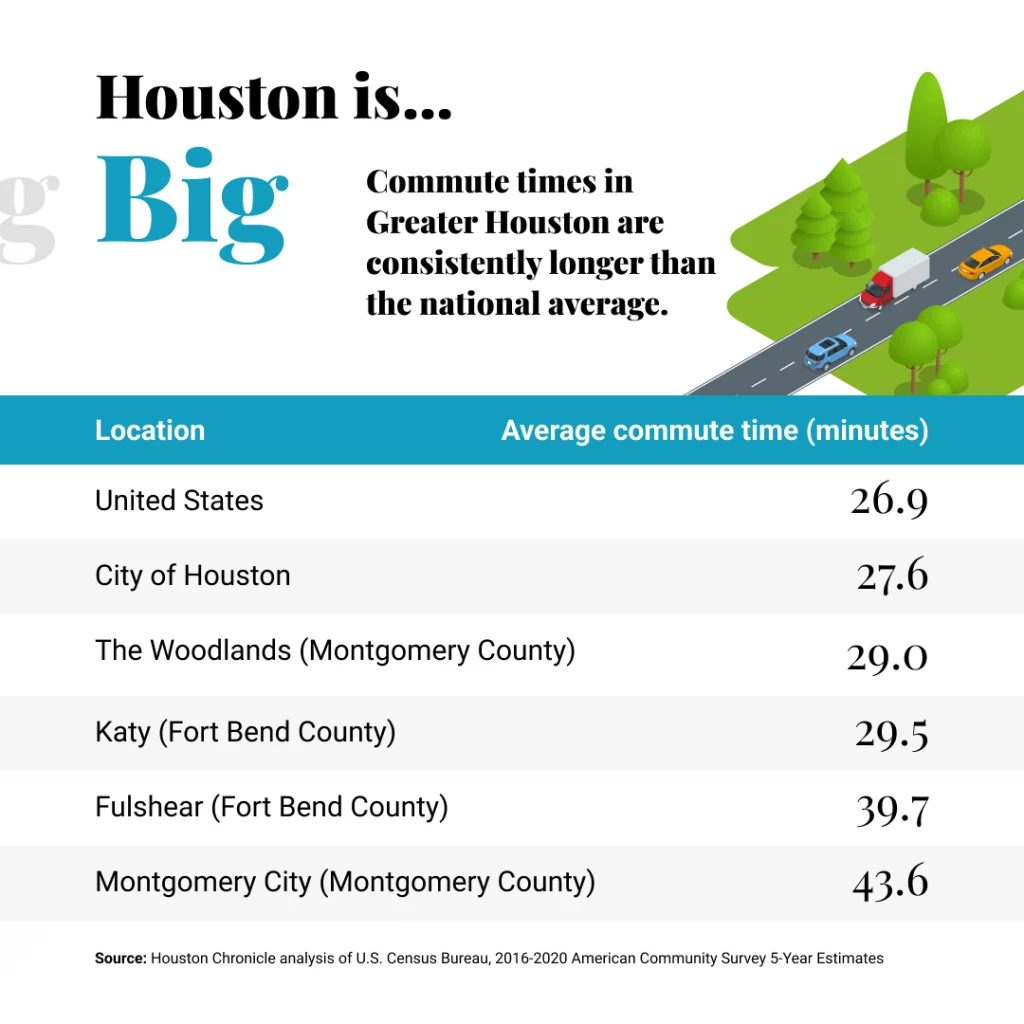
- Business Stays: As a major global business hub, Houston provides ample resources for business travelers. Hotels in Downtown, the Galleria area, and the Energy Corridor are equipped with meeting facilities, business centers, and executive lounges. The presence of two major airports facilitates easy travel for corporate visitors, and the expansive nature of the city means that business districts can be quite spread out, emphasizing the need for strategic accommodation choices.
- Long-Term Stays: For those relocating, on extended assignments, or simply desiring a longer immersion in the city, Houston offers numerous long-term accommodation options. Furnished apartments, corporate housing, and extended-stay hotel brands are common, especially around major employment centers like the Texas Medical Center and the Energy Corridor. The vibrant neighborhood life, from the culinary delights of Montrose to the family-friendly atmosphere of The Heights, makes Houston an appealing place for an extended stay, allowing visitors to truly live like a local.
Houston’s Global Footprint: Beyond the City Limits
Houston’s size isn’t just about its physical dimensions or population numbers; it also reflects its immense economic and international influence, making it a pivotal global city.
Economic Powerhouse and International Gateway
Houston’s vastness is mirrored in its economic might. It is a leading global center for the energy industry, earning it the moniker “Energy Capital of the World.” Beyond oil and gas, it’s also a hub for aerospace (thanks to NASA Johnson Space Center), biomedical research and healthcare (home to the world’s largest medical complex, the Texas Medical Center), and international trade, driven by the Port of Houston—one of the busiest ports in the United States. This robust economy attracts businesses and talent from around the globe, further fueling its diversity and growth. The city hosts more foreign consulates than any other city in the United States outside of New York City and Washington D.C., reflecting its deep international connections with countries from Mexico to China. For lifestyle and tourism, this means a constantly evolving city with new developments, world-class infrastructure, and a global outlook that permeates its culture, cuisine, and arts scene.
Planning Your Extended Houston Adventure
Considering the immense size and breadth of experiences available in Houston, a single short trip may only scratch the surface. Many visitors find themselves returning to explore different districts, delve deeper into specific interests like the arts or food, or revisit favorite landmarks. Planning an extended adventure allows for a more relaxed pace, providing time to truly absorb the unique character of each neighborhood. For example, a week-long stay could allow for dedicated days to explore the Museum District and Hermann Park, another for the space wonders at Space Center Houston, and evenings to sample diverse dining across Montrose and Midtown. Given its central location within Texas, Houston also serves as an excellent base for day trips to nearby attractions like the beaches of Galveston or the historic sites of San Antonio. The extensive road network makes such excursions feasible, adding another layer to the “big” Houston experience.
In conclusion, Houston, Texas, is undeniably massive, both in its physical dimensions and its profound impact on global commerce, culture, and travel. Its size dictates a unique approach to exploration, requiring visitors to embrace its scale and plan strategically. However, this vastness is precisely what makes Houston such a rich and rewarding destination, offering an endless array of experiences for every traveler, from luxury seekers to budget adventurers, and from business executives to families seeking enriching cultural encounters. Understanding “how big” Houston truly is unlocks the potential for an incredible journey through one of America’s most dynamic and diverse cities.
LifeOutOfTheBox is a participant in the Amazon Services LLC Associates Program, an affiliate advertising program designed to provide a means for sites to earn advertising fees by advertising and linking to Amazon.com. Amazon, the Amazon logo, AmazonSupply, and the AmazonSupply logo are trademarks of Amazon.com, Inc. or its affiliates. As an Amazon Associate we earn affiliate commissions from qualifying purchases.