
For millions of travelers, Miami International Airport serves as the primary gateway to the sun-drenched shores of Florida and the vibrant heart of the Americas. As one of the busiest hubs in the United States, understanding the sheer scale of this aviation behemoth is essential for anyone planning a journey through the Sunshine State. Spanning a footprint that feels like a city unto itself, the airport is a complex ecosystem of logistics, architecture, and international commerce.
The Physical Footprint: A Vast Terminal Landscape
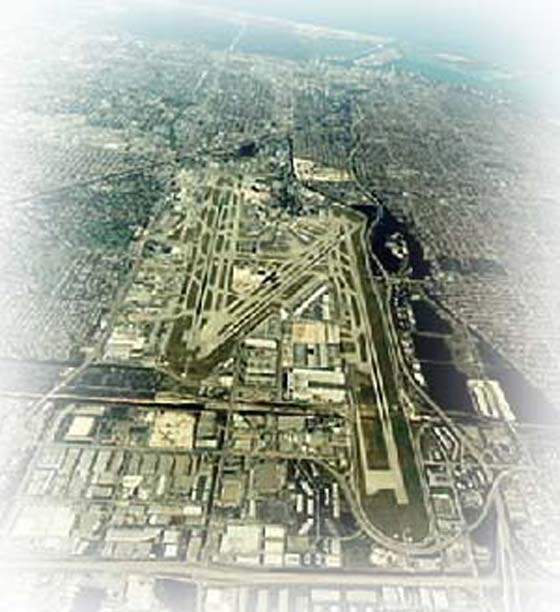
The physical size of the airport is staggering. Covering approximately 3,230 acres, the facility is designed to manage a continuous flow of international and domestic traffic. Unlike smaller regional airports, the terminal layout is defined by its massive, horseshoe-shaped design, which stretches across multiple interconnected concourses.

The Concourses
The airport is divided into six distinct concourses, labeled D through J. Each section acts as a distinct wing, housing dozens of gates that facilitate the arrival and departure of wide-body aircraft arriving from all corners of the globe. Navigating from Concourse D—the largest, which serves as a primary hub for American Airlines—to Concourse J can feel like a journey in itself, requiring passengers to utilize the automated people mover system, known as the MIA Mover, to traverse the distance efficiently.
Operational Capacity
Beyond the passenger terminals, the airport maintains an expansive airfield that includes four active runways. These runways are positioned in a crisscross pattern, allowing for complex take-off and landing sequences that accommodate the high volume of daily flights. This configuration is a masterpiece of aeronautical engineering, designed to minimize delays while maximizing the frequency of aircraft operations for one of the busiest international gateways in the world.
Economic and Strategic Significance
While the physical acreage is impressive, the “size” of the airport is perhaps best measured by its impact on the economy and its role as a strategic bridge between North America and Latin America. It is not merely a place where planes land; it is a critical node in global trade.
The Gateway to Latin America
Miami has long held the title of the “Capital of Latin America,” a distinction largely driven by the airport’s route network. Because of its strategic location, it handles more flights to the Caribbean and South America than any other airport in the nation. For a traveler heading to Bogota, Sao Paulo, or Mexico City, this airport serves as the inevitable and efficient starting point.
Cargo Operations
The airport is also one of the largest cargo hubs in the world. A massive portion of its total acreage is dedicated to specialized cargo facilities that process everything from high-tech electronics to perishable flowers. This logistical dominance ensures that the airport remains open and buzzing 24 hours a day, regardless of passenger schedules, reinforcing its status as a cornerstone of the regional economy.

Navigating the Scale: Tips for Travelers
Given its immense size, travelers often find the scale of the airport intimidating. However, understanding the infrastructure can turn a potentially stressful layover into a smooth transition.
Connectivity and Transportation
The airport is well-integrated with the local infrastructure of Miami-Dade County. The Metrorail station connects the airport directly to the city’s urban core, allowing travelers to reach downtown or even the iconic beaches of South Beach with relative ease. Inside the terminals, the Skytrain provides a high-speed transit option within the sprawling Concourse D, saving passengers significant time during long walks between gates.
Amenities for the Global Traveler
Because of its size, the facility acts as a high-end destination in its own right. With an expansive array of duty-free shops, gourmet dining options featuring local Cuban cuisine, and multiple luxury lounges, the airport is equipped to host thousands of passengers who may spend hours waiting for connecting flights. When considering the “size” of the experience, one must account for the hundreds of thousands of square feet dedicated to retail space and passenger comfort.
Future Expansions and Sustainable Growth
The airport is not stagnant; it is currently undergoing a multi-billion dollar capital improvement program. As passenger numbers continue to climb, the facility is constantly reconfiguring its existing footprint to accommodate larger aircraft and increased foot traffic.
Modernization Efforts
Recent renovations focus on streamlining security checkpoints and upgrading the baggage handling systems. Because the airport serves as a primary port of entry for the United States Customs and Border Protection, managing the transition from an international flight to domestic arrivals is a primary concern. The ongoing expansions aim to reduce wait times and improve the overall flow of passengers, effectively making the airport “feel” smaller and more manageable despite its physical growth.
Environmental Stewardship
Managing an area of this size comes with a massive environmental responsibility. The airport has implemented various programs to reduce its carbon footprint, ranging from energy-efficient lighting across all concourses to water conservation initiatives that span the entire campus. As Miami faces unique environmental challenges, the leadership at the airport is prioritizing sustainable construction materials and ground-level logistics that minimize emissions from taxiing aircraft and ground support equipment.
Conclusion: A World Within a Hub
To ask how big the airport is requires looking beyond simple square footage. It is a behemoth of steel, glass, and concrete, but it is also a living, breathing entity that connects Europe, Asia, and the Americas. Whether you are passing through on a short layover or starting an epic vacation in Florida, recognizing the scale of the operation helps you appreciate the orchestration required to keep this global crossroads moving. It is a massive, complex, and vital structure, standing as a testament to the growth of modern travel and the enduring allure of Miami as a global destination. By mastering the layout and understanding its role in the global transport ecosystem, any traveler can navigate the vast expanse of the terminal with confidence and ease.
LifeOutOfTheBox is a participant in the Amazon Services LLC Associates Program, an affiliate advertising program designed to provide a means for sites to earn advertising fees by advertising and linking to Amazon.com. Amazon, the Amazon logo, AmazonSupply, and the AmazonSupply logo are trademarks of Amazon.com, Inc. or its affiliates. As an Amazon Associate we earn affiliate commissions from qualifying purchases.