
Often the overlooked borough of New York City, Staten Island possesses a distinct character and scale that merits exploration. While its sister boroughs – Manhattan, Brooklyn, Queens, and the Bronx – often dominate the tourist narrative, Staten Island offers a unique perspective on the metropolitan experience, characterized by its expansive green spaces, historical depth, and a pace of life that feels a world away from the bustling core. Understanding its size is the first step to appreciating its multifaceted appeal as a travel destination.
Geographical Footprint and Demographics
To truly grasp the scale of Staten Island, one must consider its physical dimensions and the population it shelters. Its size is not merely a collection of numbers but a tangible aspect that influences its landscape, infrastructure, and the very lifestyle of its inhabitants.

Land Area and Waterfront
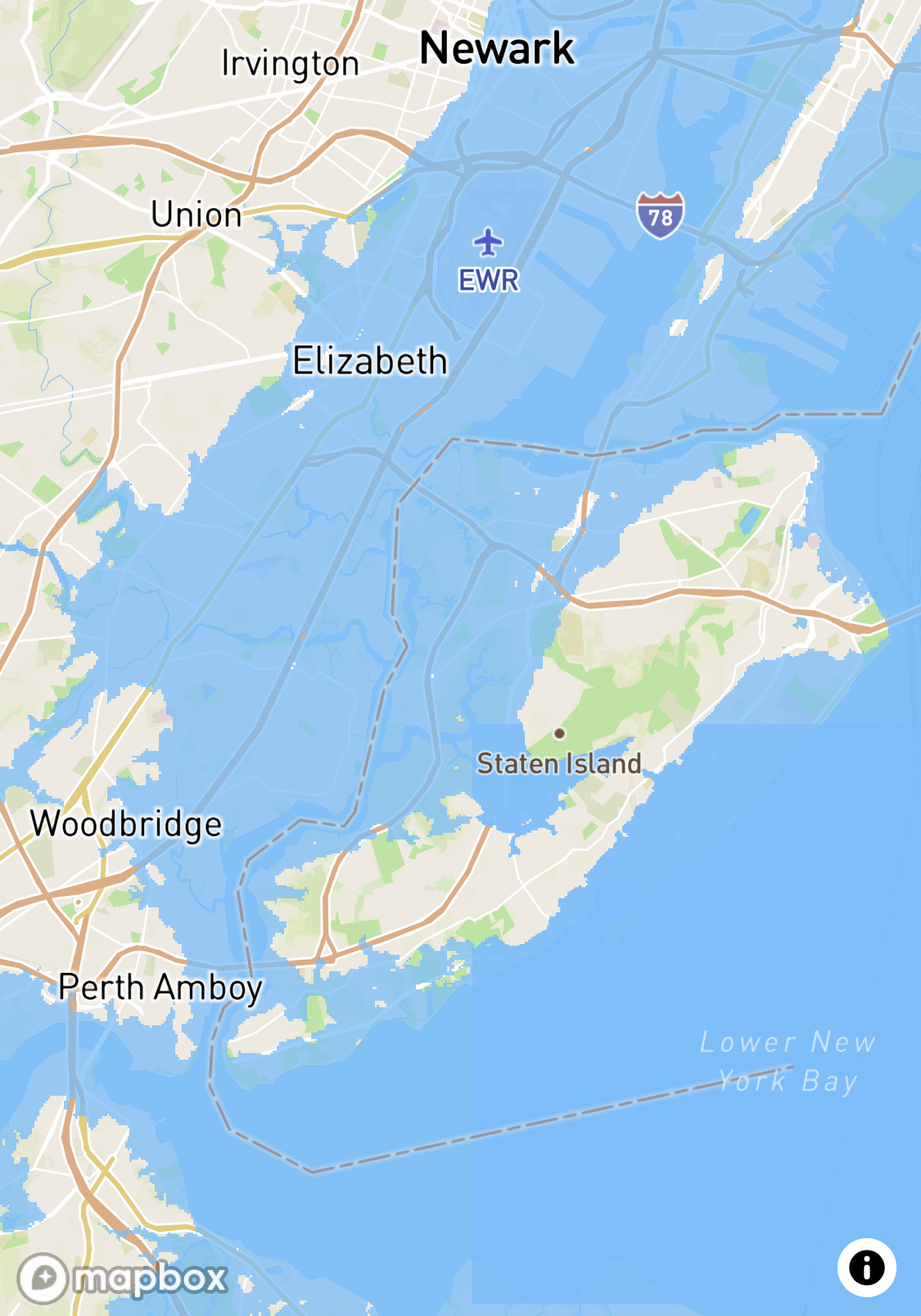
Staten Island covers a significant landmass, a fact often surprising to those accustomed to the dense urbanity of Manhattan. With an area of approximately 59.1 square miles (153.1 square kilometers), it is the third-largest borough in New York City by land area, trailing only Queens and Brooklyn. This expansive territory allows for a varied topography, incorporating coastal areas, rolling hills, and extensive parklands. The island is bordered by the Arthur Kill and Kill Van Kull waterways to the west and north, separating it from New Jersey, and by the New York Harbor and Lower Bay to the east and south, connecting it to the Atlantic Ocean and the rest of New York City. Its extensive coastline contributes to its distinct environmental character and offers opportunities for waterfront activities and scenic views.
Population Density and Distribution
While Staten Island is geographically substantial, its population density is considerably lower than that of its urban counterparts. With a population of around 476,000 residents (as of recent estimates), it is the least populous of the five boroughs. This lower density is a key factor in its unique character, allowing for more suburban-like neighborhoods, greater access to open spaces, and a less congested environment. The population is distributed across distinct communities, each with its own identity and amenities. This demographic profile shapes the island’s offerings, from its residential areas to its local businesses and recreational facilities.
Understanding Size Through Comparison and Context
To truly appreciate the scale of Staten Island, it is beneficial to place its size into various comparative contexts, looking both within and beyond the confines of New York City. This allows for a more nuanced understanding of its geographical significance.
Comparison with Other NYC Boroughs
When compared to the other boroughs of New York City, Staten Island’s size becomes particularly evident. Manhattan, the most famous borough, is significantly smaller in land area, spanning just 22.8 square miles (59.1 square kilometers). This stark contrast highlights why Manhattan feels so densely packed and why navigating it often involves a very different experience. Brooklyn, the most populous borough, covers 70.8 square miles (183.4 square kilometers), making it slightly larger in land area than Staten Island. Queens, the largest borough by land area, encompasses 109.1 square miles (282.5 square kilometers), and the Bronx covers 42.4 square miles (109.8 square kilometers). This comparison illustrates that while Staten Island is not the absolute largest, it offers a substantial landmass that fosters a distinct urban-suburban blend.
Staten Island’s Size Relative to Other Cities and Towns
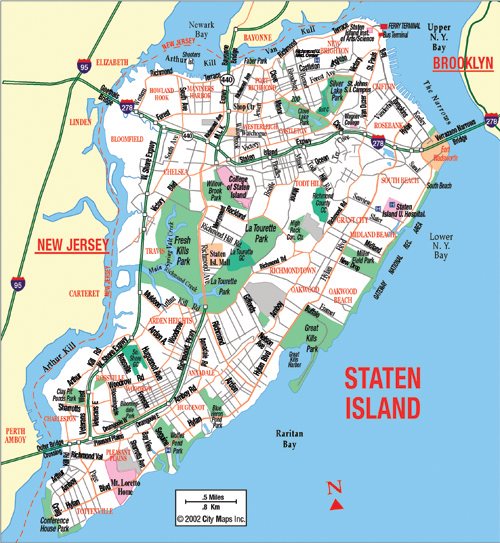
Expanding the scope, Staten Island’s 59.1 square miles are comparable to the land area of many independent cities in the United States. For instance, it is larger than the city of San Francisco, California, which covers approximately 46.9 square miles (121.5 square kilometers) of land. It is also larger than the city of Boston, Massachusetts, at around 48.4 square miles (125.4 square kilometers). This comparison provides a powerful perspective: the geographic scale of Staten Island is equivalent to that of a major American city, yet it exists as a constituent part of a larger metropolis, New York City. This dual identity is central to its appeal as a travel destination, offering the amenities of a large city alongside the space and character of a more spread-out locale.
Exploring Staten Island: Scale and Attractions
The considerable size of Staten Island translates directly into the diversity and accessibility of its attractions. The island’s dimensions allow for a range of experiences, from vast natural landscapes to significant historical sites and vibrant cultural hubs.
Green Spaces and Parks
One of the most striking aspects of Staten Island’s size is its commitment to preserving natural beauty. The borough boasts an impressive network of parks and open spaces, making it the greenest of the five boroughs. The Greenbelt, a 2,800-acre complex of parkland, is a testament to this dedication. It encompasses several interconnected parks, offering miles of hiking trails, diverse ecosystems, and recreational opportunities. Other significant natural areas include High Rock Park, William T. Davis Wildlife Refuge, and the expansive Freshkills Park, one of the largest new urban parks in the world, being developed on the site of a former landfill. The sheer volume of accessible green space is a major draw for visitors seeking respite from urban intensity and a chance to connect with nature.
Historical and Cultural Landmarks
The island’s expansive territory also houses a rich tapestry of historical and cultural landmarks. The Historic Richmond Town, a living history village, spans 100 acres and preserves colonial-era buildings and artifacts, offering a deep dive into early American life. The Snug Harbor Cultural Center & Botanical Garden, once a home for retired sailors, now serves as a vibrant arts and cultural institution with numerous museums, galleries, and meticulously maintained gardens. The presence of these extensive sites underscores how Staten Island’s size allows for the preservation and display of significant historical narratives and cultural expressions without the overwhelming density that can characterize other urban centers.
Navigating and Experiencing Staten Island
The scale of Staten Island influences how visitors experience the borough, from transportation methods to the overall pace of exploration. Understanding these aspects is key to planning a fulfilling visit.
Transportation and Accessibility
Getting to and around Staten Island is a crucial element of the visitor experience, and its size plays a role. The most iconic way to arrive is via the Staten Island Ferry, a free commuter ferry that offers spectacular views of the Manhattan skyline and the Statue of Liberty. Once on the island, the scale necessitates various transportation options. While public bus services operated by the MTA are extensive, covering much of the island, driving a car or utilizing ride-sharing services can offer greater flexibility for exploring dispersed attractions. The presence of the Verrazzano-Narrows Bridge connects the island to Brooklyn, further integrating it into the broader metropolitan transit network. The time required to travel between different points on the island can vary significantly due to its size, prompting visitors to plan their itineraries accordingly.
The Pace of Island Life
The expansive nature of Staten Island fosters a more relaxed pace of life compared to the frenetic energy of central New York City. Its larger residential areas, ample parkland, and less concentrated commercial districts contribute to a feeling of spaciousness and tranquility. This slower tempo is a significant draw for travelers seeking a more laid-back urban experience. It allows for leisurely exploration of its neighborhoods, unhurried enjoyment of its natural beauty, and a deeper immersion into its local culture. The size of Staten Island is not just a statistic; it is a defining characteristic that shapes its unique identity as a destination offering a distinctive blend of urban proximity and suburban serenity.
LifeOutOfTheBox is a participant in the Amazon Services LLC Associates Program, an affiliate advertising program designed to provide a means for sites to earn advertising fees by advertising and linking to Amazon.com. Amazon, the Amazon logo, AmazonSupply, and the AmazonSupply logo are trademarks of Amazon.com, Inc. or its affiliates. As an Amazon Associate we earn affiliate commissions from qualifying purchases.