
Texas Tech University, a sprawling institution nestled in the heart of West Texas, is more than just a place of higher learning; it’s a vibrant community and a significant landmark in the landscape of Lubbock. Understanding its “bigness” involves exploring its physical footprint, its academic reach, and its cultural impact, all of which contribute to its stature as a major university and a destination for students, faculty, and visitors alike.
The Physical Scale of the Campus
The sheer size of the Texas Tech University campus is often the first thing that strikes a visitor. It’s not just about the number of buildings; it’s the acreage, the layout, and the integration of academic, residential, and recreational spaces that define its physical presence.

Acreage and Infrastructure
Texas Tech boasts an impressive campus spanning over 1,839 acres, making it one of the largest university campuses in the United States. This vast expanse houses an array of facilities, from state-of-the-art research laboratories and sprawling academic buildings to extensive athletic complexes and serene green spaces. The architectural style is distinct, characterized by its traditional West Texas Spanish Renaissance design, featuring red-tiled roofs and limestone accents that create a cohesive and visually appealing environment. This architectural theme is consistently applied across new constructions and renovations, reinforcing the university’s identity and sense of place.
Key Academic and Research Hubs
Within this expansive area, various colleges and research centers form the academic backbone of the university. The College of Engineering, for instance, occupies a significant portion of the campus with its advanced laboratories and collaborative workspaces, fostering innovation and practical learning. Similarly, the Whitacre College of Engineering is a testament to the university’s commitment to scientific advancement. The Texas Tech Health Sciences Center, a separate yet integral part of the university system, also contributes to the overall scale and impact, with its own specialized facilities for medical education and patient care spread across multiple locations.
Recreational and Residential Life
Beyond academics, the campus is designed to accommodate a robust student life. Numerous residence halls, dining facilities, student unions, and recreational centers are strategically placed to support the large student population. The Student Union Building serves as a central hub for student activities, offering a wide range of services, shops, and eateries. Outdoor spaces, including parks and plazas, provide areas for relaxation and social gathering, further enhancing the campus experience. The expansive nature of the campus means that navigating it often involves walking or utilizing the university’s shuttle system, underscoring its substantial physical size.
Academic Reach and Impact
The “bigness” of Texas Tech extends far beyond its physical boundaries, encompassing its academic offerings, research endeavors, and the global reach of its alumni and faculty.
Enrollment and Student Body
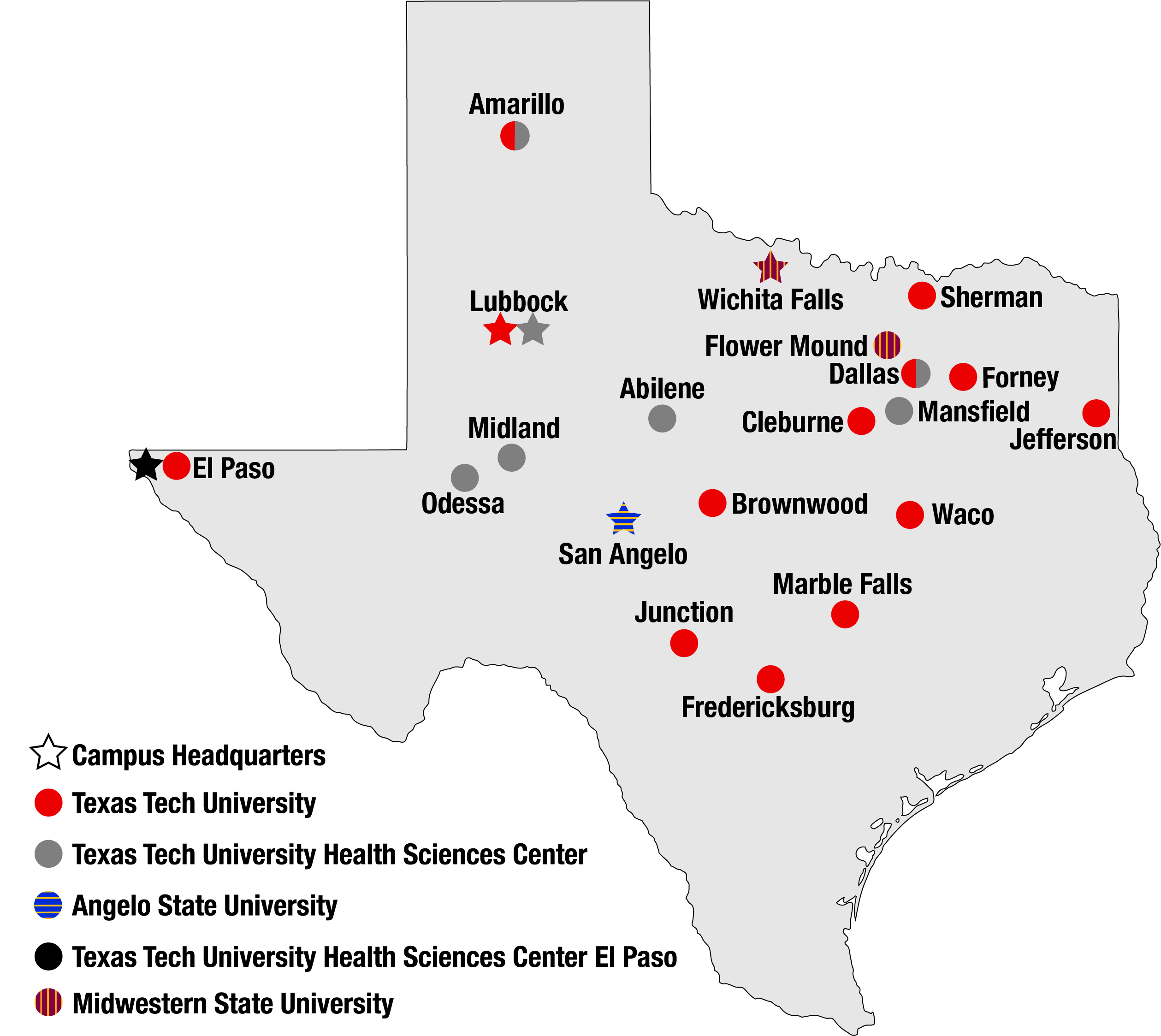
Texas Tech is a major public research university with a student enrollment that consistently ranks among the largest in Texas and the nation. This large student body, typically exceeding 40,000 individuals, represents a diverse population from across the state, the country, and the world. The sheer number of students necessitates a comprehensive infrastructure to support their academic and personal development, from extensive library resources and tutoring services to career counseling and mental health support. The vibrant student life, fueled by numerous student organizations and campus events, adds another layer to the university’s dynamic atmosphere.
Research and Innovation
As a designated Tier-One research university, Texas Tech is a significant player in scientific discovery and technological innovation. Its research expenditures and the breadth of its research areas highlight its substantial impact. Fields such as renewable energy, advanced materials, biotechnology, and cybersecurity are areas where Texas Tech faculty and students are making significant contributions. The university is home to numerous research centers and institutes, including the National Wind Institute, which is at the forefront of wind energy research. This commitment to research not only drives academic excellence but also fosters economic development and addresses critical societal challenges.
Program Diversity and Specializations
The extensive range of academic programs offered at Texas Tech further defines its “bigness.” With a multitude of undergraduate and graduate degrees offered across its various colleges and schools, students have a vast array of choices to pursue their academic and career aspirations. From the traditional disciplines to emerging fields, the university continually adapts its curriculum to meet the evolving demands of the global job market. Specialized programs, such as those in the Honors College, provide enhanced academic experiences for high-achieving students, adding to the university’s comprehensive educational offerings.
Cultural and Economic Significance
Texas Tech’s influence extends into the cultural and economic fabric of West Texas and beyond, solidifying its position as a vital regional and national institution.
The Red Raider Identity
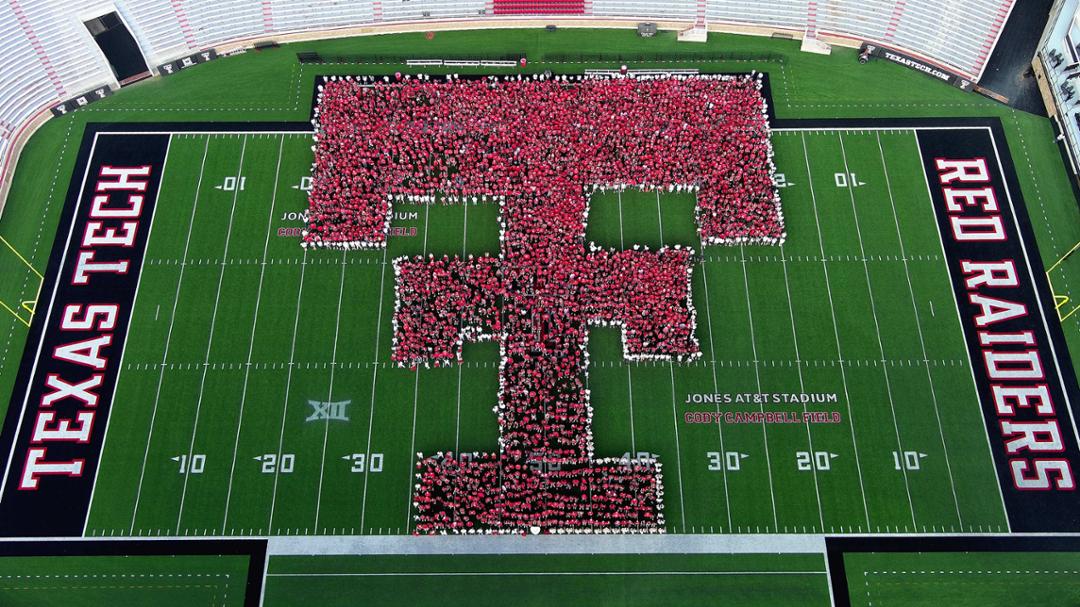
The spirit of Texas Tech is embodied by its passionate student body and alumni, collectively known as Red Raiders. This strong sense of identity and community is a crucial aspect of the university’s “bigness.” The iconic red and black colors, the “Guns Up!” hand signal, and the fervent support for the Texas Tech Red Raiders athletics teams create a pervasive sense of belonging and pride. Major sporting events, particularly football games at Jones AT&T Stadium, draw tens of thousands of fans, showcasing the university’s significant presence in collegiate sports and its ability to mobilize a large community.
Economic Impact on the Region
As one of the largest employers and educational institutions in the region, Texas Tech has a profound economic impact on Lubbock and the surrounding West Texas area. The university attracts significant investment, supports numerous ancillary businesses, and provides a skilled workforce that fuels regional development. Its presence draws talent and resources to the area, fostering a dynamic environment for innovation and growth. The constant influx of students, faculty, and visitors also stimulates local commerce, benefiting hotels, restaurants, and retail establishments in Lubbock.
Contribution to Knowledge and Society
The cumulative impact of Texas Tech’s research, educational programs, and alumni contributions to society is immeasurable. Graduates go on to make significant contributions in diverse fields, from medicine and engineering to business and the arts, both within Texas and globally. The university’s commitment to service-learning and community engagement further demonstrates its dedication to positively impacting society. The sheer volume of knowledge generated through its research, coupled with the development of future leaders, underscores the broad and enduring significance of Texas Tech University. Its “bigness” is not just a measure of physical size or student numbers, but a reflection of its profound and multifaceted influence on education, research, culture, and the economy.
LifeOutOfTheBox is a participant in the Amazon Services LLC Associates Program, an affiliate advertising program designed to provide a means for sites to earn advertising fees by advertising and linking to Amazon.com. Amazon, the Amazon logo, AmazonSupply, and the AmazonSupply logo are trademarks of Amazon.com, Inc. or its affiliates. As an Amazon Associate we earn affiliate commissions from qualifying purchases.