
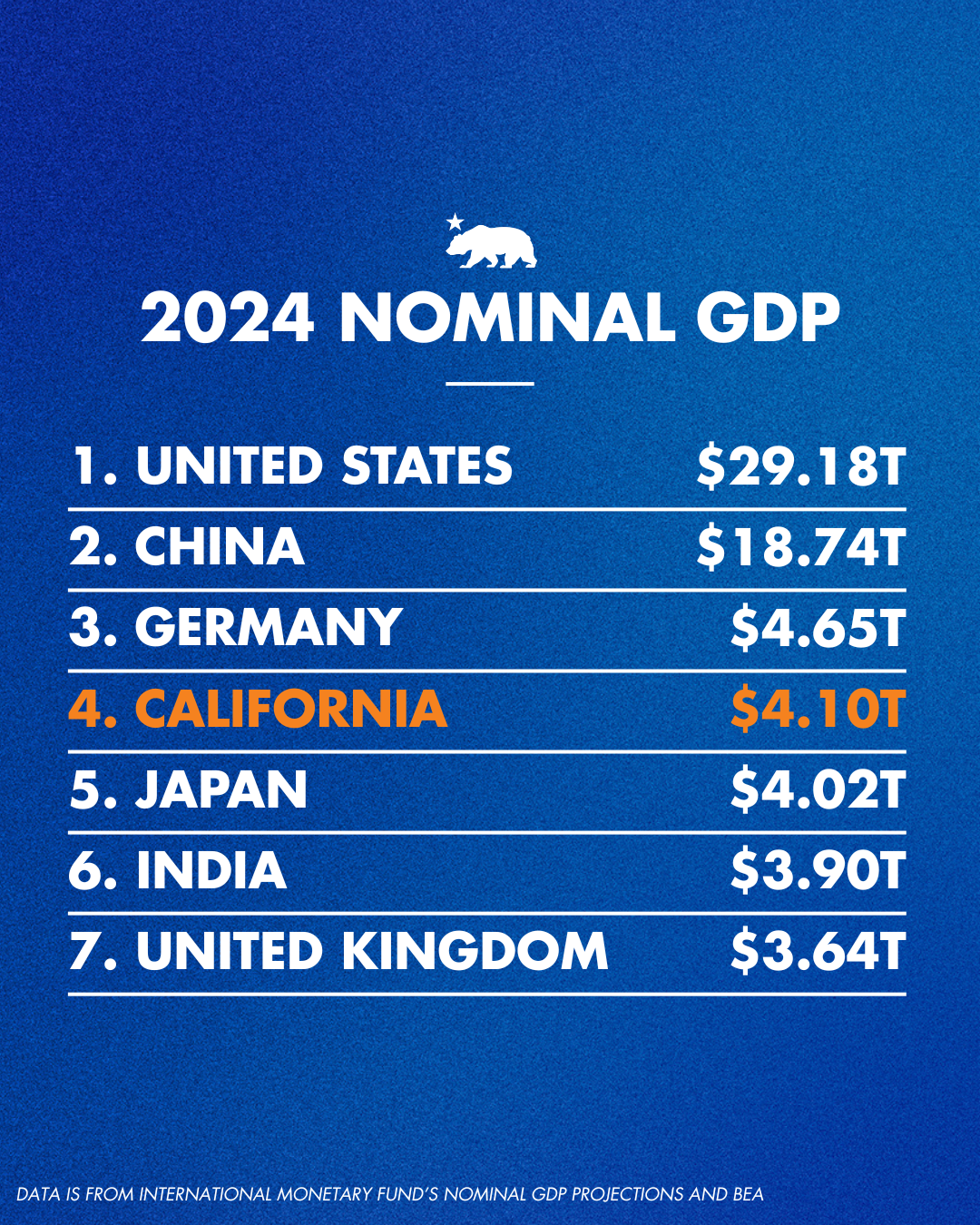
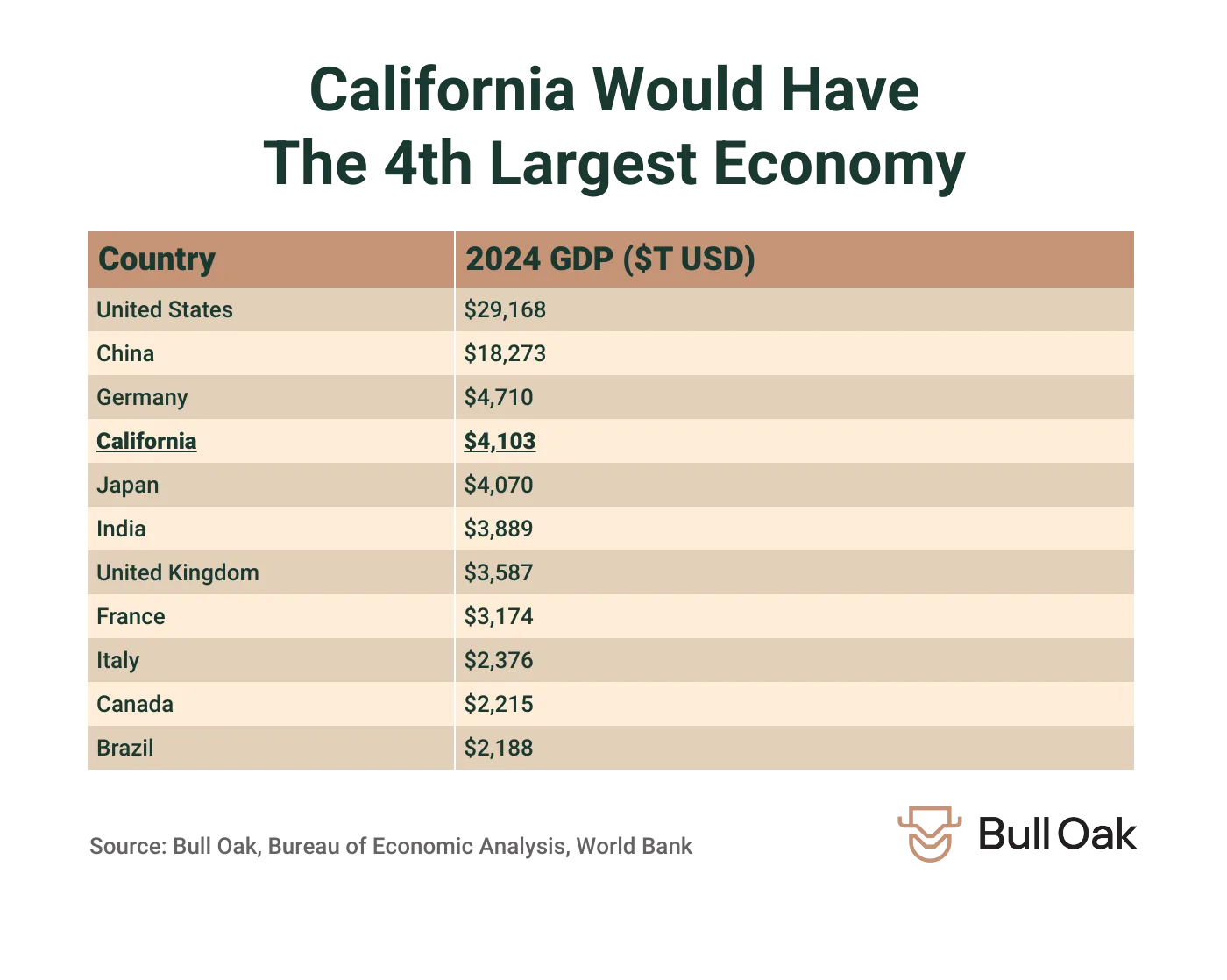
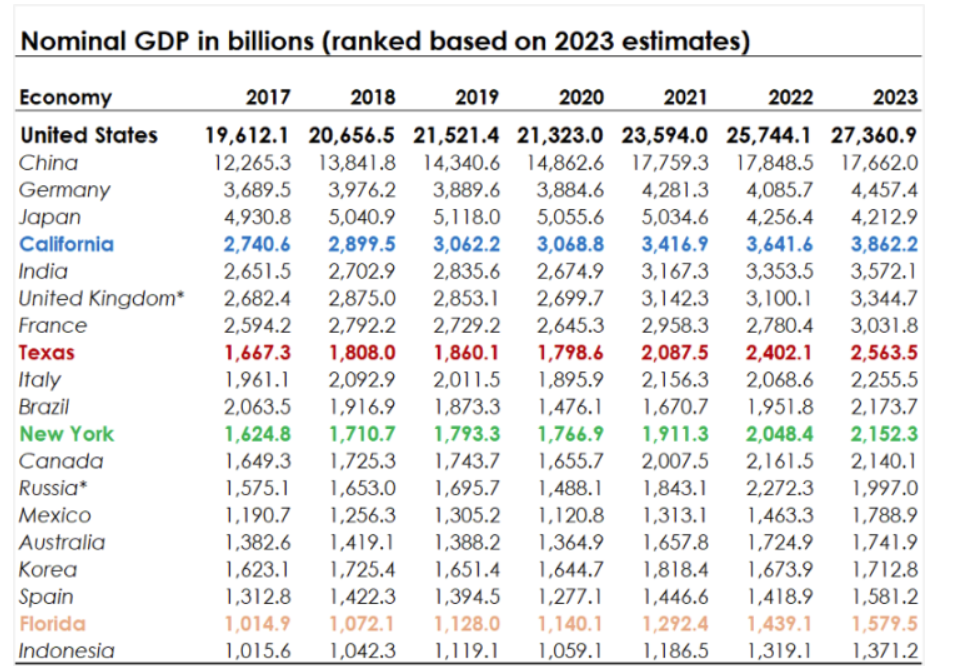
The allure of California is undeniable. From the sun-kissed beaches of Santa Monica to the towering redwoods of Redwood National Park, and the vibrant urban landscapes of Los Angeles and San Francisco, the Golden State beckons travelers from across the globe. But what truly underpins this incredible diversity of experiences and world-class attractions? The answer lies in the sheer, monumental scale of California’s economy. Far from being a mere backdrop, the state’s economic prowess is the engine that drives its ability to offer such unparalleled travel opportunities, shaping its infrastructure, innovation, and diverse cultural tapestry. Understanding the magnitude of California’s economic landscape is key to appreciating why it remains a premier destination for every type of traveler, from the luxury seeker to the adventure enthusiast. It’s an economy so vast that it would rank among the top ten largest countries in the world if it were a sovereign nation, a testament to its innovation, industry, and robust consumer base. This colossal economic footprint doesn’t just represent wealth; it represents the foundation upon which California builds its iconic experiences, inviting exploration and discovery at every turn.
The Golden State’s Economic Foundation for Travel
California’s economy is not just big; it’s incredibly diverse and forward-thinking, making it a hotbed of innovation and creativity that directly translates into compelling travel experiences. The state is a global leader in technology, entertainment, agriculture, and manufacturing, each sector contributing to a unique facet of its tourism appeal. This rich economic tapestry ensures that whether a traveler is seeking cutting-edge experiences, cultural immersion, or breathtaking natural beauty, California has an offering rooted in its economic strength.
Silicon Valley and Future-Forward Travel
At the heart of technological innovation, Silicon Valley exemplifies how economic might can shape travel trends. Home to tech giants and countless startups, this region fuels advancements that impact everything from smart hotels and seamless booking platforms to augmented reality tours and immersive theme park experiences. Travelers to areas around San Jose and Palo Alto can experience the pulse of innovation, visit tech campuses (some offering public tours), or simply marvel at a landscape continually reinventing itself. The economic concentration here has led to a sophisticated infrastructure and a culture that values innovation, impacting everything from high-end dining to efficient public transport, all of which enhance the modern travel experience.
Hollywood’s Global Influence and Tourism
The entertainment industry, centered in Hollywood, is another pillar of California’s economy with profound implications for tourism. The global reach of Hollywood productions draws millions of visitors eager to walk the Hollywood Walk of Fame, tour film studios, or visit iconic landmarks like the Hollywood Sign. The economic vitality of this sector ensures continuous investment in new attractions, state-of-the-art theme parks like Disneyland and Universal Studios, and a vibrant arts and culture scene that keeps Los Angeles and its surroundings buzzing with activity. The economic output from film, television, and music not only creates jobs but also brandishes California as a dream factory, making it a magnetic destination for fans and aspiring artists alike.
Agricultural Bounty and Culinary Tourism
Beyond tech and entertainment, California’s massive agricultural sector, particularly in the Central Valley and San Joaquin Valley, is a silent giant driving an increasingly popular form of travel: culinary tourism. The state’s fertile lands produce an astounding variety of fruits, vegetables, nuts, and dairy, feeding not only the United States but also the world. This economic strength in agriculture directly supports California’s farm-to-table movement, renowned Wine Country in regions like Napa Valley and Sonoma, and a diverse, world-class culinary scene across all its major cities. Travelers can enjoy vineyard tours, farmers’ markets, gourmet dining experiences, and even agritourism stays, all direct beneficiaries of California’s rich agricultural economy.
Infrastructure and Accessibility: The Economic Enablers of Exploration
A robust economy allows California to invest heavily in the infrastructure essential for seamless travel. From sprawling airports and efficient road networks to a high standard of hospitality services, the state’s economic strength ensures that visitors can easily access and enjoy its myriad attractions. This commitment to infrastructure isn’t just about convenience; it’s about connecting diverse regions and ensuring that the natural beauty and urban excitement of California are within reach for everyone.
Connecting the Coasts: California’s Extensive Transportation Network
California’s economic power has facilitated the development of one of the most comprehensive transportation networks in the United States. Major international airports in Los Angeles (LAX), San Francisco (SFO), and San Diego (SAN) serve as crucial gateways, handling millions of travelers annually. A vast network of interstate highways and scenic routes, including the iconic Highway 1 along Big Sur, makes road trips an integral part of the California experience. Investment in these networks, including public transit systems in major cities, ensures that visitors can effortlessly transition from urban exploration to coastal drives or mountain retreats, minimizing logistical hurdles and maximizing travel enjoyment.
World-Class Accommodation and Service Industry
The prosperity driven by California’s economy also manifests in its hospitality sector. From opulent resorts in Beverly Hills and luxurious beachfront hotels in Monterey to boutique guesthouses in wine country and eco-lodges near national parks, the state offers an accommodation spectrum to suit every taste and budget. This thriving industry is supported by a robust service economy that provides high-quality jobs and ensures excellent customer service, adding another layer of comfort and enjoyment to the travel experience. The economic capacity to build and maintain such a diverse range of accommodations, along with highly trained staff, is a direct result of California’s overall economic health and its commitment to tourism.
Diverse Economies, Diverse Experiences: A Traveler’s Paradise
The varied economic drivers across California’s vast landscape have fostered distinct regional identities, each offering unique attractions and travel experiences. This economic decentralization means that whether you’re drawn to city life, rugged wilderness, or bucolic vineyards, a specific part of California is economically structured to support that particular type of tourism.
Urban Adventures: Los Angeles, San Francisco, and San Diego
California’s major cities are economic powerhouses, each with a distinct character that appeals to different types of travelers. Los Angeles, with its entertainment and fashion industries, offers glamour, celebrity sightings, and world-class museums. San Francisco, driven by tech and finance, provides iconic landmarks like the Golden Gate Bridge, a vibrant culinary scene, and a distinct counter-culture vibe. San Diego, with its strong military presence and biotechnology sector, boasts beautiful beaches, family-friendly attractions, and a relaxed atmosphere. The economic vibrancy of these cities allows for continuous cultural development, new dining establishments, and entertainment venues, ensuring that urban explorers always have fresh experiences to discover.
Natural Wonders and Ecotourism: Yosemite, Lake Tahoe, and Coastal Drives
Even California’s natural landscapes, from the granite cliffs of Yosemite to the pristine waters of Lake Tahoe, and the rugged beauty of the Pacific Ocean coastline, benefit indirectly from the state’s economic strength. This robust economy provides the resources for maintaining national parks, funding conservation efforts, and developing sustainable tourism initiatives. Travelers seeking adventure can find world-class hiking, skiing, surfing, and wildlife viewing, all supported by a network of services and facilities that are made possible by the state’s overall economic health. Economic investment in these natural areas ensures their preservation and accessibility for generations of travelers.
Wine Country and Agritourism: Napa Valley and Beyond
California’s dominance in the global wine market is another significant economic driver that creates a unique travel niche. Regions like Napa Valley, Sonoma, and Paso Robles are not just agricultural centers but highly sophisticated tourism destinations. The economic success of the wine industry has led to the development of exquisite tasting rooms, gourmet restaurants, luxury accommodations, and curated tours, attracting connoisseurs and casual visitors alike. This blend of agriculture and luxury hospitality showcases how a specialized economic sector can blossom into a world-renowned travel experience, complete with events, festivals, and a distinct regional culture centered around the grape.
Economic Impact of Tourism: A Symbiotic Relationship
While California’s economy enables exceptional travel experiences, tourism itself is a vital and substantial contributor to the state’s economic health. It’s a symbiotic relationship where the attraction of the state draws visitors, and these visitors, in turn, inject billions of dollars into the local economy, creating jobs, stimulating businesses, and funding critical public services. This feedback loop ensures that the travel infrastructure and appeal continue to grow and flourish.
Job Creation and Local Communities
The tourism sector is a major employer across California, supporting millions of jobs in hospitality, transportation, retail, entertainment, and food services. From the bustling streets of San Francisco to the serene towns near Yosemite, local communities thrive on the influx of visitors. This economic activity provides stability and opportunities for residents, fostering vibrant communities that are eager to welcome and serve travelers, thereby enhancing the overall visitor experience. The taxes generated by tourism also contribute significantly to local and state budgets, funding schools, infrastructure, and other essential services.
Preserving California’s Allure: Investment in Parks and Culture
The revenue generated by tourism often circles back into the preservation and enhancement of the very attractions that draw visitors. State and national parks, museums, historical sites, and cultural institutions receive funding that allows them to maintain facilities, offer educational programs, and protect natural resources. This investment ensures that California’s iconic landscapes and rich cultural heritage remain accessible and pristine for future generations of travelers. For example, entrance fees and tourism-related taxes often directly contribute to the upkeep of treasures like Death Valley National Park or the historic missions.
Conclusion
The question “How big is the economy of California?” reveals far more than just impressive financial figures; it uncovers the very bedrock of what makes the state an extraordinary travel destination. With an economy that rivals that of major countries, California’s wealth fuels innovation in Silicon Valley, sustains the global entertainment juggernaut of Hollywood, cultivates a diverse agricultural bounty, and meticulously maintains a vast network of infrastructure. These economic strengths don’t just exist in isolation; they converge to create a seamless, enriching, and endlessly diverse travel landscape. From the urban adventures of Los Angeles and San Francisco to the natural grandeur of Yosemite and the culinary delights of Napa Valley, every experience is touched by the state’s economic vitality. Ultimately, California’s colossal economy is not merely a number; it is the powerful engine that propels its status as a world-class travel destination, promising unforgettable journeys and continuous discovery for every explorer.
LifeOutOfTheBox is a participant in the Amazon Services LLC Associates Program, an affiliate advertising program designed to provide a means for sites to earn advertising fees by advertising and linking to Amazon.com. Amazon, the Amazon logo, AmazonSupply, and the AmazonSupply logo are trademarks of Amazon.com, Inc. or its affiliates. As an Amazon Associate we earn affiliate commissions from qualifying purchases.