
The allure of the Hawaiian Islands is undeniable, drawing travelers from across the globe with promises of sun-drenched beaches, lush volcanic landscapes, and vibrant Polynesian culture. When planning a trip to this Pacific paradise, a crucial question often arises: “How big is Hawaii Island?” Often referred to as the Big Island to distinguish it from the entire state of Hawaii, this landmass is a titan among its island siblings, boasting a sheer scale that impacts everything from travel time between attractions to the diversity of its environments. Understanding its size is fundamental to crafting a fulfilling itinerary, whether you’re seeking luxury resorts, adventurous excursions, or a deep dive into local traditions.
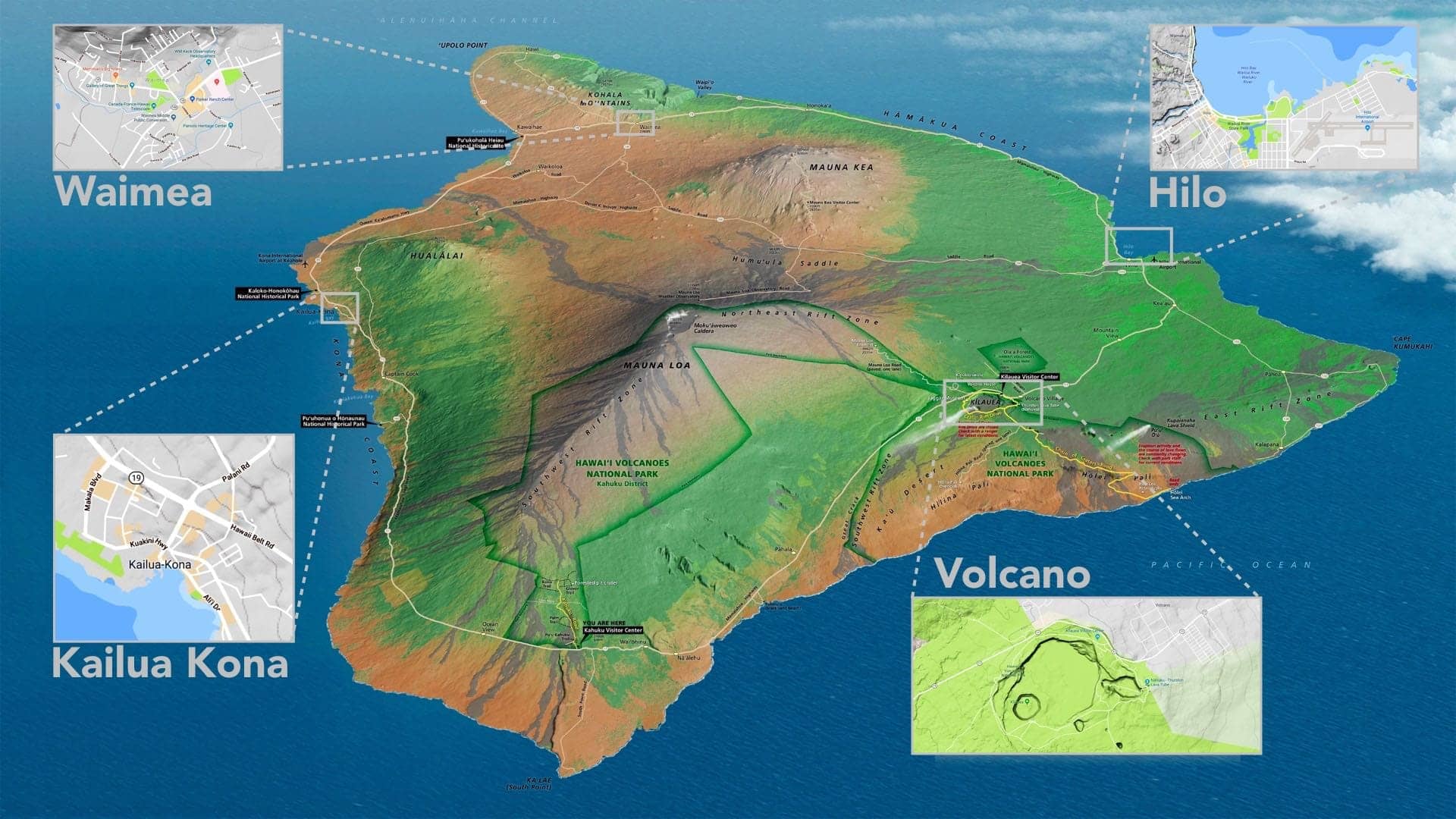
The Big Island is not merely large; it’s a geological marvel, continuously shaped by volcanic activity. Its sheer immensity means that what might seem like a short drive on a mainland map can turn into a significant journey across varied terrains. This vastness translates into an unparalleled breadth of experiences, from the snow-capped peaks of Mauna Kea to the black sand beaches of Punalu’u and the verdant rainforests of the Hilo side. For travelers, this translates into an opportunity to explore a microcosm of the world’s diverse climates and ecosystems, all within a single island.
Understanding the Scale: A Realm of Diverse Landscapes
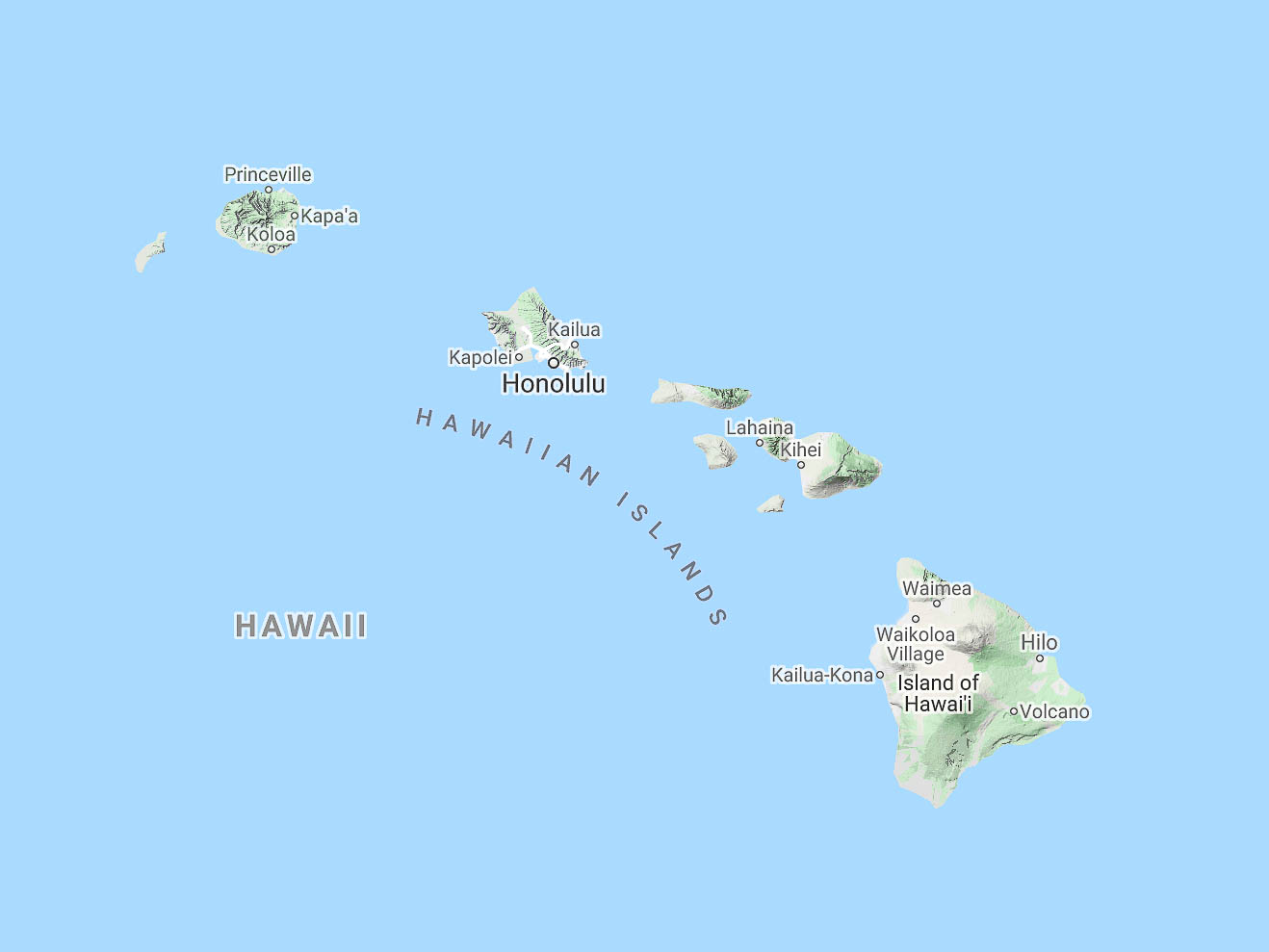
When we talk about the size of Hawaii Island, we’re not just discussing square mileage; we’re talking about the sheer diversity of landscapes and environments packed into its considerable expanse. The Big Island is the youngest and largest of the Hawaiian Islands, and this youth is evident in its dynamic, ever-changing topography. Its area of approximately 4,028 square miles (10,432 square kilometers) makes it larger than all the other Hawaiian Islands combined. This significant size dictates the logistical considerations for any visitor, influencing how much ground can realistically be covered in a given timeframe.
Geographical Dimensions and Core Regions
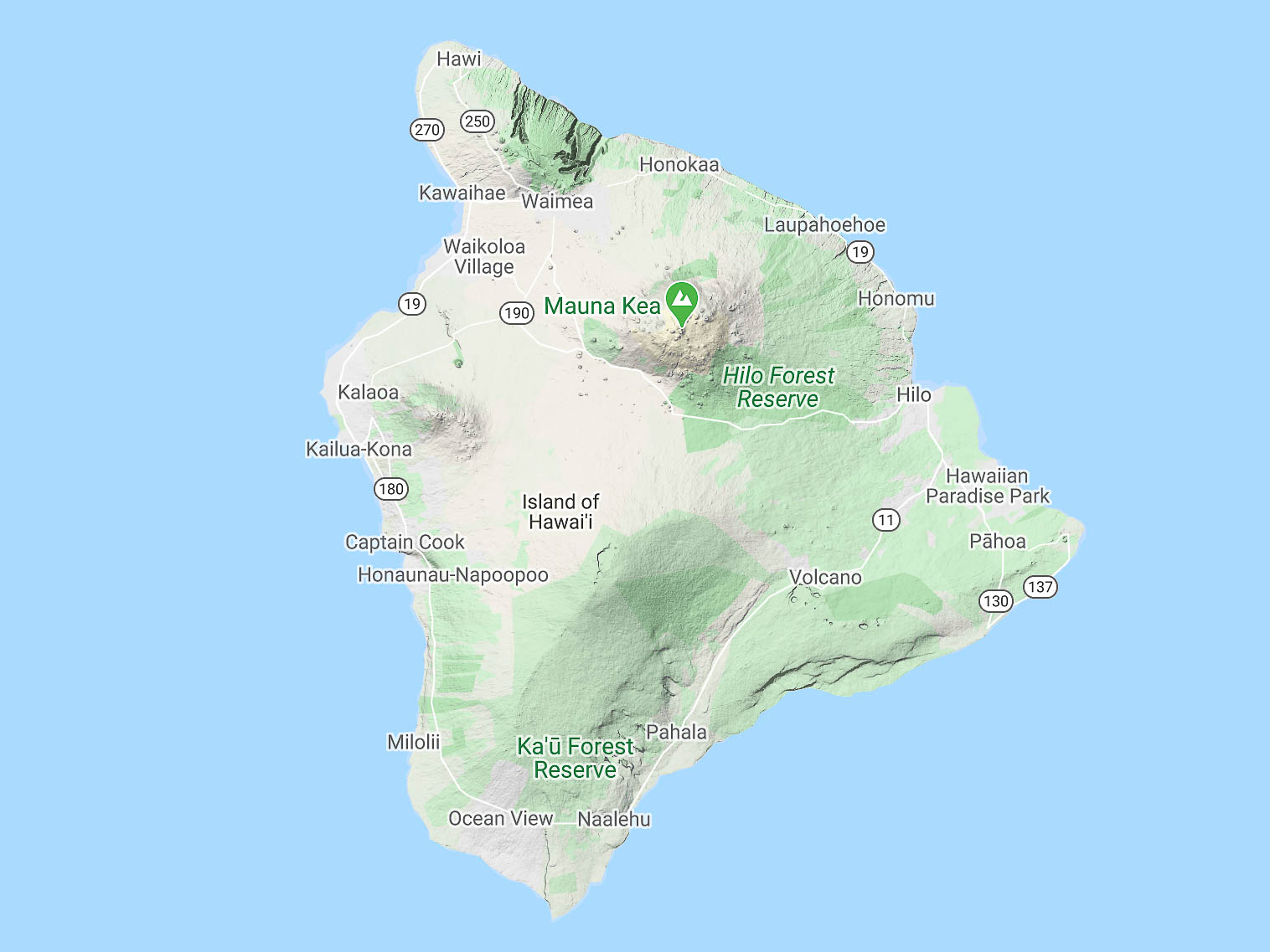
The Big Island stretches about 96 miles (155 kilometers) from north to south and 92 miles (148 kilometers) from east to west at its widest points. This seemingly straightforward measurement belies the complexity of traversing the island. The presence of towering volcanoes, such as Mauna Loa and Mauna Kea, dramatically influences travel routes, often creating natural barriers and requiring circuitous journeys.
The island is broadly divided into several distinct regions, each with its own unique character and attractions:
-
Kona District (West Side): This is the sunnier, drier side of the island, renowned for its world-class coffee plantations, historical sites, and pristine beaches perfect for snorkeling and diving. Kailua-Kona, the main town, offers a lively hub with restaurants, shops, and resorts. Many travelers choose to base themselves here for its consistently pleasant weather and abundant activities. The coastline is dotted with stunning bays, including Kealakekua Bay, a popular spot for marine life encounters.
-
Hilo District (East Side): In stark contrast to Kona, Hilo is the wettest region, receiving abundant rainfall that fuels lush rainforests, dramatic waterfalls, and vibrant botanical gardens. It’s the gateway to Hawaii Volcanoes National Park and offers a more laid-back, local feel. The iconic Rainbow Falls and the expansive Liliuokalani Gardens are major draws. Hilo also boasts a rich history and a thriving arts scene.
-
Kohala Coast (Northwest): This upscale resort area is known for its luxurious hotels, pristine beaches, and championship golf courses. It offers a more tranquil and exclusive experience, with stunning ocean views and access to ancient Hawaiian archaeological sites.
-
Kaʻū District (South): This sparsely populated region encompasses the southern tip of the island, characterized by its rugged coastline, volcanic landscapes, and the stark beauty of the Kilauea caldera. It’s home to the famous Punalu’u Black Sand Beach, where visitors often spot Hawaiian Green Sea Turtles.
-
Puna District (Southeast): A region of incredible biodiversity and volcanic activity, Puna is known for its geothermal areas, lava tubes, and vibrant, bohemian communities. It’s a place where new land is continually being created by lava flows.
-
Hamakua Coast (Northeast): This dramatically beautiful coastline is characterized by steep cliffs, deep valleys, and cascading waterfalls, carved by erosion over millennia. The Waipio Valley lookout offers breathtaking views of this lush, verdant landscape.
The sheer diversity of these regions means that a single trip can offer a kaleidoscope of experiences, from arid lava fields to tropical rainforests and windswept coastlines. This variety is a direct consequence of the island’s immense size and its location within the Pacific Ocean.
The Impact of Size on Travel and Experiences
The Big Island’s scale has a profound impact on how visitors experience it. Unlike smaller islands where you can often drive from one end to the other in a couple of hours, navigating the Big Island requires careful planning and often necessitates choosing a base or two to minimize travel time.
For instance, driving from Kona to Hilo takes approximately 2.5 to 3 hours, and that’s without factoring in stops at any of the numerous attractions along the way. This journey cuts across the island, offering a glimpse into its changing landscapes. The route can take you past lava fields, through ranches, and eventually into the wetter, greener terrain closer to Hilo.
The presence of the two massive shield volcanoes, Mauna Kea and Mauna Loa, significantly influences these travel routes. Mauna Kea, the tallest mountain in Hawaii (when measured from its base on the ocean floor), rises to 13,803 feet (4,207 meters) above sea level. Its summit is a site of significant astronomical research due to its clear skies and altitude. Reaching the summit requires a four-wheel-drive vehicle and acclimatization to the altitude, making it a substantial excursion.
Similarly, Mauna Loa, the world’s largest active volcano by volume and area, dominates a large portion of the island’s interior. Its vast slopes shape the island’s topography and influence rainfall patterns. Hiking or exploring the volcanic craters and lava fields requires dedicated time and an appreciation for the raw power of nature.
When planning your Big Island adventure, consider these points:
- Time Allocation: Factor in significant driving times. What might seem like a short distance on a map can take much longer due to winding roads, varied speed limits, and the desire to stop and admire the scenery.
- Choosing a Base: Many visitors opt to split their stay between the Kona side and the Hilo side to experience the contrasting environments without excessive daily travel.
- Activity Planning: Group attractions by region to maximize your time and minimize backtracking. If you’re interested in coffee tours, focus on the Kona region. If you’re drawn to waterfalls and rainforests, dedicate time to the Hilo and Hamakua coasts.
- The “Circle Island” Drive: While possible, completing a full circle around the Big Island in a single day is a very long undertaking and doesn’t allow for much exploration. It’s better to tackle segments of the island over several days.
Exploring the Island’s Diverse Ecosystems and Natural Wonders
The immense size of Hawaii Island is not just about geographical extent; it’s about the incredible diversity of natural wonders it encompasses. This island is a living laboratory of geological and biological phenomena, offering experiences that span from the icy heights of its volcanoes to the vibrant underwater worlds off its coasts.
Volcanoes and Lava Flows: A Landscape in Motion
The most defining feature of the Big Island is its volcanic nature. It is home to Hawaii Volcanoes National Park, a UNESCO World Heritage Site that showcases the ongoing processes of volcanism. This park is a testament to the island’s youth and dynamism.
-
Kilauea: One of the world’s most active volcanoes, Kilauea has been in a state of near-constant eruption for decades, though eruption patterns can change. Visitors can witness the power of creation and destruction firsthand, observing lava flows (when active and accessible), steam vents, and the dramatic crater of Halema’uma’u. The park offers numerous hiking trails through lava tubes and across recent lava fields, providing an immersive geological experience.
-
Mauna Kea and Mauna Loa: These dormant giants are more than just mountains; they are ecological zones unto themselves. Mauna Kea’s summit is a stark, alpine desert, home to unique flora and fauna adapted to the high altitude. It’s also a prime location for stargazing, with some of the world’s most advanced astronomical observatories situated there. Mauna Loa’s vast slopes are covered in diverse vegetation at different elevations, from grasslands to ʻōhiʻa forests.
The active volcanism means the Big Island is constantly evolving. New land is formed, and landscapes are dramatically reshaped. This dynamic process is a fundamental aspect of the island’s identity and a significant draw for visitors interested in earth sciences and natural history.
Coastal Treasures: Beaches, Marine Life, and Dramatic Shores
The Big Island’s extensive coastline, a direct result of its size, offers a remarkable array of beach types and marine environments.
-
Black Sand Beaches: The famous Punalu’u Black Sand Beach is a prime example, created by the rapid cooling of lava when it meets the ocean. These beaches offer a dramatic contrast to the typical golden sands found elsewhere.
-
White Sand Beaches: While not as numerous as black sand beaches, the Kohala Coast boasts some stunning white sand beaches, such as Hapuna Beach State Recreation Area, perfect for swimming, sunbathing, and enjoying water sports.
-
Marine Life Hotspots: The waters surrounding the Big Island teem with life. Kealakekua Bay is a protected marine sanctuary and a popular destination for snorkeling and diving, known for its spinner dolphins and abundant coral reefs. Manta ray night dives and snorkeling tours are also iconic Big Island experiences, offering unforgettable encounters with these gentle giants. The Manta Ray Capital of the World, as Kona is sometimes called, provides a unique opportunity to witness these majestic creatures up close.
-
Rugged Coastlines: The Hamakua Coast features dramatic, verdant cliffs plunging into the sea, creating breathtaking vistas and hidden waterfalls. This rugged beauty is a stark contrast to the more accessible beaches of the west and north.
The sheer length of the coastline means a variety of marine ecosystems thrive, from shallow reefs to deeper ocean trenches, supporting a rich biodiversity that is a major attraction for ecotourism.
Lush Interiors and Unique Microclimates
The interior of the Big Island is as varied as its coasts, a direct consequence of its size and the rain shadow effect created by its massive volcanoes.
-
Rainforests and Waterfalls: The eastern side, particularly the Hilo and Hamakua regions, receives significant rainfall, fostering dense, emerald rainforests. Numerous waterfalls cascade down the cliffs and through the valleys, the most famous being Akaka Falls and Rainbow Falls. Hawaii Tropical Bioreserve & Garden is a prime example of the lush vegetation that flourishes in this environment.
-
Coffee Plantations and Ranchlands: The fertile volcanic slopes of the Kona region are ideal for growing world-renowned coffee. Visitors can tour coffee farms, learn about the cultivation and processing, and sample the distinct local brews. Further inland, vast ranchlands, like Parker Ranch, showcase a different side of the island’s agricultural heritage.
-
Unique High-Altitude Environments: As you ascend the slopes of Mauna Kea and Mauna Loa, the vegetation changes dramatically, reflecting the drop in temperature and precipitation. The transition from tropical to subalpine and even alpine desert environments within a few hours’ drive is a remarkable phenomenon.
The Big Island’s immense size allows it to host an astonishing variety of microclimates. From the arid lava fields to the humid rainforests and the cool, crisp air of the mountain summits, each region offers a distinct experience, contributing to the island’s reputation as a destination of unparalleled natural diversity. This vastness ensures that no two visits are ever quite the same, with new discoveries and breathtaking landscapes awaiting around every bend.
Planning Your Big Island Adventure: Accommodation and Lifestyle Considerations
The sheer scale of Hawaii Island necessitates a thoughtful approach to planning your visit, particularly when it comes to choosing where to stay and how to structure your days. The island offers a wide spectrum of accommodation options, catering to every budget and travel style, from luxurious resorts to charming vacation rentals. Understanding the geographical layout and the unique lifestyles associated with different regions is key to maximizing your Hawaiian experience.
Navigating Accommodation Options Across the Island
The Big Island’s size means that accommodation choices are often dictated by the region you wish to explore most.
-
Luxury Resorts and Hotels: The Kohala Coast is the epicenter of luxury accommodation, with world-class resorts like the Mauna Lani Auberge Resorts Collection and the Four Seasons Resort Hualalai offering opulent amenities, pristine beaches, and unparalleled service. These areas provide a serene and exclusive environment for those seeking a pampered escape.
-
Boutique Hotels and Inns: In towns like Kailua-Kona and Hilo, you’ll find a wider range of boutique hotels and charming inns that offer a more intimate experience. These options often place you closer to local life, restaurants, and shops.
-
Vacation Rentals and Apartments: For families, longer stays, or those seeking more independence, vacation rentals and apartments are abundant, especially in areas like Kona and Puna. These can offer kitchens, living spaces, and a more home-like atmosphere, allowing you to immerse yourself in the local lifestyle.
-
Budget-Friendly Stays: While Hawaii can be an expensive destination, budget travelers can find hostels, guesthouses, and more modest hotels, particularly in Hilo and less tourist-centric areas. Camping is also an option in designated state and county parks.
When booking your stay, consider:
- Proximity to Attractions: If your primary interest is volcano exploration, staying in or near Volcano Village offers convenient access to Hawaii Volcanoes National Park. If your dream is to relax on sun-drenched beaches and enjoy water sports, the Kohala Coast or Kona would be ideal.
- Travel Time to Other Regions: As discussed, factor in driving times. If you plan to explore both the dry west and the wet east, consider splitting your accommodation.
Embracing Diverse Lifestyles: From Luxury to Adventure
The Big Island caters to a vast array of travel lifestyles, proving that size indeed offers something for everyone.
-
Luxury Travel: For those who indulge in the finer things, the Kohala Coast provides a paradise of luxury travel with its high-end resorts, fine dining, and exclusive experiences. Golfing on championship courses, spa treatments, and private yacht charters are all part of the opulent lifestyle available.
-
Adventure and Ecotourism: The island’s diverse geography makes it a playground for adventure seekers. Hiking through lava tubes, kayaking in sea caves, snorkeling with manta rays, surfing the legendary waves of Honolii Beach Park, and stargazing on Mauna Kea are just a few of the thrilling activities that define adventure travel on the Big Island. Hawaii Volcanoes National Park itself is a prime destination for those seeking natural wonders and a sense of exploration.
-
Family Trips: The Big Island offers numerous family-friendly activities. Gentle snorkeling spots, educational experiences at Hawaii Volcanoes National Park, visits to the Imiloa Astronomy Center in Hilo, and relaxing beach days provide entertainment for all ages. Many resorts also offer kids’ clubs and family-oriented amenities.
-
Cultural Immersion: To truly appreciate the Big Island, engaging with its rich local culture is essential. This can involve visiting historical sites like the Pu’uhonua o Honaunau National Historical Park, attending a traditional luau, exploring local markets in Hilo, and learning about the significance of the volcanoes and the land from local guides. The Puna district, with its unique communities, also offers a different perspective on island living.
-
Budget Travel: Even on a budget, the Big Island is accessible. Focusing on free activities like exploring beaches, hiking in state parks, and enjoying local food trucks can provide an authentic and affordable experience. Staying in guesthouses or camping, and packing lunches for day trips, can significantly reduce costs.
The remarkable size of Hawaii Island is its greatest asset, allowing for an extraordinary range of environments, activities, and lifestyles to coexist. Whether you’re drawn by the promise of a luxurious resort stay, an adrenaline-pumping adventure, or a deep connection with nature and culture, the Big Island offers a vast canvas upon which to paint your perfect Hawaiian escape. Understanding its immense scale is the first step to unlocking its boundless potential.
LifeOutOfTheBox is a participant in the Amazon Services LLC Associates Program, an affiliate advertising program designed to provide a means for sites to earn advertising fees by advertising and linking to Amazon.com. Amazon, the Amazon logo, AmazonSupply, and the AmazonSupply logo are trademarks of Amazon.com, Inc. or its affiliates. As an Amazon Associate we earn affiliate commissions from qualifying purchases.