
When one considers the vastness of Texas, a state synonymous with grandeur and sprawling landscapes, it takes something truly monumental to stand out. The King Ranch in South Texas is precisely that phenomenon – an agricultural empire whose sheer scale defies easy comprehension. Far more than just a ranch, it is a living landmark, a testament to enduring vision, and an integral part of American history that continues to operate with remarkable innovation and dedication. For those planning travel to the Lone Star State, or simply curious about its most legendary destinations, understanding the immense scope and rich narrative of the King Ranch is essential. It’s a destination that encapsulates a unique lifestyle, blending rugged ranching traditions with modern agricultural prowess and a commitment to conservation.

The Astonishing Scale of the King Ranch
To answer the fundamental question of “How big is the King Ranch?”, one must prepare for truly staggering numbers. Encompassing approximately 825,000 acres (over 1,289 square miles), the King Ranch is one of the largest ranches in the world. Its boundaries stretch across parts of six counties in Texas, making it a geographical entity that dominates the landscape in a way few private holdings can.
Visualizing the Immense Acreage
To put this immense size into perspective, consider these comparisons:
- The King Ranch is larger than the entire state of Rhode Island (which is roughly 1,214 square miles).
- It’s nearly twice the size of the city of Houston or Los Angeles.
- Imagine owning a piece of land that could fit over 625,000 football fields. That’s the approximate acreage of the King Ranch.
This isn’t just a large piece of property; it’s a sprawling ecosystem, a significant economic engine, and a cultural touchstone. Its vastness allows for diverse operations, from extensive cattle raising to large-scale agriculture, and provides a sanctuary for an incredible array of wildlife. The very air feels different when you drive through the gates, a sense of entering a domain where horizons stretch endlessly and the scale of human endeavor feels dwarfed by the natural world, yet simultaneously empowered by careful stewardship. This sense of vastness is a key component of the King Ranch experience, offering a unique opportunity for visitors to truly disconnect and immerse themselves in the raw beauty of the Texas frontier, albeit a highly managed and historic one.
More Than Just Land: A Working Empire
The King Ranch’s grandeur extends far beyond its physical boundaries. It’s a dynamic, fully operational enterprise that has pioneered ranching techniques, agricultural innovations, and conservation efforts for over a century and a half. This isn’t a museum piece or a dormant estate; it’s a vibrant, living entity that continues to contribute significantly to the Texas economy and agricultural science.
The ranch is divided into several divisions, each specializing in different aspects of its operations:
- Cattle Operations: Home to the famous Santa Gertrudis breed, the first cattle breed developed in the United States and recognized for its hardiness and beef quality.
- Horse Operations: Renowned for breeding champion Quarter Horses, many of whom trace their lineage back to the ranch’s legendary foundation sire, Old Sorrel.
- Farming: Large-scale cultivation of crops like cotton, sugarcane, and various grains.
- Wildlife Management: Dedicated to preserving the diverse ecosystems and abundant wildlife that thrive on its lands.
- Oil and Gas: Significant production within its vast acreage.
- Retail and Tourism: Offering branded products and guided tours that allow the public to experience this iconic landmark.
This multifaceted approach highlights that the King Ranch is not merely big in terms of acreage, but also in terms of its operational scope, economic impact, and historical significance. It’s a complex blend of tradition and modernity, a carefully managed enterprise that respects its heritage while embracing forward-thinking practices.
A Legacy Woven into the Fabric of Texas History
The story of the King Ranch is inextricably linked with the development of Texas itself. Founded in the mid-19th century, it emerged from the vision and relentless determination of its founder, becoming a symbol of rugged individualism and entrepreneurial spirit that defines the Texas identity. Its evolution through generations reflects not just family history, but broader trends in American agriculture, conservation, and industry. For visitors interested in the historical attractions of the region, the narrative of the King Ranch offers a compelling glimpse into a pivotal era.
Captain Richard King and the Genesis of a Dream
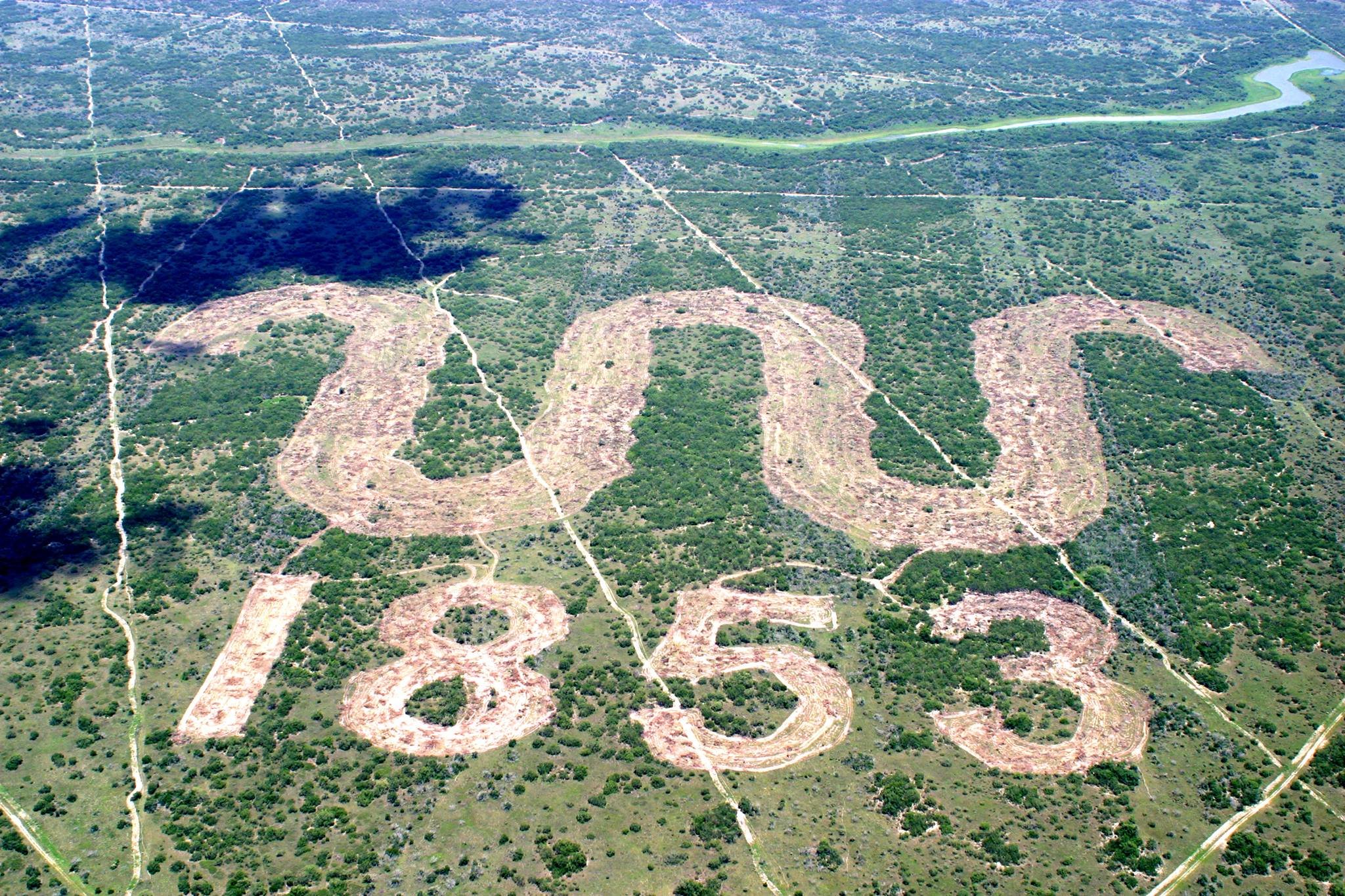
The King Ranch was founded in 1853 by Captain Richard King, a larger-than-life figure who began his career as a steamboat captain on the Rio Grande. King, a native of New York City, arrived in Texas in 1847 during the Mexican-American War. His keen eye for opportunity and an unwavering work ethic led him to purchase the initial 15,500 acres of what would become the King Ranch.
King quickly recognized the potential of the vast, unfenced rangeland of South Texas. He began acquiring more land, establishing a sprawling operation that initially focused on cattle drives to markets in the north. He understood the importance of resilient cattle and durable horses, laying the groundwork for the ranch’s future successes in breeding. King’s early years were characterized by tremendous challenges, including droughts, conflicts, and the immense logistical hurdles of managing such a vast enterprise in a frontier setting. Yet, his strategic acumen and ability to attract and retain loyal workers, including a group of skilled Mexican vaqueros known as the Kinenos (King’s men), were pivotal to the ranch’s survival and growth. His vision was not merely to accumulate land, but to cultivate an efficient, self-sustaining community and agricultural powerhouse.
Evolution Through Generations
Following Richard King’s death in 1885, his wife, Henrietta M. King, took over the management of the ranch. Her leadership during a challenging era for women in business was extraordinary. She expanded the ranch further, adding over a million acres, and, crucially, hired Robert J. Kleberg, a lawyer who had married her daughter, Alice. Kleberg’s legal and business acumen proved invaluable, as did his son, Robert J. Kleberg Jr., who would later transform the ranch into a modern agricultural enterprise in the 20th century.
Under Robert J. Kleberg Jr.’s guidance, the King Ranch achieved many of its most celebrated innovations. He was instrumental in developing the Santa Gertrudis cattle breed, a hybrid that combined the disease resistance of Brahman cattle with the meat quality of Shorthorns. This scientific breakthrough revolutionized cattle ranching in warm climates worldwide. He also initiated extensive oil and gas exploration, developed advanced farming techniques, and established the ranch’s formidable horse breeding program. The ranch’s history is a continuous narrative of adaptation, innovation, and an unwavering commitment to quality and sustainability. Today, the King Ranch remains privately owned and operated by descendants of Richard King and Robert J. Kleberg, ensuring its legacy continues to shape the future of Texas agriculture and conservation. It serves as a living museum of American ingenuity and a testament to the enduring power of family enterprise.
The King Ranch Experience: Beyond the Horizon
For the modern traveler, the King Ranch offers far more than just impressive statistics; it provides a profound and immersive experience that connects visitors to the heart of Texas culture, history, and the natural world. It’s a destination that speaks to a certain lifestyle – one rooted in the land, tradition, and a deep respect for the environment. Tourism here is not merely sightseeing; it’s an educational journey into a working ranch and a commitment to preserving a unique heritage.
Wildlife, Conservation, and Natural Beauty
Despite being a working ranch, a significant portion of the King Ranch’s land is dedicated to wildlife habitat and conservation. The diverse ecosystems found across its vast acreage, from coastal prairies to thorny brushlands, support an astonishing variety of flora and fauna. It’s a critical stopover point for migratory birds along the Central Flyway, making it a premier birding destination.
Visitors might spot numerous species, including white-tailed deer, javelinas, wild turkeys, and a myriad of bird species. The ranch actively manages its lands to promote healthy wildlife populations, understanding that a thriving ecosystem is fundamental to its long-term sustainability. Conservation efforts include habitat restoration, water management, and responsible hunting programs. This dedication to ecological stewardship provides a fascinating dimension to the King Ranch experience, showcasing how large-scale agriculture can coexist with and even enhance natural environments. For nature enthusiasts, it offers unparalleled opportunities for observation and appreciation of Texas’s natural heritage.
A Cattle Empire and Agricultural Innovation
The heart of the King Ranch continues to beat with the rhythms of cattle ranching. Home to tens of thousands of cattle, it remains a formidable force in the beef industry. The ranch’s pioneering work in developing the Santa Gertrudis breed in the early 20th century highlights its ongoing commitment to agricultural science and efficiency. This breed, known for its disease resistance, heat tolerance, and excellent beef quality, is a testament to the ranch’s dedication to improving cattle genetics for challenging climates.
Beyond cattle, the King Ranch is also a significant player in horse breeding, particularly its world-renowned Quarter Horse program. The lineage of its horses traces back to Old Sorrel, a foundation sire whose descendants have excelled in various equestrian disciplines. Visitors interested in the practicalities of ranch life can gain insights into these vast operations, understanding the intricate balance of traditional methods and cutting-edge technology required to manage such a large and diverse agricultural enterprise. This provides a deep dive into the real-world application of ranching as a lifestyle and a business.
Exploring the Ranch: Tours and Experiences
While much of the King Ranch remains a private working entity, it does offer a range of guided tours that allow the public to explore selected areas and learn about its history, operations, and natural beauty. These tours are carefully curated to provide an authentic and educational experience without disrupting the daily workings of the ranch.
Options typically include:
- Historical Tours: Focusing on the homestead, the main house, and other historical buildings, delving into the lives of Richard King and his successors.
- Nature and Wildlife Tours: Guided excursions into the diverse habitats to observe birds and other wildlife, often led by experienced naturalists.
- Specialty Tours: Seasonal or themed tours that might focus on specific agricultural operations, equestrian activities, or unique ecological features.
These experiences are more than just rides; they are educational journeys providing insight into the challenges and triumphs of managing an estate of this magnitude. They are essential for anyone wanting to grasp the true essence of the King Ranch – its living history, its commitment to conservation, and its dynamic role in modern agriculture. This approach to tourism ensures that the ranch’s integrity is maintained while offering invaluable insights to visitors.
Planning Your Visit to this Texas Icon
Visiting the King Ranch is an opportunity to step back in time while observing cutting-edge agricultural practices and conservation efforts. It requires some planning, as it’s a working ranch, not a typical tourist park. However, for those seeking an authentic Texas experience, it’s an unforgettable destination that perfectly aligns with themes of travel, landmarks, and unique lifestyle experiences.
Proximity to Corpus Christi and Other Attractions
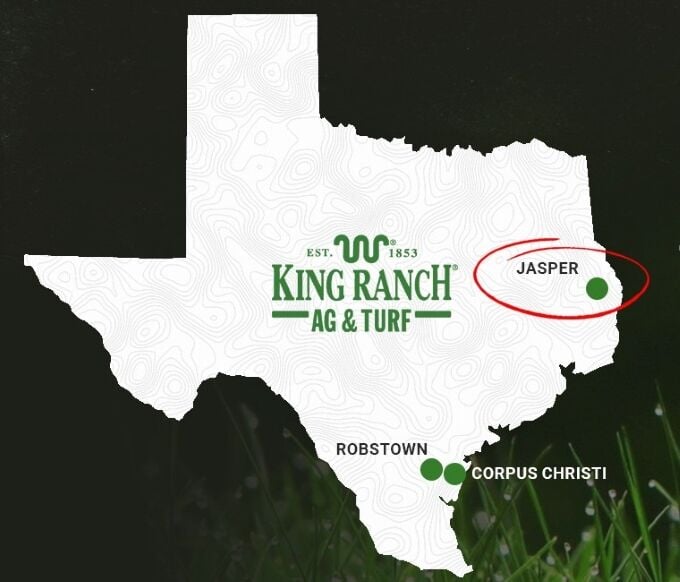
The King Ranch is headquartered near the city of Kingsville, Texas, approximately 40 miles southwest of Corpus Christi. This makes it a convenient day trip or an integral part of a larger South Texas itinerary. Corpus Christi itself offers various accommodations, from luxurious resorts to budget-friendly hotels, as well as other attractions like the USS Lexington Museum and the Texas State Aquarium.
Visitors can easily combine a beach vacation with an inland ranch adventure, creating a diverse and memorable travel experience. While Kingsville offers some local charming accommodation options and dining, Corpus Christi provides a wider range of choices, allowing travelers to tailor their stay to their preferences and budget. This strategic location enhances the appeal of the King Ranch as a accessible major landmark in the region.
What to Expect from a Ranch Tour
Tours of the King Ranch typically depart from the Visitor Center in Kingsville. It’s highly recommended to book tours in advance, especially during peak seasons. Visitors should wear comfortable clothing and shoes, as well as bring sun protection, as much of the experience is outdoors. Photography is generally encouraged, but always check specific guidelines during the tour.
The tours offer an intimate look into the ranch’s operations, its historical significance, and its ecological diversity. Expect to see working cowboys, vast herds of cattle and horses, and the sprawling landscapes that define the King Ranch. Knowledgeable guides provide engaging commentary, sharing anecdotes and historical facts that bring the ranch’s story to life. It’s an experience that appeals to history buffs, nature lovers, agricultural enthusiasts, and anyone seeking a truly unique insight into the rugged grandeur of Texas and the enduring spirit of the American ranching lifestyle.
In conclusion, the King Ranch is far more than just a large property; it is a sprawling landmark of immense historical, economic, and ecological significance. Its staggering size of 825,000 acres makes it a true Texas icon, a place where history is still being made, and where the spirit of the frontier endures. For those interested in travel, tourism, and understanding the heart of the Lone Star State, a visit to the King Ranch offers an unparalleled and unforgettable experience. It’s a testament to vision, resilience, and the sheer scale of ambition that has shaped Texas into the remarkable place it is today.
LifeOutOfTheBox is a participant in the Amazon Services LLC Associates Program, an affiliate advertising program designed to provide a means for sites to earn advertising fees by advertising and linking to Amazon.com. Amazon, the Amazon logo, AmazonSupply, and the AmazonSupply logo are trademarks of Amazon.com, Inc. or its affiliates. As an Amazon Associate we earn affiliate commissions from qualifying purchases.