
The question “How big is the state of Alaska?” is more than a simple geographical query; it’s an invitation to contemplate a land of staggering proportions, wild beauty, and unparalleled adventure. Alaska, often referred to as “America’s Last Frontier,” isn’t just big; it’s a colossal expanse that redefines our understanding of scale, distance, and the very concept of wilderness. For travelers, this immense size dictates everything from trip planning and modes of transportation to the types of experiences available, the nature of its accommodations, and the lifestyle of exploration it fosters. Understanding Alaska’s sheer magnitude is the first step toward appreciating its profound impact on tourism, culture, and the spirit of discovery.
The Unfathomable Scale: Alaska’s Geographic Grandeur
To truly grasp the immensity of Alaska, one must move beyond mere numbers and consider the practical implications of such vastness. It’s a state that sprawls across multiple climatic zones, boasts an incredible array of ecosystems, and harbors natural wonders that are often best described as limitless. This geographic grandeur is not just a statistic; it’s the canvas upon which every Alaskan journey is painted.
The Numbers Don’t Lie: A Statistical Overview
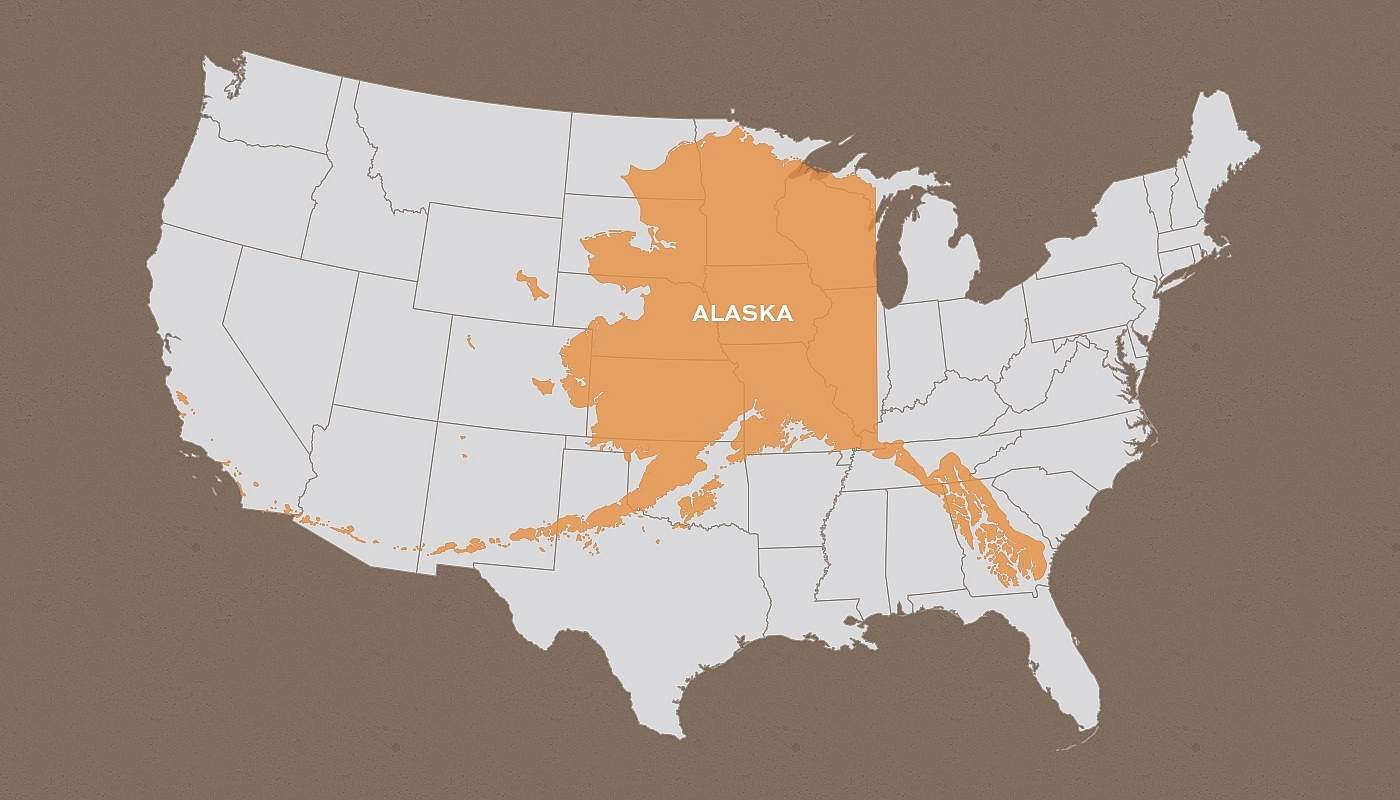
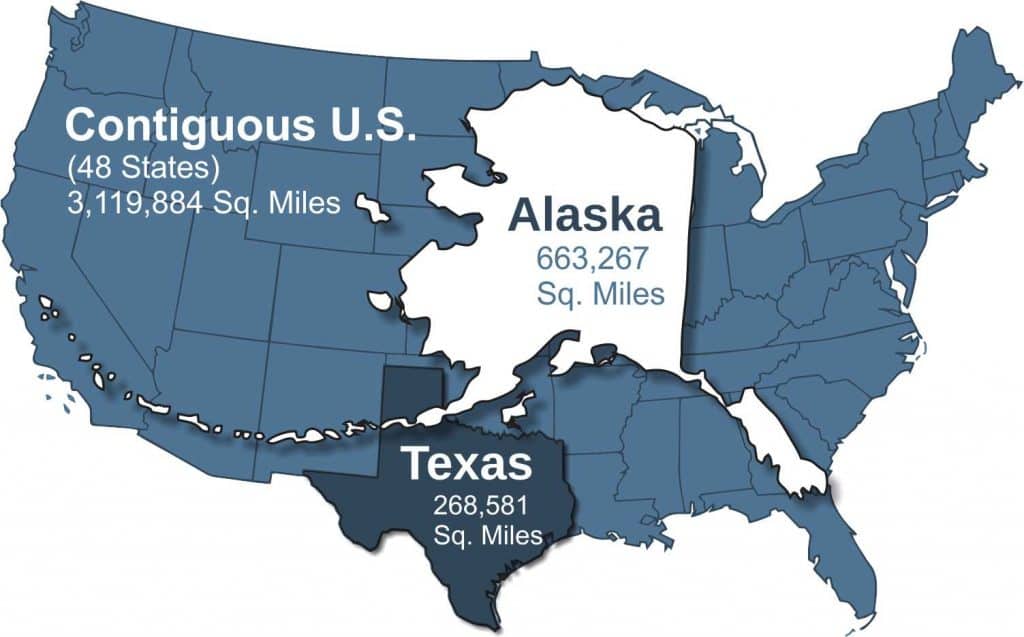
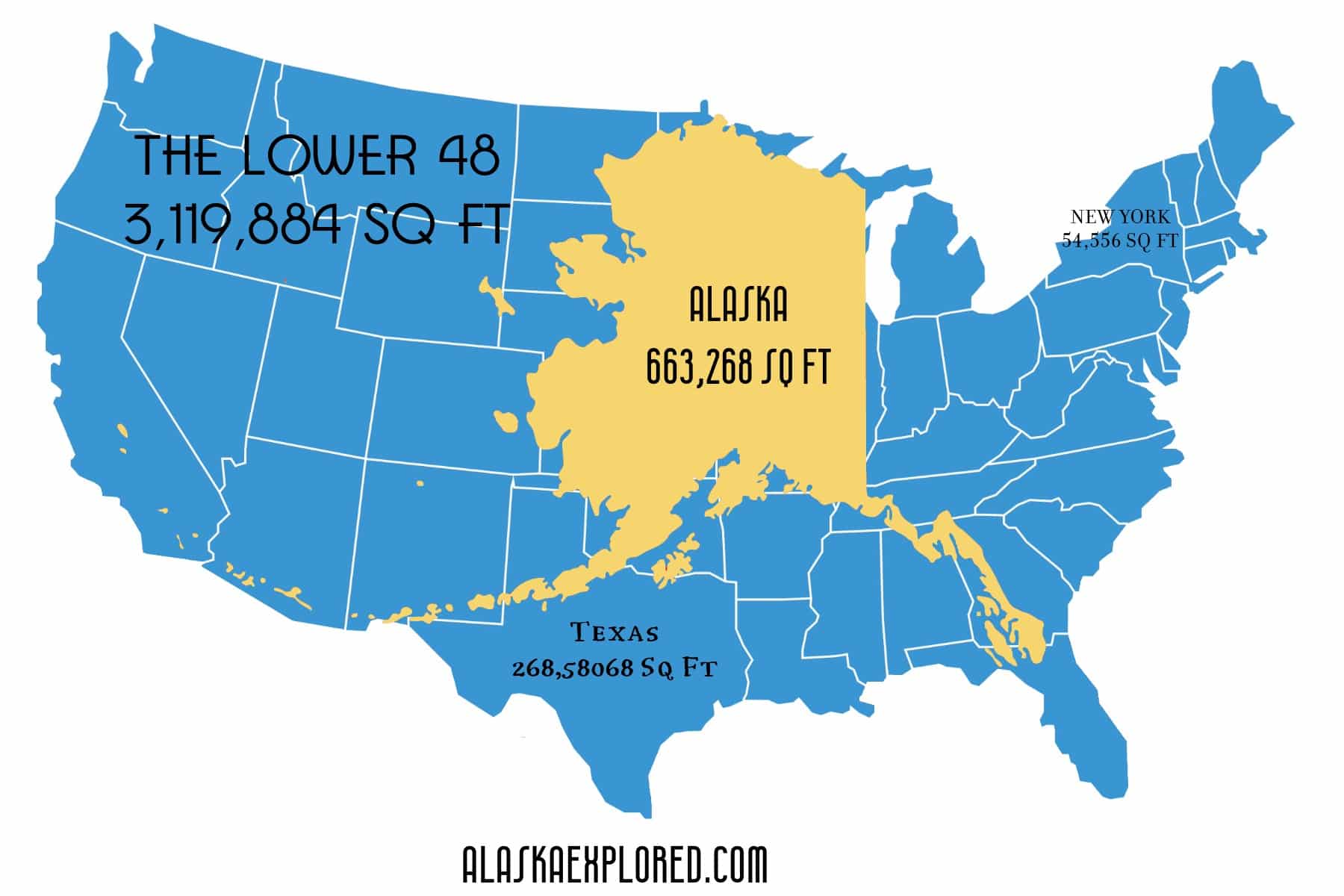
Let’s begin with the undeniable facts. Alaska is, without a doubt, the largest state in the United States by a significant margin. Covering an astonishing 665,384 square miles (1,723,337 square kilometers), it is more than twice the size of Texas, the second-largest state. To put this into perspective, if you were to combine Texas, California, and Montana, their combined area would still be less than that of Alaska. It’s so vast that if overlaid onto the contiguous United States, Alaska would stretch from California to Florida, covering much of the southern border.
Its coastline alone extends for over 33,904 miles, which is longer than all the coastlines of the other 49 U.S. states combined. This includes countless islands, fjords, and inlets, making maritime travel a crucial aspect of exploring many regions, particularly the famous Inside Passage. The sheer volume of land means that much of Alaska remains untouched, a pristine wilderness that invites intrepid travelers to venture off the beaten path. This expansive, wild nature is a primary draw for tourism, offering experiences unavailable anywhere else in the United States.
Geographical Diversity: From Tundra to Rainforest
The scale of Alaska is matched only by its incredible geographical diversity. It’s a land of extremes, where landscapes shift dramatically across thousands of miles. To the north, vast expanses of arctic tundra characterize the North Slope, stretching towards the Arctic Ocean and home to the Brooks Range. Here, the frozen ground and unique flora and fauna offer a glimpse into a truly remote wilderness, experienced by only a handful of adventurous travelers.
Moving south, the interior is dominated by immense boreal forests, vast river systems like the Yukon River, and the towering peaks of the Alaska Range, which includes Mount Denali (formerly Mount McKinley), the highest peak in North America. This central region, with cities like Fairbanks, offers different types of adventure, from dog sledding and aurora borealis viewing in winter to hiking and fishing in summer.
Further south, along the Gulf of Alaska, lies a temperate rainforest, similar to those found in the Pacific Northwest. This southeastern region, known as the Inside Passage, is characterized by verdant islands, dramatic fjords, and abundant marine life. Cities like Juneau, Ketchikan, and Sitka are nestled among these breathtaking landscapes, accessible primarily by sea or air.
To the west, the volcanic Aleutian Islands stretch thousands of miles into the Bering Sea, a rugged and wild environment often shrouded in mist. And off its southern coast lies Kodiak Island, famous for its giant brown bears. This incredible geographic diversity means that a trip to Alaska can involve multiple distinct types of experiences, each requiring careful planning due to the vast distances between them. A traveler might begin their journey spotting whales in the Inside Passage and end it viewing caribou herds migrating across the tundra, all within the same state, yet separated by hundreds or thousands of miles.
Navigating the Vastness: Travel and Exploration in America’s Last Frontier
The sheer size of Alaska profoundly shapes how travelers approach and experience the state. Unlike smaller destinations where a single mode of transport might suffice, exploring Alaska often requires a multi-modal approach, weaving together flights, cruises, rail journeys, and road trips. This inherent challenge, however, is precisely what makes Alaskan travel so rewarding and unique.
Planning Your Alaskan Adventure: Logistical Considerations
Given the immense distances, effective trip planning is paramount. Simply driving across the state, while theoretically possible for some regions, is often impractical or impossible for many popular destinations. Many of Alaska’s most iconic attractions, such as Glacier Bay National Park and Preserve or remote wilderness lodges, are only accessible by small plane or boat. This means that air travel, particularly via bush planes, is not just a convenience but a necessity for accessing many remote areas and offering breathtaking aerial perspectives of the landscape.
For those venturing into the popular south-central region, which includes Anchorage, Seward, and Valdez, a combination of rental cars and scenic drives on well-maintained highways can unlock many treasures. The Alaska Railroad offers another iconic way to travel, connecting key cities and offering unparalleled views of mountains, rivers, and wildlife. Meanwhile, cruises remain an incredibly popular way to experience the coastal beauty of the Inside Passage and the Gulf of Alaska, providing access to charming towns like Skagway and majestic natural wonders like the Mendenhall Glacier.
The time required to explore Alaska is also directly proportional to its size. A quick weekend getaway might only scratch the surface of a single region, while a comprehensive exploration could easily span several weeks. Travelers must consider that travel days between major attractions can be long, whether by air, road, or sea, and build flexibility into their itineraries. Understanding these logistical challenges early in the planning process allows travelers to maximize their time and truly immerse themselves in the Alaskan experience.
Iconic Destinations and Natural Wonders
Within this vast landscape lie some of the world’s most impressive natural landmarks and tourist attractions. Alaska’s size ensures that there’s an endless array of wilderness to explore, much of it protected within its numerous national parks and preserves.
Denali National Park and Preserve, home to Mount Denali, is perhaps the most famous, covering over 6 million acres. Its vastness means that wildlife encounters are frequent, and the sheer scale of the landscape is humbling. Visitors often take bus tours deep into the park to witness grizzly bears, caribou, moose, and wolves in their natural habitat, with the towering peak as a constant backdrop.
Glacier Bay National Park and Preserve, another jewel, encompasses over 3.2 million acres and is a prime example of Alaska’s pristine coastal environments. It is best explored by boat, allowing visitors to witness tidewater glaciers calving massive chunks of ice into the sea, an unforgettable spectacle of raw power and beauty. Marine life, including whales and seals, thrives in these icy waters.
The immense Wrangell-St. Elias National Park and Preserve, at 13.2 million acres, is the largest national park in the United States and larger than Switzerland. It boasts nine of the 16 highest peaks in the United States and offers opportunities for mountaineering, river rafting, and remote backcountry exploration. Its size guarantees a true wilderness experience, where human presence feels truly minuscule against the backdrop of towering mountains and expansive ice fields.
Other notable attractions, each significant in their own right and contributing to the state’s vast appeal, include Kenai Fjords National Park with its dramatic icefields and marine wildlife, and the sprawling Katmai National Park and Preserve, famous for its brown bear viewing at Brooks Falls. The distant Gates of the Arctic National Park and Preserve, entirely north of the Arctic Circle with no roads or trails, is the ultimate testament to Alaska’s untouched enormity, catering to only the most experienced and self-sufficient adventurers. These destinations, spread across an area larger than many countries, underscore the scale and diversity of Alaskan travel.
Accommodation and Lifestyle: Finding Your Home Away From Home in the Wild
The vastness of Alaska doesn’t just influence how you travel; it also dictates the type of accommodation available and the specific travel lifestyles it caters to. From bustling city hotels to remote wilderness lodges accessible only by plane, the range of options is as diverse as the landscape itself, each offering a unique way to experience America’s largest state.
From Wilderness Lodges to Urban Comforts: Diverse Accommodation Options
In major cities like Anchorage and Fairbanks, travelers will find a selection of modern hotels, including well-known international chains and boutique options that offer all the expected amenities. These serve as convenient bases for exploring nearby attractions, preparing for more remote adventures, or enjoying urban comforts before heading into the wild. For example, Anchorage offers a range of hotels from budget-friendly options to more luxurious establishments, providing a comfortable starting point for many Alaska itineraries. Similarly, Juneau, the capital, and popular cruise ship ports like Ketchikan and Skagway also feature hotels and bed & breakfasts that cater to a steady stream of visitors.
However, it’s outside these urban centers that Alaska’s accommodation truly reflects its wild character. The state is renowned for its remote wilderness lodges, which are often destination experiences in themselves. These lodges, frequently located deep within national parks or secluded areas like Prince William Sound or near Katmai National Park and Preserve, provide comfortable, sometimes luxurious, stays amidst incredible natural beauty. Access to these lodges is typically by small aircraft (floatplane or bush plane) or boat, making the journey an integral part of the adventure. They offer all-inclusive packages that often include guided excursions like bear viewing, fishing, hiking, and wildlife photography, emphasizing immersion in nature without sacrificing comfort.
Beyond lodges, travelers can find a variety of other unique accommodations: cozy cabins nestled in forests, rustic remote campsites for the ultimate outdoor experience, charming B&Bs in smaller towns, and even glamping options that combine outdoor living with upscale amenities. Along the Inside Passage, cruise ships themselves serve as floating hotels, providing seamless accommodation and transportation between different port towns and natural sights. The vastness means that booking well in advance, especially for popular lodges and during peak season, is crucial, as availability can be limited in remote areas.
Tailoring Your Alaskan Experience: Luxury, Adventure, and Family Travel
Alaska’s size and diverse offerings make it suitable for a wide range of travel lifestyles.
For the luxury traveler, Alaska presents opportunities for bespoke experiences. This could involve staying at high-end wilderness lodges with gourmet dining and private guides, embarking on small-ship luxury cruises, or chartering private planes for exclusive access to remote fishing or hunting grounds. The emphasis is on comfort, personalized service, and unparalleled access to pristine environments, without the crowds. Imagine helicopter tours to land on remote glaciers or staying in a lodge overlooking a salmon-filled river, all while enjoying five-star amenities.
The adventure traveler finds Alaska to be a true paradise. Its immense landscape offers endless possibilities for outdoor pursuits. This includes multi-day backcountry hiking and camping in Denali or Wrangell-St. Elias National Park, kayaking through fjords in Kenai Fjords National Park, ice climbing on glaciers, whitewater rafting on wild rivers, or even expedition cruises to the Arctic Circle. The state’s size ensures that there are always new frontiers to explore and challenges to conquer, making it an ideal destination for those seeking a true adrenaline rush and a deep connection with untamed nature.
Family trips to Alaska are also incredibly popular, offering educational and awe-inspiring experiences for all ages. Families can enjoy wildlife cruises to spot whales and puffins, explore museums and cultural centers in cities like Anchorage (such as the Alaska Native Heritage Center), or embark on manageable day hikes with stunning views. Many lodges and tour operators cater specifically to families, offering activities designed for children and ensuring a safe yet exciting adventure. The vastness means that even popular family destinations can feel uncrowded, allowing for a more intimate experience with nature. Whether it’s panning for gold in Fairbanks or witnessing a bear catching salmon at Brooks Falls, Alaska offers moments that create lasting family memories.
The Economic and Cultural Impact of Alaska’s Size on Tourism
Alaska’s immense size is not merely a geographical marvel; it’s a foundational element that shapes its economy, influences its unique culture, and presents both opportunities and challenges for the tourism industry. The vast distances and remote nature of many communities mean that tourism development must be approached with sensitivity, ensuring that growth benefits local populations while preserving the very wilderness that draws visitors in the first place.
Sustaining Local Culture and Communities
The dispersed nature of Alaskan settlements, often separated by hundreds of miles of wilderness, means that each town and village has developed its own distinct character, deeply rooted in its environment and history. From the Russian heritage evident in Sitka to the Gold Rush history of Skagway and the Tlingit culture preserved in Ketchikan, the cultural experiences are as varied as the landscapes. Alaska Native cultures, with their rich traditions of art, storytelling, and subsistence living, are particularly vital. Tourism plays a crucial role in sustaining these local cultures by providing economic opportunities and platforms for sharing traditions with visitors. Places like the Alaska Native Heritage Center in Anchorage are dedicated to preserving and celebrating these diverse indigenous groups.
The sheer size of the state means that local food and activities often vary by region. In coastal towns, fresh seafood—especially salmon, halibut, and crab—is a staple, and fishing charters are a popular activity. In the interior, hearty fare and activities like dog sledding or aurora viewing dominate. The vastness also means that local handicrafts and artisan goods, from intricate carvings to hand-stitched garments, reflect the unique resources and traditions of their specific locale. For travelers, engaging with these local cultures and communities, often accessible via smaller, local airlines or ferries connecting scattered towns, enriches their overall experience and directly contributes to the sustainability of these isolated populations.
The Future of Alaskan Tourism: Balancing Growth with Preservation
The allure of Alaska’s size and pristine wilderness attracts an ever-growing number of tourists each year. This growth, while economically beneficial, presents a delicate balancing act for the state. The challenge lies in developing tourism infrastructure and increasing visitor numbers without compromising the very natural beauty and ecological integrity that make Alaska so special.
Sustainable tourism practices are becoming increasingly important. Efforts are focused on managing visitor impacts in sensitive areas, promoting eco-friendly accommodations and tours, and educating travelers about responsible wilderness etiquette. The vastness of Alaska provides a natural buffer against overcrowding in many areas, but popular hotspots like Denali and Glacier Bay require careful management to maintain their pristine condition.
Future developments in Alaskan tourism are likely to focus on enhancing accessibility to lesser-known regions through improved air links and small-ship expeditions, diversifying activities beyond traditional cruises, and continuing to integrate Alaska Native cultural experiences. The goal is to ensure that while Alaska continues to welcome the world, its monumental size and untouched character remain its most compelling and enduring legacy, preserved for generations of travelers to come.
In conclusion, the question of “How big is the state of Alaska?” transcends a simple numerical answer. Its immense geographical scale defines its identity, shapes its tourism industry, dictates travel logistics, influences accommodation types, and provides a backdrop for an extraordinary range of travel lifestyles. Alaska’s vastness is not just a feature; it’s the very essence of its wild, untamed spirit, offering a profound journey into one of the last truly grand wildernesses on Earth.
LifeOutOfTheBox is a participant in the Amazon Services LLC Associates Program, an affiliate advertising program designed to provide a means for sites to earn advertising fees by advertising and linking to Amazon.com. Amazon, the Amazon logo, AmazonSupply, and the AmazonSupply logo are trademarks of Amazon.com, Inc. or its affiliates. As an Amazon Associate we earn affiliate commissions from qualifying purchases.