
For many aspiring cat owners, the allure of the Maine Coon lies not just in their striking looks and friendly demeanor, but significantly in their impressive size. Often referred to as “gentle giants” of the feline world, these magnificent creatures capture the imagination with their robust build, luxurious shaggy coats, and bushy tails. But just how big do these famous cats truly get? Understanding the typical dimensions of a Maine Coon is crucial for prospective owners, especially those with diverse living arrangements, perhaps accustomed to varying accommodations during their travels or those contemplating a long-term stay in different destinations. Their substantial presence isn’t just a visual statement; it dictates everything from their dietary needs to the amount of space they require to thrive comfortably, whether in a cozy city apartment or a spacious country villa.

The Majestic Stature of the Maine Coon
The Maine Coon is one of the largest domesticated cat breeds, a fact that often surprises those encountering one for the first time. Originating from Maine in the United States, these cats evolved to endure harsh winters, developing a hardy constitution and a thick, water-repellent coat. Their physical attributes are a testament to their rugged heritage, making them appear even more imposing.
Average Size and Weight Expectations
When asking “how big will a Maine Coon cat get?”, it’s important to consider ranges, as individual cats can vary. Generally, adult male Maine Coons are larger than females.
-
Weight:
- Males: Typically weigh between 13 to 18 pounds (5.9 to 8.2 kg), though some can easily reach 20 pounds (9.1 kg) or more. Cases of exceptionally large males pushing 25-30 pounds (11.3-13.6 kg) exist, though these are less common and careful consideration should be given to ensure such weight is healthy and not due to obesity.
- Females: Usually range from 8 to 12 pounds (3.6 to 5.4 kg), with some reaching up to 15 pounds (6.8 kg).
For context, a typical domestic cat weighs around 8-10 pounds, highlighting the Maine Coon’s significant difference.
-
Length: From the tip of their nose to the end of their famous bushy tail, Maine Coons can measure an impressive 30 to 40 inches (76 to 102 cm) or more. Imagine stretching a measuring tape across a small hotel room – their length can be quite a span! Their tails alone can contribute significantly to this length, often reaching 14 to 16 inches, resembling the feathery plume of a luxury hotel suite’s decor.
-
Height: Standing around 10 to 16 inches (25 to 41 cm) tall at the shoulder, a Maine Coon can easily look over the edge of a standard coffee table. Their substantial frame is often compared to a small bobcat, exuding a wild, yet profoundly gentle, aura. This impressive vertical presence is something to consider if you’re selecting cat furniture or determining the feasibility of certain amenities in your home.
The Growth Journey: When Do They Reach Full Size?
Unlike many other cat breeds that reach their full physical maturity by one year of age, Maine Coons take their time. Their growth period is notably extended, typically taking anywhere from three to five years to achieve their full size and weight. This prolonged development means that a seemingly large kitten will continue to fill out and mature for several years, gradually developing their impressive musculature and magnificent coat. For those who enjoy the lifestyle of witnessing gradual, majestic development, this breed offers a truly rewarding journey. This extended growth phase also underscores the importance of consistent, high-quality nutrition throughout their formative years, much like a traveler planning a multi-year itinerary to fully experience a country like Italy or Japan.
Factors Influencing a Maine Coon’s Grandeur
While the general size ranges provide a good benchmark, several critical factors play a role in determining how big an individual Maine Coon will ultimately become. Understanding these elements can help prospective owners anticipate their pet’s future size and ensure they provide the best possible environment for healthy development.
Genetics and Lineage: A Blueprint for Size
At the core of a Maine Coon’s eventual size is its genetic blueprint. The size of the kitten’s parents and grandparents is often a strong indicator of its potential adult stature. Reputable breeders can provide insights into the lineage and average size of their breeding cats, offering a more accurate expectation for a kitten’s adult dimensions. Choosing a kitten from a line known for healthy, well-sized individuals is paramount. This genetic predisposition is much like the architectural heritage of a grand landmark in Paris or Rome – the blueprint largely determines the final structure and presence. While environmental factors can influence the outcome, the genetic foundation sets the ultimate limits.
Nutrition and Care: Fueling Healthy Development
Beyond genetics, proper nutrition and care are absolutely vital for a Maine Coon to reach its full, healthy potential. A high-quality diet, rich in protein and essential nutrients, is crucial throughout their prolonged growth period. Poor nutrition, especially during their kitten and adolescent stages, can stunt their growth and lead to health issues, regardless of their genetic potential.
- Diet: Invest in premium cat food formulated for large breeds or with high protein content. Given their size, Maine Coons generally consume more food than an average cat, which can be a consideration for a budget-conscious lifestyle. Providing ample fresh water is also essential for their overall health and kidney function.
- Exercise: Despite their size, Maine Coons are agile and playful. Regular exercise helps maintain a healthy weight and strong musculature. Engaging them with interactive toys, climbing structures, and dedicated playtime is crucial. An active lifestyle for your Maine Coon can be as invigorating as a brisk walk through a bustling city like Tokyo or a scenic hike in a national park.
- Veterinary Care: Routine veterinary check-ups are important to monitor their growth and address any potential health concerns early. Responsible pet ownership ensures that these majestic creatures not only grow large but also grow strong and healthy, minimizing risks like obesity which can plague large breeds if not managed properly.
Beyond Dimensions: Personality and Lifestyle Integration
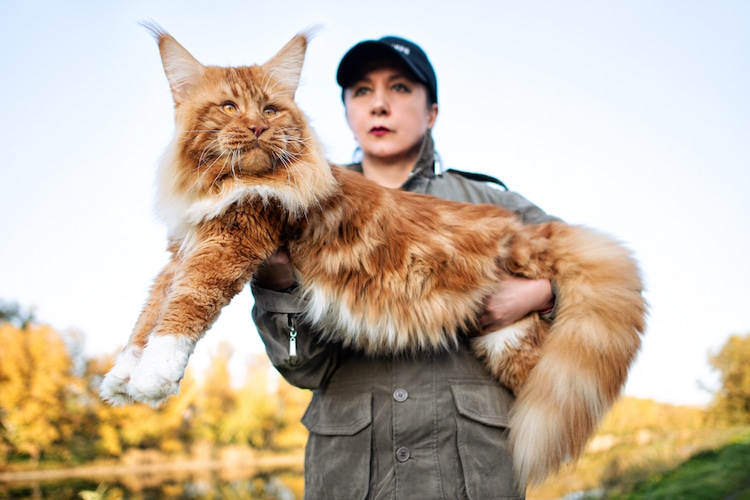
While their size is undeniably a defining characteristic, a Maine Coon’s personality is equally grand. These intelligent, affectionate, and often goofy cats are much more than just their impressive measurements; they are integral family members who adapt remarkably well to various lifestyles and accommodations, with a bit of planning.
The Gentle Giant Temperament
Despite their imposing appearance, Maine Coons are renowned for their gentle and amiable temperament. They are often described as “dog-like” in their loyalty and playful nature, often following their owners from room to room. Their patient and tolerant disposition makes them excellent companions for families with children and other pets. They are intelligent and easily trainable, often enjoying games of fetch and even walking on a leash, making them a unique companion for owners who lead an active lifestyle. This adaptability and calm demeanor can make a Maine Coon a perfect fit for a family seeking a pet that integrates seamlessly into a family trip or long-term stay scenario, provided the logistics are managed. They possess a quiet confidence, much like the timeless elegance of a Waldorf Astoria property.
Maine Coons in Diverse Living Spaces: From City Apartments to Country Villas
One might assume that a cat of such considerable size would require a sprawling estate, but Maine Coons can adapt surprisingly well to various living environments.
- Apartment Living: While a sprawling villa or house with a large yard is ideal, a Maine Coon can thrive in an apartment if provided with ample vertical space (tall cat trees, shelves), interactive playtime, and mental stimulation. The key is to optimize the available footprint and ensure they have climbing opportunities and scratching posts. Think of it as creatively designing a compact but luxurious hotel suite to maximize comfort and utility.
- Houses with Yards: A house with a secure outdoor enclosure or a cat-proofed yard offers the best of both worlds, allowing them to explore safely. Their thick coats are well-suited to cooler climates, but they should always have access to indoor shelter.
- Pet-Friendly Accommodations: For those who incorporate their pets into their travel plans, finding pet-friendly hotels and resorts that accommodate large breeds like the Maine Coon is a crucial aspect of accommodation planning. Many luxury properties, from a Ritz-Carlton to a Four Seasons, now offer exceptional pet amenities, but size and weight restrictions are common, requiring advance inquiry.
Regardless of the type of dwelling, the emphasis should always be on providing an enriching environment that caters to their physical and mental needs, transforming any space into a comfortable “home away from home” for your large feline friend.
Living Large: Practicalities for the Maine Coon Owner
Owning a Maine Coon comes with certain practical considerations directly related to their size. From ensuring their long-term health to managing their presence during travels or extended stays, understanding these aspects is key to a harmonious relationship.
Health Considerations for a Big Cat
While generally robust, Maine Coons are predisposed to certain health conditions that owners should be aware of, especially given their large size:
- Hip Dysplasia: More common in large dog breeds, hip dysplasia can also affect Maine Coons, particularly due to their substantial weight and bone structure. Responsible breeders screen for this condition.
- Hypertrophic Cardiomyopathy (HCM): This is the most common heart disease in cats, and Maine Coons have a genetic predisposition to it. Regular vet check-ups, including cardiac screenings, are recommended.
- Spinal Muscular Atrophy (SMA): Another genetic condition that affects the muscles, leading to muscle weakness and atrophy. Reputable breeders typically test for this condition.
Due to their longer growth period, maintaining a healthy weight is paramount to prevent strain on their developing joints. This requires careful dietary management and ensuring they get enough exercise to burn calories, just like a traveler maintains their fitness for adventurous trips to destinations like Machu Picchu or the Great Wall of China. Regular veterinary care from a practitioner experienced with large breeds is highly advisable.
Traveling and Long-Term Stays with a Maine Coon
For those with a lifestyle that involves frequent travel or long-term stays in different accommodations, a Maine Coon’s size presents unique challenges and considerations.
- Pet Carriers: Standard cat carriers are often too small. You’ll need an extra-large, sturdy carrier, typically one designed for small dogs, that provides enough space for them to stand, turn around, and lie down comfortably. This can be a significant piece of luggage to manage, akin to bringing oversized sports equipment on a business trip.
- Air Travel: Many airlines have strict size and weight limits for pets traveling in the cabin. A Maine Coon will almost always exceed these limits, meaning they would have to travel as cargo. This decision comes with its own set of risks and regulations, requiring careful research and preparation, especially for international travel to countries like Australia or Canada.
- Road Trips: While more feasible, ensuring comfort for a large cat on long car journeys means planning frequent stops, providing access to water and a litter box, and using a secure, spacious carrier.
- Pet-Friendly Accommodations: As mentioned, pre-booking pet-friendly hotels or apartments that explicitly allow large cats is crucial. Many properties, even those that are “pet-friendly,” have weight restrictions. Researching options like villas or apartments through services catering to long-term stays often yields better results. Websites focused on accommodation reviews or comparison tools for pet owners can be invaluable.
- Pet-Sitting Services: If traveling without your Maine Coon, finding a pet sitter or a boarding facility that can comfortably accommodate a large cat is essential. Some luxury resorts offer specialized pet care, but ensure they are equipped for a cat of this size and temperament.
Ultimately, integrating a Maine Coon into a travel-oriented lifestyle requires meticulous planning, a commitment to their comfort, and often a willingness to be flexible with destinations and accommodation choices.
Embracing the Maine Coon Lifestyle
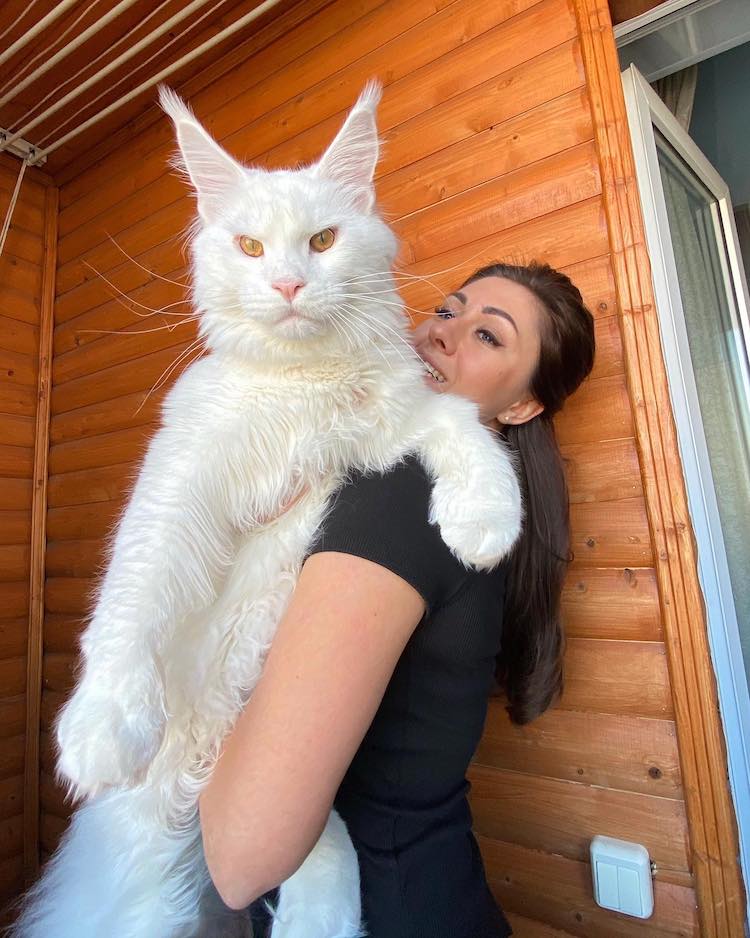
The Maine Coon’s impressive size is undoubtedly one of its most captivating attributes, making them stand out in the feline world as much as a Burj Khalifa stands out in the Dubai skyline or the Eiffel Tower dominates the Paris horizon. They are substantial cats, with males frequently reaching 13-18 pounds and lengths exceeding 3 feet, and taking up to five years to fully mature. This grandeur, however, comes hand-in-hand with a truly affectionate, intelligent, and adaptable personality, earning them the moniker “gentle giants.”
Owning a Maine Coon is more than just having a large cat; it’s about embracing a lifestyle that appreciates their majestic presence, caters to their specific needs for space and nutrition, and cherishes their loving companionship. Whether you reside in a compact city apartment or a spacious villa, or if your lifestyle takes you on numerous travel adventures, a Maine Coon can integrate beautifully into your life with thoughtful planning and dedication. Their robust nature and gentle spirit make them exceptional pets, providing years of joy, laughter, and a truly grand feline presence in your home, wherever in the world that may be.
LifeOutOfTheBox is a participant in the Amazon Services LLC Associates Program, an affiliate advertising program designed to provide a means for sites to earn advertising fees by advertising and linking to Amazon.com. Amazon, the Amazon logo, AmazonSupply, and the AmazonSupply logo are trademarks of Amazon.com, Inc. or its affiliates. As an Amazon Associate we earn affiliate commissions from qualifying purchases.