
Navigating the vast expanse of Texas can be an exhilarating experience, whether you’re embarking on a cross-state road trip or simply commuting within one of its bustling metropolitan areas. The state boasts an intricate network of toll roads, designed to facilitate smoother and often faster travel. To make the most of these convenient routes and avoid potential delays or unexpected fees, obtaining a Texas toll tag is an essential step for any frequent traveler or resident. This guide will walk you through the process of acquiring and utilizing these indispensable travel companions.

Understanding Texas Toll Tag Options
Texas utilizes several tolling authorities, and while the concept of an electronic toll tag is universal, the specific providers and their coverage areas can vary. Understanding these distinctions is crucial for selecting the tag that best suits your travel patterns.
The Major Players: TollTag, EZ TAG, and TxTAG
The primary toll tag programs in Texas are administered by three main entities:
- TollTag: Issued by the North Texas Tollway Authority (NTTA), the TollTag is primarily used in the Dallas-Fort Worth metroplex. It offers convenience on numerous toll roads throughout that region.
- EZ TAG: Provided by the Harris County Toll Road Authority (HCTRA) in the Houston metropolitan area, the EZ TAG is your gateway to navigating Houston’s extensive toll system.
- TxTAG: This program is managed by the Texas Department of Transportation (TxDOT) and is widely accepted across the state, including on many tolled roads not covered by the NTTA or HCTRA. It’s particularly useful for inter-city travel or if you find yourself traversing various parts of Texas.
It’s important to note that while these tags are managed by different authorities, there’s often reciprocity. For instance, a TollTag might be accepted on some EZ TAG roads, and vice-versa, especially if the toll road is part of a larger system. However, for seamless travel across the entire state, it’s wise to understand which tag offers the most comprehensive coverage for your intended destinations.
The Advantages of Having a Texas Toll Tag
The benefits of securing a Texas toll tag extend beyond simply paying tolls. They significantly enhance the travel experience.
- Cost Savings: Toll tag holders typically receive discounted rates compared to pay-by-mail or cash options. This can lead to substantial savings over time, especially for frequent drivers.
- Time Efficiency: Electronic tags allow you to bypass toll booths. As you pass through the toll plaza, an overhead sensor reads your tag, and the toll is automatically deducted from your account. This eliminates the need to stop and pay, saving valuable time and reducing traffic congestion.
- Convenience: No more fumbling for cash or worrying about receiving unexpected bills in the mail. Your toll usage is managed through a prepaid or post-paid account, making the process hassle-free.
- Statewide Acceptance: While each tag has a primary service area, many are now accepted across different tolling authorities within Texas, providing broad coverage for your journeys.
Acquiring Your Texas Toll Tag: Step-by-Step
The process of obtaining a Texas toll tag is generally straightforward and can be completed online, by mail, or in person. The exact steps may vary slightly depending on the provider you choose.
Eligibility and Required Information
Before you begin the application process, ensure you have the following information readily available:
- Vehicle Information: You’ll need the make, model, year, license plate number, and state of registration for each vehicle you wish to register with the toll tag.
- Personal Information: This includes your name, address, phone number, and email address.
- Payment Method: You will need a valid credit card, debit card, or bank account for setting up your prepaid or post-paid account.
- Initial Deposit/Prepaid Balance: Most providers require an initial deposit or a prepaid balance to fund your account. This amount varies by provider.
Application Methods
Here’s a breakdown of the common ways to apply for a toll tag:
1. Online Application (Recommended)
This is often the quickest and most convenient method.
- Visit the Provider’s Website: Go to the official website of your chosen toll authority (NTTA for TollTag, HCTRA for EZ TAG, or TxDOT for TxTAG).
- Navigate to the “Get a Tag” or “Sign Up” Section: Look for options to order a new transponder.
- Complete the Online Form: Fill in all the required vehicle and personal information accurately.
- Set Up Your Account: Choose between a prepaid or post-paid account. Prepaid means you fund your account in advance, and tolls are deducted. Post-paid typically links to a credit card that is automatically billed after a certain usage threshold or monthly.
- Payment and Confirmation: Provide your payment details and submit the application. You will usually receive an order confirmation and an estimated delivery time for your transponder.
2. By Mail
If you prefer a paper application, you can usually download the necessary forms from the provider’s website.
- Download and Print: Obtain the application form.
- Complete the Form: Fill it out legibly and accurately.
- Mail the Application: Send the completed form along with your payment (often a check or money order for the initial deposit) to the address provided by the toll authority.
- Processing Time: Be aware that mail applications can take longer to process than online submissions.
3. In Person
Some providers offer in-person application services, which can be helpful if you have immediate questions or prefer face-to-face assistance.
- Locate a Service Center: Check the respective provider’s website for the nearest customer service center or retail partner location.
- Bring Required Documents: Carry your vehicle information, personal details, and payment method.
- Complete Application On-Site: A representative will assist you in filling out the application and setting up your account.
Receiving and Installing Your Transponder
Once your application is approved and processed, you will receive your physical toll tag (transponder) by mail.
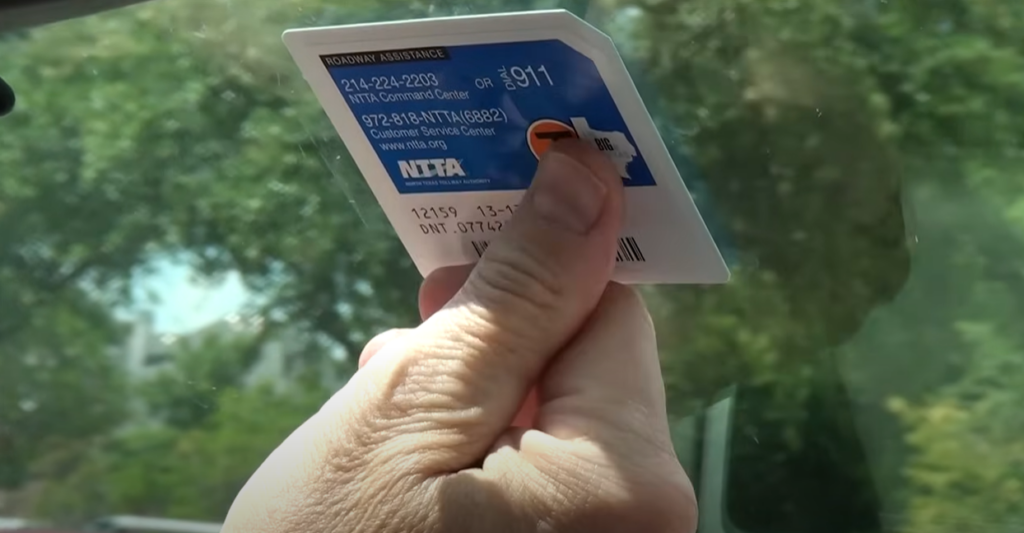
- Installation: The transponder is typically a small, rectangular device that adheres to the inside of your vehicle’s windshield, usually near the rearview mirror. Most tags come with adhesive strips. Clean the windshield area thoroughly before application for optimal adhesion.
- Activation: Some transponders may require activation online or by phone after you receive them. Follow the instructions provided with your tag.
- Multiple Vehicles: If you have multiple vehicles, you can often link them to the same account. You may need to purchase a separate transponder for each vehicle. Ensure you correctly designate which transponder belongs to which vehicle in your online account to avoid incorrect toll charges.
Managing Your Texas Toll Tag Account
Once your toll tag is installed and active, ongoing account management is key to ensuring smooth operation and avoiding issues.
Keeping Your Information Up-to-Date
It is crucial to maintain current information within your account.
- Address Changes: If you move, update your mailing address immediately to ensure you receive any important correspondence.
- Vehicle Changes: If you sell a vehicle or purchase a new one, update your account to reflect these changes. This prevents the old license plate from being associated with your tag and ensures the new vehicle is properly registered.
- Payment Method Updates: If your credit card expires or you change your bank account, update your payment information promptly to avoid service interruptions or missed payments.
Monitoring Your Usage and Balance
Regularly checking your account balance and usage is a good practice.
- Online Portal: All toll authorities provide an online portal where you can log in to view your transaction history, current balance, and make payments.
- Automatic Replenishment: If you opt for a prepaid account, you can typically set up automatic replenishment. This means your account will be refilled with a set amount when the balance drops below a certain threshold, preventing it from running out.
- Post-Paid Billing: For post-paid accounts, review your monthly statements to ensure accuracy.
Troubleshooting Common Issues
While toll tag systems are highly reliable, occasional issues can arise.
- Tag Not Reading: If you suspect your tag isn’t being read (e.g., you receive a pay-by-mail invoice for a trip you know you took on a toll road), first check that the tag is properly installed and hasn’t become dislodged. If the issue persists, contact customer service for your provider.
- Incorrect Charges: Review your transaction history carefully. If you see a charge you don’t recognize, dispute it with your toll authority’s customer service department. Have your travel details (date, time, route) ready to assist in their investigation.
- Lost or Stolen Tag: Report a lost or stolen transponder immediately to your toll authority. They will deactivate the old tag and assist you in obtaining a replacement.
Traveling Beyond Texas with Your Toll Tag
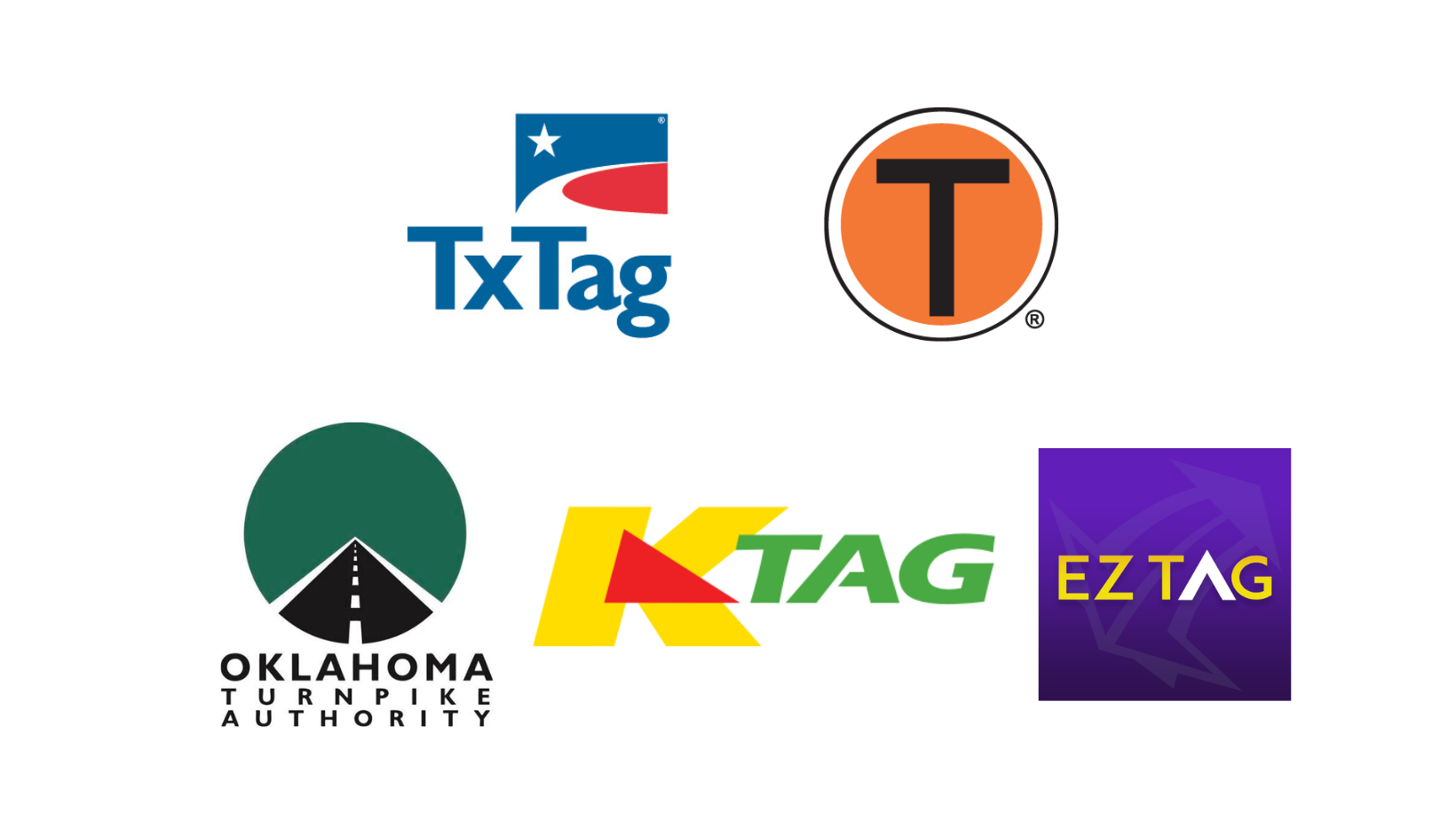
While this guide focuses on Texas, it’s worth noting that some Texas toll tags offer reciprocal agreements with toll systems in other states, such as Oklahoma and Kansas. However, the extent of this reciprocity can vary, and it’s always best to check with your specific toll authority before embarking on a multi-state road trip to understand where your tag will be accepted and if any additional steps are required. Planning ahead ensures your journey through the Lone Star State and beyond remains as smooth and efficient as possible.
LifeOutOfTheBox is a participant in the Amazon Services LLC Associates Program, an affiliate advertising program designed to provide a means for sites to earn advertising fees by advertising and linking to Amazon.com. Amazon, the Amazon logo, AmazonSupply, and the AmazonSupply logo are trademarks of Amazon.com, Inc. or its affiliates. As an Amazon Associate we earn affiliate commissions from qualifying purchases.