
Navigating the intricacies of healthcare access can feel like planning a complex itinerary, especially when seeking essential services like Medicaid. While our expertise typically lies in unveiling the wonders of travel, from the bustling streets of Houston to the serene landscapes of the Texas Hill Country, we understand that fundamental needs must be met before one can fully embrace the joys of exploration. This guide aims to demystify the process of obtaining Medicaid in Texas, ensuring residents can secure the healthcare they require, allowing them to focus on experiencing all the Lone Star State has to offer, whether it’s a luxurious stay at a JW Marriott San Antonio Hill Country Resort & Spa or a budget-friendly adventure exploring the historic Alamo in San Antonio.
Understanding Medicaid Eligibility in Texas
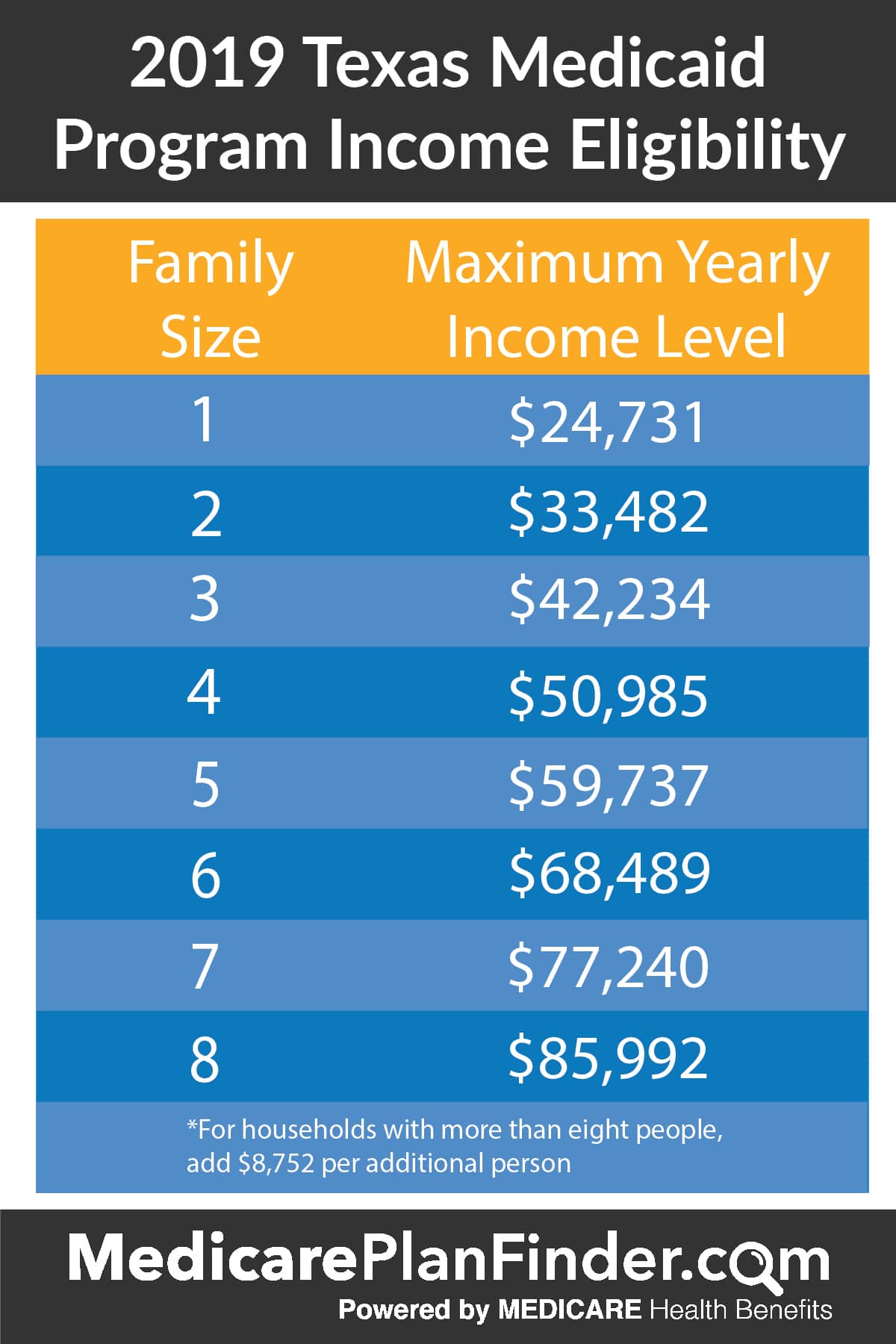
Before embarking on the application journey, it’s crucial to grasp the fundamental eligibility requirements for Medicaid in Texas. Unlike some other states, Texas has not expanded Medicaid coverage under the Affordable Care Act to include all low-income adults. This means that eligibility is primarily based on specific categories, such as age, disability, pregnancy, or being a responsible relative caregiver for dependent children.
Who Qualifies for Medicaid in Texas?
The core groups of individuals who generally qualify for Medicaid in Texas include:
- Children: Low-income children are a significant focus of Medicaid coverage in Texas. Specific income limits apply, varying based on the number of children in the household.
- Pregnant Women: Pregnant women with household incomes below certain thresholds can qualify for full Medicaid benefits to ensure the health of both mother and child. This coverage often extends for a period postpartum.
- Elderly Individuals (65+): Seniors with limited income and assets are eligible for Medicaid, often supplementing Medicare or providing comprehensive coverage when Medicare alone is insufficient.
- Individuals with Disabilities: Those who are blind, disabled, or have a medical condition that prevents them from working and meet income and asset limitations can apply for Medicaid. This often involves a disability determination process.
- Responsible Relative Caregivers: This category is for individuals who are the primary caregivers for dependent children in their home and meet specific income guidelines. It’s important to note that this group does not include low-income childless adults without dependents.
It is essential to visit the official website of the Texas Health and Human Services Commission (HHSC) for the most up-to-date income limits and specific category requirements, as these can change. Understanding these criteria is the first step, much like researching destinations before booking a flight to Dallas or a charming villa in the Texas Hill Country.
Key Eligibility Factors: Income and Assets
Beyond the categorical requirements, two critical factors determine Medicaid eligibility in Texas: income and assets.
- Income: Applicants must demonstrate that their household income falls below the specific limits set for their eligibility group. These limits are often expressed as a percentage of the Federal Poverty Level. For example, a family with children will have different income thresholds than an individual applying based on disability. The definition of “income” can be complex, including wages, self-employment earnings, retirement benefits, and certain government benefits.
- Assets: For certain categories, particularly for the elderly and individuals with disabilities, there are also limits on the value of countable assets. These typically include savings accounts, checking accounts, stocks, bonds, and sometimes real estate (though primary residences are often excluded under certain conditions). The rules around asset limits can be intricate, especially concerning trusts and transfers of assets, so seeking guidance from HHSC or a qualified advisor is recommended.
Failing to meet either the income or asset requirements can result in denial of the application. Therefore, thorough documentation and accurate reporting of all financial resources are paramount. This meticulous preparation is akin to ensuring all your travel documents are in order before an international trip to places like Mexico City.
The Application Process: Steps to Take
Once you’ve determined that you likely meet the eligibility criteria, the next step is to navigate the application process. The Texas Health and Human Services Commission (HHSC) is the primary agency responsible for administering Medicaid in the state.
Where and How to Apply
There are several avenues through which eligible Texans can apply for Medicaid:
- Online: The most convenient and often fastest way to apply is through the HHSC’s Your Texas Benefits website. This portal allows you to create an account, fill out the application, upload supporting documents, and track the status of your application. It’s a user-friendly platform designed to streamline the process, much like using a booking website to secure accommodations at a resort like the Gaylord Texan Resort & Convention Center in Grapevine.
- By Phone: You can call the HHSC benefits program at 2-1-1 or 1-877-541-7905 to request an application or discuss your eligibility over the phone.
- In Person: For those who prefer in-person assistance, you can visit a local HHSC benefits office. You can find the nearest office through the HHSC website. This can be particularly helpful if you have complex questions or need assistance with navigating the application.
- By Mail or Fax: Paper applications can be downloaded from the HHSC website, completed, and then mailed or faxed to the appropriate HHSC office.
Regardless of the method chosen, it is crucial to complete the application accurately and thoroughly. Missing information or errors can lead to delays or denial.
Gathering Necessary Documentation
To support your Medicaid application, you will need to provide proof of your eligibility. The specific documents required will vary based on your situation, but generally include:
- Proof of Identity: Such as a driver’s license, state-issued ID, or passport.
- Proof of Citizenship or Immigration Status: For U.S. citizens, this might be a birth certificate. For non-citizens, it could be a permanent resident card or visa.
- Proof of Income: This can include recent pay stubs, tax returns, Social Security benefit statements, or unemployment compensation statements.
- Proof of Assets: Bank statements, brokerage account statements, and property deeds might be required.
- Proof of Residency: Utility bills or a lease agreement can serve as proof of living in Texas.
- For Pregnant Women: Proof of pregnancy, such as a doctor’s verification.
- For Individuals with Disabilities: Medical records or documentation from the Social Security Administration (SSA) if you are receiving disability benefits.
Organizing these documents in advance will significantly expedite the application process. Think of it as packing for a long trip; having everything ready before you leave makes the journey smoother. For instance, if you’re planning a family trip to Galveston Island, having all your booking confirmations and identification readily accessible is key.
What to Expect After Applying
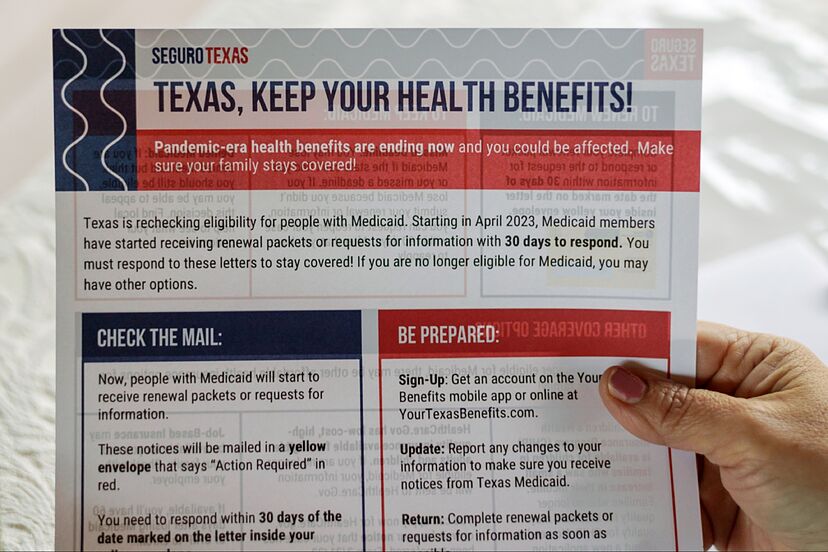
Once your application is submitted, the HHSC will review it to determine your eligibility. This process can take time, and you will be notified of the decision by mail or through your Your Texas Benefits account.
- Notification of Decision: You will receive a formal letter informing you whether your application has been approved or denied.
- Information Requests: The HHSC may contact you if they require additional information or clarification to process your application. It’s vital to respond promptly to these requests.
- Appealing a Denial: If your application is denied, you have the right to appeal the decision. The notification letter will provide instructions on how to initiate an appeal, including deadlines for submission.
The processing times can vary, and patience is often necessary. Understanding the timelines and being prepared to provide any requested follow-up information will help manage expectations, much like waiting for a connecting flight after an enjoyable stay in a Dallas hotel.
Maximizing Your Medicaid Benefits
Receiving Medicaid approval is a significant step towards securing healthcare. Understanding how to best utilize your benefits can enhance your overall well-being and allow you to fully enjoy life in Texas, whether you are a resident planning a visit to the San Antonio River Walk or simply managing daily life.
Choosing a Managed Care Plan
In Texas, most Medicaid recipients are enrolled in a managed care program. This means that instead of receiving services directly from providers on a fee-for-service basis, your care is managed by a private health plan that contracts with HHSC.
- Plan Options: You will typically have a choice of different health plans operating in your area. These plans offer a network of doctors, hospitals, and other healthcare providers.
- Selecting the Right Plan: When choosing a plan, consider factors such as the network of providers, which doctors are in your area, and the types of services covered. Your enrollment packet will provide details about the available plans and how to make your selection.
- Changing Plans: In most cases, you can change your managed care plan during your initial enrollment period or during specific open enrollment periods.
Choosing a managed care plan is an important decision, much like selecting the right travel insurance for an adventure to Austin or a family vacation to Disney World in Florida.
Accessing Healthcare Services
Once enrolled in a managed care plan, you will receive a program ID card, which you should present at all healthcare appointments.
- Primary Care Physician (PCP): You will be assigned a PCP who will be your main point of contact for healthcare needs and will refer you to specialists when necessary.
- Specialist Care: Your PCP will guide you to specialists for specific medical conditions, and your managed care plan will cover these services if they are within the network and authorized.
- Prescriptions: Medicaid covers prescription medications, though there may be a formulary (list of covered drugs) and potential co-pays depending on your specific program.
By understanding how to access your benefits, you can ensure you receive the necessary medical attention, allowing you to focus on enjoying the vibrant culture, delicious cuisine, and diverse attractions Texas has to offer, from exploring the historical sites in Goliad to experiencing the lively music scene in Austin. Access to reliable healthcare is a cornerstone of a fulfilling lifestyle, whether you’re planning a luxury travel experience or a budget-conscious exploration of the state’s many wonders.