
The allure of Hawaii is undeniable. Its pristine beaches, lush rainforests, vibrant culture, and breathtaking natural beauty have captivated travelers for generations. But beyond its tropical paradise image, there’s a significant historical question that often arises: Why was Hawaii made a state? This transition from an independent kingdom to the 50th state of the United States is a complex narrative woven with political maneuvering, economic interests, and strategic considerations. Understanding this history is crucial for appreciating not only the island’s current status but also the rich tapestry of its past, which continues to influence its present-day tourism and lifestyle.
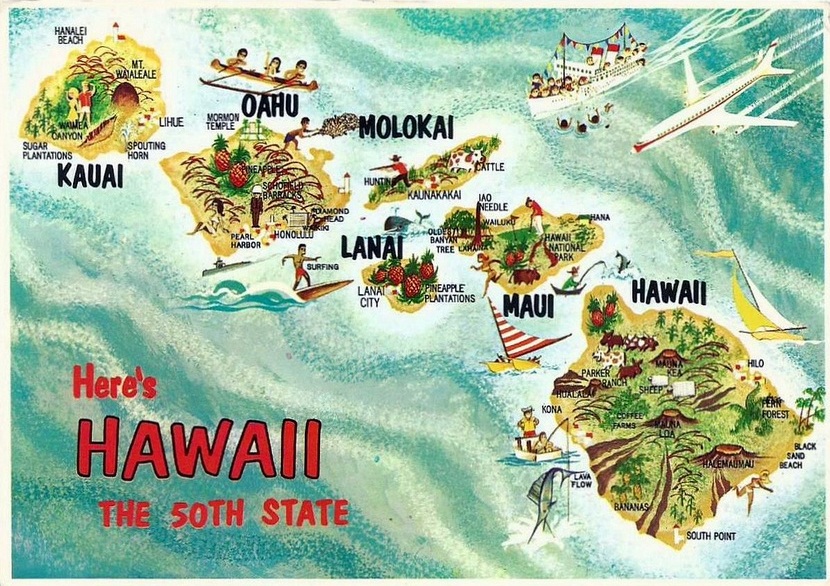
The Long Road to Statehood: From Kingdom to Territory
Hawaii‘s journey to statehood was a protracted and often contentious one, spanning over a century. Initially, it existed as a sovereign nation, the Kingdom of Hawaii, for millennia. The indigenous Hawaiian people developed a rich and sophisticated society with a deep connection to the land and sea. The arrival of European and American missionaries and traders in the 19th century marked a turning point, introducing new diseases, technologies, and, importantly, Western political and economic systems.
The Overthrow of the Monarchy and Annexation
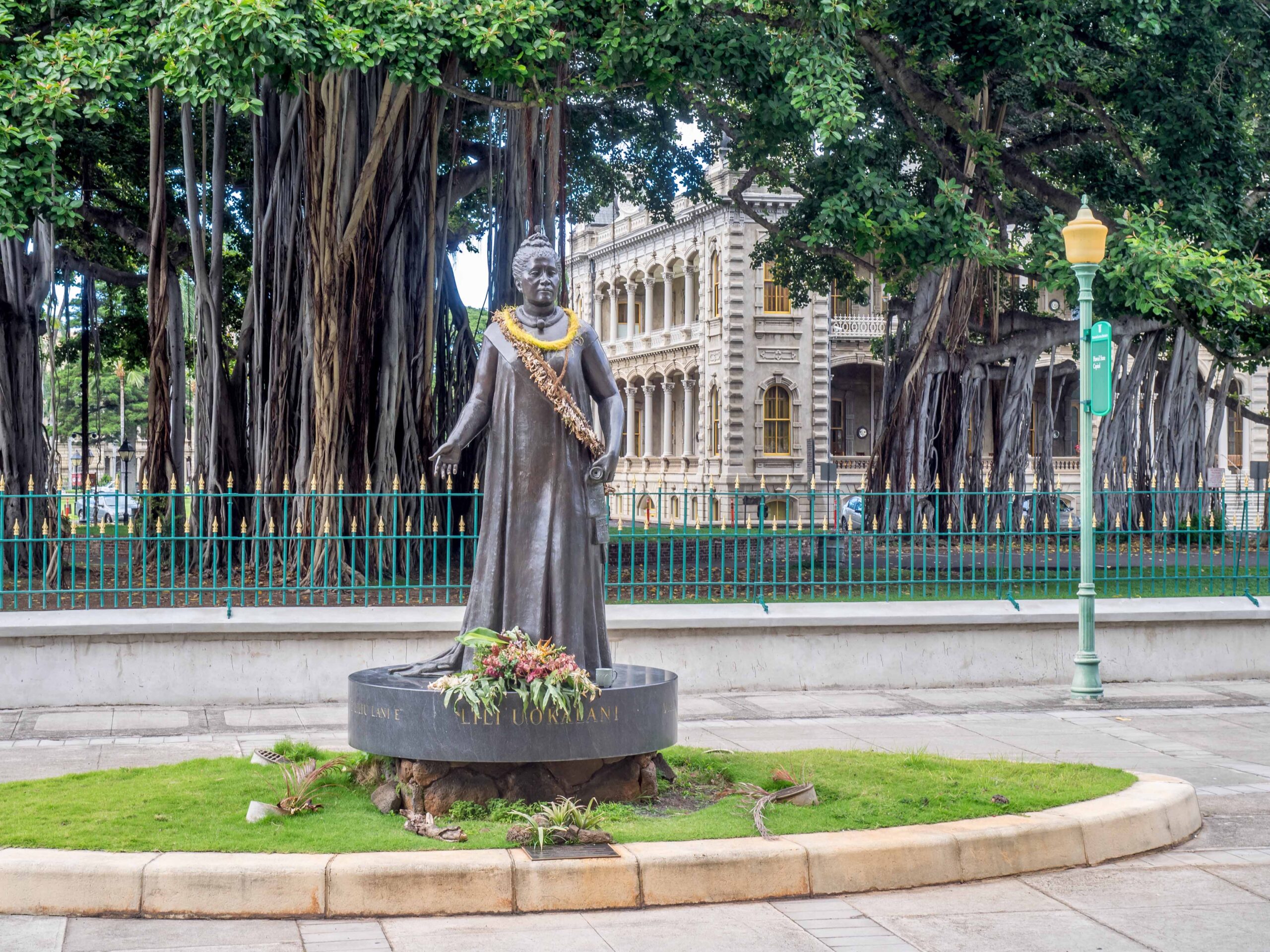
A pivotal moment in Hawaii‘s history was the overthrow of Queen Liliuokalani in 1893. This event, orchestrated by American businessmen and sugar planters with the support of the United States minister to Hawaii, Sanford B. Dole, aimed to secure American economic interests, particularly the lucrative sugar trade. The Provisional Government, led by Dole, then sought annexation by the United States. While the initial attempt at annexation failed, the United States eventually annexed Hawaii in 1898 during the Spanish-American War, recognizing its strategic importance in the Pacific. Hawaii then became a U.S. territory in 1900.
The Territorial Years: Growth and Shifting Identities
As a U.S. territory, Hawaii experienced significant economic growth, largely driven by the sugar and pineapple industries. However, it also faced challenges related to labor, immigration, and the preservation of Hawaiian culture. The Pearl Harbor attack during World War II further underscored Hawaii‘s strategic significance, leading to a massive military buildup and increased federal involvement. This period saw a growing sense of American identity among many Hawaiians, alongside a continued desire for self-determination and recognition of indigenous rights. The war also significantly boosted tourism, as servicemen stationed there and their families began to experience the islands’ beauty.
The Drive for Statehood: A Battle for Representation
The post-World War II era witnessed a renewed and intensified push for statehood. For decades, Hawaii‘s residents, who were largely American citizens, lacked full representation in the United States Congress. This lack of voting representation was a significant point of contention and a driving force behind the statehood movement.

The Arguments for Statehood
Proponents of statehood argued that Hawaii was ready for self-governance and deserved equal footing with other states. They pointed to its democratic institutions, its contributions to the United States economy, and its diverse population, which was increasingly integrated into the American fabric. Furthermore, statehood was seen as a way to solidify Hawaii‘s place within the United States and counter any potential influence from communist nations in the region during the Cold War. The economic benefits were also a major consideration, with statehood promising greater federal investment and infrastructure development, which would further bolster the tourism and hospitality sectors.
Opposition and Delays
However, statehood was not without its opposition. Concerns were raised by some members of Congress regarding Hawaii‘s racial makeup, its distance from the mainland, and its perceived political leanings. There were also lingering prejudices and a general lack of understanding about Hawaii among some segments of the American population. These concerns, coupled with powerful lobbying efforts against statehood by certain business interests, led to numerous delays and setbacks over the years. Despite these obstacles, the desire for statehood continued to grow among the Hawaiian people.
The Culmination: Becoming the 50th State
The persistent efforts of Hawaii‘s leaders and its people, combined with shifting political tides in Washington D.C., eventually paved the way for statehood. The mid-20th century saw a growing recognition of Hawaii‘s strategic and economic importance, as well as a broader embrace of civil rights and equality.
The Final Push and Ratification
In the late 1950s, a bipartisan consensus began to emerge in favor of Hawaii‘s statehood. The Hawaii Admission Act was passed by Congress in 1959, followed by a referendum in Hawaii where the vast majority of voters overwhelmingly supported statehood. On August 21, 1959, Hawaii officially became the 50th state of the United States. This was a landmark moment, marking the culmination of a long and arduous struggle for political equality and recognition. The transition to statehood also brought increased federal funding and attention, which indirectly supported the growth of accommodation options, from luxury hotels to budget-friendly villas, catering to the burgeoning tourism industry.
The Lasting Impact on Hawaii
Statehood brought significant changes to Hawaii. It solidified its political ties to the United States and brought about increased federal investment in infrastructure and services. The U.S. military presence, already substantial, grew further. Economically, statehood further integrated Hawaii into the American market, boosting industries like tourism, which has since become a cornerstone of its economy. The iconic Waikiki skyline, dotted with renowned resorts and hotels, is a testament to this economic transformation. However, statehood also brought about ongoing debates about cultural preservation, land rights, and the economic disparities that continue to exist. The vibrant local culture, though celebrated and promoted through tourism, also faces the challenges of maintaining its distinctiveness in the face of pervasive American influence. Today, Hawaii continues to navigate its unique identity as a state with a rich indigenous heritage and a profound connection to its Pacific roots, a story that unfolds across its stunning landmarks, diverse attractions, and the everyday lifestyle of its people. The journey from a sovereign kingdom to a U.S. state is a compelling chapter in American history, one that shaped not only the islands but also the nation itself.
LifeOutOfTheBox is a participant in the Amazon Services LLC Associates Program, an affiliate advertising program designed to provide a means for sites to earn advertising fees by advertising and linking to Amazon.com. Amazon, the Amazon logo, AmazonSupply, and the AmazonSupply logo are trademarks of Amazon.com, Inc. or its affiliates. As an Amazon Associate we earn affiliate commissions from qualifying purchases.