
Embarking on a career in real estate in California is more than just a job; it’s a passport to a flexible lifestyle, a gateway to significant financial opportunities, and an invitation to immerse yourself in one of the world’s most dynamic and diverse economies. For those with a passion for travel, an appreciation for luxurious accommodations, or an interest in the vibrant tourism industry, a California real estate license can unlock unique avenues. Imagine specializing in vacation rentals in Laguna Beach, selling exclusive estates in the Hollywood Hills, or brokering deals for boutique hotels in Napa Valley. This license isn’t just about selling houses; it’s about connecting people with their dream lifestyles, often intertwining with travel, hospitality, and unforgettable experiences.
California is a land of superlatives, boasting everything from sun-drenched beaches and majestic mountains to sprawling urban centers and serene wine countries. Its real estate market reflects this diversity, offering an array of opportunities for ambitious professionals. Whether you dream of facilitating transactions for luxury travel accommodations, advising on investment properties near iconic landmarks, or simply desiring a career that allows for more personal travel and flexibility, getting your real estate license in the Golden State is a foundational step. This comprehensive guide will walk you through the essential steps, requirements, and considerations for obtaining your California real estate license, all while highlighting how this career path aligns perfectly with a lifestyle rich in exploration, comfort, and cultural immersion.
The Allure of California Real Estate: A Lifestyle of Opportunity
California’s real estate market is undeniably one of the most exciting and lucrative in the world. It’s a market driven by innovation, desirability, and an unparalleled array of unique properties. From the sprawling urban landscapes of Los Angeles and San Francisco to the serene coastal communities of Malibu and Carmel-by-the-Sea, the opportunities for real estate professionals are as diverse as the state itself. This career path offers more than just financial reward; it promises a lifestyle of flexibility, continuous learning, and the chance to interact with a wide spectrum of clients, including those deeply invested in travel, hospitality, and distinctive accommodations.
Tapping into California’s Diverse Market and Lifestyle Opportunities
Imagine a career where your daily work involves exploring stunning properties in picturesque locations. One day you might be showcasing a vineyard estate in Napa Valley, the next a beachfront condo in San Diego, and later a historic loft in the heart of San Francisco. This dynamic environment is a hallmark of the California real estate scene. The state’s appeal to tourists, investors, and residents alike means a constant demand for diverse property types, from luxury family homes to high-end resort villas.
A real estate license in California also opens doors to specializing in niche markets that align perfectly with travel and lifestyle interests. You could become an expert in vacation rentals, assisting property owners in maximizing their investment through short-term bookings, or helping travelers find the perfect temporary home for their California adventure. Consider the booming market for second homes in destinations like Palm Springs or near natural wonders such as Lake Tahoe. Real estate agents play a crucial role in these transactions, connecting buyers with properties that serve as personal retreats or lucrative investment opportunities in popular tourist destinations. This profession can literally be your guide to the best accommodations and hidden gems across the state, allowing you to build expertise in areas that truly excite you.
Real Estate as a Gateway to Travel and Flexibility
One of the most appealing aspects of a real estate career in California is the potential for unmatched flexibility. Unlike traditional 9-to-5 jobs, real estate often allows you to set your own schedule, manage your client interactions, and even work remotely when necessary. This inherent flexibility is a dream come true for travel enthusiasts. Imagine closing a deal on a Friday and spending your weekend exploring a new California destination, perhaps a scenic drive down the Pacific Coast Highway to Santa Barbara, or a spontaneous trip to a world-renowned landmark like the Golden Gate Bridge. The financial rewards of a successful real estate career can also directly fund more extensive travel experiences, from luxurious stays in international hotels in Paris or Rome to adventurous explorations of exotic destinations like Tokyo or the pristine beaches of The Bahamas and the Caribbean.
Furthermore, a real estate license can provide insights into global property trends and investment opportunities. Engaging with diverse clients, some of whom are international investors, can broaden your perspective and even lead to opportunities to consult on properties beyond California’s borders. This career inherently fosters a spirit of entrepreneurship and self-reliance, empowering you to shape your professional journey to complement your personal passions, especially a love for travel and experiencing the world’s best hotels and cultural sites. The lifestyle potential of being a California real estate agent is truly unparalleled for those who value freedom, adventure, and the pursuit of a life well-lived.
Navigating the Path to Licensure: Your Step-by-Step Guide
Obtaining your real estate license in California involves a structured process overseen by the California Department of Real Estate (DRE). While the journey requires dedication and meticulous attention to detail, it is entirely achievable with the right preparation and commitment. Understanding each step clearly will help streamline your path to becoming a licensed real estate professional in the Golden State, allowing you to soon pursue your goals, whether they involve general brokerage, property management for vacation rentals, or specializing in commercial properties like hotels and resorts.
Meeting the Eligibility Requirements
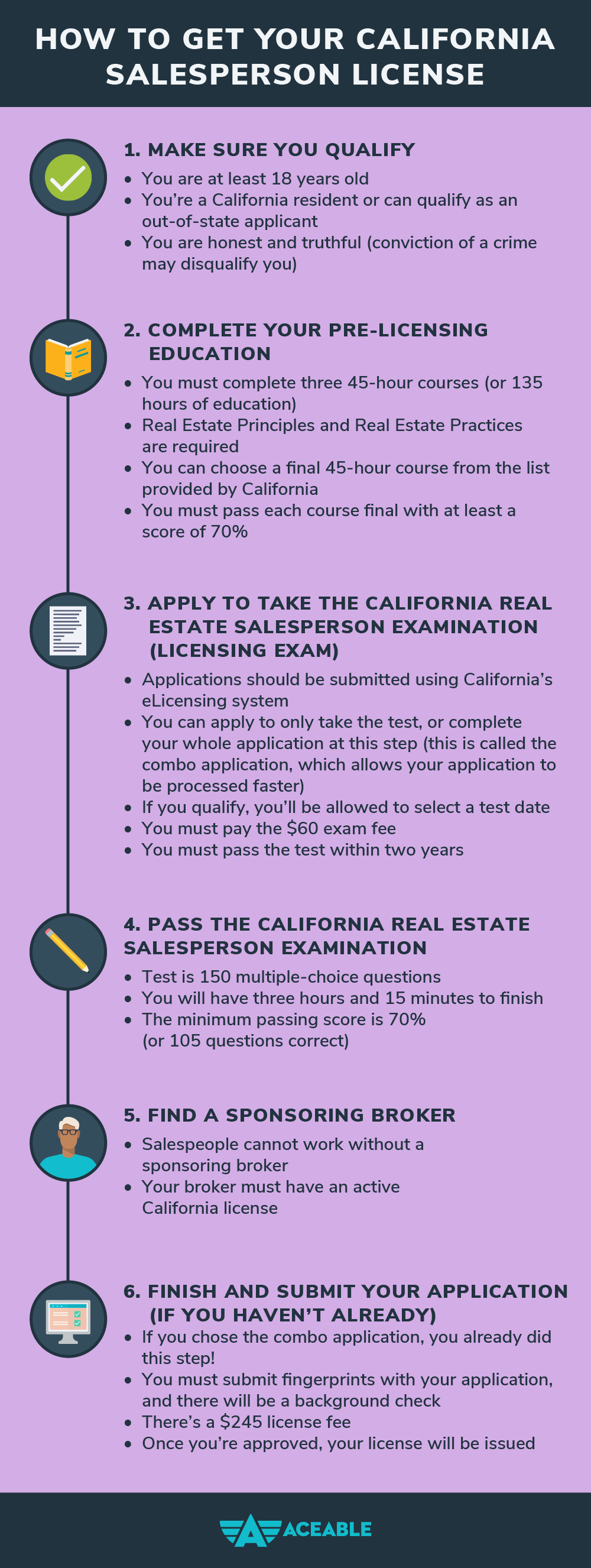
Before you can even begin the educational process, you must ensure you meet the basic eligibility criteria set forth by the DRE. The primary requirements are straightforward:
- Age: You must be at least 18 years old.
- Residency: You do not need to be a California resident to apply for a license, though the process might be slightly more involved if you reside out-of-state.
- Honesty and Truthfulness: Applicants must demonstrate honesty and truthfulness. Any past criminal convictions, even if expunged, must be disclosed to the DRE, which will then review them on a case-by-case basis. Transparency is crucial here to avoid delays or rejection.
It’s always a good idea to review the most current requirements directly on the DRE website before you begin, as regulations can occasionally be updated. This initial check will confirm you’re on solid ground to proceed with your application.
Completing Your Pre-License Education
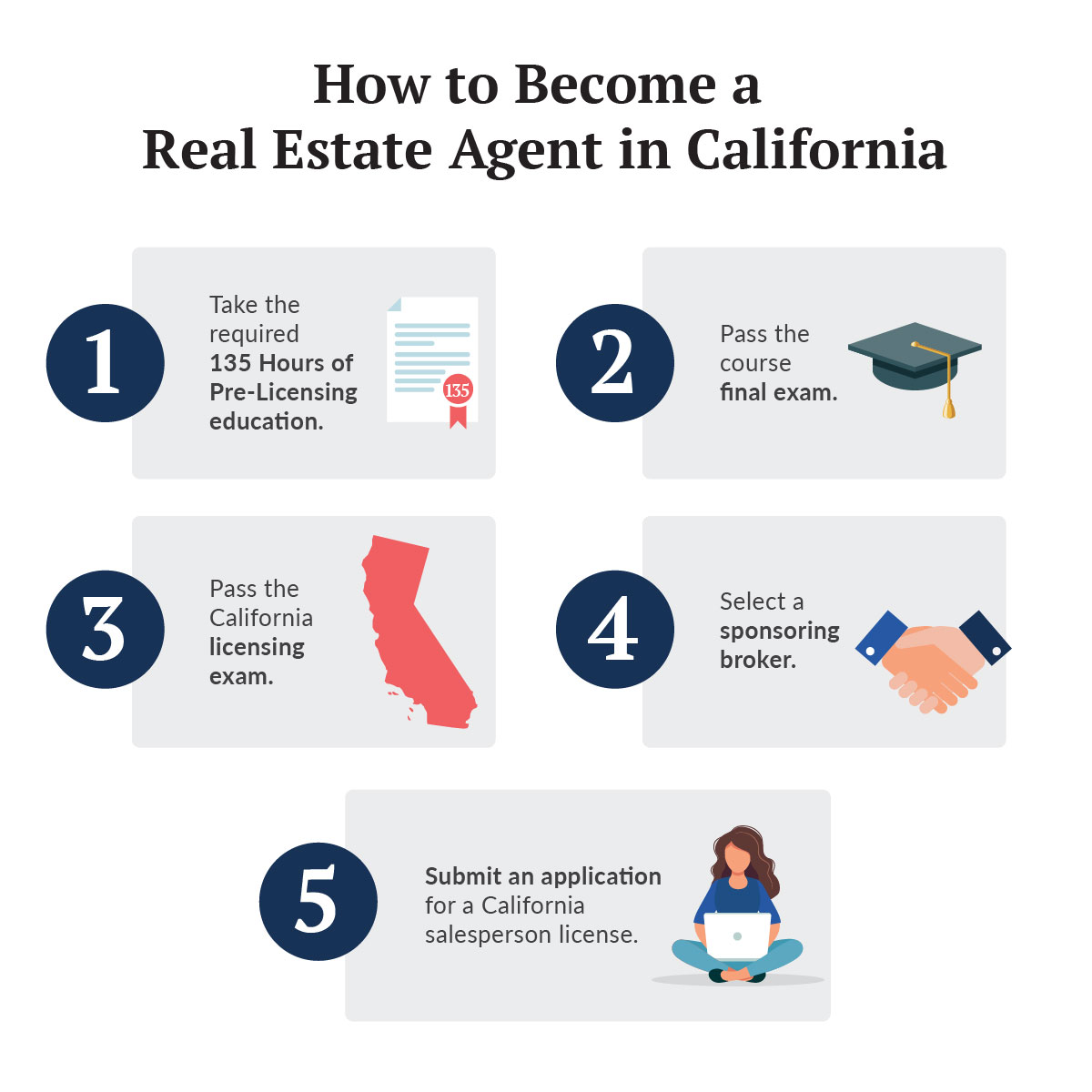
This is arguably the most time-intensive part of the licensure process. California mandates that all prospective real estate agents complete 135 hours of approved pre-license education. This education is typically divided into three mandatory courses, each usually 45 hours in length:
- Real Estate Principles: This foundational course covers the basic concepts and terminology of real estate, including property rights, ownership, contracts, and agency relationships.
- Real Estate Practice: This course focuses on the practical aspects of working as an agent, such as listing properties, working with buyers, marketing, and ethical considerations.
- One Elective Course: You must choose one additional 45-hour course from an approved list. Popular electives include Real Estate Finance, Real Estate Appraisal, Legal Aspects of Real Estate, Real Estate Economics, or Property Management. For those interested in the travel and accommodation sectors, an elective in property management or real estate finance could be particularly relevant, offering insights into managing diverse portfolios, including vacation homes or investment properties.
These courses can be taken through various approved providers, including community colleges, universities, or private real estate schools. Many providers offer online courses, which provide excellent flexibility for individuals with busy schedules or those who prefer to learn at their own pace, a valuable consideration for those who travel frequently. Upon successful completion of each course (typically by passing a final exam), you will receive a certificate of completion.
Applying for the State Exam
Once you’ve completed all 135 hours of pre-license education, you’re ready to apply for the California Real Estate Salesperson Exam. This involves submitting an application package to the DRE, which includes:
- Application for Salesperson Examination (RE 400A): This form requests personal information and details about your eligibility.
- Course Certificates: Proof of completion for your three pre-license courses.
- Application Fee: There is a fee associated with the exam application, which must be paid at the time of submission.
You can apply for the exam and the license concurrently, which often saves time. The DRE processes applications, and once approved, you will receive an Authorization to Take Exam (ATE) letter, which will instruct you on how to schedule your exam date at one of the DRE’s testing centers located across the state, including major cities like Sacramento, Los Angeles, and San Diego.
Passing the California Real Estate Exam
The California Real Estate Salesperson Exam is a rigorous test designed to ensure that all licensees possess a foundational understanding of real estate principles, laws, and practices.
- Format: The exam consists of 150 multiple-choice questions.
- Time Limit: You are allotted 3 hours and 15 minutes to complete the exam.
- Passing Score: A minimum score of 70% is required to pass.
- Content: Questions cover a broad range of topics including property ownership, contracts, agency, financing, valuation and appraisal, property management, and real estate practice and disclosures. A significant portion also focuses on California specific real estate law.
Preparation is key to success. Many students utilize exam prep courses, study guides, and practice tests to familiarize themselves with the format and content. These resources often simulate the actual exam experience, helping to build confidence and identify areas needing further study.
Fingerprinting and Background Check
As part of the application process, all applicants are required to undergo a criminal background check via fingerprinting. This is typically done through Live Scan, an electronic fingerprinting service. You will need to complete a Live Scan Service Request Form (RE 237) and take it to an authorized Live Scan provider. The results are sent directly to the DRE and the California Department of Justice (DOJ), and in some cases, the FBI. This step is crucial for ensuring public trust and upholding the integrity of the real estate profession. Any criminal history will be reviewed by the DRE, which will determine if it impacts your eligibility for a license.
Applying for Your License
After successfully passing the state exam and completing your background check, the final step is to submit your application for a real estate salesperson license (RE 400B) along with the required fee. If you applied for the exam and license concurrently, this process will be much faster as many details would have already been submitted. Once your application is approved and all requirements are verified, the DRE will issue your official California Real Estate Salesperson License. Congratulations, you are now officially a licensed real estate agent in California! This opens up a world of possibilities, enabling you to guide clients through the exciting real estate market, potentially linking travelers to their perfect holiday accommodation or investors to their next profitable venture in the Golden State.
Building a Thriving Real Estate Career in the Golden State
Obtaining your California real estate license is just the beginning of an exciting journey. The true adventure lies in building a successful career, one that can be as dynamic and fulfilling as the state itself. With your license in hand, you’re empowered to shape your professional life around your passions, whether they revolve around luxury properties, investment opportunities, or the intersection of real estate with the thriving travel and tourism industries.
Choosing Your Niche: From Residential to Luxury Hospitality
California’s diverse landscape and economy offer countless niches for real estate professionals. While many agents start in residential sales, helping individuals and families find their dream homes, the opportunities extend far beyond this traditional path. For those with a passion for travel, hotels, and unique accommodations, specializing in sectors like:
- Luxury Residential: Focus on high-end properties in desirable locations such as Beverly Hills, Malibu, or coastal communities. This often involves working with discerning clients, including international investors and those seeking exquisite vacation homes, providing insights into amenities akin to those found in world-class hotels.
- Vacation Rentals & Short-Term Accommodation: Become an expert in properties ideal for tourism, managing and selling homes that cater to the millions of visitors flocking to California’s attractions, from Disneyland to Yosemite National Park. This niche directly aligns with the “Accommodation” and “Tourism” aspects of our website, helping clients navigate booking, reviews, and amenities.
- Commercial Real Estate (Hospitality Focus): For those with a keen business sense, brokering deals for hotels, resorts, bed-and-breakfasts, or even land earmarked for new hospitality developments can be incredibly rewarding. This requires a deeper understanding of market trends, financing, and business operations but offers the chance to influence the very fabric of California’s tourism infrastructure.
- Investment Properties: Guide investors towards properties with high earning potential, whether they’re looking for multi-family units, commercial spaces, or properties suitable for conversion into boutique hotels or extended-stay apartments. Your knowledge of local markets and future development plans can make you an invaluable resource.
Choosing a niche that genuinely excites you will not only make your work more enjoyable but also allow you to develop specialized expertise that sets you apart in a competitive market.
Continuous Education and Professional Growth
The real estate market is constantly evolving, with new laws, technologies, and trends emerging regularly. To maintain your California real estate license and remain competitive, continuous education is mandatory. Every four years, agents must complete 45 hours of approved continuing education, which includes specific courses on ethics, agency, fair housing, and other topics. This requirement is not just about compliance; it’s an opportunity for professional growth.
Beyond mandatory courses, actively seeking out advanced training and certifications can significantly enhance your career. Consider pursuing designations like Certified Residential Specialist (CRS), Accredited Buyer’s Representative (ABR), or even a specialized certification in commercial real estate or property management. These designations not only boost your credibility but also expand your knowledge base, allowing you to better serve clients with diverse needs, from those seeking a family vacation home near Death Valley National Park to high-net-worth individuals investing in international luxury properties. Networking with other professionals, attending industry conferences (which often take place in exciting travel destinations like Las Vegas or Hawaii), and staying abreast of economic developments will also be crucial for sustained success.

Exploring Opportunities in Tourist Hotspots
With your license, you gain the freedom to operate across the entire state, allowing you to position yourself in or cater to clients interested in California’s most celebrated tourist destinations. Imagine becoming the go-to expert for luxury vacation rentals in Santa Barbara, boutique hotels in Napa Valley, or investment properties in the vibrant heart of Los Angeles.
Real estate in these areas is often intertwined with the broader tourism and hospitality sectors. Understanding the nuances of short-term rental regulations, identifying properties with high rental yield potential, or connecting buyers with unique accommodation opportunities near famous landmarks and attractions can be incredibly lucrative. This career path offers the unique privilege of working in and contributing to the very places people dream of visiting, turning your passion for travel and beautiful destinations into a thriving profession. Your California real estate license is not just a piece of paper; it’s your key to unlocking a lifestyle where work, travel, and personal fulfillment converge in the Golden State.
LifeOutOfTheBox is a participant in the Amazon Services LLC Associates Program, an affiliate advertising program designed to provide a means for sites to earn advertising fees by advertising and linking to Amazon.com. Amazon, the Amazon logo, AmazonSupply, and the AmazonSupply logo are trademarks of Amazon.com, Inc. or its affiliates. As an Amazon Associate we earn affiliate commissions from qualifying purchases.