
Embarking on a journey to New York City is an exciting prospect, promising a vibrant tapestry of experiences, from iconic landmarks to hidden culinary gems. The question of “how” is multifaceted, hinging on your point of origin, desired travel style, and budget. This guide will navigate the primary methods of reaching the Big Apple, ensuring your arrival is as seamless and enjoyable as your stay.
Air Travel: The Swiftest Route to the Skyline
For the vast majority of travelers, especially those coming from afar, air travel is the most efficient and practical way to reach New York City. The metropolitan area is served by three major airports, each with its own distinct characteristics and accessibility options.
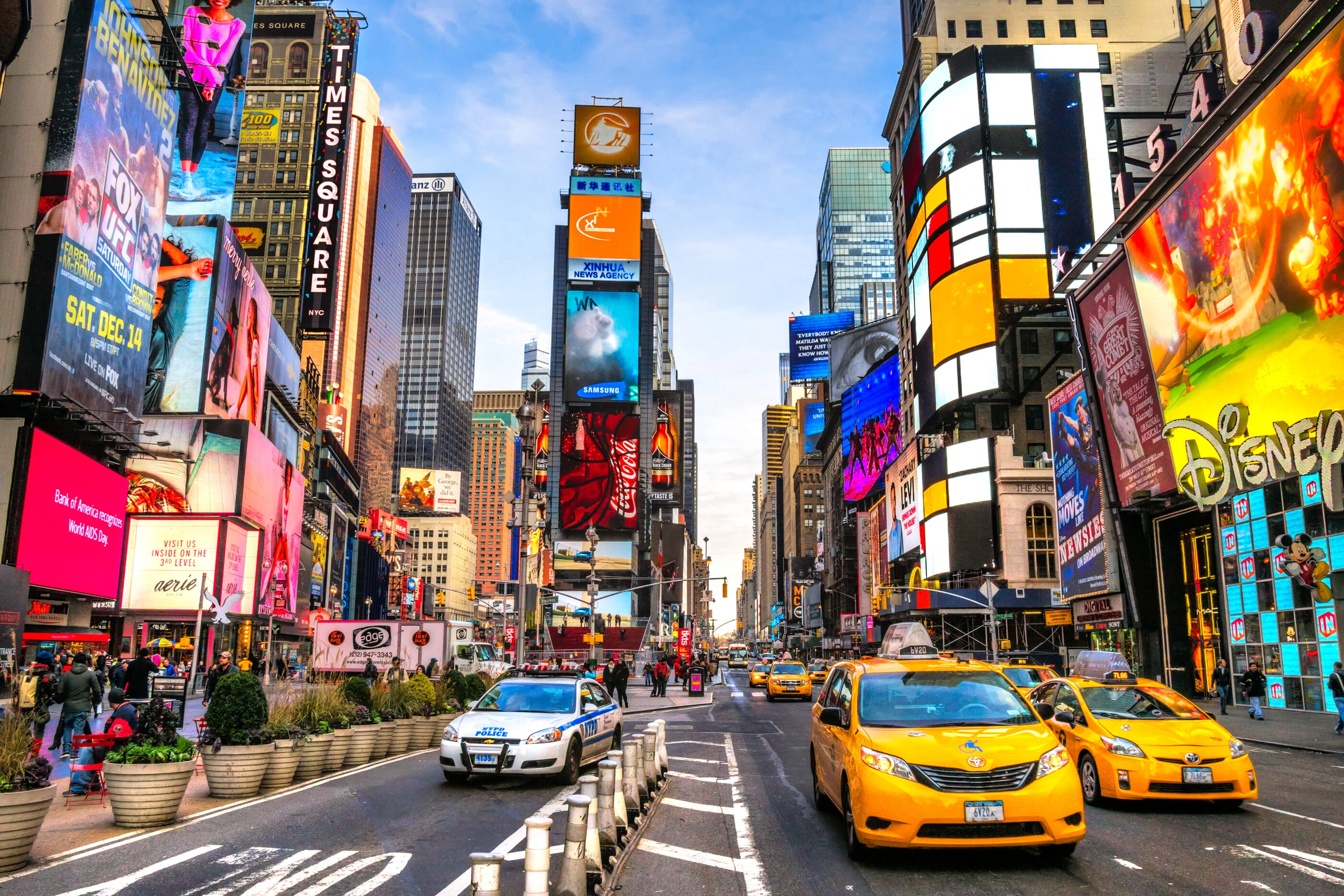
John F. Kennedy International Airport (JFK)
JFK Airport is a global hub, welcoming millions of international and domestic passengers annually. Located in Queens, it offers a multitude of flight options from virtually every major city worldwide.
- Getting from JFK to Manhattan/Brooklyn:
- AirTrain JFK: This is often the most cost-effective and convenient option for reaching public transportation. The AirTrain connects directly to the Long Island Rail Road (LIRR) at Jamaica Station, providing express service to Penn Station in Midtown Manhattan. It also connects to the New York City Subway system at both Jamaica and Howard Beach stations, offering access to numerous subway lines that can take you to various parts of the city.
- Taxi/Ride-Sharing: Taxis are readily available outside the terminals, offering a direct but more expensive ride. Ride-sharing services like Uber and Lyft also operate at JFK, with designated pick-up zones. Expect traffic delays, especially during peak hours.
- Airport Shuttle Services: Shared shuttle vans can be a good compromise between cost and convenience, though they may make multiple stops. Booking in advance is recommended.
LaGuardia Airport (LGA)
Primarily serving domestic flights, LaGuardia Airport is located closer to Manhattan than JFK, which can sometimes translate to shorter ground transportation times, depending on traffic.
- Getting from LGA to Manhattan/Brooklyn:
- Bus and Subway: The most economical way to get from LaGuardia is by utilizing the extensive New York City Subway system. The Q70 LaGuardia Link bus provides a free, direct connection to the Jackson Heights–Roosevelt Avenue subway station, where you can catch several subway lines to Manhattan and Brooklyn. Other bus routes also connect to various subway lines.
- Taxi/Ride-Sharing: Similar to JFK, taxis and ride-sharing services are available, offering door-to-door service. Be prepared for potential traffic congestion.
- Ferry Service: A newer, and often scenic, option is the NYC Ferry. Buses connect LaGuardia to ferry terminals, offering a unique perspective of the city as you approach Manhattan or Brooklyn by water.
Newark Liberty International Airport (EWR)
While technically in New Jersey, Newark Liberty International Airport is a major gateway to New York City and is often considered in conjunction with JFK and LGA.
- Getting from EWR to Manhattan/Brooklyn:
- AirTrain Newark and NJ Transit: The AirTrain connects directly to the NJ Transit train station. From here, you can catch an NJ Transit train to Penn Station in Manhattan. This is generally a reliable and efficient option.
- Bus Services: Various bus services operate between EWR and Manhattan, offering a more budget-friendly alternative to the train.
- Taxi/Ride-Sharing: Taxis and ride-sharing services are available, but remember that you will be crossing state lines, which may affect pricing and availability compared to intra-city options.
Rail Travel: A Scenic and Sustainable Approach
For travelers within a certain radius of New York City, particularly on the East Coast of the United States, train travel offers a relaxing and environmentally conscious alternative to flying.
Amtrak: Connecting the Nation
Amtrak operates a comprehensive network of passenger rail service across the country, with New York City being a central hub.

- Arrival in Manhattan: The primary Amtrak station in Manhattan is Moynihan Train Hall at Penn Station, a beautifully renovated space that offers direct access to the subway and LIRR. Some trains also arrive at Newark Penn Station, requiring a transfer to the PATH train or NJ Transit to reach Manhattan.
- Benefits of Train Travel:
- Comfort and Space: Trains generally offer more legroom and the ability to move around compared to airplanes.
- Scenery: Enjoy the changing landscapes as you journey towards the city.
- Central Locations: Stations are typically located in the heart of cities, reducing the need for lengthy ground transportation.
- Reduced Carbon Footprint: Rail travel is often considered a more sustainable travel option.
- Popular Routes: Major Amtrak routes serving New York City include the Acela Express and Northeast Regional from cities like Boston, Washington D.C., and Philadelphia.
Local and Regional Rail Services
Beyond Amtrak, various regional commuter rail lines, such as the Metro-North Railroad and the aforementioned LIRR, connect New York City with surrounding suburban areas in New York, Connecticut, and New Jersey. These are ideal for day-trippers or those staying outside the immediate city center.
Road Travel: The Freedom of the Open Road
For those who enjoy the journey and the flexibility it offers, driving to New York City is a viable option, though it comes with unique challenges.
Driving to the City
Major interstate highways converge on New York City, providing access from all directions.
- Key Highways:
- I-95 (New England Thruway/New Jersey Turnpike): Crucial for travel from the north and south.
- I-80: Connects from the west.
- I-78: Another significant route from the west.
- I-87 (New York State Thruway): Provides access from Upstate New York and Canada.
Navigating and Parking in New York City
This is where road travel becomes complex. New York City is notorious for its heavy traffic, intricate street grid, and exceptionally expensive parking.
- Traffic Congestion: Be prepared for significant delays, especially during weekday rush hours and on weekends. Utilizing GPS navigation with real-time traffic updates is essential.
- Tolls: Many bridges and tunnels leading into New York City, such as the George Washington Bridge and the Lincoln Tunnel, involve tolls. Consider an E-ZPass for convenience and potential discounts.
- Parking:
- Garages and Lots: These are plentiful but can be extremely costly, often ranging from $30 to $70+ per day, sometimes more in prime locations like Midtown Manhattan. Prices vary significantly by location and duration.
- Street Parking: This is very limited, heavily regulated (alternate side parking rules), and often difficult to find. Metered parking is available in some areas but has strict time limits. Parking tickets in New York City can be substantial.
- Alternatives to Driving: For many, the most practical approach is to drive to a suburban town with good commuter rail connections and park there, then take the train into the city. This avoids the direct city traffic and parking costs.
Bus Travel: The Budget-Conscious Choice
For travelers seeking the most economical way to reach New York City, intercity bus services offer a compelling solution.
Major Bus Carriers
Several companies operate extensive networks, connecting New York City with hundreds of destinations across the United States and even into Canada.
- Companies: Popular options include Greyhound, Megabus, and BoltBus.
- Arrival Hubs: Most buses arrive at the Port Authority Bus Terminal in Midtown Manhattan, a central and bustling transportation center with direct access to subway lines. Some services may also use other drop-off points.
- Pros of Bus Travel:
- Affordability: Bus tickets are often significantly cheaper than airfare or train tickets, especially when booked in advance.
- Extensive Network: Buses reach many smaller towns and cities that may not have direct air or rail service.
- Onboard Amenities: Many modern buses offer Wi-Fi, power outlets, and comfortable seating.
- Cons of Bus Travel:
- Travel Time: Journeys can be considerably longer than by air or train, due to frequent stops and road traffic.
- Comfort: While improving, bus travel can be less comfortable for very long distances compared to trains or planes.
Ultimately, the best way to get to New York City depends on your individual priorities. Whether you seek speed, scenery, cost-effectiveness, or the freedom of the open road, a method exists to suit your needs. Plan your journey wisely, and prepare to be captivated by the energy and allure of the greatest city on Earth.
LifeOutOfTheBox is a participant in the Amazon Services LLC Associates Program, an affiliate advertising program designed to provide a means for sites to earn advertising fees by advertising and linking to Amazon.com. Amazon, the Amazon logo, AmazonSupply, and the AmazonSupply logo are trademarks of Amazon.com, Inc. or its affiliates. As an Amazon Associate we earn affiliate commissions from qualifying purchases.