
The idea of Alaska being “just a stone’s throw” from Russia often conjures images of an impossibly narrow stretch of water, a geographical curiosity that sparks both fascination and disbelief. While the vastness of the United States and Russia typically keeps them separated by thousands of miles, the far reaches of Alaska’s western coastline tell a different story. Here, in the heart of the Bering Strait, two nations stand on the cusp of opposing continents, a mere whisper apart across one of the most historically significant and geographically intriguing bodies of water on Earth. This unique proximity not only defines the landscape but also shapes a distinct cultural narrative and presents unparalleled opportunities for intrepid travelers seeking truly unique experiences.
For those with a passion for travel and exploration, the region offers an extraordinary blend of rugged natural beauty, profound historical depth, and vibrant local cultures. Far from being a barren wasteland, this remote corner of the world is a gateway to understanding ancient migrations, witnessing incredible wildlife, and immersing oneself in lifestyles shaped by extreme conditions and enduring traditions. Whether you dream of tracing the footsteps of early settlers, observing polar bears in their natural habitat, or simply marveling at the sheer expanse of the Arctic Ocean, the proximity of Alaska to Russia serves as a compelling backdrop for an adventure unlike any other. This article delves into the fascinating geography that brings these two global powers so close, exploring the travel and tourism opportunities that arise from such a unique setup, and offering insights into the accommodation and lifestyle one can expect when venturing to this captivating frontier.

The Bering Strait: A Narrow Divide Between Worlds
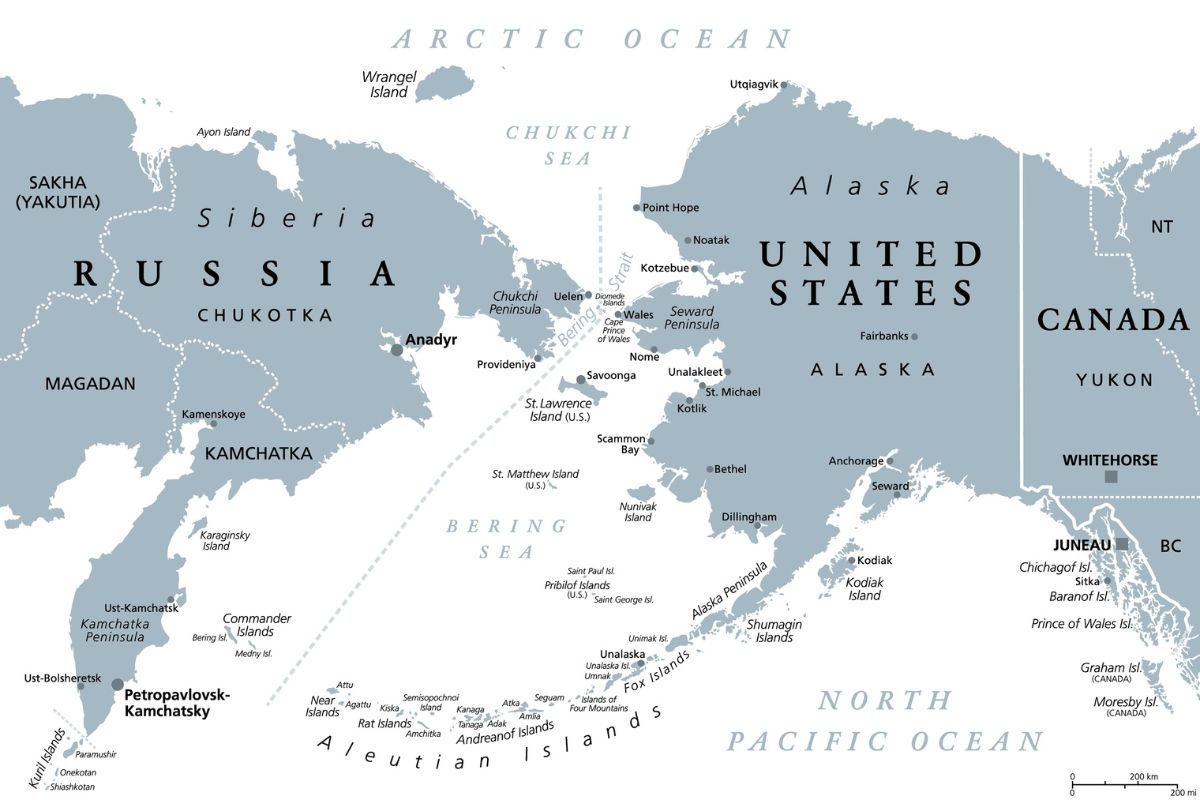
The core of the Alaska-Russia proximity lies squarely in the Bering Strait. This waterway, connecting the Chukchi Sea (an arm of the Arctic Ocean) to the Bering Sea (an arm of the Pacific Ocean), is famously narrow. At its most constricted point, between Cape Dezhnev on the Chukotka Peninsula in Russia and Cape Prince of Wales on the Seward Peninsula in Alaska, the distance is approximately 53 miles (85 kilometers). However, the real geographical marvel that captures the imagination and makes the “close” claim so tangible is the presence of the Diomede Islands.
The Diomede Islands: Stepping Stones Across the Strait
Nestled in the very center of the Bering Strait are the Diomede Islands, a pair of stark, rocky outcrops that serve as the closest physical points between the two nations. These islands are commonly referred to as “Yesterday and Tomorrow” due to a unique geographical and temporal alignment. Big Diomede Island, also known as Ratmanov Island, belongs to Russia. Just 2.4 miles (3.8 kilometers) to the east lies Little Diomede Island, a possession of the United States and part of Alaska.
This incredibly small distance makes it possible, on a clear day, to stand on Little Diomede Island and gaze directly at Big Diomede Island, effectively seeing Russia from Alaska with the naked eye. What makes this even more extraordinary is that the International Date Line runs precisely between these two islands. This means that while they are separated by less than four kilometers, they are also separated by 21 hours. Standing on Little Diomede, you are essentially looking into “tomorrow” on Big Diomede. This geological curiosity is a cornerstone for any discussion on landmarks and geographical wonders, offering a tangible link to a different continent and an even different day. The indigenous Inupiat community inhabiting Little Diomede Island maintains ancient ties to their kin on the Russian side, showcasing a deep, shared cultural history that transcends modern political borders.
Echoes of the Past: The Bering Land Bridge
The present-day proximity of Alaska and Russia is but a fraction of a much grander historical narrative. During the last glacial period, when global sea levels were significantly lower, the entire Bering Strait was a vast expanse of dry land known as the Bering Land Bridge. This incredible natural phenomenon, sometimes called Beringia, was a crucial pathway for early humans and countless animal species migrating from Asia into North America. The existence of the Bering Land Bridge National Preserve in Alaska commemorates this profound historical landmark, preserving vast tracts of tundra and archaeological sites that hint at the ancient movements of life across continents.
This ancient connection underscores the deep-rooted ties between the peoples of the two regions. Indigenous groups such as the Inupiat and Yup’ik (including Siberian Yupik on the Russian side) have historically inhabited both sides of the strait, sharing languages, customs, and subsistence hunting practices. Their way of life offers a window into the enduring human capacity to adapt and thrive in challenging environments, emphasizing the importance of local culture and the invaluable knowledge passed down through generations. Exploring this region is not just a geographical journey but a historical and anthropological expedition into the very origins of North American settlement.
Travel and Tourism: Exploring Alaska’s Frontier and Beyond
The unique geography of the Bering Strait region presents a compelling draw for travelers seeking authentic, off-the-beaten-path experiences. While direct civilian crossings between Alaska and Russia across the strait are generally restricted due to political and logistical complexities, the Alaskan side offers a wealth of incredible destinations and attractions that showcase the raw beauty and cultural richness of the Arctic frontier.
Gateway Cities and Remote Destinations
Venturing to the doorstep of Russia typically begins in cities like Nome or Kotzebue on Alaska’s western coast. Nome, famous for its Gold Rush history and as the finish line for the Iditarod Trail Sled Dog Race, serves as a vibrant hub for the region. From here, visitors can arrange local flights or charters to smaller villages like Wales, which lies at the very tip of the Seward Peninsula, offering views across the strait.
These remote Alaskan towns are not just transit points; they are destinations in themselves, providing glimpses into contemporary Arctic life. Attractions range from historic gold mining sites to cultural centers that celebrate indigenous arts and traditions. While planning is crucial for [travel] in these remote locales, the reward is an immersive journey into a landscape few ever witness. Major Alaskan cities like Anchorage and Fairbanks serve as excellent starting points for broader explorations of the state, including iconic landmarks like Denali National Park or the Alaska Native Heritage Center, before heading to the western frontier. Even in Fairbanks, the Museum of the North offers fascinating insights into the region’s natural and cultural history, including the Bering Land Bridge era.
Unique Experiences and Cultural Immersion
The tourism in this part of Alaska is characterized by its focus on wilderness and cultural authenticity. Guided tours, often offered by local Alaskan Arctic Tours, can lead you on incredible wildlife viewing expeditions to spot polar bears, seals, whales, and migratory birds that thrive in the Arctic ecosystem. Dog sledding, a quintessential Alaskan experience, provides a thrilling way to traverse the snowy landscapes. During the colder months, the region is also prime for witnessing the mesmerizing Northern Lights, an unforgettable celestial display.
Local culture is at the heart of any visit. Interacting with the Inupiat and Yup’ik communities offers profound insights into their traditional subsistence lifestyles, intricate artwork, and deep connection to the land and sea. Learning about their language, storytelling, and vibrant food culture – often featuring fresh seafood and game – enriches the travel experience immensely. Visiting places like the Diomede Cultural Center (even if not on the actual island, a conceptual center dedicated to the islands’ culture) can provide a deeper understanding. For adventurous photographers and nature enthusiasts, a Polar Bear Viewing Expedition or a specialized bird-watching tour in the Yukon-Kuskokwim Delta offers unparalleled opportunities.

Accommodation and Lifestyle in the Alaskan Wilds
Planning a trip to the Bering Strait region requires careful consideration of accommodation and a realistic understanding of the lifestyle associated with Arctic travel. While not a typical luxury resort destination, the area offers unique lodging options that blend comfort with an authentic wilderness experience.
Finding Your Alaskan Retreat
Hotels and accommodation in western Alaska are generally more rustic and geared towards functionality rather than extravagance. In towns like Nome, you might find guesthouses and small hotels offering essential amenities. For instance, the Nome Frontier Inn might provide a cozy base, or perhaps a more conceptual Arctic Fox Hotel focusing on sustainability. For truly immersive experiences, remote lodges and cabins are often the preferred choice. Imagine staying at a Bering Strait View Lodge, offering unparalleled vistas across the strait, or a Northern Lights Wilderness Resort designed for optimal aurora viewing.
When considering booking these unique stays, it’s essential to read reviews carefully and understand that amenities might be simpler than in urban centers. Many accommodations in this region are locally owned and operated, providing a genuine sense of local culture and hospitality. Comparison shopping might be limited, so early booking is often advisable, especially during peak seasons for wildlife viewing or cultural events. Some lodges might also offer long-term stay options for researchers or those seeking an extended wilderness retreat.
Lifestyle: From Budget Exploration to Luxury Wilderness
The lifestyle of travel in this part of Alaska caters to a diverse range of adventurers. For budget travel enthusiasts, careful planning and embracing simpler accommodations can make the Arctic accessible. Backpacking, camping (with proper gear and permits), and utilizing local transportation are key strategies. Tips for budget-conscious travelers include bringing your own food provisions where possible, as prices for groceries can be significantly higher in remote communities.
On the other end of the spectrum, luxury travel in Alaska’s Arctic frontier can involve private charters to remote lodges, exclusive guided tours, and gourmet dining experiences prepared with local ingredients. These premium options offer enhanced comfort and access to even more secluded natural wonders. Whether it’s a family trip focused on educational wildlife encounters or a business stay for environmental research, the region offers adaptable lifestyles for various needs. The overarching appeal for all visitors, however, is the chance to disconnect from the everyday, to immerse oneself in the raw, untamed beauty of the Arctic, and to gain a profound appreciation for the intertwined history and geography that make this corner of the world so singularly close to Russia. The proximity of these two great nations, separated by a mere glance, continues to inspire awe and beckon those who seek the extraordinary.
LifeOutOfTheBox is a participant in the Amazon Services LLC Associates Program, an affiliate advertising program designed to provide a means for sites to earn advertising fees by advertising and linking to Amazon.com. Amazon, the Amazon logo, AmazonSupply, and the AmazonSupply logo are trademarks of Amazon.com, Inc. or its affiliates. As an Amazon Associate we earn affiliate commissions from qualifying purchases.