
The dynamic nature of tropical weather systems demands vigilant attention, particularly for a popular travel destination like Florida. As Hurricane Milton makes its presence known, prospective visitors and those currently within the Sunshine State are keenly monitoring its trajectory and potential impacts. Understanding the proximity of such a powerful storm is paramount for safeguarding travel plans, ensuring personal safety, and making informed decisions. This guide aims to provide a comprehensive overview for travelers, dissecting the current situation, offering critical advice, and outlining what to expect in the wake of such an event, all framed within the context of travel to and from Florida.
Understanding the Current Threat Landscape for Florida Travel
The first step in navigating hurricane season travel is to stay informed about the storm’s current status and projected path. Hurricane Milton represents a significant concern, and its proximity to Florida can change rapidly, influencing everything from flight schedules to resort closures.
Latest Forecast and Projections
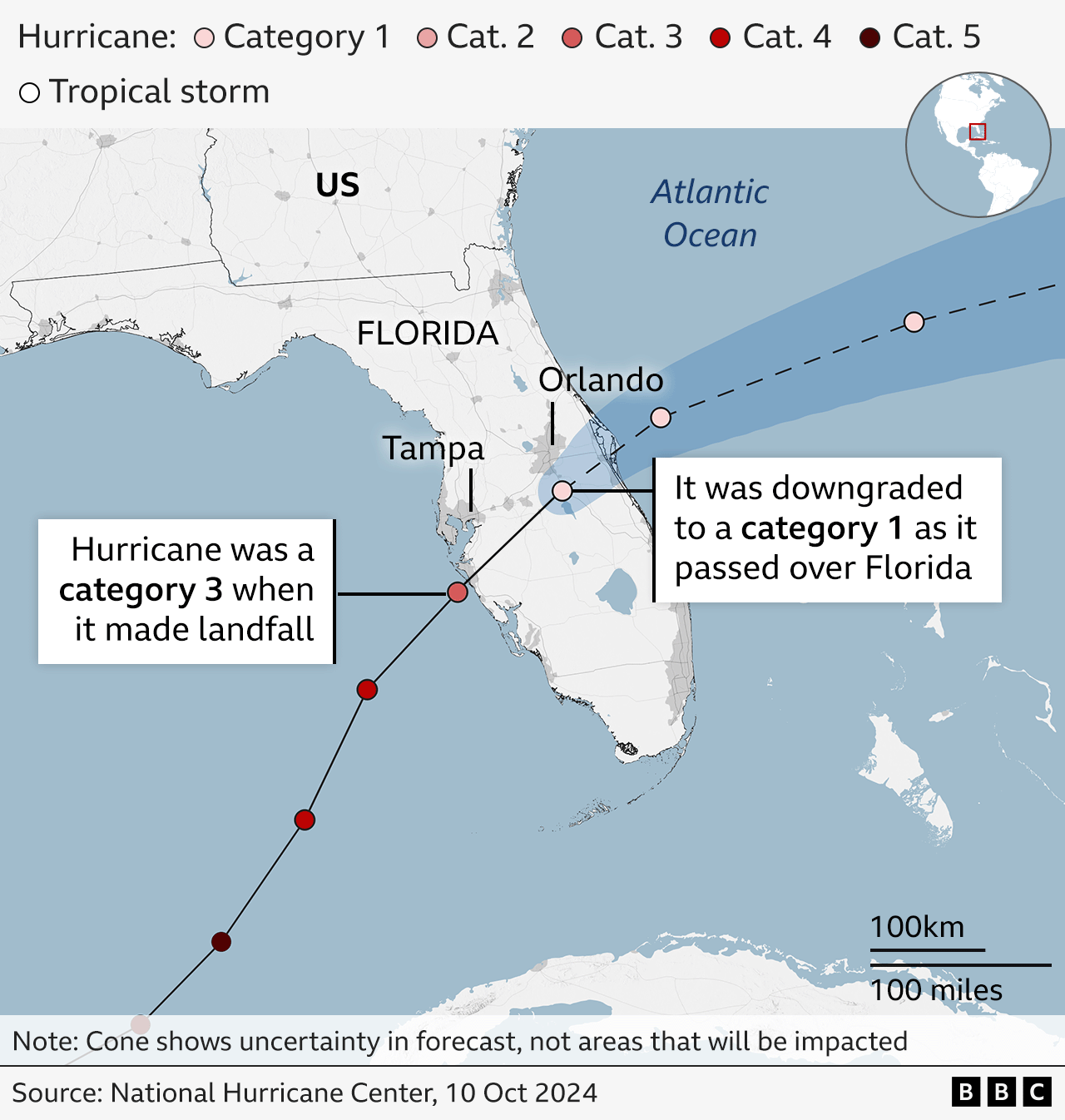
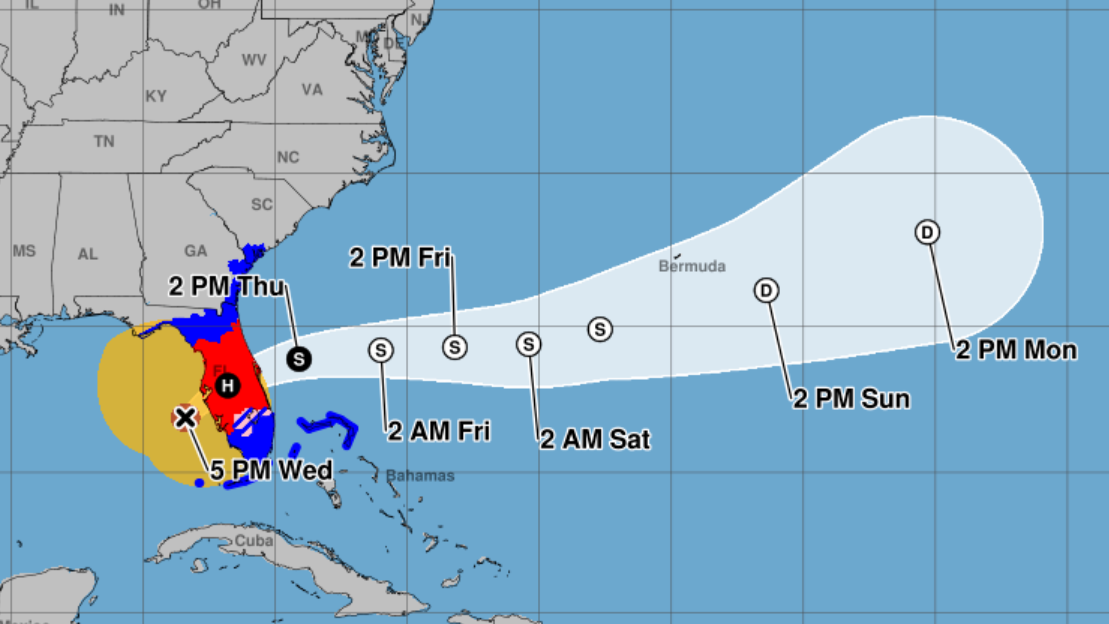
Meteorological agencies, most notably the National Hurricane Center (NHC), provide continuous updates on Hurricane Milton’s location, intensity, and forecast track. These projections are critical for travelers. Typically, a hurricane’s path is depicted with a “cone of uncertainty,” illustrating the probable track of the storm’s center. Even if the center is not directly over a specific area, significant impacts like heavy rainfall, strong winds, storm surge, and dangerous rip currents can extend hundreds of miles from the core. Travelers should consult official sources frequently, looking for details on sustained wind speeds, pressure, and the forward speed of the storm, as these factors dictate the severity and duration of potential effects on specific regions within Florida. Pay close attention to watches (conditions possible within 48 hours) and warnings (conditions expected within 36 hours), which trigger specific preparedness actions.
Potential Impact Zones Across Florida
Florida is a large state with diverse geographical features, meaning the impact of Hurricane Milton can vary significantly across different regions. Coastal areas are most susceptible to storm surge and damaging winds, while inland areas may experience severe flooding from torrential rains and isolated tornadoes.
- South Florida (e.g., Miami, Fort Lauderdale, Florida Keys): These regions are highly vulnerable to storm surge due to their low elevation and extensive coastline. Travelers to the Florida Keys may face mandatory evacuations well in advance of a storm’s arrival, given the limited egress routes. Miami and Fort Lauderdale, major port cities, could see significant disruptions to cruise departures and airline operations.
- Central Florida (e.g., Orlando, Tampa): While less exposed to storm surge, these areas are at risk of heavy rainfall, inland flooding, and high winds, which can still cause widespread power outages and damage. Theme parks in Orlando often have well-established hurricane policies, including potential closures and rebooking options, which travelers should verify directly. Tampa, situated on Tampa Bay, also faces storm surge threats depending on the storm’s track.
- Florida Panhandle (e.g., Pensacola, Panama City Beach): This region, often referred to as the Emerald Coast, is accustomed to hurricane activity. While potentially outside Milton’s direct path, indirect impacts or a shift in trajectory could quickly bring it into play.
Travelers should pinpoint their exact destination within Florida and monitor local weather alerts specific to that area, including those issued by county emergency management offices.
Immediate Travel Implications for Florida Travelers
A hurricane’s approach invariably triggers a cascade of changes across the travel industry. Understanding these implications is crucial for mitigating stress and potential financial loss.
Airline Waivers and Flight Adjustments
Major airlines operating into and out of Florida airports will typically issue travel waivers when a hurricane threatens. These waivers allow passengers to change their flight dates or destinations without incurring change fees, often for a specified travel period. Airlines like American Airlines, Delta Air Lines, and Southwest Airlines will post these policies on their websites. However, flights may still be cancelled or significantly delayed, especially at airports within the direct path or those serving as major hubs like Miami International Airport (MIA) or Orlando International Airport (MCO). Travelers scheduled to fly should check their flight status frequently and consider proactive changes if a waiver is offered and travel is non-essential. It’s often advisable to rebook for dates well after the projected impact to allow for airport operations to stabilize.
Hotel and Resort Policies
Accommodation providers, from luxury resorts to budget-friendly hotels, also adapt their policies in response to hurricane threats. Many offer lenient cancellation or rebooking options during periods of hurricane warnings or mandatory evacuations. Travelers should directly contact their hotel or resort to understand their specific hurricane policy, which might include refunds, future stay credits, or options to move reservations to sister properties in unaffected areas. If an evacuation order is issued for their location, guests will be expected to comply, and hotels may cease operations. It’s also worth noting that some resorts, particularly those on the coast, may have hurricane-hardened structures and detailed plans for sheltering guests during a storm, though this is less common during severe events. Always confirm these details and understand what services might be curtailed during a direct hit.
Cruise Line Reroutes and Cancellations
For travelers embarking on cruises from Florida ports such as PortMiami, Port Everglades, or Port Canaveral, Hurricane Milton poses a significant challenge. Cruise lines like Carnival Cruise Line and Royal Caribbean International prioritize passenger safety and will reroute ships to avoid severe weather, alter itineraries, or, in severe cases, cancel sailings entirely. Passengers booked on affected cruises will typically be offered refunds, future cruise credits, or options to rebook. It’s crucial for cruise passengers to monitor direct communications from their cruise line for the most up-to-date information regarding their specific sailing. Often, decisions are made just a few days or even hours before embarkation, so flexibility is key.
Essential Preparedness for Visitors and Residents
Whether you are a visitor caught in Florida during a hurricane threat or planning a future trip, preparedness is paramount.

Monitoring Official Advisories and Local Authorities
Beyond the National Hurricane Center, local emergency management agencies are the primary source of critical, localized information. Every county in Florida has an emergency management division that issues specific advisories, evacuation orders, and shelter information. Websites like FloridaDisaster.org consolidate statewide information. Travelers should download local weather apps, sign up for emergency alerts specific to their area, and follow official social media channels. Relying on unofficial sources can lead to misinformation and potentially dangerous decisions.
Emergency Kits and Evacuation Plans
For those already in Florida, having a basic emergency kit is advisable during hurricane season. This includes non-perishable food and water (one gallon per person per day for several days), a battery-powered radio, flashlights, extra batteries, a first-aid kit, copies of important documents, and any necessary medications. If an evacuation order is issued, it is critical to comply immediately. Have a pre-determined evacuation route, ideally inland, and ensure your vehicle is fueled. Know where emergency shelters are located, though often staying with friends or family outside the evacuation zone is preferred. Tourists may also consider travel insurance that specifically covers hurricane-related disruptions and evacuations.
Communication Strategies
During and after a hurricane, cell service can be intermittent or overloaded. Establish a communication plan with family and friends before the storm hits. Designate an out-of-state contact person who everyone can check in with. Text messages are often more reliable than phone calls during service disruptions. Have chargers and power banks ready to keep devices charged. For travelers, providing your itinerary and contact information to someone outside the affected area can be a lifesaver.
Navigating Post-Storm Travel: What to Expect
Even after Hurricane Milton has passed, its effects on travel to and within Florida can linger for days or even weeks. Patience and flexibility are essential for post-storm travel.
Infrastructure Recovery and Accessibility
Following a significant hurricane, infrastructure can be severely compromised. Roads may be blocked by debris or flooded, power grids can be down for extended periods, and public transportation services may be suspended. Airports and seaports require assessments and clearance before resuming full operations, often starting with humanitarian aid and essential personnel before commercial flights and cruises resume. Travelers should not attempt to return to affected areas prematurely. Always check with local authorities and transportation agencies about road closures and the status of airports and ports before making travel arrangements. Driving into a disaster zone can hinder recovery efforts and put both travelers and emergency responders at risk.
Reopening of Attractions and Services
Popular Florida attractions, including theme parks in Orlando, beaches, and state parks, will require time to assess damage, clean up, and ensure guest safety before reopening. Hotels and resorts may also face structural damage, power outages, and staffing shortages, impacting their ability to operate at full capacity. Before planning a visit, contact specific attractions and accommodations directly to confirm their operational status. Many will communicate updates via their official websites and social media channels. Expect some services to be limited, even in reopened establishments, as recovery takes time.
Supporting Local Tourism Responsibly
When it is safe to return, visiting Florida can be a powerful way to support local communities in their recovery efforts. By choosing local businesses, restaurants, and attractions, travelers contribute directly to the economic revitalization of storm-affected areas. However, responsible tourism means respecting the ongoing recovery, being mindful of resource limitations, and adhering to local guidelines. Avoid areas that are still undergoing significant clean-up or rebuilding. Inquire about volunteer opportunities if you wish to contribute directly, but prioritize safety and do not become a burden on local resources. Your patience and understanding can make a significant difference.
Long-Term Outlook for Florida as a Travel Destination
Florida has a long history of resilience in the face of hurricanes. While individual storms can cause significant disruption, the state’s tourism infrastructure is generally robust and designed to recover efficiently.
Resilience of the Sunshine State
The tourism industry in Florida is a cornerstone of its economy, and significant resources are dedicated to post-storm recovery and mitigation efforts. From enhanced building codes to rapid deployment of recovery teams, the state is experienced in bouncing back. Investments in infrastructure improvements, such as stronger power grids and elevated roads, aim to minimize future disruptions. While the immediate aftermath of Hurricane Milton may present challenges, the long-term outlook for Florida as a premier travel destination remains strong, owing to its natural beauty, world-class attractions, and the unwavering spirit of its residents.
Future Travel Planning Considerations
For those planning future trips to Florida, especially during hurricane season (June 1st to November 30th), consider purchasing comprehensive travel insurance that includes hurricane-related cancellations, delays, and medical emergencies. Stay flexible with your itinerary and always have contingency plans. Research the specific hurricane policies of your chosen airlines, hotels, and cruise lines before booking. While hurricanes are a natural part of Florida’s climate, with proper preparation and informed decision-making, travelers can still enjoy safe and memorable experiences in the Sunshine State. The key is to be proactive, stay informed, and prioritize safety above all else.
LifeOutOfTheBox is a participant in the Amazon Services LLC Associates Program, an affiliate advertising program designed to provide a means for sites to earn advertising fees by advertising and linking to Amazon.com. Amazon, the Amazon logo, AmazonSupply, and the AmazonSupply logo are trademarks of Amazon.com, Inc. or its affiliates. As an Amazon Associate we earn affiliate commissions from qualifying purchases.