
The vast expanse of the Pacific Ocean often conjures images of immense distances, separating continents and cultures by thousands of miles. Yet, within this vastness, certain regions forge surprisingly strong connections, both geographic and cultural. When we ask, “How close is Japan to Hawaii?”, we embark on a journey that transcends mere nautical miles, exploring a multifaceted relationship built on history, shared heritage, and dynamic modern travel. For those planning an unforgettable trans-Pacific adventure, understanding this unique bond offers invaluable insights into the destinations themselves, enriching every aspect of a trip, from accommodation choices to cultural experiences.

The Geographic Reality: Bridging the Pacific Divide
While the allure of tropical beaches and vibrant metropolises might suggest a world apart, the physical proximity between Japan and Hawaii is a crucial starting point. This distance dictates travel times and logistics, forming the foundation of any travel plan between these two captivating destinations.
Measuring the Miles: A Look at the Distance
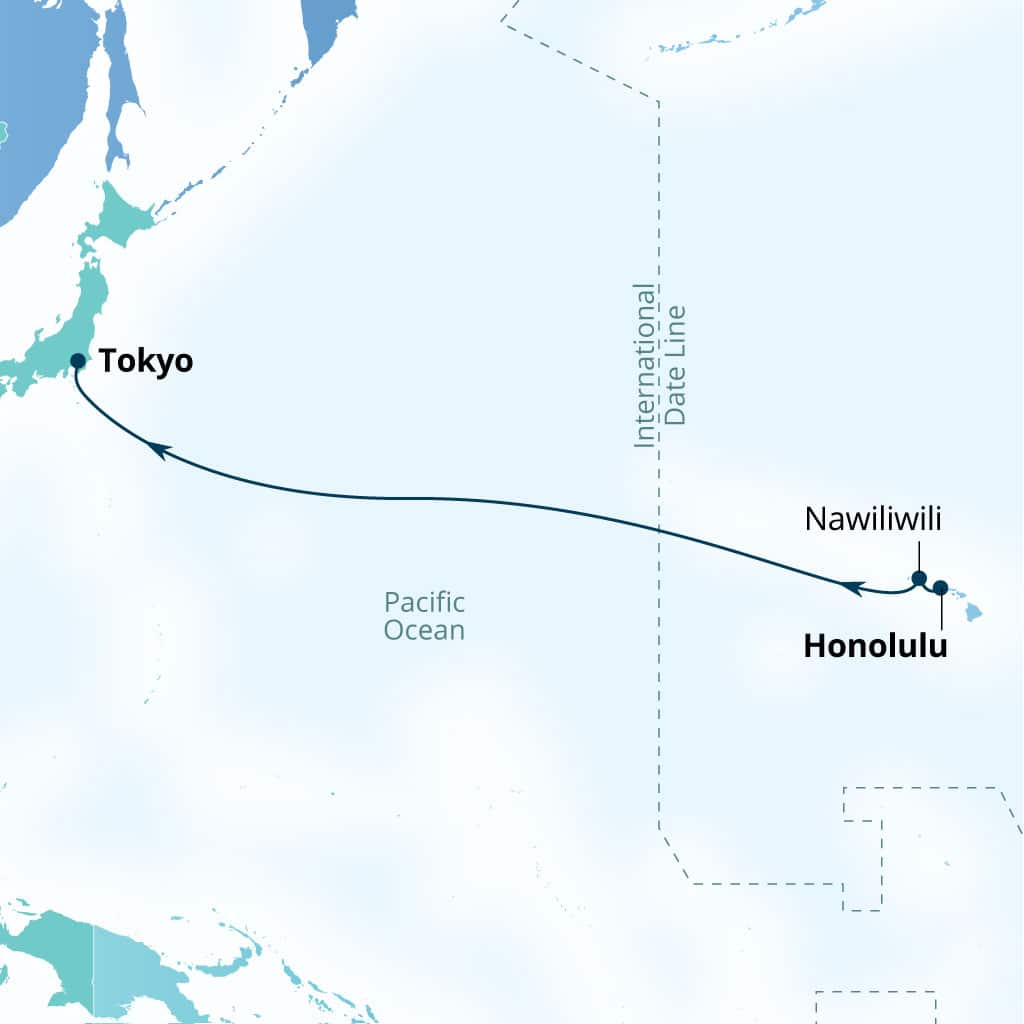
Geographically, Hawaii lies in the central Pacific Ocean, an isolated archipelago that serves as the northernmost island chain in Polynesia. Japan, on the other hand, is an island nation situated off the eastern coast of Asia. The straight-line distance, or great-circle distance, between major hubs like Tokyo and Honolulu is approximately 3,850 to 4,000 miles (about 6,200 to 6,400 kilometers). This substantial stretch of ocean places Hawaii roughly equidistant from the western coast of the United States mainland and the eastern shores of Japan.
For travelers, this distance means committing to a significant journey across time zones. Flying east from Japan to Hawaii involves crossing the International Date Line, a unique experience where one effectively gains a day, arriving before departure time in some instances, a fascinating quirk of global travel. Conversely, traveling west means losing a day. This temporal shift requires careful planning, especially when coordinating hotel bookings or tours.
The Aerial Journey: Flight Times and Routes
Despite the considerable distance, direct flights efficiently bridge the gap between Japan and Hawaii, making the journey surprisingly manageable. Major international airports in Japan – primarily Narita International Airport (NRT) and Haneda Airport (HND) near Tokyo, and Kansai International Airport (KIX) serving Osaka – offer numerous daily non-stop flights to Daniel K. Inouye International Airport (HNL) in Honolulu, Oahu.
The average flight time from Tokyo to Honolulu ranges from approximately 6.5 to 7.5 hours. Flights from Osaka are similarly timed. Several major airlines operate these routes, including Japan Airlines, All Nippon Airways, Hawaiian Airlines, and United Airlines, among others. The frequency of these flights underscores the popularity and importance of the air corridor between the two regions, reflecting strong demand from both business and leisure travelers.
While direct flights are the most convenient, connecting options are also available, often through other major U.S. or Asian hubs, though these extend travel time significantly. Travelers should factor in potential jet lag, especially when traveling west, and plan for rest upon arrival to fully enjoy their destination. Efficient travel planning includes comparing flight deals, considering layover times, and choosing reputable airlines that prioritize passenger comfort on long-haul routes.
A Shared History and Deep Cultural Exchange
Beyond the raw geographical data, the “closeness” of Japan and Hawaii is profoundly shaped by a rich tapestry of historical migration, cultural exchange, and mutual appreciation. This deep-rooted connection is palpable in Hawaii’s unique multicultural identity and Japan’s enduring fascination with the islands.
Echoes of Heritage: Japanese Influence in Hawaii
The most significant chapter in the shared history began in the late 19th and early 20th centuries when large waves of Japanese immigrants arrived in Hawaii to work on sugar plantations. These laborers, seeking economic opportunity, brought with them their traditions, language, and work ethic, profoundly shaping the social, economic, and cultural landscape of the islands.
Today, people of Japanese ancestry constitute one of Hawaii’s largest ethnic groups, and their heritage is interwoven into the fabric of daily life. This influence is evident in numerous ways:
- Cuisine: Japanese flavors are ubiquitous in Hawaiian food, from local staples like spam musubi to the widespread popularity of sushi, ramen, and [sashimi](https://lifeoutofthebox.com/sashimi]. Traditional Japanese sweets like mochi are also common treats.
- Festivals and Traditions: Observances like Obon (a Buddhist festival honoring ancestors) are celebrated with enthusiasm across the islands, featuring lively dances and lantern processions. New Year’s traditions also often incorporate Japanese customs.
- Language: Japanese is widely spoken and understood, especially in tourist areas, and is taught in many Hawaiian schools.
- Architecture and Landmarks: Sites such as the stunning Byodo-In Temple in Kaneohe (a replica of a 950-year-old temple in Uji, Japan) and the Japanese Cultural Center of Hawaii in Honolulu stand as enduring testaments to this heritage.
- Martial Arts: Japanese martial arts like Judo and Karate have a strong presence and following.
While the attack on Pearl Harbor in 1941 marked a tragic and complex chapter, leading to difficult times for Japanese Americans in Hawaii and the mainland United States, the islands’ multicultural spirit ultimately prevailed. Today, Pearl Harbor serves as a powerful reminder of history and a symbol of reconciliation and peace, drawing visitors from both nations.
Hawaii’s Allure for Japanese Travelers
The connection is certainly not one-sided. For decades, Hawaii has held a special place in the hearts of Japanese travelers. Post-war, as Japan’s economy boomed, Hawaii emerged as a premier international destination, particularly for honeymoons and family vacations.
The reasons for Hawaii’s enduring appeal to Japanese tourists are manifold:
- Tropical Paradise: The islands offer a stark contrast to Japan’s often temperate climate, with year-round warmth, pristine beaches like Waikiki Beach, and stunning natural beauty.
- Familiar Comfort: The significant Japanese influence in Hawaii means visitors can find familiar foods, speak their language, and encounter a welcoming environment where their culture is understood and respected. Many resorts and attractions cater specifically to Japanese guests.
- Shopping: Honolulu’s luxury boutiques and shopping centers are a major draw, offering international brands and duty-free options.
- Safety and Hospitality: Hawaii’s reputation for safety, cleanliness, and the renowned “Aloha Spirit” resonates deeply with Japanese travelers who value hospitality and a sense of security.
- Diverse Activities: From surfing and snorkeling to hiking volcanic landscapes and exploring vibrant marine life, Hawaii offers a wide array of activities that appeal to various interests.

This strong inbound tourism has further cemented the economic and cultural ties, fostering mutual understanding and continued exchange.
Modern Travel and Tourism: Connecting Two Worlds
For the modern traveler, the journey between Japan and Hawaii is not just a physical transition but an immersion into distinct yet interconnected worlds. Planning such a trip involves considering everything from flight logistics and booking accommodations to choosing experiences that match one’s lifestyle, whether seeking luxury, adventure, or cultural immersion.
Planning Your Trans-Pacific Adventure
A successful trip between these two destinations requires meticulous planning, capitalizing on their unique offerings while navigating the practicalities of international travel.
- Best Time to Visit: Both regions offer pleasant travel experiences year-round, but specific seasons have their advantages. Hawaii enjoys consistent warmth, with peak seasons around winter holidays and summer. Japan shines during spring (cherry blossoms) and autumn (fall foliage), though summer offers vibrant festivals and winter boasts skiing opportunities. Overlapping shoulder seasons can offer good value and fewer crowds.
- Visa and Entry Requirements: While Japanese citizens generally don’t require a visa for short tourist stays in the United States, they must obtain an ESTA (Electronic System for Travel Authorization) approval. Similarly, U.S. citizens traveling to Japan for tourism for up to 90 days usually do not need a visa. Always check the latest requirements from official government sources well in advance.
- Booking Flights and Accommodation: Given the popularity of both destinations, early booking is highly recommended, especially for flights and preferred hotels or resorts. Online travel agencies, direct airline and hotel websites, and specialized travel guides or tour operators can assist. Look for packages that combine flights and accommodation for potential savings.
- Budgeting: Travel costs can vary significantly. Flights are a major component, alongside accommodation ranging from luxury resorts to budget-friendly apartments or hostels. Daily expenses for food, activities, and transportation should also be factored in. For example, dining in Tokyo can range from Michelin-starred experiences to affordable street food, while Hawaii offers diverse options from high-end restaurants to local plate lunches.
- Packing: Consider the climate differences. Hawaii calls for light, breathable clothing, swimwear, and sun protection. Japan might require more varied attire depending on the season, from light layers in summer to warm coats in winter, and comfortable walking shoes are always essential.
Accommodation and Experiences: From Tokyo to Honolulu
The diversity of experiences and accommodation options in both Japan and Hawaii caters to every taste, making each leg of a trans-Pacific journey uniquely rewarding.
Exploring Japan
From bustling cities to serene landscapes, Japan offers a spectrum of attractions and accommodation styles.
- Hotels and Stays: In major cities like Tokyo, travelers can choose from ultra-luxury hotels like The Ritz-Carlton Tokyo or Park Hyatt Tokyo, renowned for their impeccable service and panoramic views. The historic Imperial Hotel provides a blend of tradition and modern comfort. For a uniquely Japanese experience, consider staying in a traditional ryokan, particularly in scenic areas like Kyoto or near Mount Fuji. More adventurous or budget-conscious travelers might opt for the efficiency of a capsule hotel or a stylish boutique apartment.
- Landmarks and Attractions: Tokyo dazzles with iconic spots like the vibrant Shibuya Crossing, the historic Senso-ji Temple, and the imperial grounds. Beyond Tokyo, Kyoto captivates with its ancient temples (Kinkaku-ji, Fushimi Inari-taisha), serene gardens, and traditional geisha district of Gion. Osaka boasts the majestic Osaka Castle and the lively Dotonbori entertainment district.
- Tourism and Lifestyle: Japanese tourism offers rich cultural experiences, from attending a traditional tea ceremony to exploring vibrant anime districts. Food tourism is paramount, with Japan offering everything from Michelin-starred fine dining to delectable street food. Transportation is efficient, with the Shinkansen (bullet train) connecting major cities seamlessly.
Discovering Hawaii
The Hawaiian islands, each with its distinct character, promise an unforgettable tropical escape.
- Hotels and Resorts: Oahu is home to world-renowned resorts along Waikiki Beach, such as the historic Moana Surfrider or the luxurious Halekulani. For a more secluded high-end experience, the Four Seasons Resort Oahu at Ko Olina offers unparalleled amenities. On Maui, Kaanapali and Wailea offer diverse resort options like The Ritz-Carlton, Kapalua. Vacation rentals and boutique apartments provide alternatives for longer stays or those seeking a more local feel.
- Islands and Landmarks: Each island offers unique attractions. Oahu combines urban vibrancy with natural wonders like Diamond Head and the North Shore’s famous surf breaks. Maui is celebrated for its scenic Road to Hana, stunning sunsets from Haleakala, and pristine beaches. Kauai enchants with the dramatic Na Pali Coast and lush landscapes. The Big Island (also known as Hawaii Island) captivates with its active volcanoes at Hawaii Volcanoes National Park and diverse microclimates.
- Activities and Experiences: Hawaii is an adventurer’s paradise, offering world-class surfing, snorkeling, scuba diving, and hiking. Cultural activities like attending a traditional luau and exploring local markets provide a deeper understanding of Hawaiian culture and cuisine.
Lifestyle and Luxury: Tailoring Your Trip
Both Japan and Hawaii cater to a wide range of travel lifestyles, allowing visitors to customize their experience from luxurious indulgence to budget-conscious exploration.
- Luxury Travel: For the discerning traveler, high-end resorts and hotels in both destinations offer unparalleled service, private villas, gourmet dining, and exclusive experiences. Think private ryokan stays with personal chefs in Kyoto, or oceanfront suites with dedicated concierge services in Maui. Private tours, yacht charters, and bespoke cultural immersions elevate the journey to an extraordinary level.
- Budget Travel: It’s entirely possible to explore both regions without breaking the bank. Japan offers excellent public transportation, affordable guesthouses, and delicious, inexpensive street food or local eateries. In Hawaii, camping, hostels, food trucks, and free outdoor activities like hiking and beach days can significantly reduce costs. Long-term stay options, such as serviced apartments or vacation rentals booked in advance, can also be more economical than traditional hotels.
- Family Trips: Both destinations are fantastic for families. Japan boasts theme parks like Tokyo Disneyland and Universal Studios Japan, interactive museums, and fascinating historical sites. Hawaii offers family-friendly resorts (like Aulani, A Disney Resort & Spa), calm beaches for swimming, snorkeling opportunities, and wildlife encounters.
- Business Stays: Major cities like Tokyo and Honolulu are equipped with state-of-the-art conference facilities, business hotels, and reliable connectivity for those traveling on business. Serviced apartments provide comfortable options for extended work trips.
- Romantic Getaways and Solo Exploration: From the tranquil beauty of Japan’s gardens and onsen towns to the romantic sunsets of Hawaii’s beaches, both destinations offer idyllic settings for couples. Solo travelers will find both regions safe and welcoming, with ample opportunities for independent exploration and self-discovery.
Beyond the Miles: The Enduring Bond
So, how close is Japan to Hawaii? Physically, they are separated by thousands of miles of the Pacific Ocean, requiring a several-hour flight to traverse. Yet, culturally and historically, they are remarkably intertwined. The echoes of Japanese heritage resonate throughout the Hawaiian islands, shaping its cuisine, traditions, and the very fabric of its society. Conversely, Hawaii serves as a cherished escape for countless Japanese travelers, drawn by its beauty, familiarity, and the enduring spirit of Aloha.
This unique relationship means that a journey between these two locales is more than just crossing a geographical divide; it’s an exploration of a profound human connection. Whether you’re seeking the vibrant modernity and ancient traditions of Japan or the sun-drenched beaches and laid-back rhythm of Hawaii, these destinations offer a world of experiences that are distinct yet remarkably complementary. For anyone contemplating a trans-Pacific adventure, the closeness of Japan and Hawaii lies not just in flight paths, but in the shared stories and mutual admiration that bind them across the vast blue expanse. It’s an invitation to explore, to discover, and to connect with two of the world’s most captivating island cultures.
LifeOutOfTheBox is a participant in the Amazon Services LLC Associates Program, an affiliate advertising program designed to provide a means for sites to earn advertising fees by advertising and linking to Amazon.com. Amazon, the Amazon logo, AmazonSupply, and the AmazonSupply logo are trademarks of Amazon.com, Inc. or its affiliates. As an Amazon Associate we earn affiliate commissions from qualifying purchases.