
Often dubbed the Sunshine State, Florida is synonymous with warm weather, pristine beaches, and endless outdoor activities. For many travelers seeking an escape from harsh northern winters, Florida represents an idyllic, sun-drenched sanctuary. However, the perception of Florida’s winter can sometimes be monolithic, overlooking the subtle yet significant variations in temperature across its vast expanse. Understanding how cold Florida truly gets in the winter is crucial for planning your perfect getaway, ensuring you pack appropriately and choose a destination that aligns with your ideal climate experience.
Dispelling the Myth: Florida’s Winter Warmth
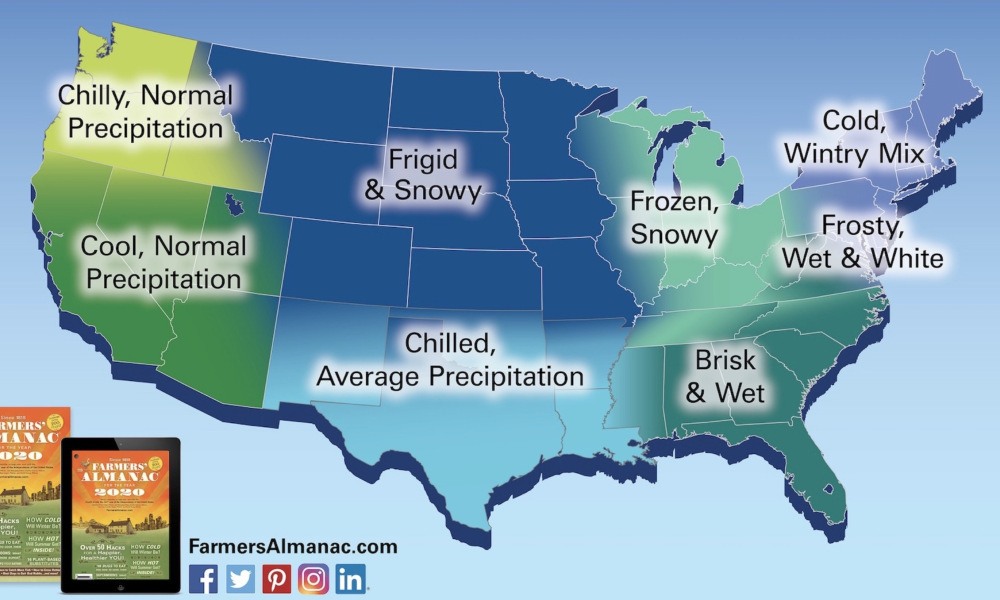
While “winter” in much of North America conjures images of snow, ice, and biting winds, Florida’s interpretation is far more lenient. The state generally enjoys a mild and pleasant winter season, making it a premier destination for those looking to avoid colder climates. From December through February, average daytime temperatures across the state typically range from the low 60s Fahrenheit (15-18°C) in the northern regions to the mid-70s Fahrenheit (24-25°C) in the southern tip. Nights, naturally, are cooler, often dipping into the 40s (4-9°C) or 50s (10-15°C), particularly inland and further north.

What truly sets Florida apart during winter is the abundance of sunshine and significantly lower humidity compared to its sweltering summer months. This combination creates an exceptionally comfortable environment for exploring attractions, enjoying outdoor sports, or simply relaxing by the coast. The absence of the oppressive heat and humidity of summer means that many activities that would be strenuous in July become delightful experiences in January. This makes Florida a popular choice for snowbirds, families, and solo travelers alike, all seeking a respite from the chill.
Regional Variances: North vs. Central vs. South
Florida’s elongated peninsular shape means there’s a considerable north-to-south gradient in winter temperatures. What might be a balmy day in Miami could feel distinctly crisp in Jacksonville. Understanding these regional differences is key to selecting your ideal winter destination.
Northern Florida: A Touch of Chill
Cities like Jacksonville, Tallahassee, and Pensacola in the northern part of the state experience the coolest winter temperatures. Here, winter days typically see highs in the low to mid-60s Fahrenheit (15-18°C), with nights often falling into the 40s (4-9°C). It’s not uncommon for temperatures to dip into the 30s (0-4°C) on clear, still nights, and frost can occasionally occur, especially inland. While snow is exceedingly rare, it’s not entirely unheard of in the extreme northern panhandle during severe cold snaps.
For travelers to North Florida, a light to medium jacket is a necessity, especially for evenings and early mornings. Activities here might lean more towards exploring historic districts, nature trails, or enjoying the lively arts and culture scenes rather than beach-centric endeavors, though mild sunny days can still be pleasant by the Gulf Coast or Atlantic Coast.
Central Florida: Mild and Pleasant
Moving south into Central Florida, home to popular destinations like Orlando, Tampa, and Daytona Beach, the winter climate becomes noticeably milder. Daytime highs generally hover in the upper 60s to low 70s Fahrenheit (19-23°C), creating near-perfect conditions for outdoor activities. Nights are cooler, usually in the 40s or 50s Fahrenheit (7-15°C). While a sweater or light jacket is advisable for evenings, daytime attire is often comfortable short sleeves.
This region’s winter climate is particularly ideal for visiting world-renowned theme parks like Walt Disney World Resort and Universal Studios Florida. The absence of intense heat and humidity makes walking around these sprawling attractions far more enjoyable. Golfers flock to Central Florida during these months to take advantage of the favorable weather on its numerous courses. Beach days along the coasts are certainly possible on warmer afternoons, though the ocean water might feel a bit brisk for some.
South Florida: Tropical Escape
The southernmost reaches of Florida, encompassing Miami, Fort Lauderdale, and the Florida Keys down to Key West, offer the warmest winter climate in the continental United States. Here, winter feels distinctly tropical. Daytime highs consistently reach the mid-70s Fahrenheit (24-25°C), and often climb into the low 80s (27-28°C). Nighttime lows rarely dip below the low 60s Fahrenheit (15-18°C), making evenings incredibly comfortable.
This is the region where you can confidently plan beach vacations and water sports even in January. The ocean water temperatures remain suitable for swimming, snorkeling, and diving, especially further south in the Florida Keys. Sunscreen, swimwear, and light clothing are staples, though a light sweater or wrap might be welcome for cooler evenings or air-conditioned indoor spaces. For travelers seeking guaranteed warmth and a true escape from winter, South Florida is the unequivocal choice.
Understanding Cold Fronts and Variability
While Florida’s winter is generally mild, it’s important for travelers to be aware of the occasional cold front that can sweep through the state. These fronts originate from the continental U.S. and can bring a temporary but noticeable drop in temperatures, often accompanied by strong winds and sometimes rain.
When a strong cold front passes, even South Florida can experience days in the 50s Fahrenheit (10-15°C) and nights in the 40s (4-9°C). In Central Florida, temperatures might fall into the 30s (0-4°C) overnight, and North Florida could even see freezing temperatures and frost. These cold snaps typically last only a few days before the warmth returns, but they can catch unprepared travelers off guard.
It’s wise to monitor weather forecasts in the days leading up to and during your trip, especially if you’re planning a full itinerary of outdoor activities. Having layers in your luggage, even if you’re heading to the warmest parts of the state, is the best defense against unexpected chill.
What to Pack for a Florida Winter Trip
The key to packing for a Florida winter is versatility and layering. Given the potential for warm days and cooler evenings, and the possibility of a passing cold front, a varied wardrobe will serve you well.
- Lightweight Clothing: Even in winter, most days in Central and South Florida will call for shorts, t-shirts, and sundresses. Pack plenty of breathable fabrics.
- Layering Pieces: Essential for adapting to fluctuating temperatures. Include long-sleeved shirts, light sweaters, and a comfortable cardigan or fleece jacket. These can be added or removed as needed throughout the day.
- Outerwear: For North Florida, a medium-weight jacket or a waterproof windbreaker is recommended. For Central and South Florida, a light jacket or a denim jacket will usually suffice for evenings and cooler days.
- Swimwear: Absolutely! Especially if you’re staying in Central or South Florida or at a hotel with a heated pool. The beaches in the southern part of the state are often warm enough for swimming.
- Comfortable Footwear: Sandals or open-toed shoes for warm days are perfect. Also include closed-toe shoes like sneakers for walking around theme parks, nature trails, or cooler evenings.
- Sun Protection: Don’t forget sunglasses, a wide-brimmed hat, and high-SPF sunscreen. The Florida sun is strong even in winter.

Winter Activities and Experiences
Florida’s mild winter climate opens up a plethora of travel experiences that are either more enjoyable or uniquely available during this season.
- Theme Park Adventures: Visiting Orlando’s famous theme parks, including Walt Disney World Resort and Universal Studios Florida, in winter means more comfortable temperatures for walking and often fewer crowds, particularly outside of holiday periods.
- Beach and Water Sports: While North Florida beaches might be for strolling, South Florida offers excellent conditions for swimming, snorkeling, diving, paddleboarding, and kayaking. The Florida Keys are a prime example, with clear waters and abundant marine life.
- Wildlife Viewing: Winter is an exceptional time for wildlife enthusiasts. Manatees, seeking warmer waters, congregate in Florida’s springs and coastal areas, offering incredible viewing opportunities. Bird migration also brings a diverse array of species to the state’s wetlands and preserves. A visit to Everglades National Park is particularly pleasant without the summer heat and mosquitoes.
- Outdoor Sports: Golfing, tennis, cycling, and hiking are immensely popular during the winter months when the weather is ideal for physical activity.
- Festivals and Events: Florida hosts a vibrant array of outdoor festivals, art shows, and food events throughout the winter, leveraging the comfortable climate. From art festivals in Miami to boat shows in Fort Lauderdale, there’s always something happening.
- Space Coast Exploration: A trip to the Kennedy Space Center Visitor Complex near Cape Canaveral is a fascinating winter excursion, offering educational experiences without the summer heat.
In conclusion, “cold” in Florida is a relative term. While the northern reaches of the state can experience a genuine winter chill, particularly at night, the central and southern regions consistently deliver delightful, mild, or even warm conditions. By understanding these regional nuances and packing smart, travelers can fully embrace Florida’s unique winter charm and enjoy an unforgettable escape from colder climates.
LifeOutOfTheBox is a participant in the Amazon Services LLC Associates Program, an affiliate advertising program designed to provide a means for sites to earn advertising fees by advertising and linking to Amazon.com. Amazon, the Amazon logo, AmazonSupply, and the AmazonSupply logo are trademarks of Amazon.com, Inc. or its affiliates. As an Amazon Associate we earn affiliate commissions from qualifying purchases.