
Colorado, a state synonymous with majestic mountains, outdoor adventure, and vibrant cities, is also renowned for its distinct and often dramatic weather patterns. For anyone planning a visit, especially outside of the summer months, a crucial question arises: “How cold does it get in Colorado?” The answer is complex, as the state’s vast geography, ranging from towering peaks to high desert plains, results in an incredible diversity of microclimates and temperature extremes. Understanding Colorado’s cold is not just about a single number on a thermometer; it’s about appreciating the interplay of elevation, latitude, and local topography that crafts an experience unique to this part of the United States. From bone-chilling alpine lows that challenge even the most seasoned winter enthusiasts to crisp, sunny days in the urban centers that belie the true cold lurking in the shadows, Colorado’s winters are a symphony of frosty beauty and formidable conditions. This guide delves into the nuances of Colorado’s cold, offering insights for travelers to prepare for and fully embrace the state’s winter charm.
Understanding Colorado’s Diverse Climate Zones
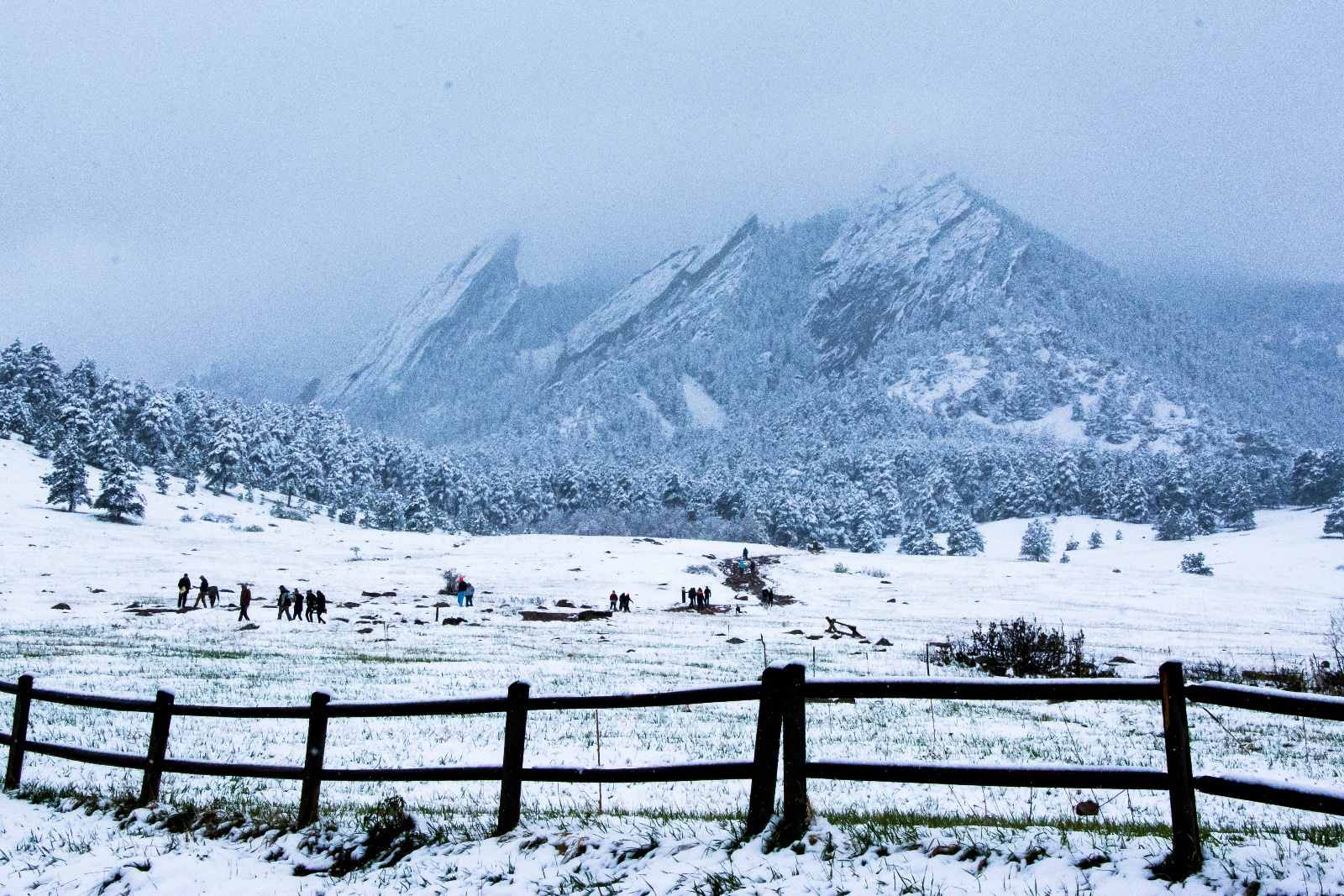
Colorado’s climate is not monolithic; it’s a tapestry woven from four distinct geographic regions, each with its own unique relationship with the cold. Travelers must recognize these differences to accurately gauge what kind of temperatures and conditions they might encounter.
The Rocky Mountains: A Winter Wonderland
The backbone of Colorado, the Rocky Mountains, are undeniably the coldest region. Here, elevations routinely exceed 10,000 feet, leading to significantly lower temperatures. Winter in the high country typically begins in October and can linger well into May, sometimes even June at the highest elevations. Average daytime temperatures during peak winter (December-February) often hover in the teens (°F), with overnight lows plummeting into single digits or even well below zero. Ski resorts like Aspen, Vail, and Breckenridge revel in these frigid conditions, which ensure abundant, high-quality snow. However, travelers venturing into these areas must be prepared for extreme cold, heavy snowfall, and whiteout conditions, especially on mountain passes. The perceived cold can be intensified by wind chill, making sub-zero air temperatures feel even more brutal. Even during summer months, temperatures at these elevations can drop to near-freezing overnight, reminding visitors of the mountains’ ever-present chill.
The Front Range Urban Corridor: Colder, But Variable
Stretching from Fort Collins in the north through Denver and Colorado Springs to Pueblo in the south, the Front Range is home to the majority of Colorado’s population. While still experiencing distinct and often very cold winters, this region’s weather is famously variable. Average winter daytime temperatures in Denver typically range from the high 30s to low 40s (°F), with overnight lows in the teens and 20s. However, the Front Range is frequently affected by “Chinook winds” – warm, dry downslope winds that can cause temperatures to rapidly rise by 20-30 degrees in a matter of hours, often melting snow quickly. Conversely, arctic cold fronts can sweep in, dropping temperatures to well below zero with significant snowfall. This variability means that while one day might be mild and sunny, the next could be gripped by a severe cold snap, demanding flexibility in travel plans and a prepared wardrobe. Cities like Boulder at the base of the mountains often experience a similar pattern, with the added influence of mountain weather spilling onto the plains.
The Western Slope: Milder Winters, More Snow
West of the Continental Divide, the Western Slope presents a slightly different winter character. Cities like Grand Junction, situated in a high desert environment, experience comparatively milder winters than the Front Range or the high mountains. Daytime temperatures here often range from the 30s to low 40s (°F), with overnight lows typically in the teens. While still cold, the extreme sub-zero temperatures are less frequent. However, the mountains on the Western Slope still receive significant snowfall, feeding world-class ski areas and providing ample opportunities for winter recreation. The moisture content of the snow can also differ, with the famous “champagne powder” of the Rockies being a key draw for skiers and snowboarders. This region benefits from its elevation and proximity to moisture-laden Pacific storms, which can drop substantial snow but without the extreme low temperatures of the higher Rockies or the intense winds of the Eastern Plains.
The Eastern Plains: Extreme Cold and Wind
Venturing east of the Front Range, the Eastern Plains present a harsh, continental climate. This flat, exposed landscape offers little protection from arctic air masses that sweep down from Canada and the northern United States. Winters here are characterized by bitter cold, often accompanied by strong winds that amplify the chill factor. Average daytime temperatures typically range from the 20s to 30s (°F), but overnight lows can easily plunge into the single digits or below zero, especially during cold snaps. Snowfall can be significant, and combined with high winds, blizzards are a real threat, leading to treacherous driving conditions and road closures. The lack of mountainous terrain to block the winds means that even when the air temperature isn’t exceptionally low, the wind chill can make it feel far colder than in more sheltered areas. Travelers crossing this region must be acutely aware of weather forecasts and prepare for severe winter driving conditions.
Seasonal Temperature Breakdown: What to Expect
While Colorado is known for its cold, the intensity and duration vary significantly with the seasons. A detailed look at each season reveals the specific challenges and charms of Colorado’s temperatures.
Winter (December – February): The Peak Cold Season
This is when Colorado truly lives up to its cold reputation. In the high Rockies, average daytime highs hover around 20°F (-7°C), with overnight lows frequently dipping to -10°F (-23°C) or colder. Record lows can reach astonishing depths, sometimes below -40°F (-40°C) in specific mountain valleys like Fraser or Gunnison, earning them titles as “iceboxes” of the nation. These extreme lows are often accompanied by heavy snowfall, making for prime skiing and snowboarding conditions, but also demanding serious preparation for anyone spending time outdoors. In Denver and the Front Range, average daytime temperatures are typically in the high 30s to low 40s (°F) (3-7°C), with nights in the teens to low 20s (-7 to -3°C). However, arctic fronts can bring rapid drops, sometimes seeing temperatures fall 50 degrees or more in a day, resulting in sub-zero overnight lows. Snowfall is common, but often melts between storms due to the intense Colorado sun and occasional warm Chinook winds.
Spring (March – May): Unpredictable Thaws and Freezes
Colorado spring is a season of dramatic contrasts. While the days gradually lengthen and temperatures begin to rise, it’s also famous for its late-season snowstorms. March and April can often be the snowiest months in the mountains and even along the Front Range. Daytime temperatures in Denver might swing from the 50s and 60s (°F) (10-15°C) one week, to 20s and heavy snow the next. Overnight lows can still frequently drop below freezing, especially in March and early April, necessitating warm clothing even as buds begin to appear. In the high country, winter conditions persist well into May, with many mountain passes remaining closed due to snow. Backcountry skiers often find some of the best conditions in late spring, but avalanche danger can be particularly high due to fluctuating temperatures. By late May, most lower elevations have shed their winter grip, though mornings can still be crisp, and mountain evenings remain distinctly cool.
Autumn (September – November): Crisp Air and Early Snows
Autumn in Colorado is breathtaking, with vibrant foliage giving way to the first hints of winter’s arrival. September is generally mild, but by October, the air becomes noticeably crisper, and overnight temperatures in the high mountains regularly fall below freezing. The first significant snowfalls typically occur in the Rockies by mid-October, sometimes earlier at very high elevations. By November, winter is firmly established in the mountains, with average daytime temperatures often in the 20s and 30s (°F). Along the Front Range, November brings average highs in the 40s (°F) (4-9°C) and overnight lows consistently below freezing. The period between late October and early November is a transitional phase where warm layers are absolutely essential, as days can be sunny but mornings and evenings are decidedly cold. The cold serves as a beautiful backdrop to the changing colors and prepares the landscape for the deep snows of winter.
Summer (June – August): High Altitude Coolness
While “cold” might not be the primary descriptor for Colorado summers, it’s crucial for travelers to understand that even during the warmest months, the cold is never far away, especially at higher elevations. In Denver and the Front Range, summer days are typically warm, with highs in the 80s and 90s (°F) (27-32°C). However, the arid climate often leads to comfortable evenings that quickly cool into the 50s and 60s (°F) (10-15°C). The real surprise for many visitors comes in the mountains. At elevations above 8,000 feet, daytime temperatures rarely exceed the 70s (°F) (21°C), and overnight lows can easily dip into the 40s and even 30s (°F) (4-0°C). Backpackers and campers in the high country must still prepare for freezing temperatures, especially at night or during unexpected summer snow showers that can occur at any elevation above 10,000 feet. A light jacket or fleece is a year-round essential in Colorado due to this persistent high-altitude coolness.
Factors Influencing Colorado’s Temperatures
Several geographical and meteorological phenomena converge to create Colorado’s unique temperature profile. Understanding these factors provides deeper insight into why the state experiences such variability and extremes.
Elevation: The Dominant Factor
Unquestionably, elevation is the most significant determinant of temperature in Colorado. For every 1,000 feet (approximately 300 meters) of increase in altitude, the temperature generally drops by about 3.5 to 5.5 degrees Fahrenheit (2 to 3 degrees Celsius). Given that much of Colorado lies above 5,000 feet, and many mountain passes exceed 10,000 feet, this effect is profound. A sunny 50°F (10°C) day in Denver (5,280 feet) could easily be a 20°F (-7°C) day with blowing snow in Loveland Pass (11,990 feet) on the same afternoon. This also explains why mountain towns remain cold for much longer in the spring and cool down much earlier in the autumn. The thin air at high altitudes holds less heat, making temperatures fluctuate more rapidly between day and night.
Geographic Features: Mountains and Plains
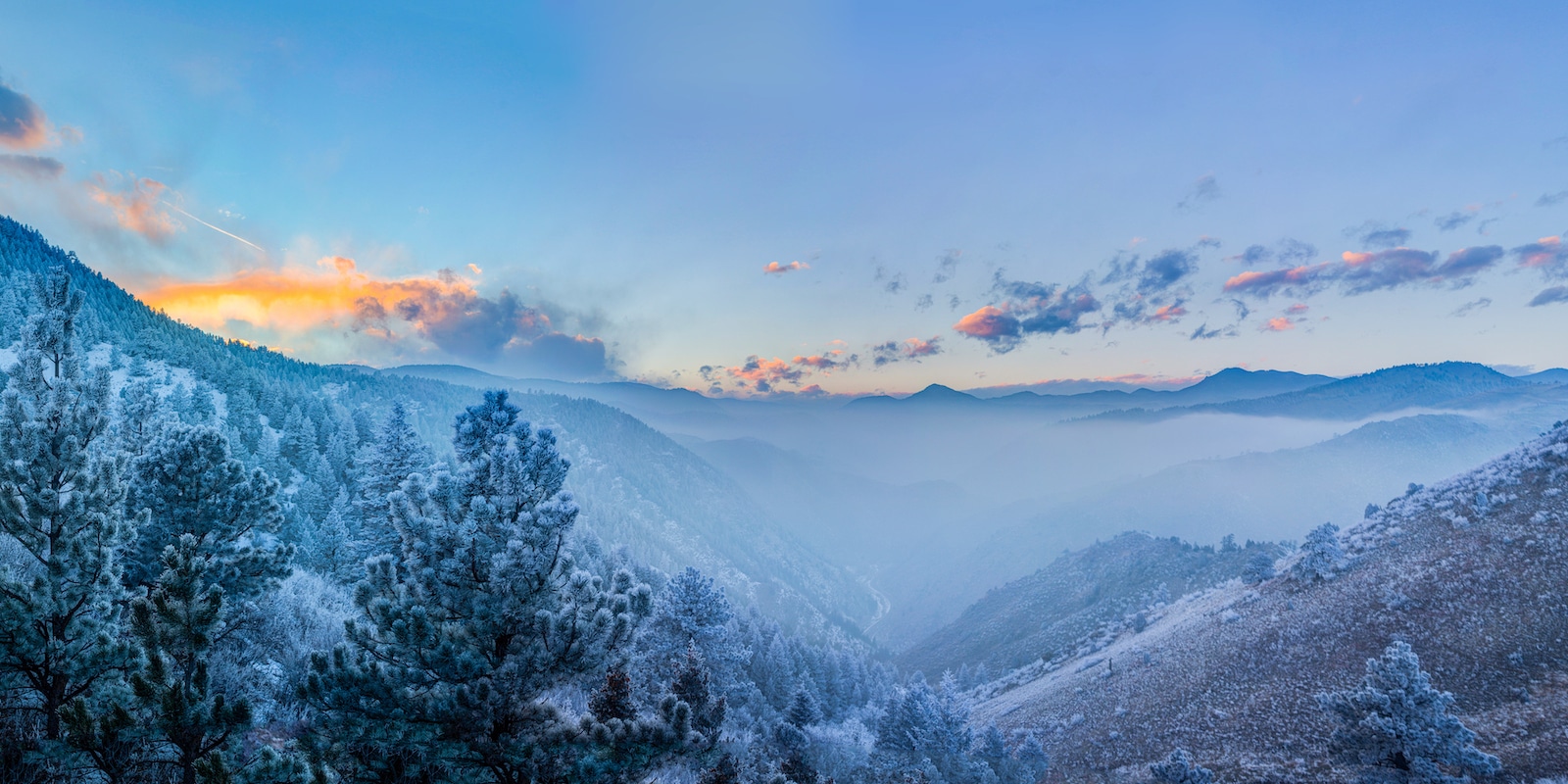
The dramatic topography of the Rocky Mountains acts as a powerful climate modifier. The mountains create a “rain shadow” effect, making the Western Slope and particularly the Eastern Plains much drier than they would otherwise be. The orographic lift forces moist air upwards, cooling it and causing precipitation (often snow) on the windward side of the mountains, leaving drier air on the leeward side. This also influences wind patterns; the notorious Chinook winds are a direct result of air descending the eastern slopes of the Rockies, warming as it compresses and bringing sudden temperature spikes to the Front Range. Conversely, the expansive, flat Eastern Plains are completely exposed to cold arctic air masses, allowing them to penetrate deep into the state without topographic barriers, resulting in severe cold and wind chill.
Arid Climate: Dry Cold
Colorado boasts a semi-arid to arid climate across much of the state. Low humidity is a defining characteristic, and this plays a significant role in how cold temperatures are perceived. “Dry cold” often feels less penetrating than humid cold at the same temperature, especially for those accustomed to more humid climates. However, this also means that the lack of moisture in the air allows for faster radiative cooling at night, leading to more dramatic temperature drops after sunset. The dry air also contributes to rapid evaporation, which can make individuals feel colder if their skin or clothing is damp. While the sun can feel intensely warm during the day, the moment one steps into the shade, the dry cold quickly asserts itself.
Sun Exposure: High Altitude Intensity
Despite the often frigid air temperatures, Colorado famously enjoys over 300 days of sunshine per year. At high altitudes, the sun’s rays are more intense due to less atmospheric filtering. This means that a winter day with an air temperature of 20°F (-7°C) but bright sunshine can feel surprisingly comfortable, even warm, when directly exposed to the sun. Locals often shed layers on sunny slopes while skiing, only to bundle back up the moment they enter a shaded area or the sun dips behind a mountain. This high-altitude sun is a double-edged sword: it makes cold days bearable and even enjoyable, but it also necessitates strong sun protection (sunscreen, sunglasses) even in the dead of winter, as snow reflects up to 80% of UV radiation.
Preparing for Colorado’s Cold: Essential Travel Tips
Traveling to Colorado, especially during the colder months, requires thoughtful preparation. Embracing the cold is key to enjoying the state’s natural beauty and recreational opportunities.
Layering is Key: The Colorado Mantra
The single most important tip for dressing in Colorado is to dress in layers. Due to the rapid temperature fluctuations and varying activity levels, having multiple adaptable layers is crucial.
- Base Layer: Moisture-wicking material (merino wool or synthetic) close to the skin to manage sweat. Avoid cotton.
- Mid-Layer: Insulating layer like a fleece jacket or down vest for warmth.
- Outer Layer: Waterproof and windproof shell jacket and pants to protect against snow, rain, and bitter winds.
This system allows you to add or remove clothing as conditions change, ensuring comfort throughout the day.
Essential Gear: From Head to Toes
Beyond clothing layers, specific accessories are vital for enduring Colorado’s cold:
- Warm Hat: Much body heat is lost through the head.
- Gloves or Mittens: Waterproof and insulated for snow activities.
- Warm, Waterproof Boots: With good traction for snow and ice.
- Thermal Socks: Wool or synthetic blends are superior to cotton.
- Scarf or Neck Gaiter: To protect the face and neck from wind and cold.
- Sunglasses/Goggles: Essential for sun protection and reducing glare off snow.
Vehicle Preparedness: Driving in Winter Conditions
If you plan to drive in Colorado during winter, particularly in mountainous areas, preparedness is non-negotiable.
- 4WD/AWD or Snow Tires: Highly recommended for mountain roads. Many passes require specific traction devices (snow tires or chains) during winter storms.
- Emergency Kit: Include blankets, extra warm clothes, water, non-perishable food, a shovel, flashlight, first-aid kit, and jumper cables.
- Check Road Conditions: Always check Colorado Department of Transportation (CDOT) for current road closures and conditions before departing.
- Full Tank of Gas: Never let your tank run low, especially in remote areas.
Hydration and Sun Protection: Even in Winter
High altitude and dry air can quickly lead to dehydration, even in cold weather. Drink plenty of water. The intense sun, magnified by reflection off snow, makes sunscreen and lip balm with SPF essential to prevent sunburn and chapped skin, even on cloudy days.
Planning Activities Around the Cold
Embrace the cold! Colorado’s winter sports are world-class.
- Skiing and Snowboarding: Resorts like Vail, Aspen, Telluride, and Steamboat Springs offer incredible slopes.
- Snowshoeing and Cross-Country Skiing: Explore quieter trails and national forests.
- Ice Skating: Many cities and resorts have outdoor rinks.
- Hot Springs: A perfect way to warm up after a day in the cold. Glenwood Springs is a popular destination.
Balance outdoor activities with indoor experiences like museums, breweries, and local eateries to warm up and recover.
Record-Breaking Cold and Extreme Weather Events
While average temperatures provide a general idea, Colorado is also known for its capacity to produce truly extreme cold events and dramatic weather phenomena that are important for travelers to be aware of.
Historically Low Temperatures
Colorado holds several records for extreme cold. The lowest temperature ever recorded in the state was a staggering -61°F (-52°C) in Maybell on February 1, 1985. Other areas like Fraser and Gunnison, situated in high-altitude valleys where cold air settles, regularly report some of the nation’s coldest temperatures during winter months. These extreme lows are not everyday occurrences but highlight the potential for severe cold snaps, particularly during periods of clear, calm skies where radiant cooling is maximized. While visitors to major urban or resort areas might not experience these record-breaking figures, it underscores the inherent cold potential of the state’s geography.
Blizzards and Snowstorms
Beyond just cold, Colorado is prone to powerful blizzards and heavy snowstorms. These events can bring feet of snow, high winds, and near-zero visibility, leading to widespread travel disruptions, road closures (especially over mountain passes), and even power outages. The famous “Bomb Cyclone” in March 2019, for example, brought whiteout conditions and record-low pressures to the Front Range and Eastern Plains, effectively shutting down the region for a day. While these are infrequent, they are a real risk during winter and spring, demanding that travelers stay informed about weather forecasts and be prepared to alter their plans for safety.
Rapid Temperature Swings
One of the most defining characteristics of Colorado weather, particularly along the Front Range, is its rapid temperature swings. It is not uncommon for temperatures to drop 30, 40, or even 50 degrees Fahrenheit in a matter of hours as a cold front moves through. This phenomenon can turn a mild, sunny afternoon into a bitterly cold evening with snow on the ground. These sudden shifts are largely due to the interaction of warm Chinook winds with incoming arctic air masses. While fascinating, they require constant vigilance from residents and visitors alike, reinforcing the importance of layered clothing and checking weather updates multiple times a day.
In conclusion, “how cold does it get in Colorado?” is a question with many answers, depending on where you are, when you visit, and what factors are at play. From the extreme, persistent cold of the high Rocky Mountains to the variable but often intense chill of the Front Range and the biting winds of the Eastern Plains, Colorado’s winters are undeniably formidable. Yet, with proper preparation, an understanding of the local climate zones, and respect for the powerful influence of elevation and weather systems, the cold becomes an integral part of the unforgettable Colorado experience. Whether you’re hitting the slopes, exploring a mountain town, or enjoying the crisp air of a city park, being prepared for the cold will ensure your Colorado adventure is both comfortable and exhilarating.
LifeOutOfTheBox is a participant in the Amazon Services LLC Associates Program, an affiliate advertising program designed to provide a means for sites to earn advertising fees by advertising and linking to Amazon.com. Amazon, the Amazon logo, AmazonSupply, and the AmazonSupply logo are trademarks of Amazon.com, Inc. or its affiliates. As an Amazon Associate we earn affiliate commissions from qualifying purchases.