
When you picture Hawaii, what comes to mind? Likely, it’s sun-drenched beaches, swaying palm trees, and a gentle, warm breeze. The image of aloha spirit and eternal summer is deeply ingrained in our collective consciousness. This idyllic vision, for the most part, holds true. The Hawaiian Islands are a tropical paradise, renowned for their consistently pleasant temperatures year-round. However, the question of “how cold does it get in Hawaii?” hints at a nuance often overlooked. While you won’t find snowdrifts or frostbite, the islands do experience variations in temperature, and depending on where you are and when you visit, you might be surprised by just how cool it can get.
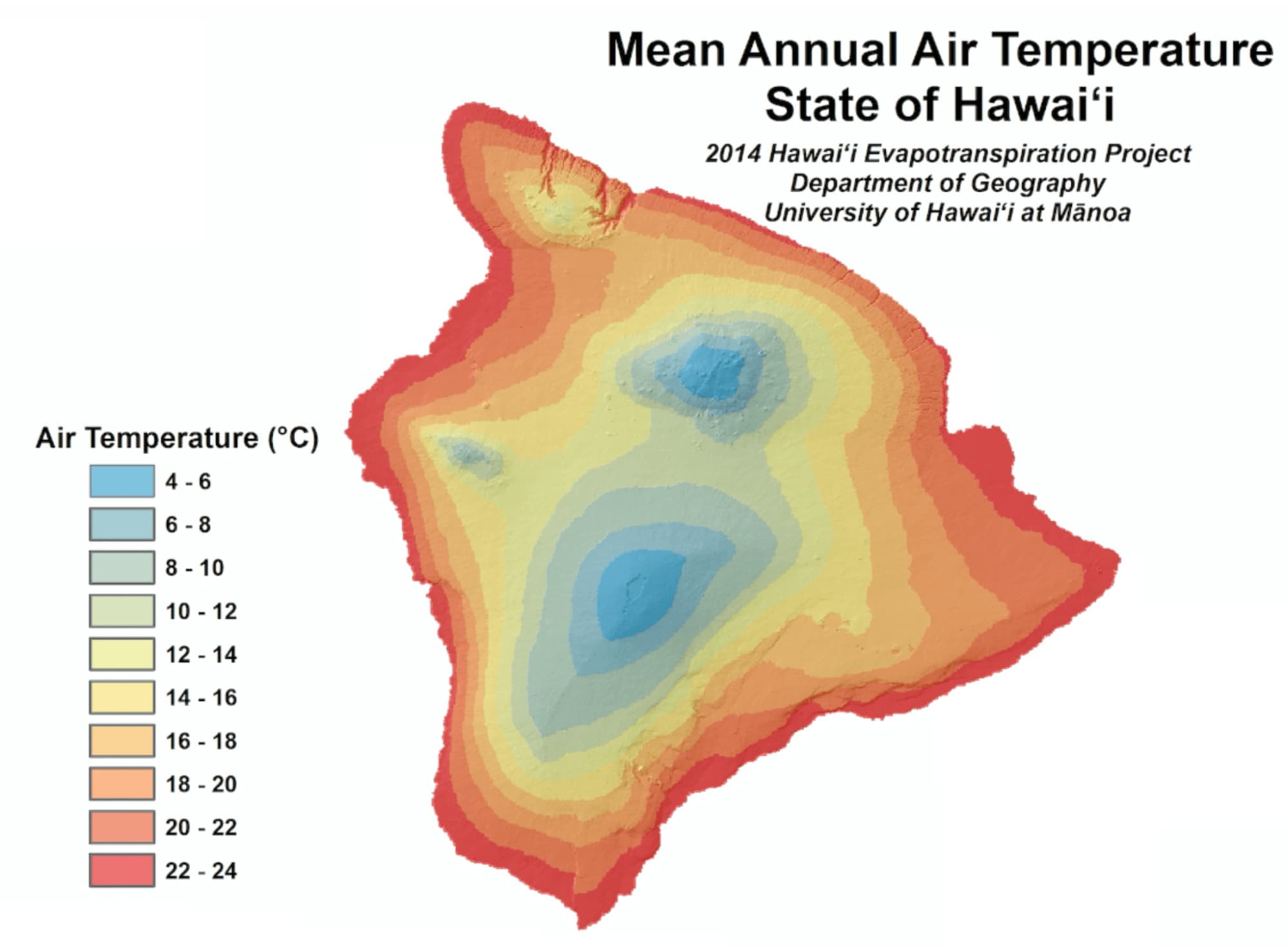
The perception of Hawaii as perpetually hot is largely accurate for its coastal regions. The average temperature in popular tourist areas like Waikiki on Oahu hovers around a balmy 75-85°F (24-29°C) throughout the year. This is thanks to its equatorial location, which blesses the islands with consistent sunshine and warm ocean currents. This consistent warmth makes Hawaii a perennial favorite for those escaping the winter chill of mainland North America and elsewhere. You can pack your swimsuits and shorts with confidence, knowing that the vast majority of your time will be spent enjoying the warmth of the Pacific.
However, to truly answer “how cold does it get in Hawaii?”, we need to venture beyond the sandy shores and consider the diverse topography and microclimates that characterize these volcanic islands. Hawaii is not just about beaches; it’s a land of dramatic elevation changes, from sea level to towering volcanic peaks. These differences in altitude are the primary drivers of temperature variation.
Altitude: The Great Equalizer of Hawaiian Heat
The most significant factor influencing temperature in Hawaii, beyond its latitude, is altitude. As you ascend in elevation, the air becomes thinner and cooler. This is a universal meteorological principle, and Hawaii is no exception. While coastal areas bask in tropical warmth, the higher reaches of the islands can be surprisingly chilly.
The Summit of Mauna Kea and Mauna Loa
The two most iconic examples of this phenomenon are the dormant volcanoes Mauna Kea and Mauna Loa on the island of Big Island (also known as Hawaii Island). These are not just mountains; they are among the tallest mountains in the world when measured from their base on the ocean floor. At their summits, these volcanoes reach elevations exceeding 13,000 feet (around 4,000 meters).
At these extreme altitudes, the temperatures can plummet well below freezing. Mauna Kea, in particular, is famous for receiving snowfall during the winter months. This might seem astonishing for a place known for its tropical allure, but it’s a reality for those who venture to its summit. Temperatures at the summit of Mauna Kea can drop into the 20s and 30s°F (-6 to -1°C) during the winter, and even in the summer, it can be as low as the 40s°F (around 5-9°C). The air is thin, the winds are fierce, and the landscape transforms into something akin to an alpine environment.
For visitors wishing to experience these cooler climes, it’s essential to be prepared. Heavy jackets, hats, gloves, and sturdy footwear are not optional; they are necessities. The stark contrast between the warm beaches below and the frigid summit above is one of Hawaii’s most unique and captivating experiences. The clear air at high altitudes also makes it an unparalleled location for stargazing, with many of the world’s most advanced astronomical observatories situated on Mauna Kea.
Haleakalā National Park
On the island of Maui, Haleakalā National Park offers another remarkable example of altitude-induced temperature changes. The dormant volcano’s summit stands at over 10,000 feet (approximately 3,000 meters). While it doesn’t receive snow as frequently or as reliably as Mauna Kea, the temperatures at the summit of Haleakalā are significantly cooler than at sea level.
During the day, temperatures can range from the 50s to 60s°F (10-15°C), but at night, they can easily drop into the 40s°F (around 5-9°C), and even dip below freezing during the winter months. The famed Haleakalā sunrise, a bucket-list item for many, often requires visitors to arrive before dawn, and in the pre-dawn darkness, the cold can be quite biting. Many visitors are surprised by the need for winter clothing, even though they are still in Hawaii.
The landscape within Haleakalā National Park also reflects the cooler temperatures and higher elevations. The volcanic crater, with its stark, lunar-like terrain, creates a dramatically different environment from the lush rainforests found at lower elevations on Maui. This journey to the summit is a journey through multiple ecological zones, each with its own distinct climate and flora.
Seasonal Variations: Subtle Shifts in the Tropical Climate
While Hawaii’s climate is renowned for its consistency, there are subtle seasonal variations that can influence temperature. The islands experience two main seasons: the dry season (summer) and the wet season (winter).
The Dry Season (May to October)
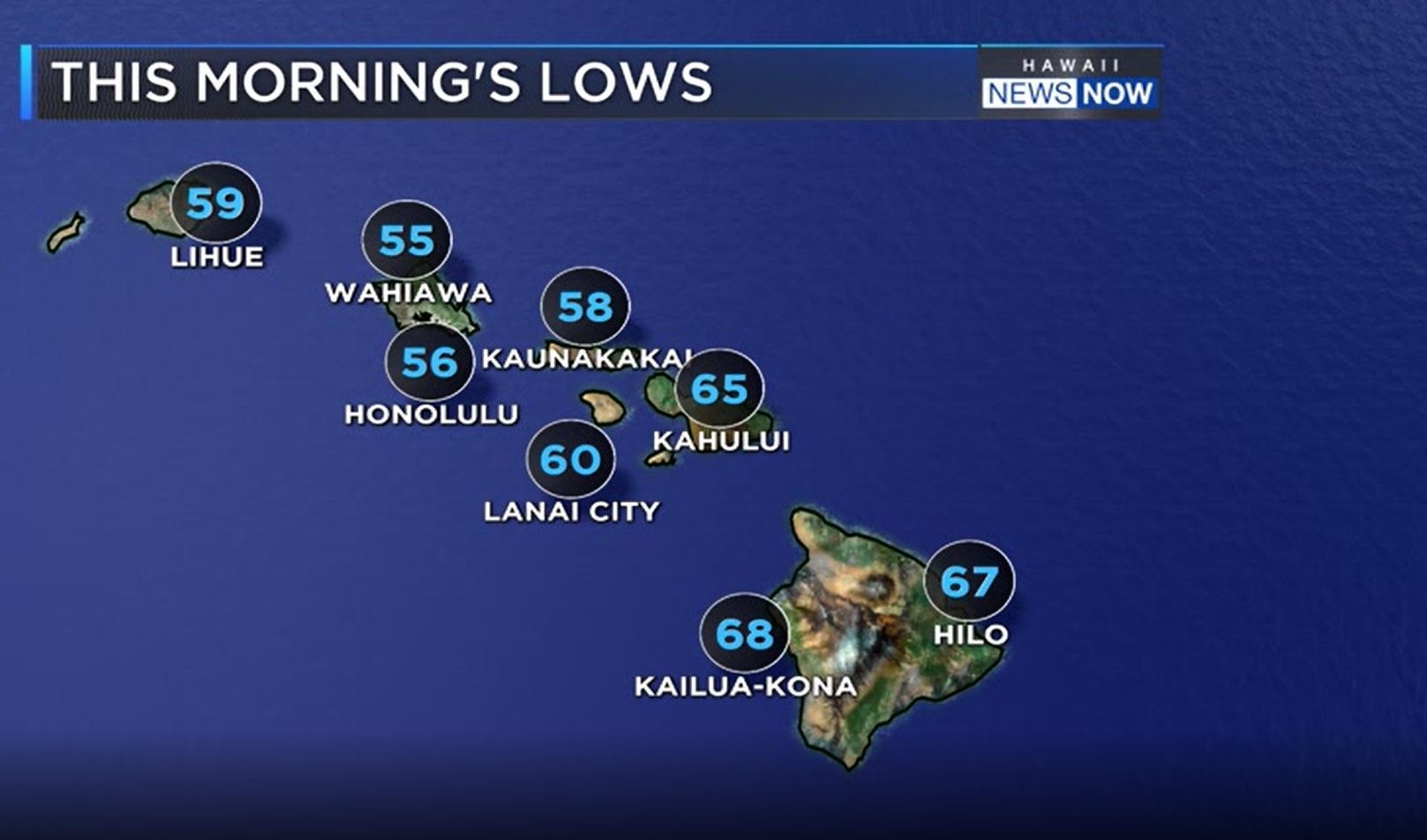
The dry season, from May to October, is characterized by warmer temperatures and less rainfall. Average daytime temperatures on the coasts typically range from the mid-80s to high 80s°F (around 29-32°C), with nights remaining pleasantly warm. This is generally considered the peak tourist season, with sunshine dominating the forecast. Humidity levels are also generally lower during this period.
The Wet Season (November to April)
The wet season, from November to April, brings slightly cooler temperatures and more frequent rainfall, though it’s important to note that “wet” in Hawaii doesn’t usually mean constant downpours. Rain showers are often brief and localized, especially in the leeward (dry) sides of the islands. Daytime temperatures on the coast tend to be in the mid-70s to low 80s°F (around 24-28°C), with evenings offering a slightly cooler respite.
While the difference might seem small, the combination of slightly lower temperatures and increased humidity can sometimes make the wet season feel a touch cooler than the dry season. However, even during the coolest months of the wet season, coastal Hawaii remains comfortably warm, far from what would be considered “cold” by most standards. The increased rainfall during these months also contributes to the lush, vibrant greenery that Hawaii is famous for, especially in the windward (wet) areas.
Microclimates: The Island Within an Island
Beyond altitude and season, Hawaii’s unique geography creates a fascinating array of microclimates within each island. These localized weather patterns mean that you can experience vastly different conditions within just a few miles.
Windward vs. Leeward Sides
Most of the Hawaiian Islands have distinct windward (northeastern) and leeward (southwestern) sides. The windward sides, facing the prevailing trade winds from the northeast, tend to be wetter and cooler. This is where you’ll find lush rainforests, waterfalls, and often more dramatic cloud cover. The leeward sides, in the “rain shadow” of the mountains, are typically drier, sunnier, and warmer. This is why you’ll often find the most popular resort areas and golf courses on the leeward coasts of islands like Maui and Oahu, seeking out the most consistent sunshine and warmth.
For instance, on Oahu, the North Shore is known for its dramatic winter waves and cooler, more exposed conditions, while the south shore around Honolulu and Waikiki is generally sunnier and warmer. Similarly, on Maui, the west and south coasts (like Kaanapali and Kihei) are predominantly sunny and warm, while the east coast (like Hana) receives much more rain and is cooler and more humid.
Valleys and Canyons
Deep valleys and canyons can also create their own unique temperature zones. The air within these sheltered areas can become trapped, leading to cooler conditions, especially at night as the air cools and sinks. Conversely, some valleys can experience a “heat island” effect during the day, trapping the warmth.
Coastal Breezes
The constant interplay between land and sea also generates coastal breezes that moderate temperatures. These breezes, often referred to as trade winds, are a defining characteristic of the Hawaiian climate. They help to keep temperatures from becoming excessively hot, even on the warmest days. When the trade winds die down, the islands can feel hotter and more humid.

Conclusion: A Spectrum of “Cold” in Paradise
So, how cold does it get in Hawaii? The answer is nuanced. For the vast majority of visitors who stick to the well-trodden paths of beaches, resorts, and coastal towns, Hawaii remains a warm, tropical paradise. Temperatures rarely dip below the comfortable low 70s°F (around 21-23°C) on the coasts, even during the cooler winter months. You can safely pack for a warm-weather vacation.
However, if your Hawaiian adventure takes you to higher elevations, such as the summits of Mauna Kea or Haleakalā, you will encounter conditions that are genuinely cold, even bordering on arctic at the very highest points of Mauna Kea. Snow is a real possibility in winter, and temperatures can easily drop below freezing. This extreme contrast is part of what makes Hawaii such a geographically diverse and fascinating destination.
Understanding Hawaii’s microclimates and seasonal variations allows for a richer appreciation of the islands. Whether you’re seeking sun-kissed relaxation on a Waikiki beach or the breathtaking, frigid beauty of a volcanic summit, Hawaii offers a spectrum of experiences, proving that even a tropical paradise can hold its own surprising chills. It’s a testament to the incredible power and diversity of nature, all within the embrace of the vast Pacific Ocean.
LifeOutOfTheBox is a participant in the Amazon Services LLC Associates Program, an affiliate advertising program designed to provide a means for sites to earn advertising fees by advertising and linking to Amazon.com. Amazon, the Amazon logo, AmazonSupply, and the AmazonSupply logo are trademarks of Amazon.com, Inc. or its affiliates. As an Amazon Associate we earn affiliate commissions from qualifying purchases.