
When most people dream of Las Vegas, they conjure images of sweltering desert heat, neon lights shimmering in the haze of a summer evening, and pool parties at iconic properties like Caesars Palace. However, the “Entertainment Capital of the World” experiences a surprisingly distinct winter season. If you are planning a trip to Nevada during the cooler months, it is essential to understand that while it rarely feels like the Arctic, the desert climate undergoes a dramatic transformation once the sun dips below the horizon.
Understanding the Desert Winter Climate
The climate of Las Vegas is classified as a hot desert climate, characterized by wide temperature fluctuations between day and night. Because the air in the Mojave Desert is extremely dry, there is little humidity to trap heat during the night, leading to rapid cooling.
The Dynamics of Diurnal Temperature Swings
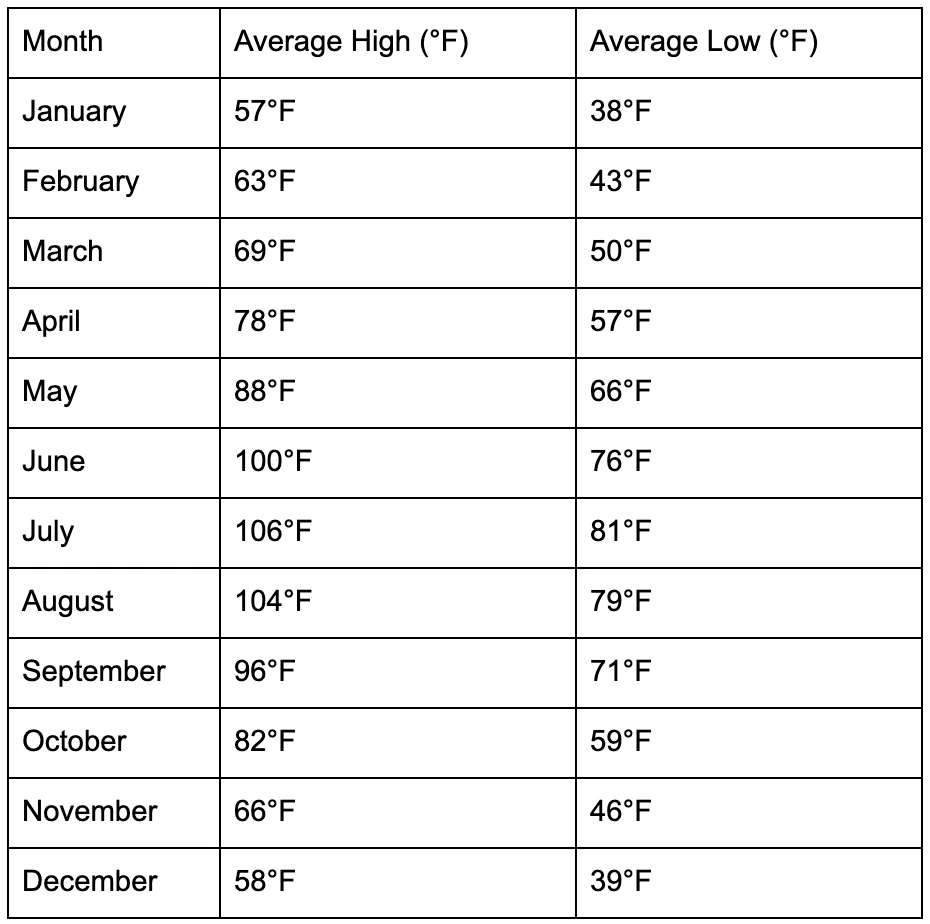
During the winter months—specifically December through February—daytime temperatures are often mild and pleasant. It is common to enjoy afternoons in the low 60s Fahrenheit (15–17°C). However, as soon as the sun sets, the heat escapes into the atmosphere, causing temperatures to plummet. It is not unusual for the thermometer to drop from a comfortable 60°F to a brisk 35°F or 40°F (1–4°C) within a few hours.
Monthly Temperature Breakdown
- December: This is typically the coldest month in Las Vegas. Average highs hover around 57°F (14°C), while overnight lows frequently dip near the freezing mark of 32°F (0°C).
- January: Similar to December, January remains chilly. Morning frost is a possibility, and visitors walking the Las Vegas Strip often require heavy coats during late-night excursions.
- February: Temperatures begin a slow climb, though early morning air remains crisp. Average highs reach into the low 60s, but evenings are still sharp enough to warrant a warm layer.
How Cold Does It Actually Get?
While Las Vegas does not see the sub-zero temperatures common in northern climates, “cold” is relative. For those traveling from colder regions of North America, a Las Vegas winter might feel mild. However, for visitors accustomed to tropical climates, the winter chill can be quite jarring.
Rare Frost and Occasional Snow
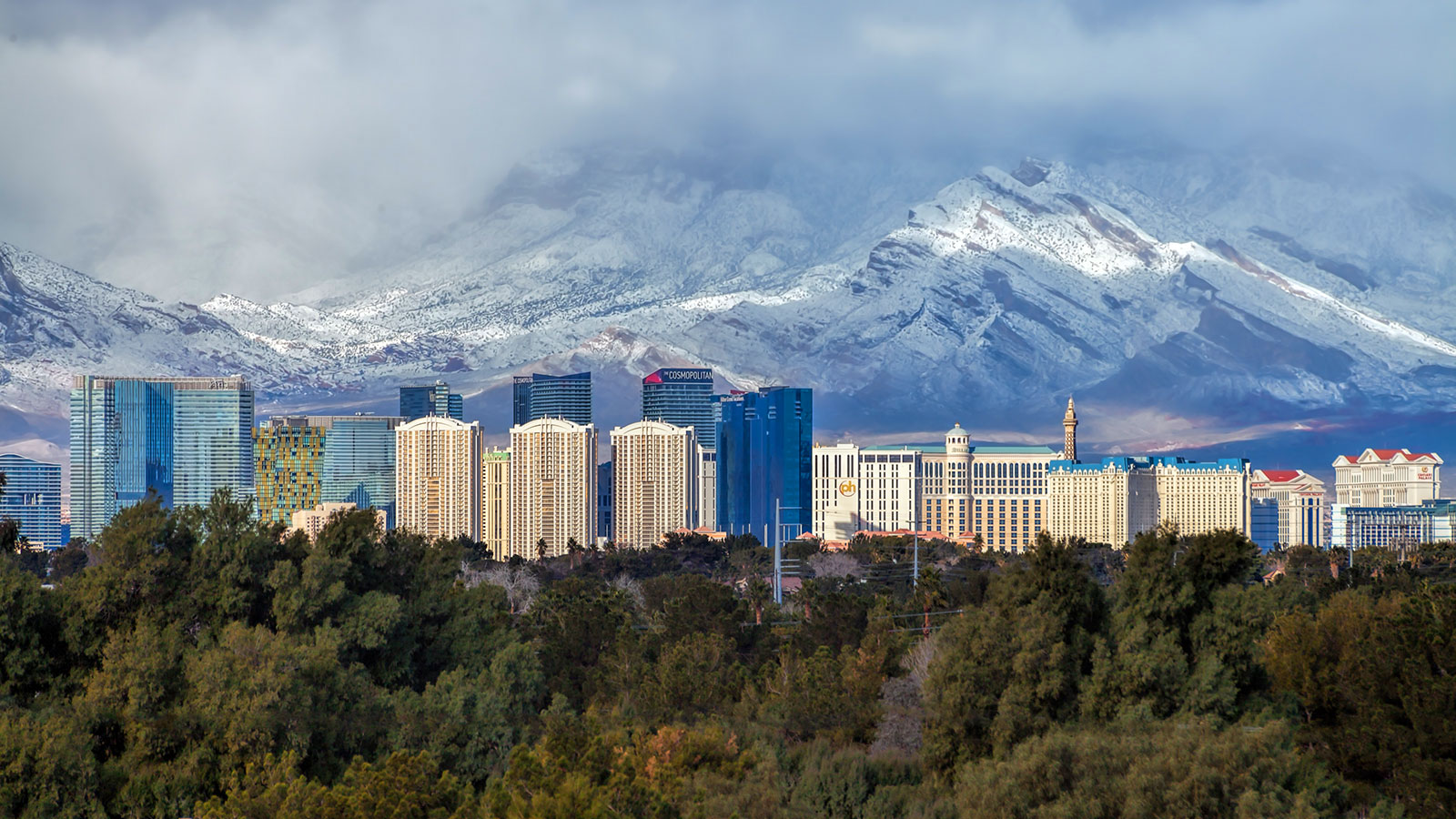
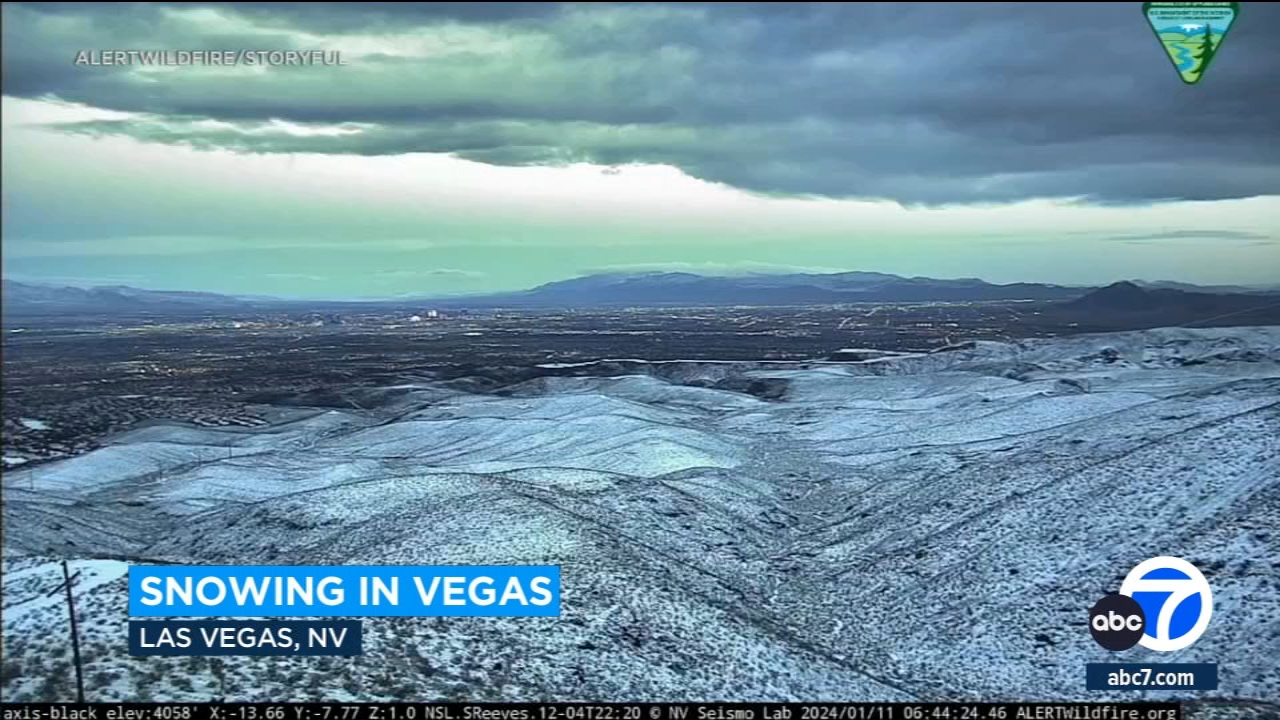
Snow in the city is a rare, headline-making event. While the nearby Spring Mountains and the Red Rock Canyon National Conservation Area are often dusted with white during the winter, the Las Vegas Valley floor rarely sees accumulation. When snow does fall, it usually melts before noon. Frost, on the other hand, is much more common. If you have rented a car for a trip to the Hoover Dam, you may find your windshield frosted over on early January mornings.
The Impact of Wind Chill
The geography of the Mojave Desert contributes to wind patterns that can make the air feel much colder than the thermometer indicates. When the “canyon winds” roll off the mountains, the wind chill can make a 45°F day feel like 35°F. This is especially important for those planning to walk between resorts like The Venetian Resort Las Vegas and The Mirage, where wind can tunnel between the massive structures, creating artificial breezeways that amplify the chill.
Dressing for a Desert Winter
Packing for a winter trip to Nevada requires a strategic approach. The key to staying comfortable is “layering.”
The Art of Layering
Because you will be moving between climate-controlled indoor spaces—like the massive lobby of the Bellagio Hotel & Casino—and the chilly outdoor air, layering is essential.
- Base Layer: A light, breathable shirt.
- Mid-Layer: A sweater, cardigan, or light fleece that is easy to remove.
- Outer Layer: A stylish but functional jacket or trench coat. Leather or wind-resistant fabrics are ideal for blocking the desert gusts.
Footwear and Accessories
While heavy snow boots are rarely necessary, comfortable walking shoes are non-negotiable. If you plan on hiking in Valley of Fire State Park, bring sturdy, insulated hiking boots, as the rocky terrain holds the cold from the ground. A lightweight scarf and a pair of gloves are also wise additions to your luggage for those late-night walks along the Fremont Street Experience.
Winter Activities: Benefits of the Cool Weather
Many travelers find that the “cold” months are actually the best time to visit Las Vegas. The lack of extreme summer heat opens up a variety of outdoor activities that are usually unbearable during the peak season.
Hiking and Exploring Nature
When the mercury drops, the desert comes alive. The trails at Lake Mead and the Black Canyon become much more accessible. Without the constant threat of heat exhaustion, you can spend an entire day trekking through the desert landscape, enjoying the stunning geology that Nevada is famous for.
Comfortable Sightseeing
The iconic Las Vegas Strip is far more pleasant to explore on foot when it is 55°F than when it is 110°F. Visitors can walk from MGM Grand to New York-New York Hotel & Casino without the fatigue caused by intense sun exposure. Furthermore, the winter season often sees lower occupancy rates at premier resorts like Wynn Las Vegas, potentially allowing for better rates and a less crowded experience.
Indoor Luxury
If the temperatures do dip too low for your liking, you are in one of the most well-equipped cities in the world to handle it. The major resorts are interconnected by elaborate interior walkways, shops, and entertainment complexes. You could spend a weekend at Resorts World Las Vegas and never have to step outside, moving seamlessly from a heated pool area to world-class dining and high-stakes gaming floors.
Ultimately, while Las Vegas is not a winter wonderland, it is a city that embraces the change of seasons. By preparing for the transition from the golden, sun-drenched afternoons to the crisp, star-filled desert nights, you can enjoy all the excitement of Nevada without being caught off guard by the desert’s hidden chill. Whether you are coming to witness the rare quiet of the winter months or simply to enjoy the clear, bright blue skies, the cooler weather provides a unique perspective on a city that is always evolving. Just remember to pack that extra jacket—in the Mojave Desert, the cold arrives with the moon.
LifeOutOfTheBox is a participant in the Amazon Services LLC Associates Program, an affiliate advertising program designed to provide a means for sites to earn advertising fees by advertising and linking to Amazon.com. Amazon, the Amazon logo, AmazonSupply, and the AmazonSupply logo are trademarks of Amazon.com, Inc. or its affiliates. As an Amazon Associate we earn affiliate commissions from qualifying purchases.