
Seattle, a vibrant city nestled on the Puget Sound, is renowned for its evergreen landscapes, thriving tech scene, and world-class coffee culture. However, for many potential visitors, a lingering question remains: “How cold does it really get in Seattle?” This inquiry is crucial for anyone planning a trip, impacting everything from the type of clothing to pack to the kinds of activities that are most enjoyable. Understanding Seattle’s climate is key to making the most of your visit, whether you’re drawn to the city’s bustling urban attractions or its breathtaking natural surroundings.
The Pacific Northwest is known for its temperate climate, and Seattle is no exception. Unlike many other major American cities that experience extreme heat or bitter cold, Seattle enjoys a relatively mild weather pattern throughout the year. This moderation is largely due to the influence of the Pacific Ocean, which acts as a natural temperature regulator. However, “mild” doesn’t mean static; Seattle experiences distinct seasons, each with its own unique charm and temperature profile. For travelers, this means there’s always something to see and do, but proper preparation is essential to ensure comfort and enjoyment, no matter the season.
Understanding Seattle’s Seasonal Temperatures
When we talk about how cold it gets in Seattle, it’s essential to break down the climate by season. Each period of the year brings a different experience, with varying temperatures, precipitation levels, and daylight hours. This granular understanding will help you tailor your travel plans to your personal preferences and tolerance for cooler weather.
Winter: The Coolest Months
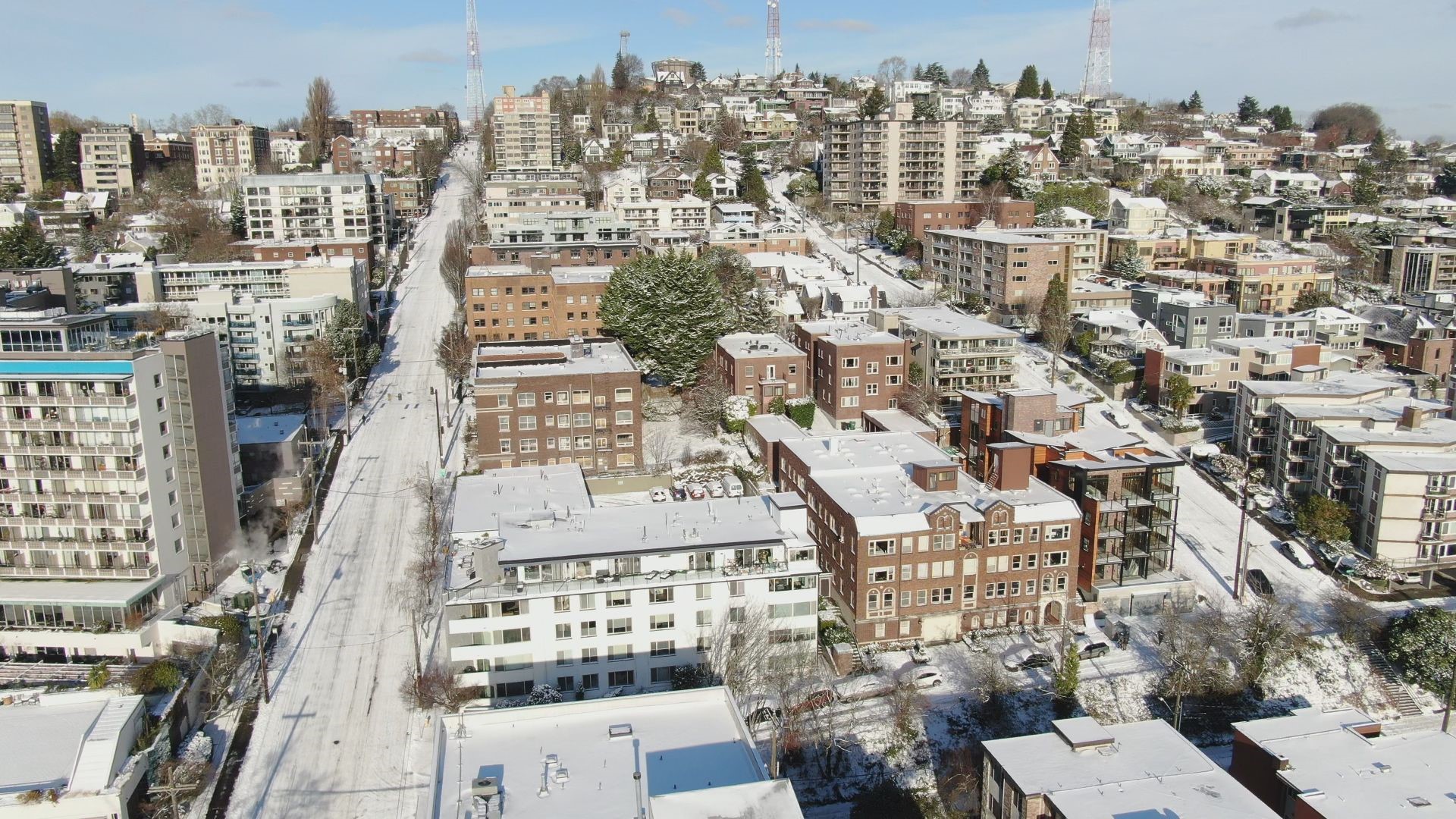
Seattle’s winter, generally from December through February, is characterized by cool, damp, and often overcast conditions. This is when the city experiences its lowest temperatures. The average daily temperature during winter hovers around 40-45°F (4-7°C). Freezing temperatures are relatively uncommon in the city center, but they do occur, especially during overnight hours. Snowfall is infrequent and usually light, often melting quickly upon hitting the ground. When snow does accumulate, it can sometimes cause disruptions due to the city’s hilly terrain and general lack of preparedness for significant winter weather.
The perception of cold in Seattle is often amplified by the persistent cloud cover and frequent rain. The humidity can make the air feel colder than the thermometer suggests, and a persistent drizzle is a common companion for winter visitors. However, this damp chill is rarely accompanied by the biting winds or deep freezes found in many other parts of the country. For those accustomed to harsher winters, Seattle’s can feel quite manageable. Packing layers, a waterproof jacket, and waterproof shoes is paramount for staying comfortable during this season. Despite the cooler temperatures, winter in Seattle offers a cozy atmosphere, with festive holiday lights and opportunities for indoor exploration of museums like the Museum of Pop Culture or enjoying the vibrant culinary scene.
Spring: A Gradual Warming
As winter recedes, spring arrives in Seattle, typically from March through May. This is a transitional period where temperatures gradually begin to climb. March can still feel quite wintery, with average temperatures in the low 50s°F (around 10-12°C). By May, the city starts to feel decidedly spring-like, with average temperatures reaching the mid-60s°F (around 15-18°C). While the rain doesn’t completely disappear, it becomes less frequent and intense. Sunny days start to become more common, allowing the city’s many parks, such as Discovery Park, to come alive with blooming flowers and fresh greenery.
Spring is an excellent time to visit Seattle for those who prefer milder temperatures and fewer crowds than the peak summer season. The shoulder months of April and May offer a sweet spot for enjoying outdoor activities without the full heat of summer. It’s advisable to pack a mix of warmer layers and lighter clothing, as the weather can be unpredictable. A light jacket, a sweater, and a waterproof outer layer are good essentials. Exploring attractions like the Space Needle or taking a ferry ride across the Puget Sound becomes particularly pleasant during these months.
Summer: The Warmest and Driest Season
Seattle summers, from June through August, are generally warm and pleasant, offering the most comfortable weather for visitors. Average daily temperatures during July and August, the warmest months, typically range from the mid-70s to low 80s°F (24-28°C). While heatwaves can occasionally push temperatures higher, extreme heat is rare. What truly sets Seattle summers apart is the relative lack of rain and abundant sunshine. The city experiences long daylight hours, with sunsets happening well past 9 PM during the height of summer, allowing for extended exploration and enjoyment of the outdoors.
This is the peak tourist season for a reason. The weather is ideal for exploring Pike Place Market, visiting Alki Beach, or embarking on day trips to nearby natural wonders like Mount Rainier National Park. Packing for Seattle summer is straightforward: light clothing, shorts, t-shirts, and perhaps a light sweater or jacket for cooler evenings or air-conditioned indoor spaces. Sunscreen and sunglasses are also essential. However, even in summer, the maritime influence means that evenings can still cool down, so it’s wise to have a light layer handy.
Autumn: A Picturesque Transition
Autumn in Seattle, from September through November, is a beautiful and often overlooked season. September typically retains the warmth of summer, with temperatures in the low to mid-70s°F (around 21-23°C). As October and November arrive, the temperatures begin to drop, mirroring the spring transition but in reverse. Average daily temperatures in October are in the 60s°F (15-20°C), and by November, they settle into the 50s°F (10-15°C). The fall foliage transforms the city’s parks into a vibrant display of reds, oranges, and yellows, offering stunning visual appeal.
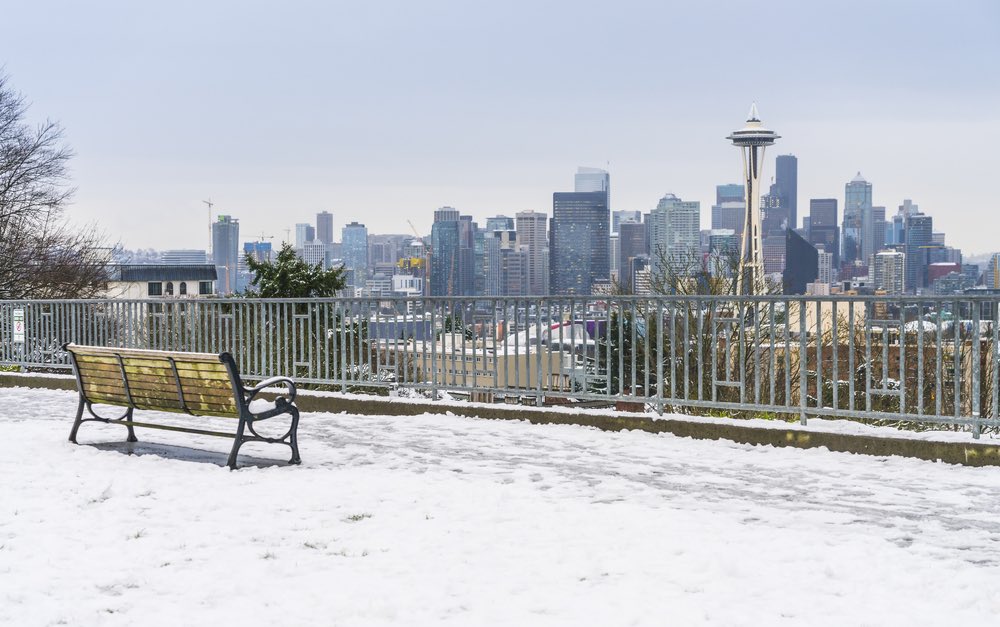
While the rain begins to increase again in autumn, especially in November, the early fall months often provide clear, crisp days perfect for enjoying the city’s outdoor offerings. The cooler temperatures are invigorating, and the changing leaves add a magical quality to the landscape. For those who appreciate a more tranquil travel experience, autumn can be an ideal time to visit. Similar to spring, packing layers is key. A medium-weight jacket, sweaters, and a waterproof layer will ensure you are prepared for the shifting weather. Exploring neighborhoods like Ballard or enjoying a quiet afternoon at the Seattle Public Library are wonderful ways to experience the city in autumn.
Factors Influencing Seattle’s Cold
Beyond the seasonal averages, several factors contribute to the perception and experience of cold in Seattle. Understanding these nuances can help you prepare more effectively for your visit.
Humidity and Precipitation
One of the primary reasons Seattle can feel colder than its temperature might suggest is its high humidity and frequent precipitation. The city is renowned for its rain, particularly during the fall and winter months. This isn’t typically the heavy, drenching rain of a thunderstorm, but rather a persistent drizzle or light rain that can soak through clothing if you’re not adequately protected. The dampness in the air, combined with cloud cover, can lead to a chilling effect, often referred to as “damp cold.” This is why waterproof outerwear and footwear are consistently recommended, regardless of the season, though they are most critical during the cooler months.
Microclimates and Elevation
Seattle’s geography, characterized by hills and its proximity to bodies of water, creates subtle microclimates within the metropolitan area. Neighborhoods situated at higher elevations or further from the Puget Sound might experience slightly cooler temperatures or be more exposed to wind. For instance, areas further inland might see more frost on cold mornings than those right on the coast. Similarly, the Olympic Mountains and the Cascade Range, visible from many points in the city, often carry snow year-round at higher altitudes. While this doesn’t directly impact downtown temperatures, it contributes to the overall perception of a cool, Pacific Northwest climate.
Wind Chill
While Seattle is not typically known for extreme winds, even a moderate breeze can significantly lower the perceived temperature, especially when combined with dampness. This effect, known as wind chill, can make a 45°F (7°C) day feel considerably colder. Being aware of wind conditions, particularly when visiting exposed areas like the waterfront or bridges, can help you dress appropriately. A windproof outer layer can make a significant difference in comfort on breezy days.
What to Pack for Seattle’s Climate
Packing for Seattle is largely about embracing the principle of layering. This versatile approach allows you to adapt to changing temperatures and conditions throughout the day.
Essential Clothing Items
- Base Layers: Moisture-wicking long-sleeved shirts and thermal underwear are excellent for adding warmth without bulk, especially during the fall and winter.
- Mid-Layers: Fleece jackets, sweaters, or hoodies provide insulation. These can be easily added or removed as needed.
- Outer Layers: A waterproof and windproof jacket is non-negotiable for Seattle. Look for one with a hood to protect against rain and wind. Waterproof pants can also be very beneficial for prolonged outdoor activities in wet weather.
- Bottoms: Jeans are common, but consider bringing a pair of water-resistant or quick-drying pants if you plan on extensive outdoor exploration.
- Footwear: Comfortable, waterproof walking shoes or hiking boots are highly recommended. Seattle involves a lot of walking, and you’ll want to keep your feet dry and comfortable. Even in summer, a closed-toe shoe is generally a good idea due to the potential for cool evenings.
- Accessories: A warm hat, gloves, and a scarf are essential for the cooler months. In spring and autumn, a lighter set might suffice.

Seasonal Adjustments
- Winter: Focus on heavier layers, including thermals, a warm mid-layer, and your most robust waterproof and windproof outer shell. Waterproof boots are a must.
- Spring/Autumn: Pack a mix of lighter and medium-weight layers. A waterproof jacket is still crucial, but you might not need the heaviest options. Consider packing a light pair of gloves and a hat for cooler mornings and evenings.
- Summer: Light clothing, t-shirts, shorts, and light trousers are suitable. A light jacket or sweater is advisable for evenings. Don’t forget sunscreen and sunglasses.
By understanding Seattle’s climate and packing accordingly, you can ensure a comfortable and enjoyable experience, no matter when you choose to visit this captivating city on the Pacific coast. Whether you’re drawn by the allure of its natural beauty, its cultural attractions like the Chihuly Garden and Glass, or its renowned culinary scene, Seattle offers a unique travel destination that rewards preparedness.
LifeOutOfTheBox is a participant in the Amazon Services LLC Associates Program, an affiliate advertising program designed to provide a means for sites to earn advertising fees by advertising and linking to Amazon.com. Amazon, the Amazon logo, AmazonSupply, and the AmazonSupply logo are trademarks of Amazon.com, Inc. or its affiliates. As an Amazon Associate we earn affiliate commissions from qualifying purchases.