
Alaska, often called “The Last Frontier,” conjures vivid images of vast, untamed wilderness, majestic mountains, and, inevitably, extreme cold. While the perception of Alaska as a perpetually frozen land holds some truth, the reality is far more intricate and compelling. The question “How cold is Alaska?” lacks a single answer; rather, it hinges on your travel dates, destination, and planned activities. Far from being a mere meteorological challenge, Alaska’s diverse climate, including its profound cold, forms an essential part of its allure. It offers unique travel experiences, incredible natural phenomena, and a lifestyle profoundly shaped by its powerful environment. Understanding the nuances of its temperatures is crucial for crafting an unforgettable Alaskan adventure, whether you seek a serene winter retreat or a vibrant summer exploration.
Unpacking Alaska’s Diverse Climates
Alaska’s immense size means it encompasses several distinct geographical and climatic zones, each with unique temperature patterns. This diversity dictates that while one part of the state might be grappling with frigid sub-zero temperatures, another could be enjoying relatively mild conditions, especially during certain seasons. This geographical spectrum significantly impacts everything from tourism activities to available accommodation types.
Interior Alaska: Land of Extremes
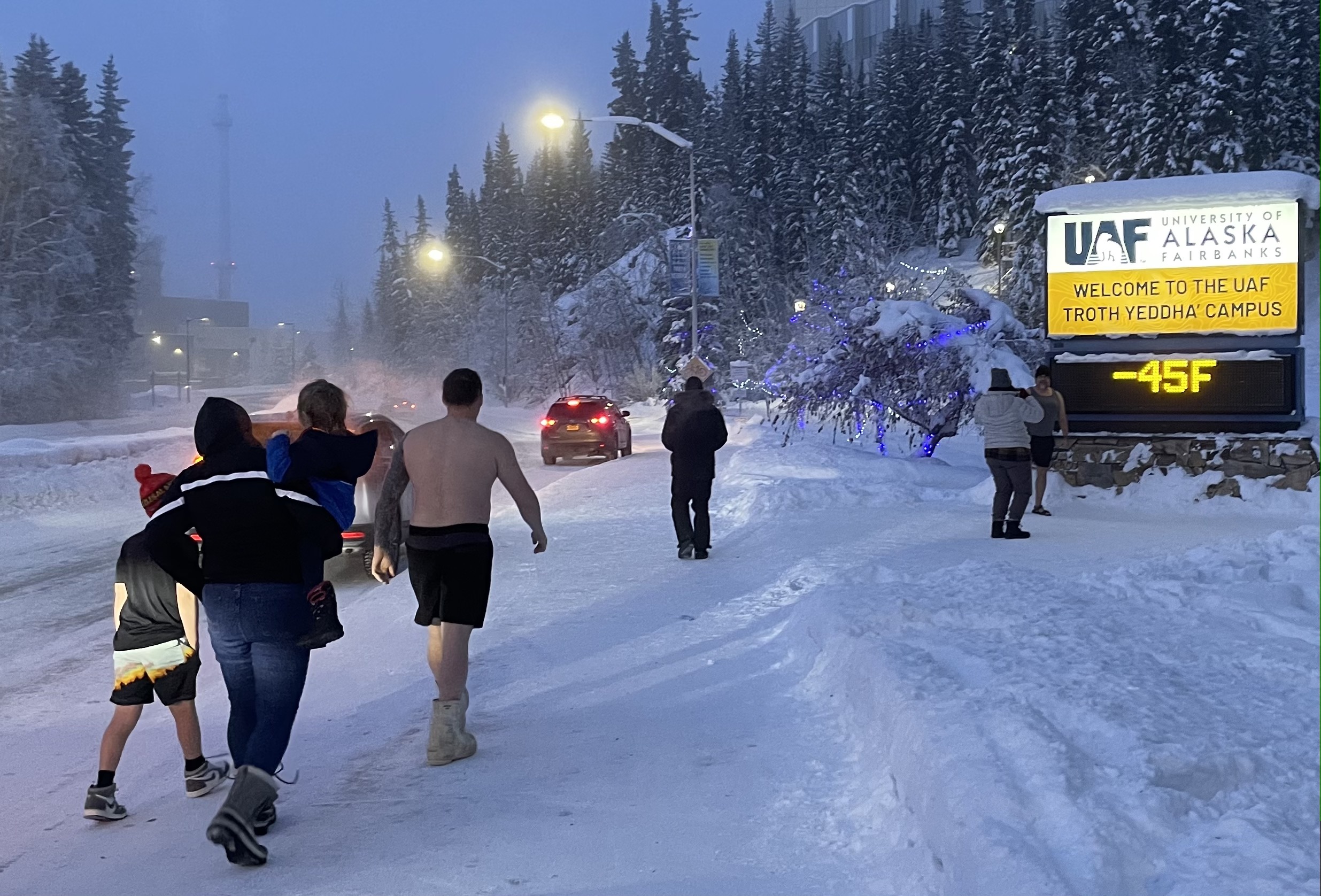
The heart of Alaska, home to cities like Fairbanks and the wilderness surrounding Denali National Park and Preserve, features a continental climate. This translates to notably warm summers and brutally cold winters. Winter temperatures routinely plummet well below 0°F (-18°C), often settling at -20°F (-29°C) or even -40°F (-40°C) for extended durations. Record lows can be even more extreme, sometimes reaching -60°F (-51°C). The absence of a moderating ocean influence allows for these dramatic temperature swings. Winter travelers find this region ideal for witnessing the spectacular Northern Lights and engaging in quintessential Alaskan activities such as dog sledding or ice fishing. Accommodation ranges from cozy cabins to robust hotels equipped with powerful heating systems, often boasting amenities like heated floors and hot tubs.
Coastal Alaska: Ocean’s Moderating Influence
Along the Pacific coast, stretching from the Inside Passage to cities such as Anchorage, Juneau, and Seward, the climate benefits significantly from ocean moderation. Winters are cold but generally less severe than inland. In Anchorage, the state’s largest city, winter temperatures typically range between 5°F and 30°F (-15°C to -1°C). Abundant snowfall makes it a prime destination for winter sports. The southeast, encompassing Ketchikan and Juneau, experiences a maritime climate with wetter, milder winters and less extreme cold, though significant snowfall is still common. This region is popular for cruising and exploring fjords, even in colder months. Resorts like Alyeska Resort near Girdwood offer world-class skiing, combining thrilling slopes with comfortable lodging.
Arctic Alaska: The Frozen Frontier
North of the Arctic Circle, in locales like Utqiagvik, a polar climate prevails. Here, Alaska truly lives up to its coldest reputation. Winters are brutally long and intensely cold, with average temperatures consistently below 0°F (-18°C) from October through May. Temperatures often plunge to -40°F (-40°C) or lower, exacerbated by fierce winds that create dangerous wind chills. These conditions necessitate specialized travel preparations and robust gear. Tourism here is niche, focusing on unique cultural immersion with indigenous communities and observing specialized Arctic wildlife viewing. Accommodation options are more limited, designed for extreme cold, and often include guided tours prioritizing safety and local expertise.
Alaskan Seasons: A Temperature Guide for Travelers
Understanding Alaska’s seasonal temperature shifts is essential for planning your trip and packing wisely. Each season presents a distinct atmosphere and a unique array of activities, fundamentally shaping the overall travel experience.
Winter’s Deep Freeze (November – March)
This period is when Alaska fully embraces its cold identity. Average temperatures statewide vary from 0°F to 30°F (-18°C to -1°C) in coastal areas, plummeting to -20°F to -40°F (-29°C to -40°C) or colder in the interior and Arctic regions. Daylight hours are significantly short, particularly in December and January, with some northern parts experiencing weeks of continuous darkness. Despite the extreme cold, this is prime season for aurora viewing, vibrant winter festivals, and iconic events like the Iditarod Trail Sled Dog Race. Many hotels and resorts offer winter packages, often including guided tours for snowmobiling (or “snowmachining” as Alaskans call it), cross-country skiing, and ice sculpting. Imagine staying at a specialized Aurora Borealis Lodge near Fairbanks, experiencing the celestial dance from the comfort of a heated viewing dome.
Spring’s Gentle Thaw (April – May)
Spring acts as a transitional bridge, with temperatures gradually rising. Coastal areas see temperatures between 30°F and 45°F (-1°C to 7°C), while the interior remains cooler, typically 20°F to 40°F (-7°C to 4°C). Snow begins to melt, rivers swell, and wildlife stirs from hibernation. This is an excellent time for budget travel as crowds thin out and prices for accommodation and activities may be lower. Many local cultural events begin, and the lengthening daylight hours are a welcome change. This shoulder season offers a blend of lingering winter activities and the initial hints of summer’s vibrant bloom.
Summer’s Unexpected Warmth (June – August)
Alaska can be surprisingly warm in summer. Across much of the state, including Anchorage and Fairbanks, temperatures often range from 50°F to 75°F (10°C to 24°C), with occasional highs reaching 80°F (27°C) or more. The Arctic region is cooler, generally in the 40s (4-9°C). The hallmark of Alaskan summer is the near 24 hours of daylight in many areas, allowing for endless exploration. This is peak tourism season, ideal for hiking, fishing, cruising Kenai Fjords National Park, and exploring Glacier Bay National Park and Preserve. Hotels and resorts are bustling, offering a wide array of options to cater to the influx of visitors. Booking accommodation well in advance is essential.
Autumn’s Crisp Chill (September – October)
Autumn ushers in a crisp chill and spectacular fall foliage, especially noticeable in the interior. Temperatures drop to between 30°F and 50°F (-1°C to 10°C) across most regions. While colder than summer, it’s a beautiful time to visit, characterized by fewer crowds and renewed opportunities for aurora viewing as the nights grow longer. It’s also prime season for wildlife viewing as animals prepare for winter. Many lodges and hotels offer special packages during this serene period.
Embracing Alaskan Winter: Cold-Weather Experiences
For many, Alaska’s cold isn’t a drawback but an invitation to unique and unforgettable adventures. Winter unveils a magical side of the state, brimming with activities and sights only possible when temperatures plummet.
Chasing the Northern Lights

One of the most compelling reasons to brave the Alaskan cold is the chance to witness the aurora borealis. Fairbanks, situated under the “aurora oval,” is among the best places globally to experience this natural light show. Tours often involve venturing into the crisp night to dedicated viewing spots or staying at specialized lodges. A stay at the Denali Princess Wilderness Lodge during shoulder seasons might offer a good chance, while a purpose-built Aurora Borealis Lodge near Talkeetna or Fairbanks provides maximum comfort for viewing.
Winter Sports and Cultural Festivals
When snow blankets the landscape, Alaska transforms into a winter playground. From downhill skiing and snowboarding at Alyeska Resort to vast networks of cross-country skiing trails in Chugach State Park near Anchorage, active pursuits abound. Snowmobiling is a popular pastime, with guided tours leading adventurers deep into the backcountry. Unique winter festivals, such as Fur Rondy in Anchorage and the World Ice Art Championships in Fairbanks, celebrate the cold with ice sculpting, dog sledding races, and traditional Alaskan games, offering a rich immersion into local culture.
Winter Wildlife Encounters
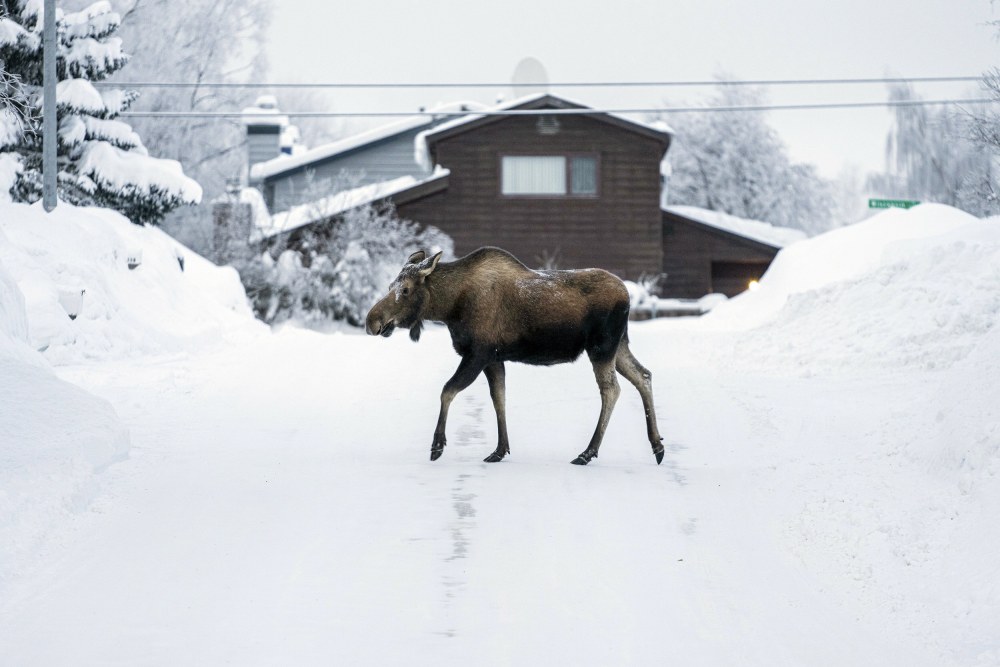
Even in winter’s depths, Alaska’s wildlife thrives. Moose, caribou, and bison are often easier to spot against the pristine white snow. Wildlife viewing tours can take you to areas where you might see Dall sheep on snow-dusted mountainsides. The cold coastal waters remain home to diverse marine life. These unique experiences are often highlighted by specialized tourism operators who understand the challenges and rewards of winter wildlife tracking.
Navigating the Cold: Accommodation & Travel Essentials
Successfully experiencing Alaska’s cold climate, especially in winter, relies heavily on meticulous preparation, smart accommodation choices, and an understanding of cold-weather essentials. It’s about transforming potential discomfort into an enjoyable and authentic adventure.
Choosing Your Alaskan Stay
Alaska offers a range of accommodation options designed to ensure warmth and comfort. From luxury resorts with heated pools and gourmet dining to rustic wilderness cabins and charming bed and breakfasts, there’s something for every lifestyle and budget. In colder regions, seek out hotels that prioritize excellent insulation, reliable heating, and perhaps even gear-drying rooms. Many feature inviting amenities like fireplaces, saunas, and hot tubs, perfect after a day in the cold. Some unique stays might include an Ice Hotel experience near Fairbanks, offering an unforgettable night in a frozen masterpiece (with warm sleeping bags provided). Always check reviews and amenities when booking to ensure they meet your cold-weather needs.
Essential Cold-Weather Gear
The golden rule for Alaskan cold is “layering.” Prioritize functionality over fashion. Essential items include:
- Base Layers: Moisture-wicking thermal underwear (wool or synthetic).
- Mid-Layers: Fleece or down jackets for insulation.
- Outer Layer: Waterproof and windproof parka and snow pants, rated for expected temperatures.
- Headwear: A warm hat covering your ears, a balaclava or neck gaiter.
- Handwear: Insulated gloves or mittens (mittens are often warmer).
- Footwear: Waterproof, insulated boots with good traction, rated for extreme cold (e.g., -40°F/-40°C). Wool socks are crucial.
- Accessories: Hand warmers, sunglasses (for snow glare), sunscreen, and a headlamp.
Many tourism operators and hotels offer rental gear, a convenient option for travelers not wishing to purchase a full cold-weather wardrobe.
Safe Navigation in the Alaskan Wild
Travel in cold conditions demands heightened awareness. Roads, including portions of the Alaska Highway, can be icy, and visibility may be reduced during snowfalls. If driving, ensure your vehicle is winter-ready. For remote destinations, small aircraft are often the primary transportation, and flights can face weather-related delays or cancellations. Always check conditions and allow flexibility in your plans. Local guides are invaluable for activities like glacier treks on the Mendenhall Glacier near Juneau or exploring around Mount Denali, providing expertise and ensuring safety in extreme environments.
Planning Your Alaskan Adventure: When to Go and What to Pack
Your decision on “when to go” directly influences “how cold” your Alaskan experience will be and, consequently, what you’ll need to pack. Each season presents unique opportunities, catering to different travel styles and preferences.
Seeking Winter Wonders
If your primary goal is to embrace the iconic Alaskan cold – to chase the aurora, enjoy winter sports, or experience the serene beauty of a snow-covered wilderness – then visiting between November and March is ideal. Expect consistently cold temperatures, particularly in the interior. This period is best suited for active, well-prepared travelers seeking unique adventures. Prioritize booking hotels and tours early, especially for prime aurora viewing locations or popular winter events. Consider package deals that bundle accommodation, activities, and cold-weather gear rentals.
Enjoying Summer Explorations
For those who prefer milder temperatures and endless daylight, summer (June to August) is the optimal choice. While you won’t experience extreme cold, you’ll witness Alaska’s vibrant green landscapes, abundant wildlife viewing opportunities, and accessible hiking trails. This is when landmarks like Glacier Bay National Park and Preserve and Kenai Fjords National Park are at their most welcoming. Although not “cold,” you’ll still need layers for cooler evenings, boat tours, and higher elevations. Summer is also peak season, meaning higher prices and larger crowds for hotels, flights, and popular attractions. Booking months in advance is highly recommended.
Budgeting for the Cold
The cold often necessitates specialized gear and unique experiences, which can impact your travel budget. A luxury travel experience in winter might involve staying at high-end resorts with private aurora viewing and gourmet dining. Conversely, a budget travel approach could involve camping in designated areas (with appropriate gear) or staying in more modest hostels or guesthouses, focusing on free or low-cost outdoor activities. Visiting during the shoulder seasons (April-May, September-October) can offer a balance of fewer crowds, potentially lower prices for accommodation, and still a good chance to experience transitional weather and seasonal activities. Regardless of your budget, investing in quality cold-weather gear is paramount for comfort and safety.
In conclusion, “How cold is Alaska?” is a question that truly unveils the state’s incredible diversity. From the brutally cold Arctic tundras to the relatively milder coastal regions, and from its extreme winter lows to surprisingly warm summers, Alaska offers a spectrum of temperatures and experiences. The cold is not merely a climatic feature but a defining characteristic that shapes its stunning landmarks, unique wildlife viewing opportunities, and resilient local culture. By understanding its varied climates and preparing appropriately, travelers can transform what might seem like a daunting challenge into the adventure of a lifetime. Whether you dream of chasing the Northern Lights from a warm lodge or exploring majestic glaciers under the midnight sun, Alaska’s diverse temperatures promise an unforgettable journey into the heart of the last great wilderness.
(Word Count: ~1300 words)
LifeOutOfTheBox is a participant in the Amazon Services LLC Associates Program, an affiliate advertising program designed to provide a means for sites to earn advertising fees by advertising and linking to Amazon.com. Amazon, the Amazon logo, AmazonSupply, and the AmazonSupply logo are trademarks of Amazon.com, Inc. or its affiliates. As an Amazon Associate we earn affiliate commissions from qualifying purchases.