
When contemplating a visit to Buffalo, New York, especially during the colder months, the first question that often springs to mind is precisely “How cold is it?” Buffalo has a formidable reputation for its winters, a characteristic shaped by its unique geographical location at the eastern end of Lake Erie. Far from being a deterrent, this wintry identity is a core part of its charm, offering a distinct travel experience that blends natural beauty, vibrant urban life, and a resilient local culture perfectly adapted to the chill.
For the adventurous traveler, Buffalo in winter is not just a destination; it’s an immersive experience. It’s about embracing the crisp air, witnessing the stunning transformation of landscapes under a blanket of snow, and discovering a city that thrives amidst the frost. From world-class museums and architectural marvels to a burgeoning culinary scene and exhilarating outdoor activities, Buffalo provides a rich tapestry of experiences that are often enhanced by the very cold weather it’s known for. This article delves into the specifics of Buffalo’s winter climate, explores the array of activities and attractions that come alive in the cold, and provides essential tips for planning an unforgettable winter getaway, ensuring that visitors are not just prepared for the cold, but eager to embrace it.
Understanding Buffalo’s Climate: A Winter Wonderland Perspective
To truly appreciate Buffalo’s allure, one must first understand the intricacies of its climate. The city is situated in a region known for distinct four seasons, but it is undeniably its winter that leaves the most lasting impression. This reputation is well-earned, rooted in a combination of geographical factors that contribute to significant snowfall and consistently cold temperatures.
Average Temperatures and Snowfall
Winter in Buffalo typically stretches from November through March, with the coldest months being January and February. During these peak winter months, average daytime high temperatures hover around the low 30s Fahrenheit (around 0 degrees Celsius), while nighttime lows frequently dip into the teens (around -10 to -15 degrees Celsius). It’s not uncommon for temperatures to fall even further during cold snaps, sometimes reaching single digits or even below zero Fahrenheit, particularly with the wind chill factored in.
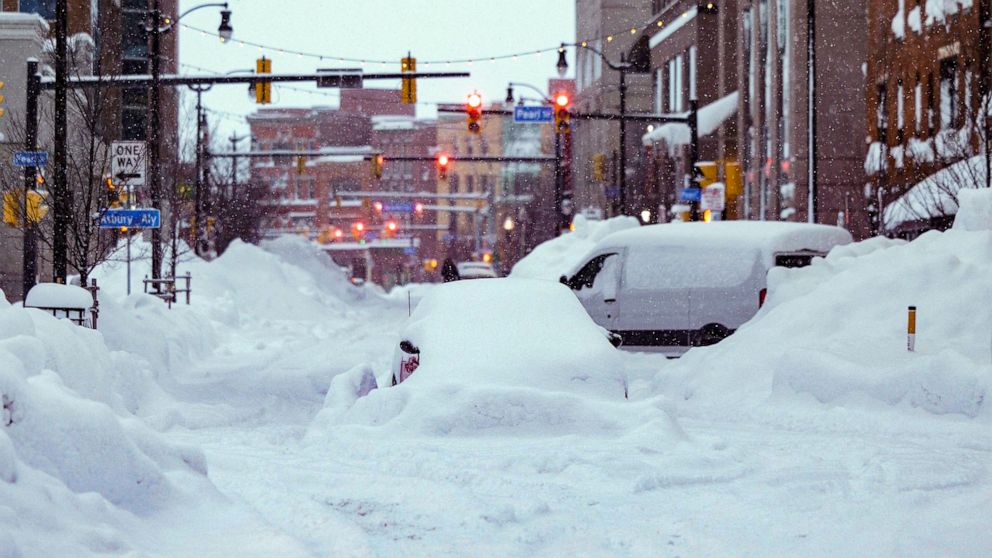
However, the cold isn’t the only story; it’s often accompanied by substantial snowfall. Buffalo averages over 90 inches (about 230 cm) of snow annually, making it one of the snowiest major cities in the United States. This isn’t just a number; it translates into a city often blanketed in pristine white, transforming familiar streets and parks into picturesque scenes straight out of a holiday card. While individual snowfalls can range from a light dusting to major storms that drop several feet of snow in a short period, the city is remarkably adept at managing the snow, with efficient plowing services keeping roads and pathways accessible.
Lake Effect Snow Explained
The defining characteristic of Buffalo’s winter climate is “lake effect snow.” This phenomenon occurs when cold, dry air masses from Canada move across the relatively warmer waters of Lake Erie. As the cold air passes over the lake, it picks up moisture and heat. Upon reaching the colder land, particularly the southern and western shores of Lake Erie, this moisture condenses and precipitates as intense bands of snow.
Lake effect snow is notorious for its localized nature and heavy intensity. One neighborhood might be experiencing a blizzard, while another just a few miles away might see only light flurries or even sunshine. These snow events can be dramatic, creating beautiful yet challenging conditions. Understanding lake effect snow is key to understanding Buffalo’s winter and appreciating the local resilience and preparedness that allow life to continue, albeit at a slightly slower pace, even during the heaviest snowfalls. This unique weather pattern contributes to the distinctive beauty of Buffalo’s winters, making it a compelling destination for those who revel in a true winter experience.

Embracing the Chill: Winter Activities and Attractions
Despite, or perhaps because of, its cold climate, Buffalo truly comes alive in winter. The city embraces the snow and ice, offering a plethora of activities and attractions that cater to every taste, from thrilling outdoor adventures to cozy indoor cultural explorations. Travelers will find that the cold weather opens up a unique array of experiences that are impossible to replicate in warmer climes.
Outdoor Adventures
For those who love to bundle up and play in the snow, Buffalo offers an impressive roster of outdoor pursuits. The city’s waterfront at Canalside transforms into a vibrant hub of winter activity. The historic Erie Canal replica becomes the largest outdoor ice-skating rink in New York State, drawing locals and tourists alike for leisurely skates, ice bikes, and even ice bumper cars. Nearby, the KeyBank Center, home of the Buffalo Sabres hockey team, offers the thrill of professional ice hockey, a quintessential winter sport.
Beyond the city limits, but within an easy drive, are excellent opportunities for skiing and snowboarding. Resorts like Kissing Bridge and Holiday Valley in the Allegheny Mountains provide slopes for all skill levels, alongside snow tubing and cross-country skiing trails. For a more unique experience, consider snowshoeing or cross-country skiing through the serene landscapes of local parks such as Delaware Park or the Buffalo Olmsted Parks System, designed by Frederick Law Olmsted, offering breathtaking views of snow-covered trees and frozen waterways. Even a trip to Niagara Falls in winter is an unparalleled experience, with the majestic falls partly frozen, creating an otherworldly, glittering spectacle that is arguably even more stunning than in summer.

Indoor Escapes and Cultural Gems
When the cold becomes too biting, Buffalo offers a wealth of indoor attractions that showcase its rich history, vibrant arts scene, and culinary prowess. One of the city’s crown jewels is the Buffalo AKG Art Museum (formerly the Albright-Knox Art Gallery), home to an impressive collection of modern and contemporary art. The Buffalo Museum of Science provides engaging exhibits for all ages, perfect for a family outing. History enthusiasts will be captivated by Frank Lloyd Wright’s Martin House, a stunning example of Prairie School architecture, offering guided tours that delve into its intricate design and history.
The city’s architectural grandeur extends to performance venues like Shea’s Performing Arts Center, a meticulously restored historic theater that hosts Broadway shows, concerts, and other live performances, providing a perfect evening escape from the cold. For a taste of local culture, explore the diverse neighborhoods, each with its unique character. The historic Larkinville district, once an industrial hub, has been revitalized into a vibrant area with eateries and events.
No visit to Buffalo is complete without indulging in its legendary food scene. Beyond the famous Buffalo wings, which are a must-try at their birthplace, the city boasts a burgeoning culinary landscape featuring farm-to-table restaurants, diverse ethnic cuisines, and a thriving craft brewery scene. Cozy up in a local pub or a fine dining establishment, savoring hearty meals and local brews, offering the perfect antidote to the winter chill. Buffalo RiverWorks offers a unique industrial-chic atmosphere with dining, brewing, and even zip-lining over the Buffalo River (weather permitting), demonstrating how the city creatively reclaims its industrial heritage for leisure and entertainment. Shopping enthusiasts can explore local boutiques or visit larger retail centers, perhaps even picking up some gear from the New Era Cap Company, a Buffalo institution.
Planning Your Winter Trip to Buffalo: Accommodation and Preparation
Visiting Buffalo in winter requires a bit more planning than a summer trip, but the rewards are immense. Thoughtful preparation, especially regarding accommodation and what to pack, will ensure a comfortable and enjoyable experience, allowing you to fully immerse yourself in the city’s unique winter charm.
Where to Stay: Hotels and More
Buffalo offers a wide array of accommodation options to suit every budget and preference, many of which provide cozy havens from the winter weather. For those seeking luxury and convenience, downtown Buffalo boasts several excellent choices. The Hyatt Regency Buffalo offers upscale amenities and a prime location near many attractions. The historic Hotel at the Lafayette, an architectural gem designed by Louise Blanchard Bethune, provides a boutique experience with elegantly restored interiors. Another standout is the Curtiss Hotel, known for its luxurious suites, rooftop lounge, and a remarkable indoor/outdoor urban hot spring, offering a unique way to warm up after a day in the cold.
For families or those planning a longer stay, options like the Embassy Suites by Hilton Buffalo provide spacious suites and complimentary breakfast. Numerous chain hotels are also available, offering reliable comfort and amenities. Consider hotels that are either within walking distance of attractions or provide easy access to the NFTA Metro (Buffalo’s light rail system), which can be particularly useful when navigating snowy streets. For a more local experience, short-term rental apartments or boutique guesthouses can provide a cozy, home-away-from-home feel, allowing visitors to experience neighborhoods like Allentown or Elmwood Village from a local perspective. Many accommodations often feature inviting fireplaces, indoor pools, or warm common areas, perfect for unwinding after a day of exploration.
Essential Packing and Travel Tips
Packing for Buffalo in winter is crucial. Layers are your best friend. Start with a moisture-wicking base layer, add insulating layers like fleece or wool, and top it off with a waterproof and windproof outer shell (jacket and pants). Don’t forget essential accessories: a warm hat that covers your ears, waterproof gloves or mittens, and a scarf. Waterproof, insulated boots with good traction are non-negotiable for navigating snowy and icy sidewalks. Hand warmers and foot warmers can also be a game-changer for extended outdoor activities.
When it comes to getting around, Buffalo’s public transportation, the NFTA Metro, offers a convenient way to travel downtown, with the above-ground section being free. Taxis and ride-sharing services are also readily available. If you plan to rent a car, ensure it has all-wheel drive or four-wheel drive and is equipped with snow tires for optimal safety, especially if you intend to venture outside the city. Always check weather forecasts before heading out and allow extra time for travel during snow events. Keep your phone charged, and consider carrying a portable power bank, as cold temperatures can drain battery life faster. Embrace the local approach: dress warmly, take your time, and enjoy the unique beauty that winter brings to Buffalo.
In conclusion, “How cold is it in Buffalo, New York?” The answer is undeniably cold, often accompanied by significant snowfall. Yet, this cold is not a drawback but a defining feature that shapes an extraordinary travel destination. Buffalo in winter is a vibrant tapestry of frosted landscapes, exhilarating outdoor sports, rich cultural experiences, and warm hospitality. By understanding its climate, preparing appropriately, and embracing the unique opportunities the season presents, visitors will discover a city that not only withstands the cold but truly shines in it, offering a memorable and deeply enriching travel experience that few other places can match.