
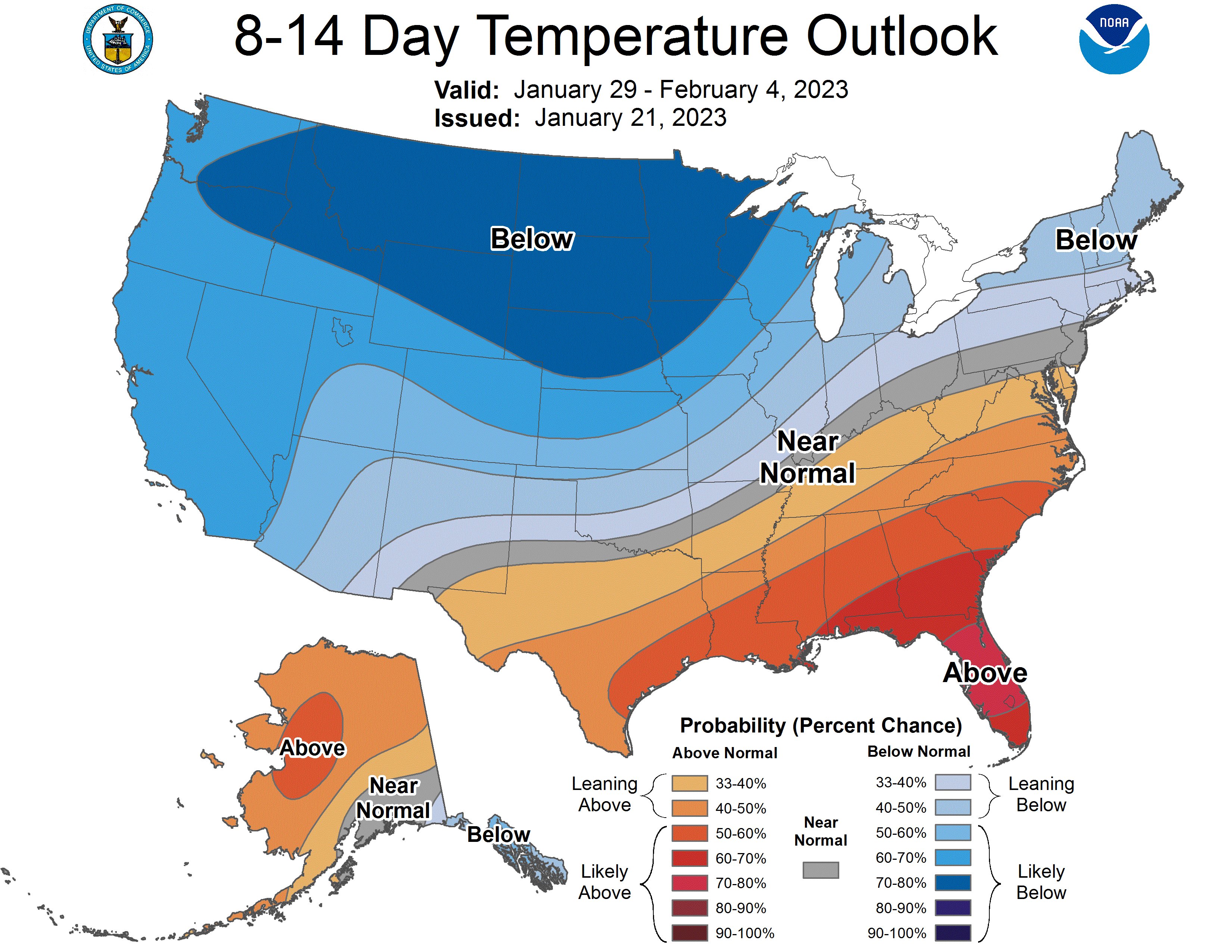
California, often romanticized as the land of endless sunshine and perpetual warmth, holds a surprising secret for many travelers: its climate is incredibly diverse, encompassing everything from sun-drenched beaches to snow-capped peaks and chilly desert nights. The question “How cold is it in California?” isn’t a simple one to answer, as temperatures can vary by as much as 50 degrees Fahrenheit across the state on any given day, influenced by elevation, proximity to the ocean, and geographical features. For the astute traveler, understanding these regional nuances is key to planning a comfortable and fulfilling trip, whether you’re seeking a winter wonderland adventure or a mild coastal escape. Far from a uniform climate, the Golden State offers a spectrum of weather experiences, making it essential to pinpoint your desired destination and season to accurately gauge the expected temperatures.
Understanding California’s Diverse Climate Zones
California’s immense geographical footprint gives rise to several distinct climate zones, each with its own interpretation of “cold.” From the temperate shores of the Pacific Ocean to the lofty heights of the Sierra Nevada and the arid expanses of the desert, understanding these variations is fundamental to appreciating the state’s true climatic character.
Coastal Regions: Mild Winters, Cooler Summers
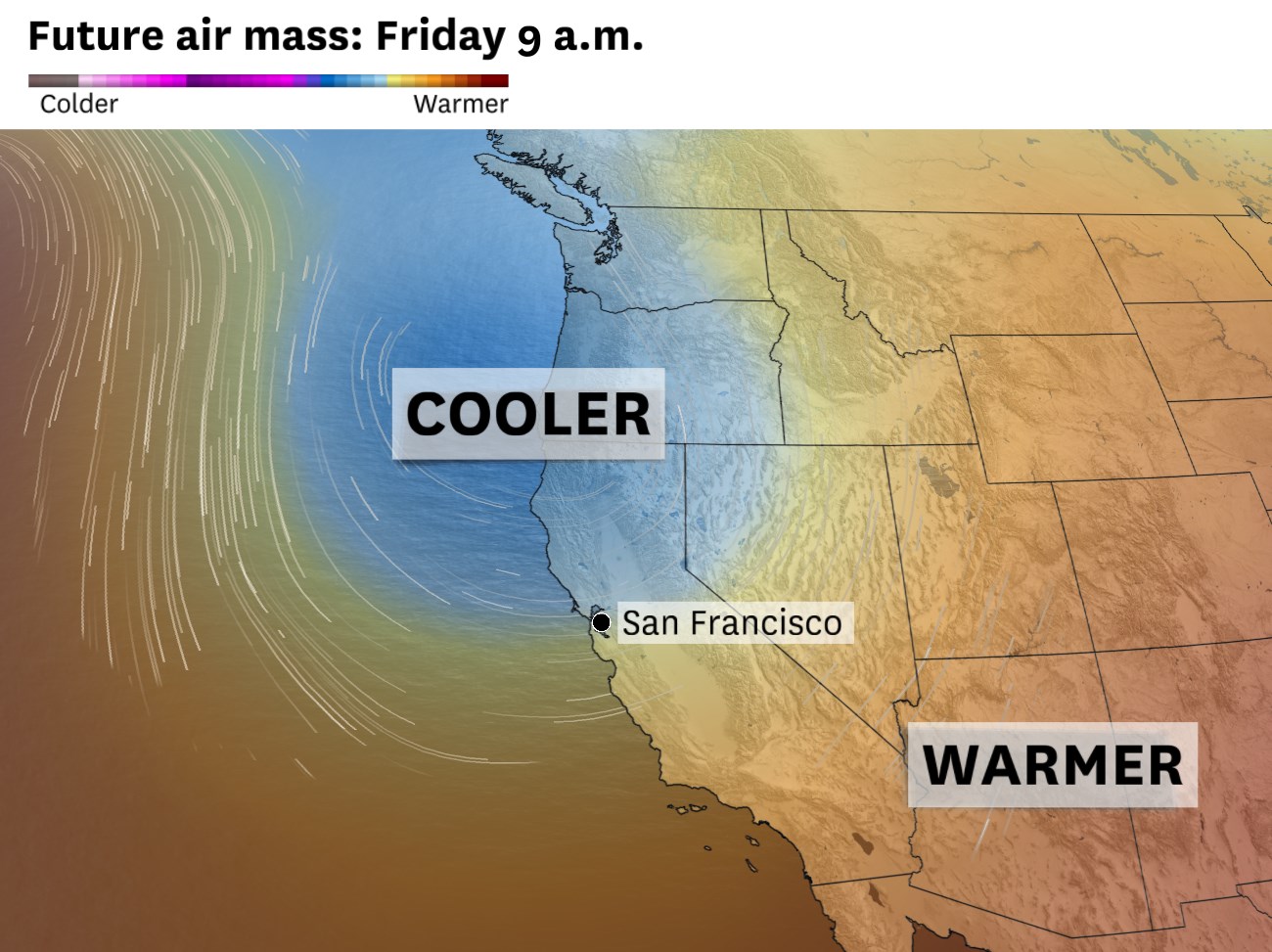
The extensive coastline of California, stretching from the misty redwood forests in the north down to the sun-kissed beaches of San Diego, enjoys a Mediterranean climate. This means relatively mild, wet winters and warm, dry summers, though “warm” is a relative term here. Cities like San Francisco are famous for their cool summer fogs and consistently moderate temperatures, rarely experiencing extreme heat or cold. Winter months, typically from December to February, see average daytime highs in the low to mid-60s Fahrenheit (15-18°C) and nighttime lows in the 40s (4-9°C). While it rarely freezes at sea level, rain is common, and the air can feel damp and crisp, necessitating layers for comfort. Los Angeles and San Diego tend to be a few degrees warmer than their northern counterparts but still experience pleasant, often sunny, winter days.
Inland Valleys: Hot Summers, Cooler Winters
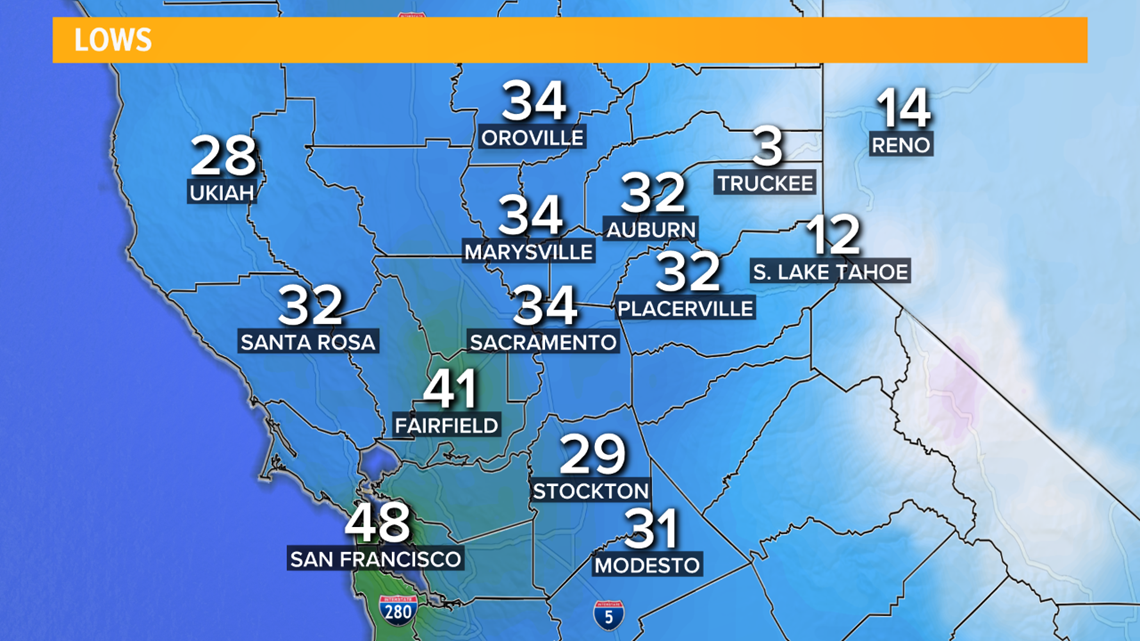
Moving eastward into California’s vast Central Valley, the climate becomes more continental. Here, the moderating influence of the ocean is blocked by coastal mountain ranges, leading to greater temperature extremes. Summers are notoriously hot, with temperatures frequently soaring above 100°F (38°C). However, winters can be surprisingly cool, especially in cities like Sacramento and Fresno. Daytime highs in winter typically hover in the 50s Fahrenheit (10-15°C), while nighttime lows can dip into the 30s (0-4°C), and frosts are not uncommon. Dense fog, locally known as “tule fog,” can also be a prevalent feature during colder months, significantly reducing visibility and contributing to a chill in the air.
Mountainous Areas: True Winter Wonderland
For those seeking genuinely cold weather and snow, California’s mountain ranges are the answer. The Sierra Nevada, home to majestic peaks and iconic destinations like Lake Tahoe and Yosemite National Park, experiences classic winter conditions. From November through April, these regions are blanketed in snow, with temperatures often dropping well below freezing. Daytime highs in prime ski areas like Mammoth Lakes or Big Bear Lake might range from the 20s to 40s Fahrenheit (-7 to 4°C), while overnight lows can plunge into the single digits or even below zero (-18°C or colder). Snowfall can be substantial, creating ideal conditions for winter sports but also posing travel challenges. Northern ranges, including the vicinity of Mount Shasta, also receive heavy snow and experience similar frigid temperatures.
Deserts: Surprisingly Chilly Nights
California’s desert regions, such as the Mojave Desert, Death Valley National Park, and the areas around Palm Springs and Joshua Tree National Park, are synonymous with extreme heat. While summer days are undeniably scorching, their winters can be surprisingly cool and their nights downright cold. The dry air typical of deserts loses heat rapidly after sunset. Winter daytime temperatures are usually comfortable, in the 60s or 70s Fahrenheit (15-26°C), perfect for hiking and exploring. However, once the sun sets, temperatures can quickly plummet into the 30s or even 20s (below 0°C), especially in higher elevation deserts like Joshua Tree National Park. Frost and occasional light snow are not unheard of, particularly in the northern reaches of the Mojave Desert.
Seasonal Variations and Travel Impact
The timing of your visit to California profoundly influences the “cold” factor and, consequently, your travel experience. Each season paints a different picture, offering unique opportunities and challenges depending on your chosen destination.
Winter (December-February): Skiing, Desert Escapes, Rainy Coasts
Winter in California truly highlights the state’s climatic diversity. This is prime season for snow sports in the Sierra Nevada and other mountain ranges, where resorts like Mammoth Lakes and Lake Tahoe thrive. Temperatures are consistently below freezing, and heavy snowfall ensures excellent ski and snowboard conditions. Conversely, this is also the most pleasant time to visit the deserts, with comfortable daytime temperatures ideal for hiking in Death Valley National Park or exploring Palm Springs without the oppressive summer heat. Coastal areas experience their coolest and wettest period, with occasional storms bringing rain, particularly to Northern California. While temperatures remain mild, the frequent cloudy skies and chance of rain might steer some travelers towards sunnier inland or southern coastal destinations.
Spring (March-May): Blooming Deserts, Mild Coastal Weather
Spring is a transitional season that sees temperatures gradually rise across the state. The deserts, especially Anza-Borrego Desert State Park and parts of the Mojave Desert, can come alive with spectacular wildflower blooms if there has been sufficient winter rain. Daytime temperatures in these areas become warmer, but nights can still be cool. Coastal regions enjoy increasingly mild and sunny days, making it an excellent time for sightseeing in San Francisco or beach walks in San Diego before the summer crowds arrive. Mountain areas still hold significant snowpack well into spring, allowing for late-season skiing, but lower elevations and hiking trails begin to open up as the melt progresses, with temperatures still feeling fresh and cool.
Autumn (September-November): Crisp Mountain Air, Warm Coastal Days
Autumn is arguably one of the best times to experience California’s diverse climates. The notorious summer heat begins to wane, making way for pleasant, crisp days. Coastal areas often experience an “Indian summer,” with some of the warmest, clearest days of the year extending well into October, perfect for enjoying beaches and outdoor dining in Los Angeles or exploring the wine regions of Napa Valley and Sonoma. In the mountains, the air becomes invigoratingly cool, and fall foliage puts on a vibrant display, especially in the Eastern Sierra Nevada. Nighttime temperatures here can drop significantly, signaling the approaching winter. The deserts cool down to ideal conditions for exploration during the day, though nights will feel increasingly chilly, necessitating warmer layers.
Preparing for California’s “Cold”
Traveling to California during its colder periods requires thoughtful preparation to ensure comfort and maximize enjoyment. While the state rarely experiences the extreme, prolonged cold of other regions, its diverse microclimates mean you might need a range of gear within a single trip.
Packing Essentials for Multi-Climate Trips
The golden rule for packing for California is layering. Even if you’re visiting a seemingly warm area, mornings and evenings can be cool. For coastal trips in cooler months, pack medium-weight jackets, sweaters, and scarves. For mountain excursions, thermal base layers, waterproof outer shells, insulated jackets, gloves, hats, and waterproof boots are essential. Even for desert trips in winter, while daytime might call for light clothing, bring warm layers for sudden temperature drops after sunset. Comfortable, closed-toe shoes are recommended for most activities, particularly if you plan on walking or hiking. Don’t forget rain gear if visiting during the winter rainy season, especially in Northern California. Sunscreen and sunglasses remain vital year-round, regardless of temperature, due to California’s strong sun exposure.
Best Activities for Each Climate During Colder Months
In the mountains, skiing, snowboarding, snowshoeing, and ice skating are premier activities. Resorts like Palisades Tahoe or Bear Mountain offer extensive slopes, while Yosemite National Park provides unparalleled winter scenery. Coastal areas, despite the cooler temperatures, are perfect for exploring charming towns like Carmel-by-the-Sea, whale watching (seasonal), museum visits, and cozy dining experiences. The cooler weather is also ideal for walking or biking along the Pacific Coast Highway without the intense summer heat. Deserts offer exceptional hiking, rock climbing in Joshua Tree National Park, stargazing, and exploring natural wonders like those in Death Valley National Park. Winter in the desert is often considered the peak season for outdoor activities due to the comfortable daytime temperatures.
Navigating Road Conditions in Winter
Winter travel, especially to California’s mountain regions, requires careful planning regarding road conditions. Snow chains or four-wheel-drive vehicles are often mandatory on mountain passes like Tioga Pass into Yosemite National Park or on routes leading to Lake Tahoe. Always check current road conditions via Caltrans or park websites before setting out. Sudden snowstorms can close roads or require delays. For desert travel, while snow is rare, flash floods can occur after heavy rains, impacting unpaved roads. Coastal routes might experience mudslides during prolonged heavy rainfall. Flexibility in your itinerary and awareness of weather forecasts are crucial for safe winter travel in the state.
Unveiling California’s Winter Attractions
Far from being a hibernation period, California’s cooler months unlock a different kind of magic, revealing attractions and experiences that are either enhanced by or exclusive to the chillier weather.
Ski Resorts and Snow Sports
California boasts some of the finest ski and snowboard resorts in North America. Lake Tahoe offers an array of options like Heavenly Mountain Resort and Squaw Valley Alpine Meadows, renowned for their abundant snowfall and stunning lake views. Further south, Mammoth Mountain at Mammoth Lakes provides a high-altitude playground with a long season and diverse terrain. Beyond downhill skiing, cross-country skiing and snowshoeing trails abound in national parks like Yosemite National Park and Sequoia National Park, offering serene ways to experience snow-covered forests and landscapes. Families can enjoy tubing, sledding, and ice skating in many mountain towns, making winter a vibrant time for outdoor adventure.
Cozy Coastal Getaways
When the coastal temperatures drop, the atmosphere often becomes more intimate and reflective. Charming seaside towns like Mendocino or Big Sur invite travelers to cozy up by a fireplace, savor local cuisine, and enjoy the dramatic winter waves crashing against the shore. Fewer crowds mean more tranquil visits to popular attractions such as the Golden Gate Bridge in San Francisco or the Santa Monica Pier in Los Angeles. Winter is also prime season for storm watching along the rugged Northern California coast and spotting migratory gray whales as they journey south. Even theme parks like Disneyland and Universal Studios Hollywood often offer special holiday events and fewer queues in the cooler months, making for a more relaxed experience.
Desert Stargazing and Exploration
The clear, crisp air of California’s deserts during winter nights creates unparalleled conditions for stargazing. Far from urban light pollution, places like Joshua Tree National Park and Death Valley National Park become celestial observatories, offering breathtaking views of the Milky Way. Daytime in the desert is equally inviting for exploration; the cooler temperatures are perfect for hiking ancient landscapes, discovering unique flora and fauna, and visiting art installations without the intense heat of summer. Palm Springs offers a luxurious desert escape, with its mid-century modern architecture, vibrant art scene, and lush golf courses perfectly enjoyed under mild winter sun. The unique geological formations and quiet vastness of the desert truly come alive during these “colder” months, providing a serene yet adventurous travel experience.
LifeOutOfTheBox is a participant in the Amazon Services LLC Associates Program, an affiliate advertising program designed to provide a means for sites to earn advertising fees by advertising and linking to Amazon.com. Amazon, the Amazon logo, AmazonSupply, and the AmazonSupply logo are trademarks of Amazon.com, Inc. or its affiliates. As an Amazon Associate we earn affiliate commissions from qualifying purchases.