
Colorado, often dubbed the “Centennial State,” conjures images of majestic mountains, vast open plains, and vibrant cities. While its natural beauty is undeniable, a common question for many prospective travelers revolves around its climate, specifically, “How cold is it in Colorado?” The answer is nuanced, as the state experiences a remarkable range of temperatures influenced by its diverse topography and high altitude. Understanding Colorado’s climate is not merely an academic exercise; it’s an essential part of planning a successful and enjoyable trip, ensuring you’re prepared for whatever the weather may bring. From the exhilarating chill of the ski slopes to the crisp air of a high-desert evening, Colorado’s cold is an integral part of its travel allure, shaping available activities, necessary packing, and overall experience.
Understanding Colorado’s Diverse Climate Zones for Travelers
Colorado’s expansive landscape means that “cold” can mean vastly different things depending on where you are in the state. Its elevation changes dramatically, from the eastern plains around 3,350 feet to over 14,000 feet in the Rocky Mountains. This elevation gradient is the primary driver of its varied microclimates, profoundly impacting temperatures and weather patterns.
The Rocky Mountains: Alpine Chill and Winter Wonderland
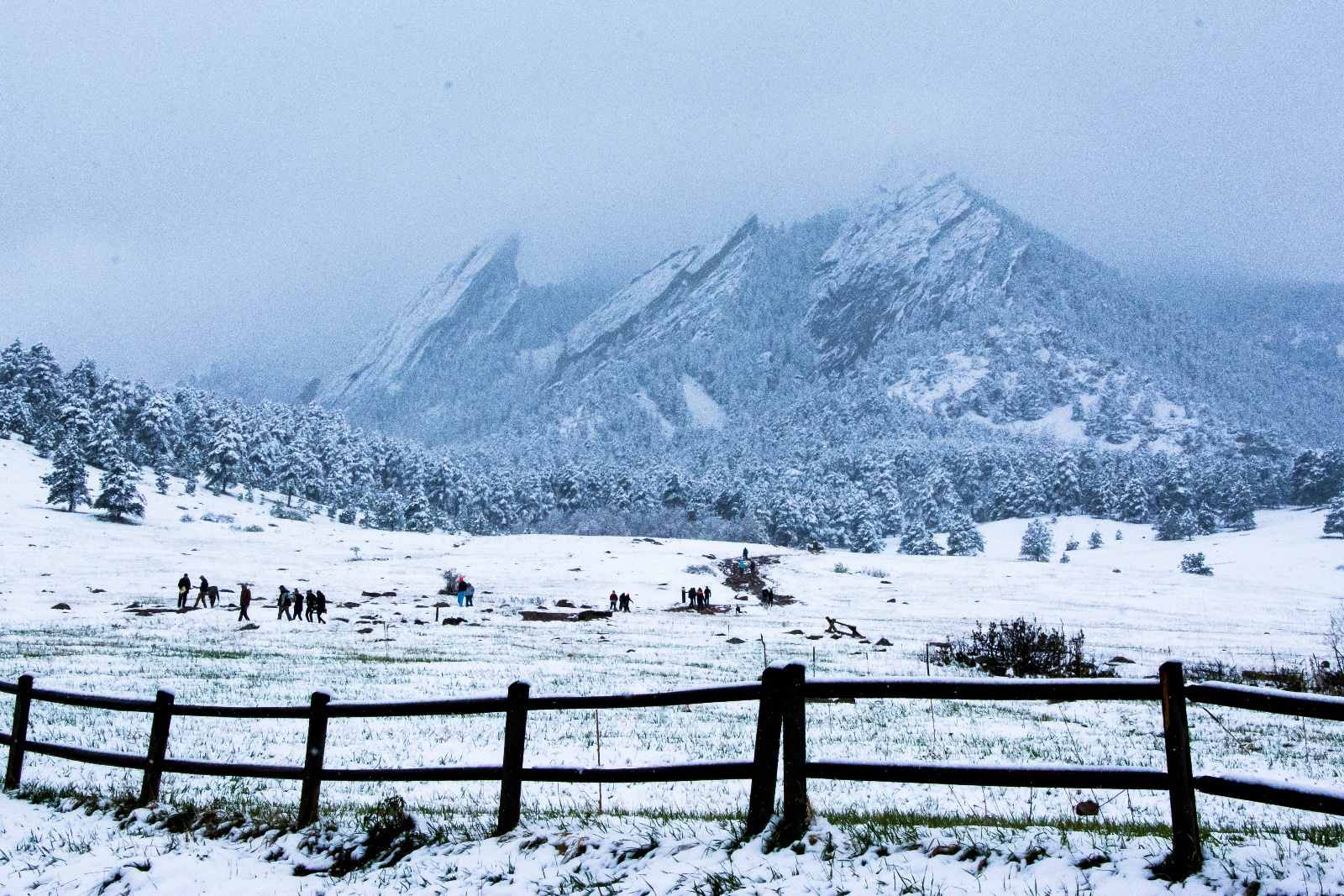
The heart of Colorado’s cold reputation lies within its mountainous regions. Here, elevations frequently exceed 9,000 feet, leading to significantly lower temperatures year-round compared to the state’s lower-lying areas. During winter, these areas transform into a quintessential winter wonderland, characterized by heavy snowfall and sustained freezing temperatures. Major ski resorts like Aspen, Vail, and Breckenridge thrive in these conditions, offering world-class winter sports. Even in summer, high-altitude regions, including much of Rocky Mountain National Park, can experience chilly nights, with temperatures occasionally dipping below freezing, and daytime highs remaining comfortably cool, often in the 60s or 70s Fahrenheit. Travelers exploring these areas must always be prepared for rapid weather changes, including sudden snow showers even in late spring or early fall.
The Front Range Urban Corridor: Seasonal Nuances and Accessibility
Stretching from Fort Collins south through Denver, Boulder, and Colorado Springs, the Front Range Urban Corridor is home to the majority of Colorado’s population. Situated at elevations typically between 5,000 and 7,000 feet, this region experiences a distinct four-season climate. Winters are cold, with average high temperatures in Denver hovering around the mid-40s Fahrenheit, though lows can drop into the teens or single digits. Snowfall is common, but often melts quickly due to abundant sunshine. The “cold” here is generally more tolerable than in the high mountains, making cities highly accessible year-round. While residents and visitors embrace winter activities, the urban environment also offers a vibrant array of indoor attractions, from museums and breweries to dining, providing respite from colder days.
The Western Slope and Eastern Plains: High Desert and Continental Extremes
The Western Slope, encompassing areas west of the Continental Divide like Grand Junction, often has a milder, high-desert climate, though it still experiences cold winters. Winter temperatures are generally a few degrees warmer than the Front Range, with less overall snowfall. However, cold snaps are still common. Conversely, the Eastern Plains, characterized by rolling prairies and agricultural lands, experiences a more extreme continental climate. Winters here can be exceptionally cold, with strong winds amplifying the chill factor, and temperatures often dropping well below freezing. While less frequented by traditional winter tourists, those traveling through these areas should be prepared for biting cold and potential blizzard conditions, especially when driving along routes like I-70.
Seasonal Deep Dive: When to Expect the Coldest Weather
Colorado’s cold isn’t static; it evolves with the seasons, presenting different challenges and opportunities for travelers. Knowing what to expect season by season is vital for proper planning.
Winter (December – February): The Peak of Cold and Snow
This period undeniably represents the peak of Colorado’s cold season. Average high temperatures across the state generally range from the 20s to 40s Fahrenheit, with nighttime lows often dipping into single digits or even below zero, particularly in the mountains. This is when the state receives its most substantial snowfall, creating prime conditions for skiing, snowboarding, and other winter sports. Resorts like Telluride and Steamboat Springs are at their most vibrant. Travelers during this time should anticipate frozen conditions, snow-covered roads, and the need for comprehensive cold-weather gear. While challenging, this is also when Colorado reveals its most iconic winter beauty, offering unparalleled opportunities for majestic, snow-draped vistas and exhilarating outdoor adventures.
Shoulder Seasons (Late Fall/Early Spring): Unpredictable but Rewarding
The shoulder seasons—late fall (October-November) and early spring (March-April)—offer a dynamic and often unpredictable experience. Temperatures can fluctuate wildly, with warm, sunny days quickly giving way to sudden cold fronts and significant snowfalls. In October, many mountain towns showcase stunning fall foliage before the heavy snows begin. By November, ski resorts start opening, signaling the transition to true winter. March and April can be fantastic for skiing, often boasting deep snow bases and warmer, sunnier days known as “spring skiing.” However, travelers must be prepared for everything from mild conditions to severe winter storms. These seasons often mean fewer crowds and potentially better deals on accommodations, making them rewarding for adaptable travelers. Layering is paramount during these months.
Summer (June – August): Mountain Chill Evenings and High-Altitude Coolness
While summer brings warmth to most of the U.S., Colorado’s high elevations ensure that “cold” remains a relevant consideration, especially for those venturing into the mountains. Daytime temperatures in the Front Range cities are typically pleasant, in the 80s Fahrenheit, but at altitudes above 9,000 feet, daytime highs rarely exceed the 70s. More importantly, nighttime temperatures in the mountains consistently drop into the 40s and 30s, necessitating warm sleeping bags and jackets for campers and hikers. Even a casual evening stroll in a mountain town like Ouray might require a substantial jacket. Summer can also bring afternoon thunderstorms, which, while not “cold” in themselves, can drastically drop temperatures and bring strong winds, making exposed areas feel much chillier.
Preparing for Colorado’s Cold: Essential Travel Tips
Traveling to Colorado, especially during colder months or to higher elevations, demands careful preparation. Being adequately equipped ensures both comfort and safety.
Layering Like a Local: What to Pack for Comfort and Safety
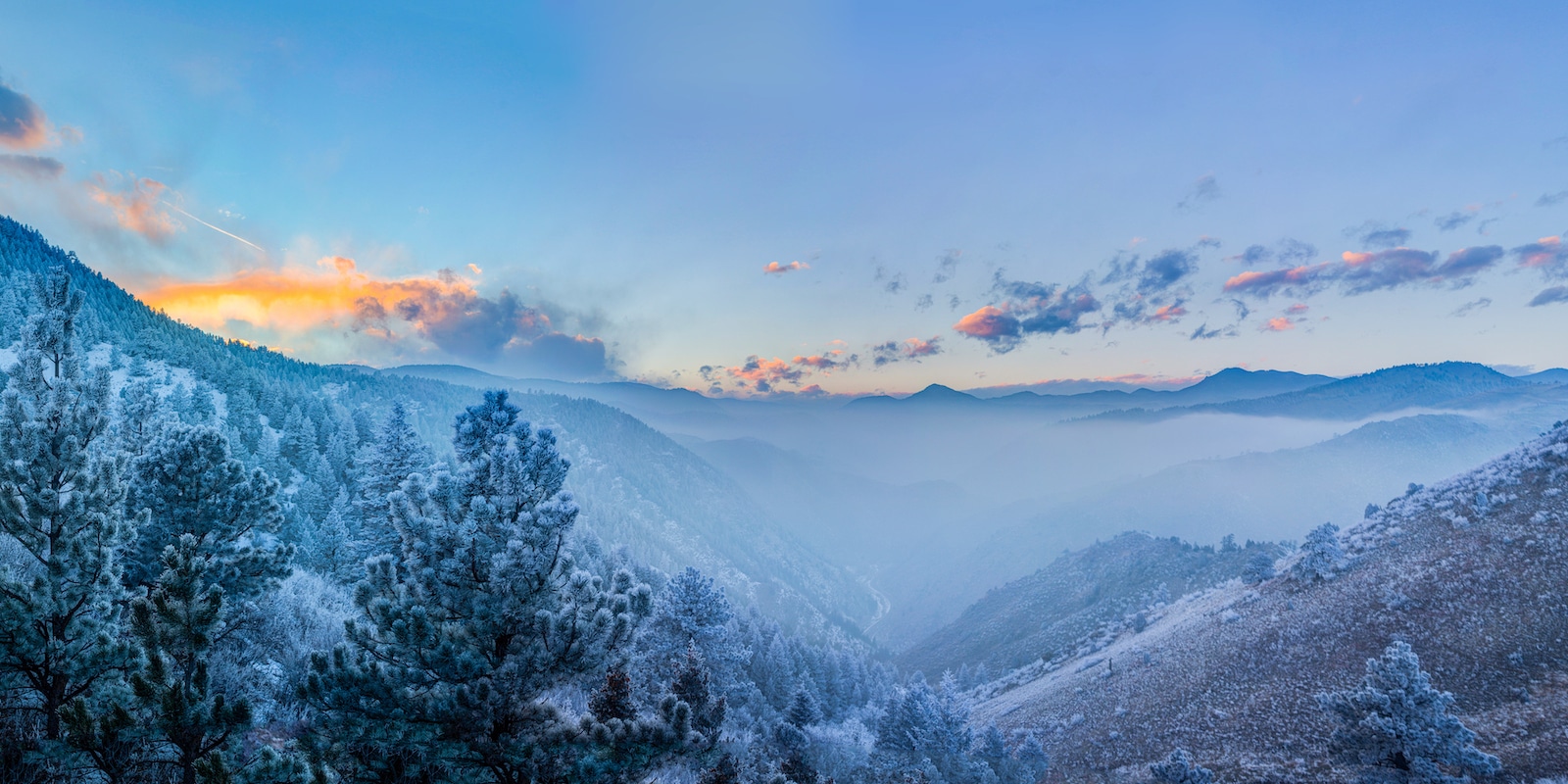
The golden rule for dressing in Colorado’s cold climate is layering. Rather than one heavy coat, pack multiple lighter items that can be added or removed as temperatures fluctuate throughout the day. Start with a moisture-wicking base layer (merino wool or synthetic, never cotton). Add an insulating mid-layer like fleece or down. The outer layer should be a waterproof and windproof shell to protect against snow, rain, and gusts. Don’t forget accessories: a warm hat, gloves or mittens, and a scarf are crucial, as significant heat loss occurs through the head and extremities. For footwear, waterproof, insulated boots with good traction are essential for navigating snowy or icy terrain, whether you’re hitting the slopes or exploring a city.
Driving in Winter Conditions: Navigating Snowy Roads
If you plan to drive in Colorado during winter, especially into the mountains, preparedness is key. Rental car agencies offer vehicles with all-wheel drive (AWD) or four-wheel drive (4WD), which are highly recommended. Many mountain passes, particularly along the I-70 corridor, have traction laws during severe weather, requiring specific tires (mud and snow, or M+S rated) or tire chains. Always check road conditions before heading out, using resources like the Colorado Department of Transportation (CDOT) website or app. Keep an emergency kit in your vehicle, including blankets, extra layers, water, snacks, a flashlight, and jumper cables. Drive slowly, maintain increased following distances, and be aware of black ice.
Health and Safety in Cold, High-Altitude Environments
Colorado’s combination of cold and high altitude presents unique health considerations. Altitude sickness can affect anyone, regardless of fitness level. Symptoms include headaches, nausea, dizziness, and fatigue. To mitigate this, hydrate constantly (more than you think you need), avoid alcohol and strenuous activity for the first 24-48 hours, and consider over-the-counter remedies. Even in cold weather, the sun’s intensity at high altitudes is extreme; always wear sunscreen and UV-protective sunglasses. Be vigilant for signs of frostbite (numb, pale skin) and hypothermia (shivering, confusion, clumsiness), especially if exposed to cold and wet conditions for extended periods. Dress warmly, stay dry, and take breaks indoors to warm up.
Embracing the Chill: Unforgettable Cold-Weather Experiences
While the cold demands preparation, it also unlocks a world of unparalleled experiences that define a Colorado adventure.
World-Class Skiing and Snowboarding: Colorado’s Crown Jewels
Colorado is synonymous with skiing and snowboarding, boasting some of the best resorts on the planet. From the legendary pistes of Vail and the chic slopes of Aspen to the family-friendly terrain of Keystone and the historic charm of Telluride, there’s a mountain for every skill level and preference. These resorts offer not just incredible snow and diverse trails but also vibrant village atmospheres, world-class dining, and luxurious accommodations. Ski season typically runs from November to April, promising months of powdery thrills.
Winter Hiking, Snowshoeing, and Cross-Country Skiing
Beyond the downhill rush, Colorado’s cold season invites a quieter, more intimate exploration of its snowy landscapes. Winter hiking, often aided by snowshoes, allows access to trails that transform into serene, white corridors. Brainard Lake Recreation Area near Nederland is a popular spot for snowshoeing, offering stunning views of the Continental Divide. Cross-country skiing, whether on groomed tracks or backcountry trails, provides an excellent full-body workout and a peaceful way to immerse oneself in nature. Many state parks and national forests offer designated areas for these activities, allowing travelers to experience the profound stillness and beauty of a Colorado winter.
Cozy Après-Ski and Cultural Experiences
After a day in the cold, Colorado offers myriad ways to warm up and unwind. The après-ski culture is legendary, with vibrant bars and restaurants providing cozy nooks to enjoy warm drinks, hearty meals, and live music. Many mountain towns, like Glenwood Springs, are famous for their natural hot springs, offering a blissful soak under the winter sky. Beyond the slopes, cities like Denver offer world-class museums, theaters, and a burgeoning culinary scene, ensuring cultural enrichment regardless of the weather. Winter festivals, ice-sculpting competitions, and holiday markets add to the festive atmosphere, celebrating the unique charm of Colorado’s cold season.
Beyond the Cold: Planning Your Colorado Adventure
The cold in Colorado is not a deterrent, but rather a defining characteristic that shapes its identity and the experiences it offers. While it demands respect and preparation, it also opens doors to a unique array of adventures, from world-class skiing to serene winter hikes and cozy après-ski moments.
Choosing Your Destination Based on Temperature Tolerance
When planning your trip, consider your tolerance for cold. If you thrive in sub-zero temperatures and deep snow, the high mountains in January will be your paradise. If you prefer a milder winter with occasional snow, the Front Range cities offer a good balance. For those seeking fewer crowds and the possibility of both winter and spring activities, the shoulder seasons provide a flexible option, though with greater weather variability.
Flexibility and Preparedness: Keys to a Successful Trip
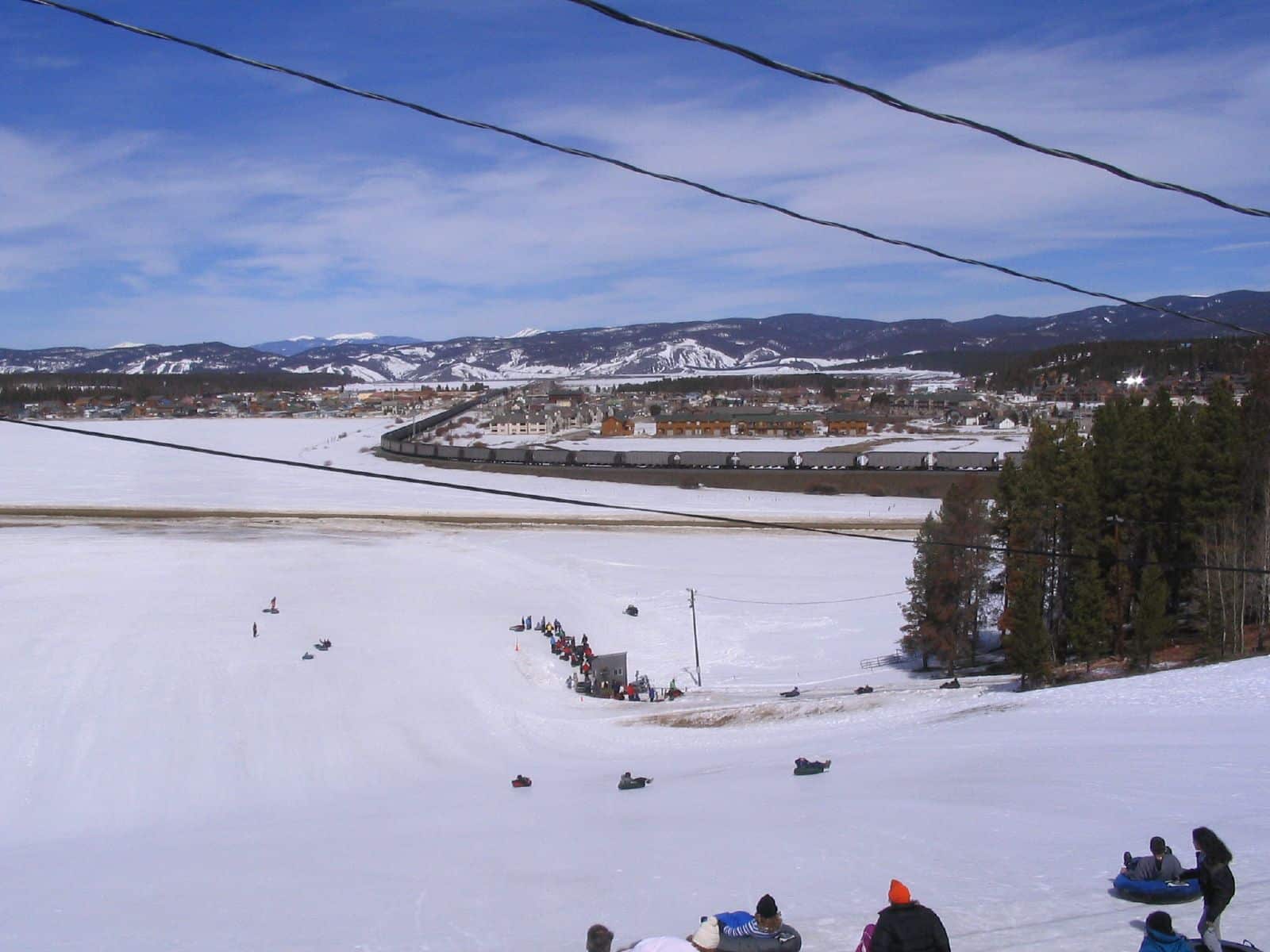
Regardless of when or where you travel in Colorado, flexibility and preparedness are your greatest assets. Always check weather forecasts close to your departure and even daily during your trip, as conditions can change rapidly. Book accommodations and popular activities in advance, especially during peak ski season. By understanding Colorado’s diverse cold climates and preparing appropriately, you can transform the chill into an unforgettable, thrilling, and profoundly rewarding travel experience.
LifeOutOfTheBox is a participant in the Amazon Services LLC Associates Program, an affiliate advertising program designed to provide a means for sites to earn advertising fees by advertising and linking to Amazon.com. Amazon, the Amazon logo, AmazonSupply, and the AmazonSupply logo are trademarks of Amazon.com, Inc. or its affiliates. As an Amazon Associate we earn affiliate commissions from qualifying purchases.