
Florida, often lauded as the Sunshine State, conjures images of endless summer, sun-drenched beaches, and balmy breezes. Tourists from across the United States and around the globe flock here seeking warmth, especially during the colder months in their own regions. However, the question “How cold is it in Florida?” is more nuanced than it appears at first glance. While notorious for its heat and humidity, Florida does experience periods of cooler weather, particularly during its winter season, which runs roughly from December to February. Understanding these temperature shifts is crucial for any traveler planning a visit, impacting everything from packing choices to activity planning and accommodation selection. Far from a uniform climate, the state’s long, narrow geography means significant variations from its northern border to the southernmost tip of Key West, influencing the definition of “cold” across different regions.
This comprehensive guide will delve into the intricacies of Florida’s winter weather, helping you prepare for your trip. We’ll explore what “cold” truly means in the context of the Sunshine State, examine regional differences, and offer insights into how cooler temperatures might affect your travel plans, from theme park adventures to beach relaxation. We’ll also cover essential packing tips, highlight suitable activities, and discuss how to find comfortable accommodations that cater to varying climates. Whether you’re a “snowbird” escaping harsh northern winters or a family planning a holiday getaway, understanding Florida’s climate is key to a perfectly planned experience.
Unpacking Florida’s Winter Climate
Despite its reputation, Florida is not immune to dipping temperatures. While you won’t typically find snow outside of extremely rare, isolated events in the northern parts of the state, the feeling of “cold” is relative. For those accustomed to sub-zero temperatures, a Florida winter day in the 50s Fahrenheit (around 10-15 degrees Celsius) might feel pleasantly cool, whereas for a local, it might warrant pulling out a heavy jacket. The state’s proximity to the Gulf of Mexico and the Atlantic Ocean plays a significant role in moderating temperatures, but cold fronts can still sweep through, bringing brisk winds and lower mercury readings.
The Sunshine State’s “Cold” Defined
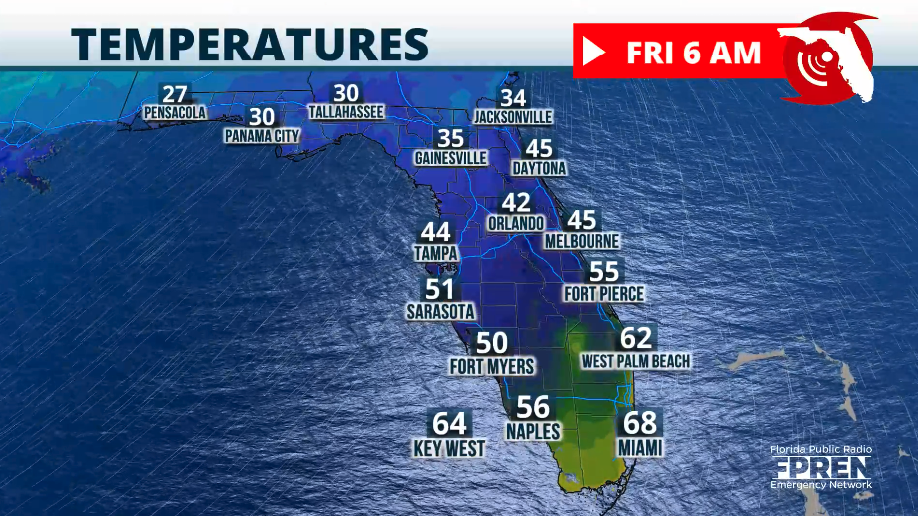
When locals talk about “cold” in Florida, they are generally referring to temperatures that drop below 60°F (15°C). While this might still be shorts-and-t-shirt weather for some northerners, it’s often accompanied by high humidity and brisk winds, which can make it feel much colder. Typical winter daytime temperatures across most of Florida range from the low 60s to high 70s Fahrenheit (15-25°C). Nights, however, can see a more significant drop, often falling into the 40s or 50s Fahrenheit (5-15°C), particularly in central and northern areas.
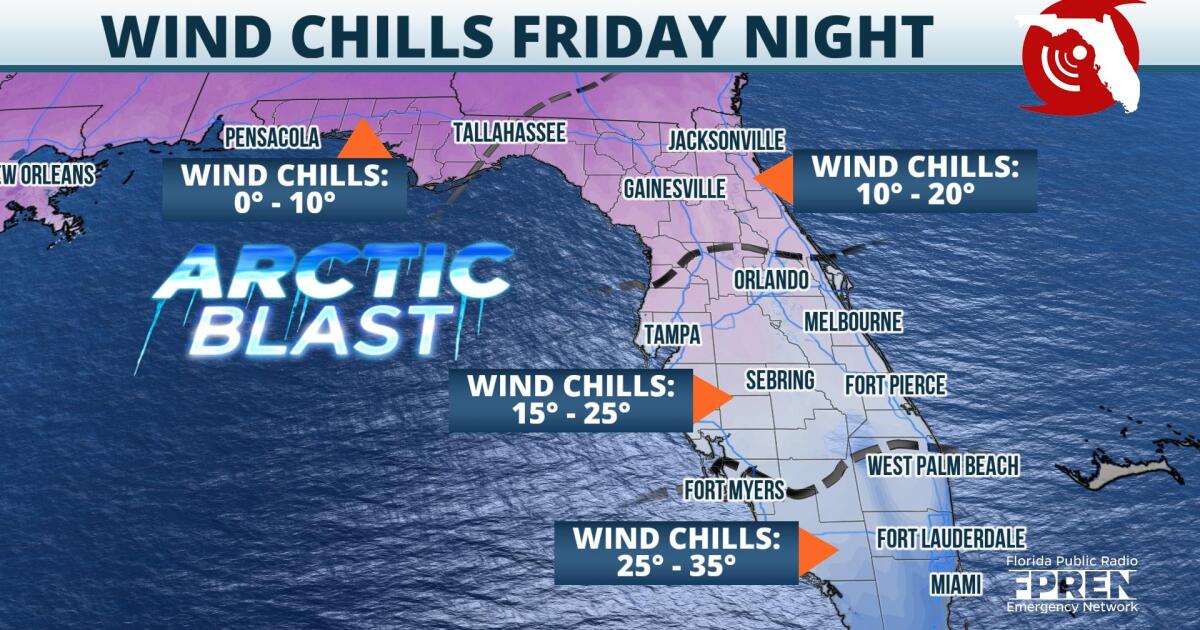
Cold snaps, though infrequent, are a notable feature of a Florida winter. These events are usually short-lived, lasting only a few days, but can bring temperatures into the 30s Fahrenheit (0-5°C) and occasionally even colder. During these times, the state’s normally vibrant outdoor tourism scene can slow down, as activities like swimming and sunbathing become less appealing. However, these periods are usually followed by a rapid return to more characteristically mild or warm conditions. The key takeaway for travelers is that “cold” in Florida is rarely severe or prolonged, but it is a distinct possibility that requires some preparation. This relative “cold” also provides a unique opportunity to experience Florida’s cultural and natural attractions without the intense heat and humidity of summer, making strolls through historic St. Augustine or explorations of Everglades National Park far more comfortable.
Regional Variations and Microclimates
Florida’s geographical length ensures that its winter weather is far from uniform. The state can be broadly divided into three climatic zones: North, Central, and South Florida, each with its own “cold” profile.
- North Florida: This region, including cities like Jacksonville and the Panhandle, experiences the coldest winter temperatures. It’s not uncommon for night-time lows to dip into the 30s F (0-5°C), and frosts are a regular occurrence. Daytime highs typically range from the low 50s to low 60s F (10-18°C). While cold snaps here can be quite chilly, they rarely involve prolonged freezing conditions. Attractions like the historic sites of St. Augustine and the natural beauty of Amelia Island are still enjoyable, but layered clothing is essential.
- Central Florida: Home to major tourist destinations like Orlando and Tampa, this region enjoys milder winters. Daytime temperatures usually hover in the 60s and low 70s F (18-23°C), with nights dropping into the 40s and 50s F (5-15°C). Cold fronts can bring temperatures down further, occasionally touching the freezing mark overnight, but these are typically brief. Theme parks like Walt Disney World Resort and Universal Orlando Resort remain popular, though water parks might close during cooler periods.
- South Florida: Encompassing cities like Miami, Fort Lauderdale, and Key West, this is the warmest part of the state. Winter daytime temperatures are usually in the 70s F (21-26°C), making it ideal for beach activities and outdoor dining. Nighttime lows rarely fall below the 60s F (15-20°C), although occasional cold fronts can bring readings into the 50s F (10-15°C). It’s here that the classic image of a warm Florida winter is most consistently found, perfect for exploring South Beach or the Art Deco Historic District.
Understanding these regional differences is vital for planning, as a sweater might be sufficient in Miami, while a coat could be necessary in Jacksonville on the same winter day.
Planning Your Florida Trip During Cooler Months
Visiting Florida during its cooler months offers a distinct set of advantages and considerations compared to the scorching summer. While the intense heat and humidity subside, ushering in more comfortable conditions for many activities, the possibility of a “cold” snap means a different approach to packing and itinerary planning. This period, roughly from December to February, is also peak tourist season, attracting “snowbirds” and holiday travelers, which can influence everything from accommodation prices to crowd levels at popular attractions.
What to Pack and What to Expect
Packing for a Florida winter trip requires a versatile wardrobe that can adapt to fluctuating temperatures. The key is layering. While you’ll certainly want your swimwear for days when temperatures soar into the 70s or 80s F (21-27°C), don’t forget warmer items for cooler days and evenings.
Essential Packing List:
- Layering Options: Long-sleeved shirts, light sweaters, cardigans, and a medium-weight jacket are invaluable. A fleece or windbreaker is particularly useful for breezy coastal areas or during a cold front.
- Bottoms: Include both shorts and long pants (jeans, khakis).
- Footwear: Comfortable walking shoes are a must, especially for theme parks or city exploration. Sandals or flip-flops are great for warmer days, but closed-toe shoes will be appreciated when it’s cooler.
- Accessories: A light scarf, hat, and even gloves might be welcome on particularly chilly mornings or evenings, especially in North Florida or Central Florida.
- Swimwear: Always pack at least one swimsuit, as even in winter, many hotel pools are heated, and warmer days might entice you to the beach.
- Rain Gear: Light rain showers can occur year-round, so a compact umbrella or lightweight rain jacket is a good idea.
Expect the weather to be somewhat unpredictable. It’s not uncommon to have a week of glorious, warm sunshine followed by a few days of cool, crisp air. Checking the local forecast regularly just before and during your trip is highly recommended. For families, having options for both warm and cool weather ensures everyone stays comfortable, whether they’re riding roller coasters at Busch Gardens Tampa Bay or exploring the natural springs of the St. Johns River.
Activities and Attractions in Cooler Weather
Cooler weather in Florida can actually enhance the experience of many attractions by reducing the oppressive heat and humidity typical of other seasons.
- Theme Parks: Walt Disney World Resort, Universal Orlando Resort, SeaWorld Orlando, and Busch Gardens Tampa Bay are often more pleasant to explore when temperatures are milder. Long queues in the sun are less of a concern, and walking around sprawling parks is more comfortable. Just be aware that some water rides or water parks (like Typhoon Lagoon or Blizzard Beach) may close or operate on a limited schedule during very cold snaps.
- Beaches: While swimming in the ocean might be too chilly for some, Florida’s beaches remain beautiful for walks, shelling, or simply enjoying the sun on warmer days. Clearwater Beach and Siesta Key Beach still offer stunning sunsets and soft sands. The southern coast, including Miami Beach and Naples, offers the best chance for swimming.
- Outdoor Adventures: Cooler temperatures are ideal for activities like hiking, biking, kayaking, and wildlife viewing. Explore the vast ecosystems of Everglades National Park without the sweltering heat or dense mosquito populations of summer. Manatee viewing becomes prime as these gentle giants seek warmer waters in springs and estuaries.
- Historic Sites and Culture: Wander through the cobblestone streets of St. Augustine, America’s oldest city, exploring landmarks like the Castillo de San Marcos or Ponce de Leon’s Fountain of Youth. Visit the sponge docks in Tarpon Springs or enjoy the diverse culinary scene in Miami.
- Festivals and Events: Florida hosts numerous festivals and outdoor events during the cooler months, from art fairs to food and wine festivals, making it a vibrant time for local culture.

Travelers should always check the operational status of outdoor attractions during unexpected cold fronts, as some may adjust hours or offerings for visitor comfort and safety. However, with thoughtful planning, a Florida winter trip can be incredibly rewarding, offering a diverse array of experiences without the summer crowds and heat.
Accommodation and Comfort in Florida’s Chill
When planning a winter trip to Florida, your choice of accommodation plays a crucial role in ensuring comfort, especially if a cold snap hits. While most properties in the Sunshine State are geared towards air conditioning for the pervasive heat, amenities like heating systems and heated pools become highly desirable during the cooler months. From luxurious resorts to cozy vacation rentals, understanding what to look for can significantly enhance your stay.
Heating, Amenities, and Booking Considerations
Unlike northern climates where heating is a year-round necessity, many older or budget accommodations in Florida might have less robust heating systems, or sometimes rely solely on reverse-cycle air conditioning units which can be less efficient in truly cold weather. When booking your stay, especially for travel between December and February, it’s prudent to specifically inquire about the heating system.
- Heating: Confirm that your chosen hotel, suite, or apartment has adequate heating. Modern hotels typically offer central heating, but it’s worth verifying, particularly for older buildings or private villas.
- Heated Pools: A heated pool is a major draw during cooler Florida days. Many resorts and hotels proudly advertise this feature. If swimming is important to your vacation, ensure the pool is not only heated but also maintained at a comfortable temperature. Some resorts even offer indoor pools or hot tubs, providing an excellent alternative on the coldest days.
- Indoor Activities: Consider accommodations that offer indoor amenities, such as fitness centers, spas, game rooms, or on-site restaurants and bars. These provide alternative entertainment options if outdoor plans are hampered by unexpected cold or rain.
- Booking platforms: When using platforms like Expedia, Booking.com, Airbnb, or VRBO, utilize filters for “heating,” “heated pool,” and “indoor pool” to narrow down your options. Reading recent reviews can also offer insights into how guests fared during cooler periods.
Given that winter is peak season, booking well in advance is highly recommended. Prices for hotels and resorts, particularly in popular destinations like Orlando, Miami, and Key West, can be significantly higher, and availability can be limited, especially around holidays like Christmas and New Year’s or during Spring Break. Comparison sites and direct hotel websites can help you find the best deals and secure the amenities you need for a comfortable stay.
Resorts, Villas, and Cozy Stays
Florida’s diverse accommodation landscape offers options for every lifestyle and budget, each with its own advantages during cooler weather.
- Luxury Resorts: High-end establishments like The Breakers Palm Beach, Don CeSar in St. Pete Beach, or Ritz-Carlton and JW Marriott properties often excel in providing year-round comfort. They typically feature robust climate control, multiple heated pools (some even with cabanas and outdoor heaters), exquisite dining, and a wealth of indoor activities. These resorts cater to a lifestyle of relaxation and can be ideal for luxury travelers seeking warmth and pampering regardless of the outside temperature.
- Vacation Villas and Apartments: For families or longer stays, a private villa or apartment, perhaps through Sunshine Coast Villas or Ocean Breeze Suites, can offer more space and amenities like full kitchens, which can be a cozy retreat on a chilly evening. Many vacation rentals in popular areas come with private heated pools or access to communal heated facilities. This option allows for a more personalized travel experience and greater control over your immediate environment.
- Budget-Friendly Options: Even budget hotels usually offer air conditioning with a heating function. For cost-conscious travelers, researching reviews for mentions of heating performance during winter stays can be a smart move. Look for properties with good insulation and perhaps an indoor common area where you can relax.
- Unique Stays: Consider a stay at an Everglades Eco-Lodge or a quaint bed & breakfast in a historic town. These often provide a charming and cozy atmosphere, potentially with fireplaces or other unique heating solutions, offering a different kind of warmth from the conventional hotel experience.
Regardless of your choice, the key is preparation. By being mindful of the potential for cooler weather and selecting accommodation that prioritizes comfort and appropriate amenities, you can ensure your Florida winter getaway remains a warm and enjoyable experience, making the most of all the Sunshine State has to offer.
Embracing Florida’s Unique Winter Lifestyle
Florida in winter offers a distinctly different, yet equally enchanting, lifestyle compared to its sizzling summer months. While the quest for sun and sand remains a primary draw, the cooler, drier air unlocks new dimensions of exploration and enjoyment. This season is synonymous with the arrival of “snowbirds” – visitors escaping colder northern climates – who contribute to a vibrant atmosphere, particularly in coastal and retirement-friendly communities. From enjoying outdoor festivals to exploring nature without the intense heat, Florida’s winter provides a unique blend of relaxation and activity.
From Festivals to Flora: Winter Wonders
The slightly cooler temperatures of Florida’s winter make it an ideal time for outdoor festivals, cultural events, and exploring the state’s natural beauty. The diminished humidity and lower risk of afternoon thunderstorms mean more comfortable conditions for extended periods outdoors.
- Arts and Culture: Winter is prime festival season. From the renowned Art Basel Miami Beach to local seafood festivals along the Gulf Coast and Atlantic Coast, there’s a constant stream of events celebrating music, food, and art. Cities like Sarasota and St. Petersburg are known for their vibrant arts scenes, with numerous galleries and museums that are especially pleasant to visit on a cooler day. The historic district of St. Augustine comes alive with holiday lights and historical reenactments, offering a magical step back in time.
- Nature and Wildlife: Cooler weather draws wildlife out, making it an excellent time for nature lovers. Manatees congregate in Florida’s warm spring waters, offering spectacular viewing opportunities at places like Blue Spring State Park. Birdwatching is also at its peak, as migratory birds flock to the state’s wetlands and coastal areas. Exploring the scenic trails of state parks or taking an airboat ride through the Everglades is far more comfortable without the summer heat and humidity.
- Outdoor Sports: Golfing, tennis, and cycling become incredibly popular during these months. Florida’s world-class golf courses are in high demand, offering perfect conditions for a round. The pleasant climate encourages an active lifestyle, making it easy to enjoy a morning jog along Daytona Beach or a leisurely bike ride through a charming coastal town.
This period allows for a deeper appreciation of Florida’s diverse offerings beyond just the beaches and theme parks, showcasing its rich cultural tapestry and breathtaking natural landscapes.
Preparing for an Unpredictable Warmth
While we’ve focused on the “cold” aspects, it’s vital to remember that Florida’s winter can still surprise you with genuinely hot days. A 75-80°F (24-27°C) day in January is not uncommon, especially in South Florida. This unpredictability is part of the state’s charm but requires a flexible approach to your lifestyle and travel plans.
- Clothing Versatility: This reinforces the need for layers. You might start your day with a light jacket, shed it by midday for a t-shirt, and need it again for an evening outing. Always having swimwear ready is key, as a sudden warm spell could make a heated pool or even the ocean irresistible.
- Hydration and Sun Protection: Even on cooler days, the Florida sun can be intense. Continue to drink plenty of water, wear sunscreen, and consider sunglasses and a hat, especially if spending extended time outdoors. The sun’s UV rays are powerful regardless of the air temperature.
- Adaptable Itineraries: Be prepared to swap activities based on the daily forecast. If a cold front is expected, plan for indoor attractions like museums, shopping centers, or a visit to the Kennedy Space Center Visitor Complex. If a warm front arrives, seize the opportunity for a beach day or a visit to an outdoor attraction like Gatorland.
- Enjoying the Pace: Many “snowbirds” and long-term visitors embrace a slower pace of life during the winter, taking advantage of the comfortable weather for daily walks, leisurely meals outdoors, and simply relaxing. This lifestyle offers a pleasant contrast to the hustle and bustle often associated with summer tourism.
Ultimately, Florida’s winter is a season of delightful contrasts. It’s a time when you can experience the best of both worlds: comfortable temperatures that invite outdoor exploration, coupled with the occasional crispness that reminds you it’s technically winter. By understanding these nuances and preparing accordingly, visitors can fully immerse themselves in the unique charm and vibrant lifestyle of the Sunshine State during its most inviting season. Whether you’re seeking cultural richness, natural beauty, or simply a respite from harsher climates, Florida offers a warm, if occasionally cool, embrace.
LifeOutOfTheBox is a participant in the Amazon Services LLC Associates Program, an affiliate advertising program designed to provide a means for sites to earn advertising fees by advertising and linking to Amazon.com. Amazon, the Amazon logo, AmazonSupply, and the AmazonSupply logo are trademarks of Amazon.com, Inc. or its affiliates. As an Amazon Associate we earn affiliate commissions from qualifying purchases.