
New Orleans, a city that pulsates with an infectious rhythm, a culinary wonderland, and a history etched in every cobblestone, is undeniably a top-tier travel destination. From the vibrant streets of the French Quarter to the soulful melodies drifting from Frenchmen Street, the Crescent City offers an immersive experience unlike any other. Yet, like many renowned urban centers, a question often lingers in the minds of potential visitors: “How dangerous is New Orleans?”
This inquiry is valid, and addressing it with nuance and accurate information is crucial for any traveler planning a trip. While no city is entirely without risk, New Orleans, like New York City or Los Angeles, presents a complex tapestry where safety is influenced by a myriad of factors, including the specific neighborhoods visited, the time of day, and the individual’s own awareness and precautions. This article aims to provide a balanced perspective, moving beyond sensational headlines to offer practical insights for enjoying the magic of New Orleans safely and responsibly.

Understanding Crime in New Orleans
To understand the safety landscape of New Orleans, it’s important to consider crime statistics and trends. While the city has faced challenges with crime rates, these statistics often paint a broader picture that doesn’t always reflect the experience of a typical tourist.
Crime Statistics and Tourist Areas
New Orleans, like many major tourist hubs globally, experiences a concentration of crime in certain areas. However, the vast majority of visitors flock to well-trafficked and heavily policed districts such as the French Quarter, the Garden District, and the Arts/Warehouse District. These areas are generally considered safe for tourists, especially during daylight hours and early evenings. Crime that does occur in these popular zones often involves petty theft, such as pickpocketing or bag snatching, which can be mitigated with common-sense precautions.
It’s important to note that national crime statistics can sometimes be misleading. While New Orleans may appear higher on some lists, this can be due to various reporting methodologies and the inclusion of crimes occurring in less tourist-frequented areas of the metropolitan area. For tourists, the focus should remain on the areas they are most likely to visit, which are typically well-patrolled and accustomed to handling large numbers of visitors.
Types of Crime to Be Aware Of
The most common types of crime that tourists might encounter in New Orleans are non-violent, opportunistic offenses. These include:
- Petty Theft: Pickpocketing, especially in crowded areas like Bourbon Street or during festivals, is a risk. Keeping valuables secure and being aware of your surroundings is paramount.
- Scams: As with any popular tourist destination, some individuals may attempt to scam visitors. Be wary of overly aggressive street vendors or individuals offering unsolicited “tours” or “services” that seem too good to be true.
- Car Break-ins: If you rent a car, avoid leaving valuables visible inside. Parking in well-lit, secure lots is always recommended, especially overnight.
Violent crime does occur in New Orleans, as it does in any large city. However, instances of violent crime directly targeting tourists are relatively rare, particularly when adhering to basic safety practices. Tourists are generally not the intended targets of the types of violent crimes that are more prevalent in certain neighborhoods.
Navigating New Orleans Safely: Practical Tips and Recommendations
While understanding the crime landscape is important, the key to a safe and enjoyable trip to New Orleans lies in adopting proactive safety measures and being a well-informed traveler. The city’s unique charm is best experienced when one feels confident and secure.
Smart Neighborhood Choices and Exploration
New Orleans is a city of distinct neighborhoods, each with its own character and atmosphere. While the central tourist areas are generally safe, exploring further afield requires a bit more awareness.
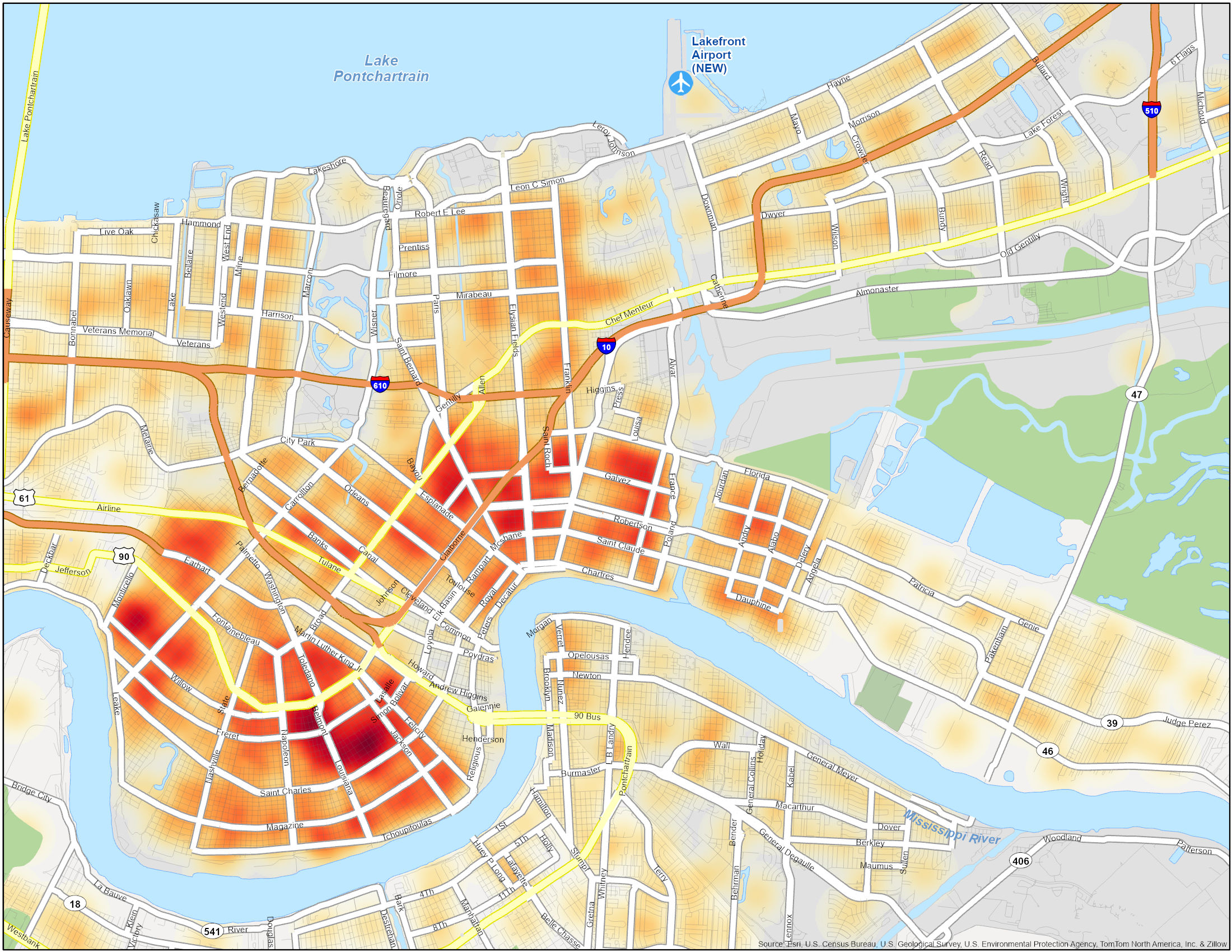
- Tourist Hotspots: Areas like the French Quarter, the Marigny (for music on Frenchmen Street), the Central Business District, and the Garden District are accustomed to tourists and are generally safe, especially during the day. Many exquisite hotels, from boutique gems to luxury resorts, are located in these vibrant districts.
- Off-the-Beaten-Path: If you venture into neighborhoods outside the main tourist zones, especially after dark, it’s advisable to do so with a local guide or to use reliable transportation services like ride-sharing apps or taxis. Researching neighborhoods beforehand is always a good idea. For instance, a visit to the historic cemeteries like St. Louis Cemetery No. 1 or Lafayette Cemetery No. 1 should ideally be done with a guided tour for both historical context and safety.
- Late-Night Travel: While the music scene on Frenchmen Street can keep you entertained late into the night, it’s wise to be cautious when walking back to your accommodation if it’s a significant distance. Taxis or ride-sharing apps are a sensible choice.
Essential Safety Practices for Travelers
Adopting common-sense safety practices is the most effective way to ensure a worry-free experience in New Orleans. These are principles that apply to travel in any major city.
- Situational Awareness: Be aware of your surroundings at all times. Avoid being engrossed in your phone, especially when walking alone, and pay attention to who is around you.
- Valuables: Keep valuable items, such as expensive jewelry, large amounts of cash, or high-end electronics, discreetly stored. Use hotel safes when available. When exploring, carry only what you need for the day and keep your wallet in a secure front pocket or a cross-body bag.
- Walking: Stick to well-lit and populated streets, especially at night. If you feel uncomfortable in an area, trust your instincts and leave.
- Transportation: Utilize reputable transportation services. If you hail a taxi, ensure it’s a licensed vehicle. Ride-sharing apps offer convenience and a degree of safety with tracking features. If you’re driving, familiarize yourself with parking options and avoid leaving your vehicle in dimly lit or isolated areas.
- Alcohol Consumption: New Orleans is famous for its vibrant nightlife and celebratory atmosphere. However, excessive alcohol consumption can impair judgment and make you a more vulnerable target. Drink responsibly and stay with your group.
- Emergency Services: Know the emergency number (911 in the United States). Familiarize yourself with the location of your hotel or accommodation and nearby landmarks in case you need to provide directions to emergency services.
Accommodation Choices and Safety
Your choice of accommodation plays a significant role in your overall safety and peace of mind while traveling. New Orleans offers a wide array of options, catering to every budget and style, from luxurious suites in historic hotels to cozy apartments and charming villas.
- Location, Location, Location: When booking, pay close attention to the neighborhood where your chosen hotel, resort, or rental property is located. Many reputable hotels are situated in safe, well-trafficked areas, offering excellent amenities and security. Websites with reviews can be invaluable for gauging guest experiences regarding safety and location.
- Hotel Amenities: Consider the amenities offered by your accommodation. Many hotels provide 24-hour security, well-lit common areas, and secure entry systems, which can enhance your sense of safety.
- Booking Platforms: Whether you are looking for a short stay or a long-term stay, using reputable booking platforms or directly with hotels ensures a more secure transaction and access to customer support if needed.
Embracing the Magic of New Orleans Safely
New Orleans is a city that rewards curiosity and an open spirit. Its vibrant culture, rich history, diverse food scene, and unique experiences are what draw millions of visitors each year. By approaching your visit with awareness, employing common-sense safety practices, and choosing your accommodations wisely, you can fully immerse yourself in the enchanting atmosphere of the Crescent City without undue concern.
Experiencing Local Culture and Cuisine
The true essence of New Orleans is found in its people, its music, and its unparalleled culinary offerings. From the lively jazz clubs on Frenchmen Street to the historic streetcars traversing St. Charles Avenue, there are endless ways to engage with the local culture.
- Music and Nightlife: Enjoy the world-class live music scene. If you’re out late, stick to well-known entertainment districts like the French Quarter or Frenchmen Street, which are generally well-patrolled.
- Culinary Delights: New Orleans is a foodie paradise. From iconic restaurants serving gumbo and jambalaya to casual eateries and vibrant food markets, exploring the food scene is a must. Be adventurous, but always choose establishments that appear clean and well-managed.
- Daytime Exploration: During the day, explore the architectural wonders of the French Quarter and the stately mansions of the Garden District. Many of these landmarks offer guided tours that can provide both historical insights and a sense of security.

Responsible Tourism and Travel Tips
Being a responsible tourist means being prepared and mindful. The tips for navigating New Orleans safely are not about instilling fear, but about empowering visitors to have the best possible experience.
- Plan Your Itinerary: Having a general plan for your days, especially for exploring less familiar areas, can prevent you from wandering into potentially less safe situations.
- Stay Connected: Inform someone of your travel plans and check in regularly. Ensure your mobile phone is charged and that you have local emergency numbers readily available.
- Trust Your Instincts: If a situation or area feels unsafe, it probably is. Don’t hesitate to remove yourself from it. Your personal safety is always the top priority.
- Respect Local Laws and Customs: Be aware of and abide by local laws and customs to ensure a smooth and respectful visit.
In conclusion, New Orleans is a city that offers an unparalleled travel experience. While it is not without its safety challenges, like any major urban destination, these are often manageable with a degree of awareness and common sense. By following practical safety guidelines, choosing your accommodations thoughtfully, and engaging with the city’s vibrant culture responsibly, you can confidently explore and fall in love with all that the magical city of New Orleans has to offer. From the historic charm of the French Quarter to the lively music scene and the delectable food, your adventure in New Orleans can be both thrilling and safe.