
The iconic Bellagio Las Vegas, a name synonymous with luxury, elegance, and the vibrant heart of the Las Vegas Strip, stands as a testament to opulence and meticulous design. For many who have experienced its grandeur or merely glimpsed its dazzling presence, a fundamental question often arises: “When was Bellagio Las Vegas built?” Delving into the history of this magnificent resort reveals not just a construction timeline, but a story of ambition, artistry, and a vision to redefine the very essence of Las Vegas entertainment and hospitality.
The genesis of Bellagio Las Vegas dates back to the early 1990s, a period when Las Vegas was undergoing a significant transformation. It was a time of evolving from a predominantly gambling-focused destination to a comprehensive resort experience, encompassing world-class dining, lavish entertainment, and high-end shopping. The ambitious project was spearheaded by legendary casino mogul Steve Wynn and his company, Mirage Resorts. The land on which the Bellagio now majestically sits was formerly occupied by the infamous Dunes Hotel and Country Club, a property that had seen better days and was ripe for a groundbreaking redevelopment.
The Vision and Genesis of a Masterpiece
The decision to build the Bellagio was not merely about constructing another hotel; it was about creating an unparalleled destination that would captivate guests with its artistry, refined atmosphere, and sophisticated charm. Steve Wynn, known for his keen eye for detail and his commitment to creating immersive experiences, envisioned a resort inspired by the picturesque Italian region of Lake Como. The name itself, Bellagio, is borrowed from a charming town nestled on the shores of Lake Como, aiming to evoke a sense of serene beauty and Italianate elegance.
From Dunes to Diamonds: The Demolition and Groundbreaking
The site’s transformation began in earnest in 1993 with the demolition of the Dunes Hotel. This was not a simple implosion; it was a carefully orchestrated event that signaled the end of an era and the dawn of a new one. Following the clearing of the land, construction of the Bellagio commenced in earnest. The sheer scale of the project was staggering, requiring immense financial investment and a highly skilled workforce. The estimated cost for the construction of the Bellagio was a staggering $1.6 billion, making it one of the most expensive hotel projects in the world at the time of its groundbreaking.
The groundbreaking ceremony, while not as widely publicized as its opening, marked the official commencement of what would become an iconic landmark. The foundational work, the intricate planning, and the architectural blueprints all converged on this pivotal moment, setting in motion the creation of a resort that would set new standards for luxury accommodation and entertainment. The vision was to create a destination that offered more than just a place to stay; it was to be an experience, a journey into a world of refined beauty and captivating allure.
Architectural Grandeur and Artistic Integration
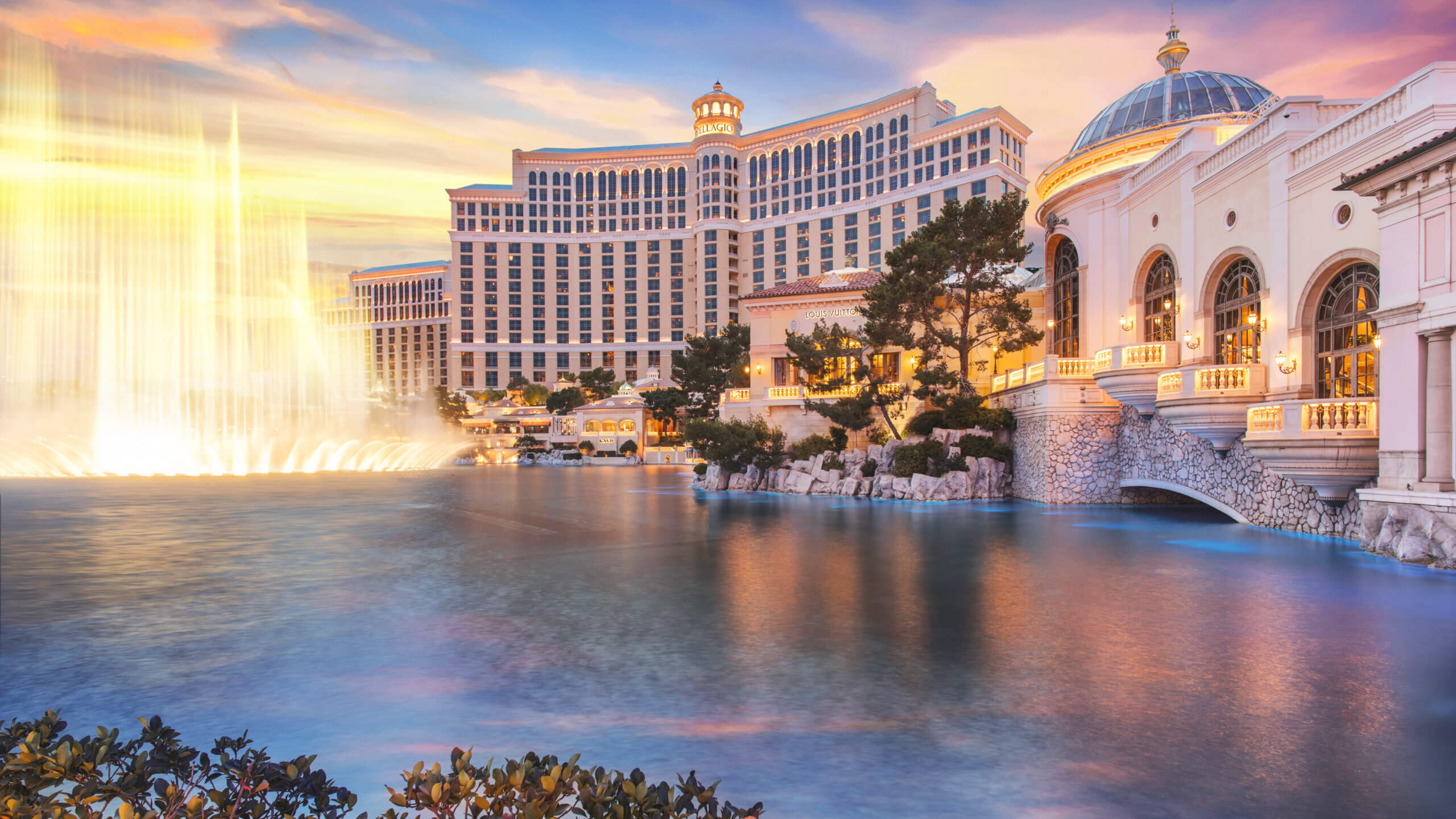
The architectural design of the Bellagio was a collaborative effort, with Wynn Las Vegas and Wimberly, Allison, Tong & Goo (WATG) being instrumental in bringing Steve Wynn‘s vision to life. The exterior, characterized by its elegant curves and classic lines, hints at the European inspiration. However, it’s the interior where the true artistry of the Bellagio truly shines. Dale Chihuly, the renowned glass sculptor, played a pivotal role in shaping the resort’s aesthetic. His vibrant and whimsical glass creations are prominently featured throughout the property, most notably in the iconic “Fiori di Como” installation adorning the lobby’s ceiling, a breathtaking canopy of hand-blown glass flowers that immediately immerses guests in a world of color and light.
The commitment to art extended beyond the lobby. Throughout the resort, guests can encounter a curated collection of fine art, a departure from the typical opulent but art-barren casino floors. This integration of fine art was a deliberate choice by Steve Wynn, aiming to elevate the Bellagio from a mere gambling hall to a cultural destination, a place where guests could appreciate both the thrill of Las Vegas and the beauty of artistic expression. This focus on artistic integrity and sophisticated design was central to the Bellagio‘s identity from its inception.
The Grand Opening and Its Impact
After years of meticulous planning and construction, the Bellagio Las Vegas officially opened its doors to the public on October 15, 1998. The opening night was a spectacular event, attended by celebrities, dignitaries, and the media, all eager to witness the unveiling of what was already being hailed as a masterpiece. The anticipation was palpable, and the reality exceeded even the loftiest expectations. The resort immediately established itself as a premier luxury destination, drawing visitors from around the globe and redefining the landscape of Las Vegas tourism.
A Symphony of Entertainment and Luxury
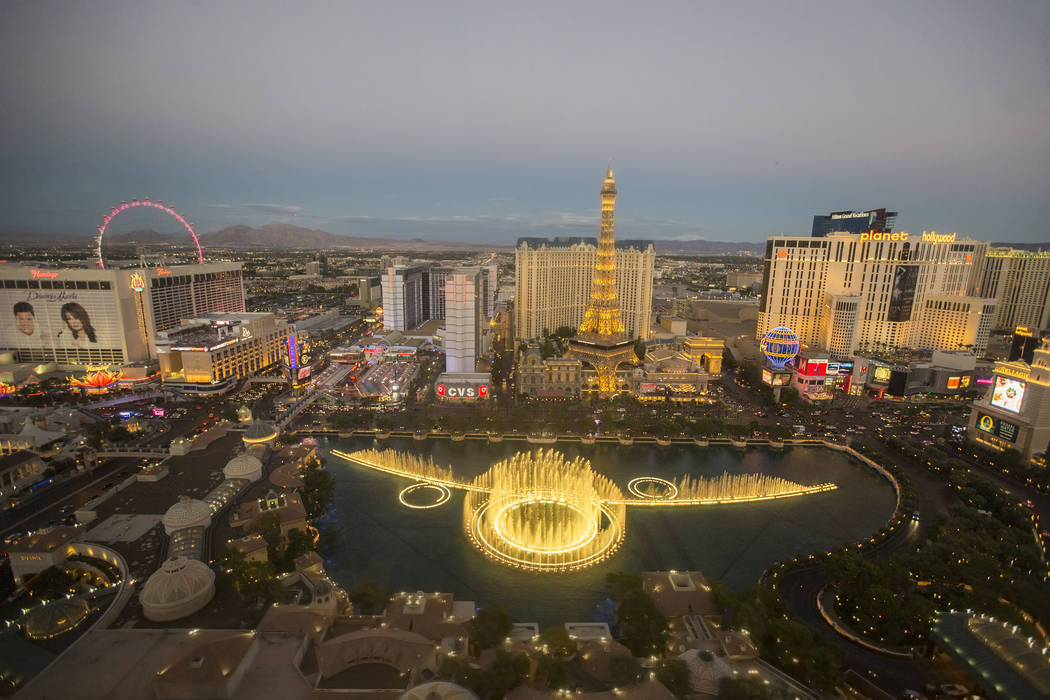
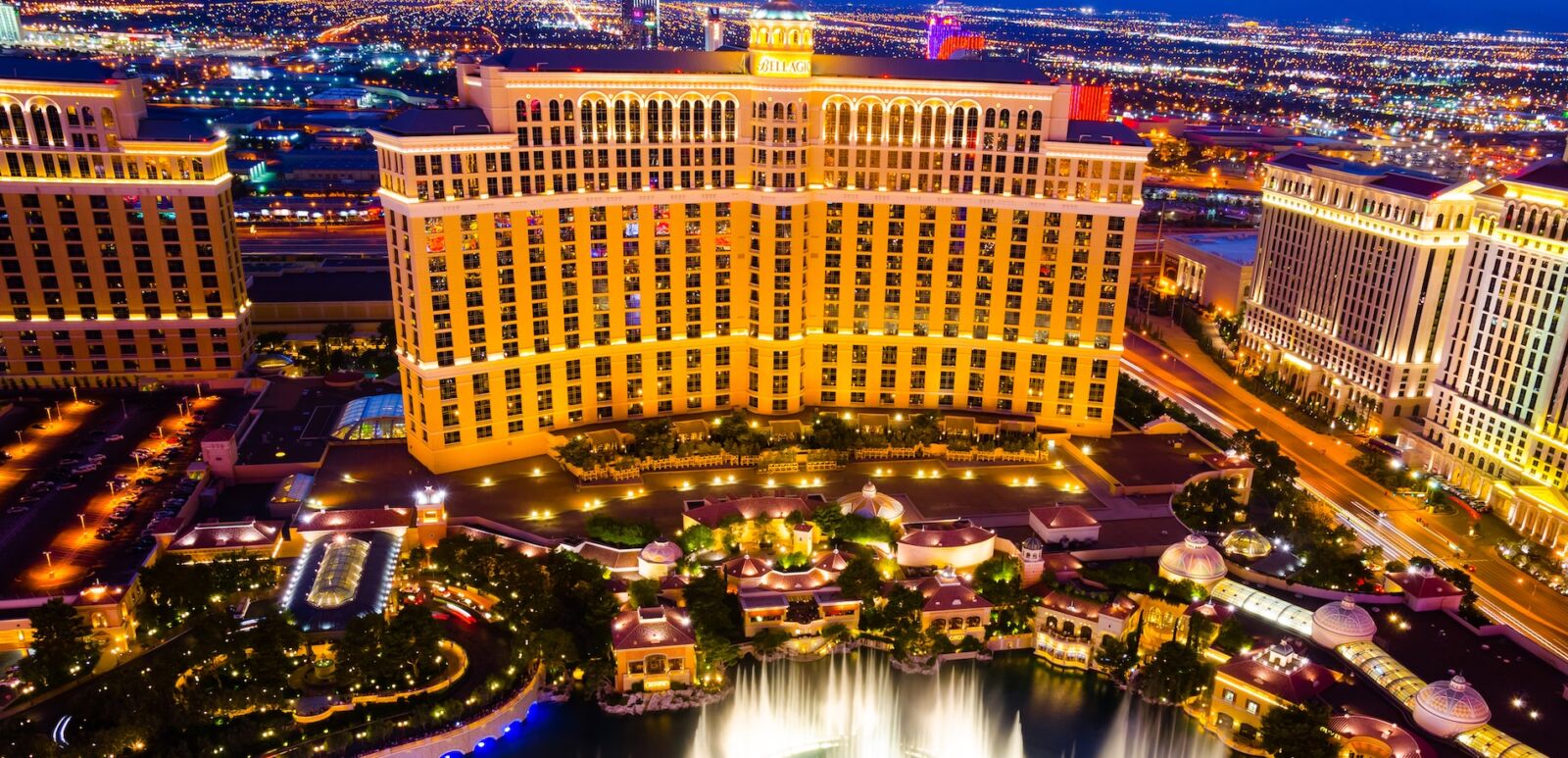
The Bellagio‘s opening was not just about its physical structure; it was about the complete experience it offered. The resort boasted a number of signature attractions that quickly became synonymous with its brand. The world-famous Bellagio Fountains, a breathtaking choreographed water show set to music, became an instant icon, drawing crowds to the front of the resort day and night. This aquatic ballet, with its graceful arcs and powerful plumes, is a mesmerizing spectacle that continues to enchant visitors.
Beyond the visual splendor, the Bellagio was designed to cater to every aspect of a luxurious stay. The resort features a sprawling casino, offering a sophisticated gaming experience. Its dining options range from casual eateries to Michelin-starred restaurants, featuring renowned chefs and exquisite culinary creations. The accommodation itself, from standard rooms to opulent suites, is designed with comfort and elegance in mind, providing a sanctuary of relaxation amidst the excitement of Las Vegas. The resort’s commitment to service ensures that every guest is treated to an unforgettable experience, whether they are indulging in a spa treatment, browsing the high-end boutiques, or simply enjoying the ambiance of the meticulously designed public spaces.
Setting New Standards in Hospitality
The opening of the Bellagio marked a significant shift in the Las Vegas hospitality industry. It proved that a resort could be both a hub of entertainment and a sophisticated destination for those seeking a more refined experience. Steve Wynn‘s philosophy of creating an “experience” rather than just a “hotel” was fully realized. The attention to detail, from the fresh flowers that adorned every public space to the personalized service offered by staff, created an atmosphere of unparalleled luxury.
The Bellagio‘s success not only solidified its own position as a top-tier resort but also influenced the development of other properties on the Las Vegas Strip. It demonstrated the viability of a luxury-focused model and encouraged a move towards more sophisticated architecture, world-class dining, and an emphasis on art and culture within resort design. This impact reverberated through the industry, inspiring a wave of new developments that aimed to emulate the Bellagio‘s winning formula. The resort’s construction and opening were a pivotal moment, cementing its legacy as a landmark of Las Vegas history and a global icon of luxury travel.
The Enduring Legacy of Bellagio Las Vegas
Since its grand opening in 1998, the Bellagio Las Vegas has maintained its status as a premier destination, continuously evolving while staying true to its core principles of luxury, art, and unparalleled guest experience. The resort has weathered changes in ownership and the ever-shifting landscape of Las Vegas tourism, yet its allure remains undimmed. The very act of asking “When was Bellagio Las Vegas built?” leads us down a path of understanding not just its construction date, but the ambitious vision and artistic dedication that shaped it into the legendary establishment it is today.
From Construction to Iconography
The construction of the Bellagio was a monumental undertaking, a multi-year endeavor that culminated in its opening. The initial cost of $1.6 billion was a significant investment, reflecting the commitment to creating a resort that would stand out from anything seen before. The architectural design, inspired by the serene beauty of Lake Como, was executed with meticulous attention to detail. The integration of fine art, most notably the Dale Chihuly glass installations, was a revolutionary concept for a casino resort at the time, elevating the guest experience beyond mere entertainment to one of cultural appreciation.
Bellagio’s Place in Las Vegas History
The opening of the Bellagio in 1998 was a landmark event that reshaped the perception of Las Vegas. It demonstrated that the city could offer a sophisticated, art-infused, and luxurious travel experience, appealing to a broader demographic than ever before. The Bellagio Fountains quickly became a symbol of the resort and a must-see attraction for any visitor to Las Vegas. The resort’s commitment to world-class dining, high-end shopping, and exceptional service set a new benchmark for the hospitality industry.
The Bellagio‘s enduring appeal lies in its ability to consistently deliver an experience of refined elegance and captivating entertainment. It has become a part of the global travel consciousness, a destination that represents the pinnacle of Las Vegas luxury. The question of when it was built is answered with the realization that its construction was not just about bricks and mortar, but about the creation of an enduring legacy in the world of travel and hospitality. The Bellagio continues to be a beacon of glamour and a testament to the power of visionary design and unwavering dedication to excellence, solidifying its place as a true icon on the Las Vegas Strip.
LifeOutOfTheBox is a participant in the Amazon Services LLC Associates Program, an affiliate advertising program designed to provide a means for sites to earn advertising fees by advertising and linking to Amazon.com. Amazon, the Amazon logo, AmazonSupply, and the AmazonSupply logo are trademarks of Amazon.com, Inc. or its affiliates. As an Amazon Associate we earn affiliate commissions from qualifying purchases.