
Flathead Lake, nestled amidst the breathtaking landscapes of northwestern Montana, is not merely a body of water; it is a monumental natural landmark, a relic of ancient geological forces, and a vibrant ecosystem. Often celebrated for its pristine clarity, vast expanse, and picturesque surroundings, one of the most frequently asked questions about this magnificent lake pertains to its depth. Understanding the profound depth of Flathead Lake is to truly appreciate its scale, its geological history, and its enduring significance.
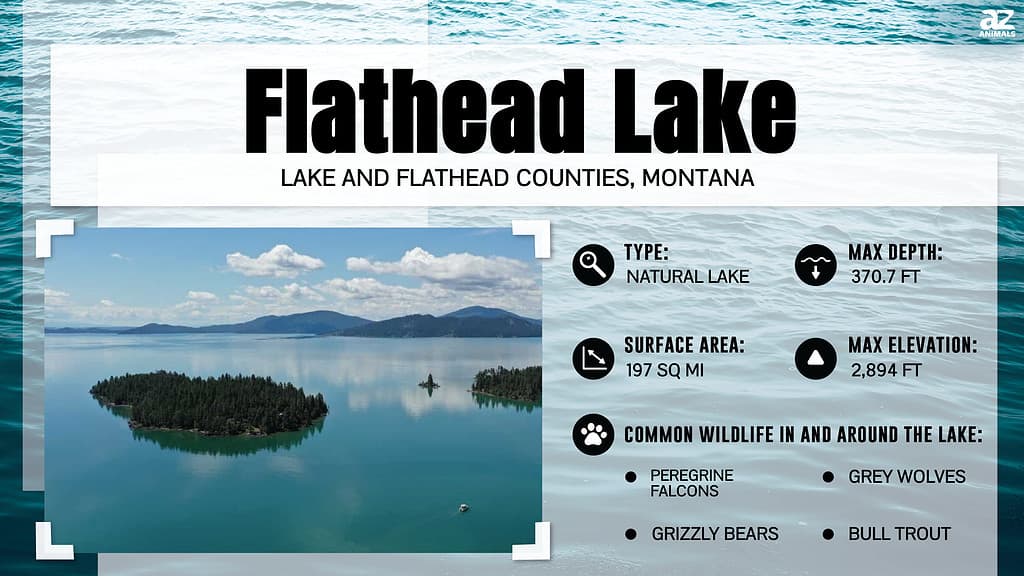
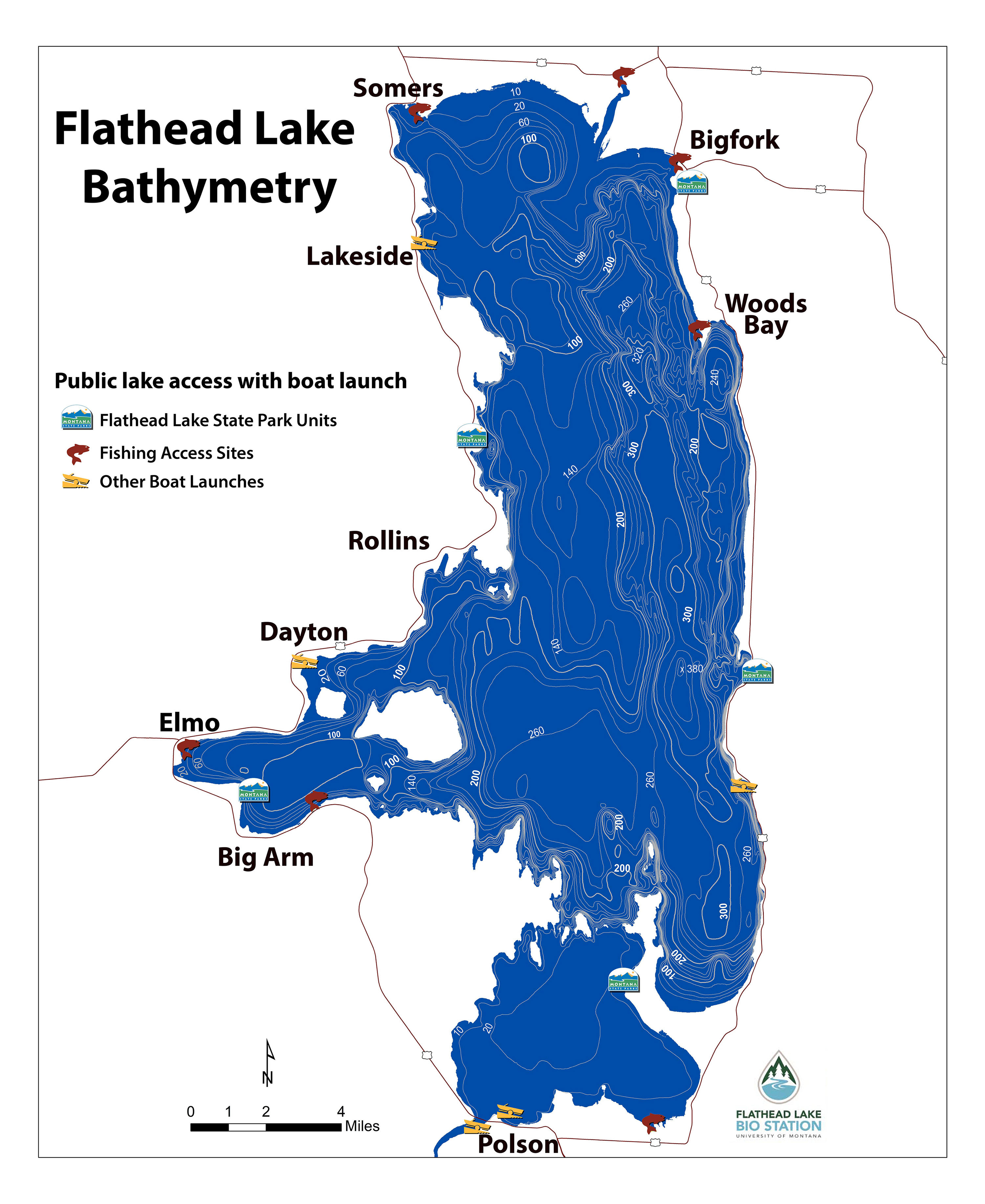
At its deepest point, Flathead Lake plunges to an astonishing 370 feet (113 meters). This makes it the largest freshwater lake west of the Mississippi River by surface area in the contiguous United States and one of the deepest natural freshwater lakes in the country. This remarkable depth is a testament to its glacial origins and contributes significantly to its unique limnological characteristics, ecological diversity, and visual splendor. To grasp the true magnitude of this landmark, one must delve into the forces that sculpted it and the life it sustains within its profound waters.
Unveiling the Depths: The Geological Marvel of Flathead Lake
The impressive depth of Flathead Lake is not an arbitrary characteristic but rather a direct consequence of immense geological processes that unfolded over millennia. Its very existence is a grand narrative written in the earth’s crust, shaped by ice, water, and tectonic forces.
The Maximum Depth Revealed
As established, the deepest point of Flathead Lake is 370 feet (113 meters). To put this into perspective, imagine a 30-story skyscraper submerged beneath its surface. This depth allows for the stratification of water layers, particularly during summer months, where a warmer, less dense layer sits atop a colder, denser one. This thermal stratification plays a crucial role in nutrient distribution and oxygen levels throughout the water column, profoundly impacting the lake’s ecology. The sheer volume of water contained within these depths is immense, estimated to be approximately 14 cubic miles, highlighting its status not just as a large lake, but as a vast freshwater reservoir. The depth also contributes to its relatively slow turnover rate, maintaining its exceptional clarity and stable environment over long periods.
Formation and Glacial Legacy
The genesis of Flathead Lake’s remarkable depth can be traced back to the last glacial period, specifically the advance and retreat of the Cordilleran Ice Sheet. Roughly 12,000 to 18,000 years ago, a massive lobe of this ice sheet, known as the Flathead Lobe, carved out the lake basin. As the colossal glacier moved southward, it scoured the landscape, deepening and widening pre-existing river valleys. The enormous weight and abrasive power of the ice acted like a colossal bulldozer, excavating the soft bedrock and depositing sediment at its edges.
When the climate warmed and the glacier retreated, it left behind a deep, elongated basin. The melting ice filled this basin with vast quantities of freshwater, forming what we now know as Flathead Lake. Evidence of this glacial past is still visible today, from the U-shaped valleys surrounding the lake to the numerous moraines and drumlins that dot the landscape. The steep walls of the lake basin, particularly on the western side, are a clear indication of this powerful erosional history, creating the dramatic drops that lead to its incredible depths. This ancient history underscores the lake’s status as a quintessential glacial lake, mirroring the formation of other iconic lakes around the world.
The Vastness of the Lake
While its depth is impressive, the sheer surface area of Flathead Lake is equally striking. Covering approximately 197 square miles (510 square kilometers), it is truly immense. Its length spans about 27.3 miles (44 km) and its maximum width reaches around 15.5 miles (25 km). This combination of significant depth and vast surface area gives Flathead Lake its distinctive character. The enormous volume of water it holds influences regional weather patterns, moderates local temperatures, and creates a unique microclimate that supports specific agricultural endeavors, such as cherry orchards, along its shores. This vastness also means that despite its popularity, visitors can often find secluded spots to enjoy its tranquility, making it a landmark that offers both grandeur and intimacy.
Beyond the Surface: Ecological Significance and Biodiversity
The remarkable depth and vastness of Flathead Lake contribute to an exceptionally rich and diverse ecosystem. It is a biological hotspot, supporting a complex web of life, both above and below its pristine waters. As a landmark, its ecological health is as significant as its geological formation.
Unique Aquatic Ecosystems
The varied depths of Flathead Lake create a mosaic of aquatic habitats. The shallow, sun-drenched littoral zones along the shorelines teem with submerged vegetation, providing shelter and food for countless invertebrates and juvenile fish. As the depth increases, light penetration diminishes, leading to different zones. The profundal zone, representing the deepest parts of the lake, is characterized by colder temperatures, lower oxygen levels, and a lack of light. Yet, specialized organisms, adapted to these extreme conditions, thrive here, playing crucial roles in nutrient cycling. The lake’s deep, cold waters are particularly vital for cold-water fish species, which rely on stable thermal environments throughout the year. This stratification of habitats ensures a wide range of niches, fostering high biodiversity.
Flora and Fauna
Flathead Lake is renowned for its diverse aquatic life. Fish species such as native Bull Trout and Westslope Cutthroat Trout are highly valued, though they face challenges from introduced species like Lake Trout (mackinaw) and Lake Whitefish. The lake’s cold, deep waters provide ideal habitat for these species. In addition to fish, the lake supports numerous species of zooplankton, phytoplankton, and benthic invertebrates, which form the base of its food web. Surrounding the lake, the terrestrial ecosystem is equally vibrant, home to various bird species, including bald eagles and osprey, and large mammals like deer, elk, and even bears. The pristine nature of the surrounding Flathead National Forest and Mission Mountains wilderness areas further enhances its ecological value, making the lake a critical component of a larger, interconnected natural landscape.
Water Quality and Clarity
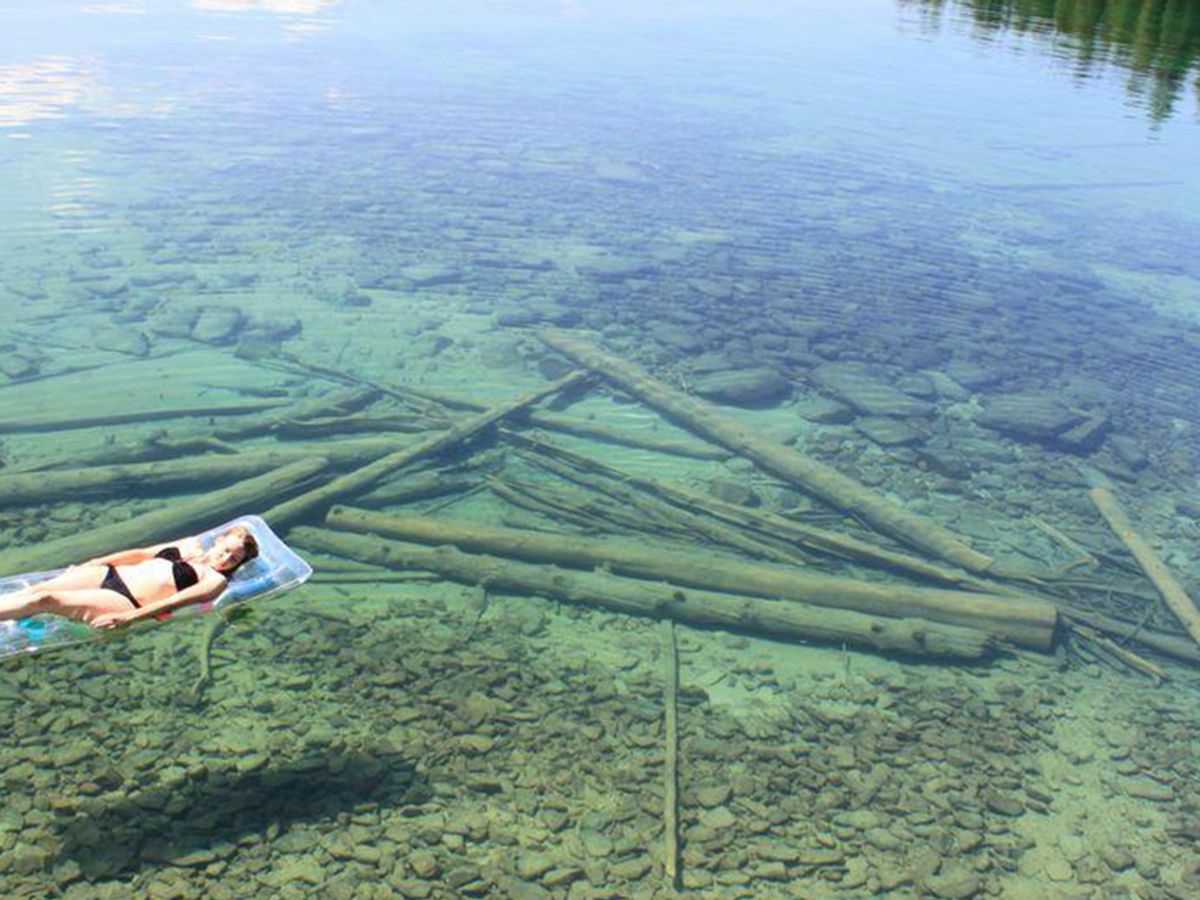
One of the most striking features of Flathead Lake is its exceptional water quality and clarity. The glacial meltwaters that feed it, primarily from the Flathead River and Swan River drainage basins, are remarkably pure. Furthermore, the immense depth of the lake aids in maintaining this clarity. The large volume of water dilutes pollutants, and the stratification helps settle suspended particles. Secchi disk readings, a measure of water transparency, often reveal visibility down to 20-30 feet (6-9 meters), and sometimes even deeper. This crystal-clear water is a hallmark of Flathead Lake and is crucial for the health of its aquatic plants and animals, many of which rely on specific light conditions. Maintaining this clarity is a significant focus of conservation efforts, as it is a direct indicator of the lake’s overall health as a natural landmark.
A Landmark of Legend: Cultural and Historical Resonance
Beyond its geological and ecological significance, Flathead Lake holds a profound cultural and historical resonance, making it much more than just a deep body of water. It is a landmark steeped in the narratives of human interaction with the natural world, from ancient indigenous traditions to modern-day communities.
Native American Heritage
Long before European explorers arrived, Flathead Lake and its surrounding lands were home to indigenous peoples, primarily the Salish and Kootenai Tribes (collectively known as the Confederated Salish and Kootenai Tribes of the Flathead Nation). For these tribes, the lake was (and remains) a sacred and central part of their existence. It provided sustenance through its fish, a means of travel, and spiritual connection. Tribal oral traditions often speak of a mythical creature, sometimes referred to as the “Flathead Lake Monster” or “Yahkshik,” a large serpentine beast that inhabits the deep waters. This legend, akin to other lake monster tales worldwide, underscores the profound mystery and respect that the depth and vastness of the lake inspired in early inhabitants. The southern half of the lake, including Wild Horse Island, is still part of the Flathead Reservation, testifying to its enduring cultural importance and the ongoing stewardship by the Salish Kootenai Tribes.
Early Exploration and Settlement
European exploration of the Flathead Lake region began in the early 19th century with fur traders and missionaries. David Thompson, a British-Canadian fur trader and explorer, is often credited as one of the first Europeans to chart parts of the area in the early 1800s. Early settlers were drawn by the fertile lands, abundant natural resources, and the lake’s beauty. The development of steamboat transportation on the lake facilitated trade and the movement of goods and people, connecting nascent communities like Polson, Bigfork, and Lakeside. These settlements grew, relying heavily on the lake for commerce, agriculture, and later, tourism. The lake’s depth made it navigable for these vessels, cementing its role as a vital transportation artery in the early development of northwestern Montana.
Modern Day Icon
Today, Flathead Lake stands as a quintessential Montana icon, drawing visitors from across the globe. It is a landmark celebrated for its recreational opportunities, stunning scenery, and tranquil ambiance. Its depth and clarity continue to fascinate and inspire, making it a focal point for researchers, artists, and nature enthusiasts alike. The surrounding communities, while modernized, retain a deep connection to the lake, which remains the economic and cultural heart of the Flathead Valley. From the famous Flathead cherries grown along its shores to the annual sailing regattas, the lake’s identity is interwoven with the lives and livelihoods of those who call this region home. Its status as a natural wonder is not just about its physical characteristics, but about its profound impact on human and natural history.
Preserving a Treasure: Conservation Efforts and Responsible Exploration
The immense depth and ecological richness of Flathead Lake underscore the critical importance of its preservation. As a significant natural landmark, ensuring its long-term health and pristine condition is a collective responsibility, involving scientific research, community engagement, and responsible visitor practices.
Conservation Initiatives
Numerous organizations and governmental agencies are dedicated to the conservation of Flathead Lake. The Flathead Lake Biological Station (FLBS) of the University of Montana has been conducting continuous research on the lake’s ecology and water quality since 1899, making it one of the longest-running freshwater research stations in the United States. Their work provides invaluable data for understanding the lake’s complex dynamics and detecting potential threats. Efforts focus on monitoring invasive species like Zebra Mussels and Quagga Mussels, managing nutrient inputs from surrounding land use, and protecting native fish populations. The Confederated Salish and Kootenai Tribes also play a vital role in managing the lake’s southern portion, applying traditional ecological knowledge alongside modern scientific approaches to ensure its health for future generations.
Responsible Exploration
Visitors to Flathead Lake have a crucial role in its preservation. Practicing responsible tourism and recreation is essential. This includes “Clean, Drain, Dry” practices for all watercraft to prevent the spread of aquatic invasive species, proper disposal of waste, and respecting wildlife and natural habitats. Understanding the lake’s depth also means appreciating its potential dangers; cold water shock can be a risk, and boaters must be aware of changing weather conditions that can quickly turn its vast surface into a formidable challenge. By adhering to regulations and exercising environmental consciousness, visitors can help protect the very qualities that make Flathead Lake such an extraordinary natural landmark.
Future Outlook for the Lake
The future of Flathead Lake hinges on continued vigilance and adaptation to environmental changes. Climate change, population growth in the Flathead Valley, and the persistent threat of invasive species all pose challenges. However, the deep scientific understanding garnered over decades, coupled with strong community engagement and dedicated conservation efforts by multiple stakeholders, offers hope. The lake’s immense depth provides a degree of resilience, allowing for a vast reservoir of cold water that could potentially buffer against some warming impacts. As a cherished natural landmark, its intrinsic value and the commitment to its preservation ensure that Flathead Lake will continue to inspire awe and sustain life for countless generations to come, its mysterious depths forever a source of wonder and scientific inquiry.
LifeOutOfTheBox is a participant in the Amazon Services LLC Associates Program, an affiliate advertising program designed to provide a means for sites to earn advertising fees by advertising and linking to Amazon.com. Amazon, the Amazon logo, AmazonSupply, and the AmazonSupply logo are trademarks of Amazon.com, Inc. or its affiliates. As an Amazon Associate we earn affiliate commissions from qualifying purchases.