
Grand Lake Colorado, nestled in the heart of the Rocky Mountains, is more than just a scenic body of water; it is a natural landmark of impressive scale and profound ecological significance. Often celebrated for its stunning beauty, proximity to Rocky Mountain National Park, and vibrant lakeside community, one of its most defining, yet often understated, characteristics is its remarkable depth. This attribute not only contributes to its majestic appearance but also plays a crucial role in its unique ecosystem, historical narrative, and the array of recreational opportunities it affords. For those captivated by the mysteries hidden beneath the surface of natural wonders, the depth of Grand Lake presents a fascinating inquiry, revealing layers of geological history and ongoing environmental importance.
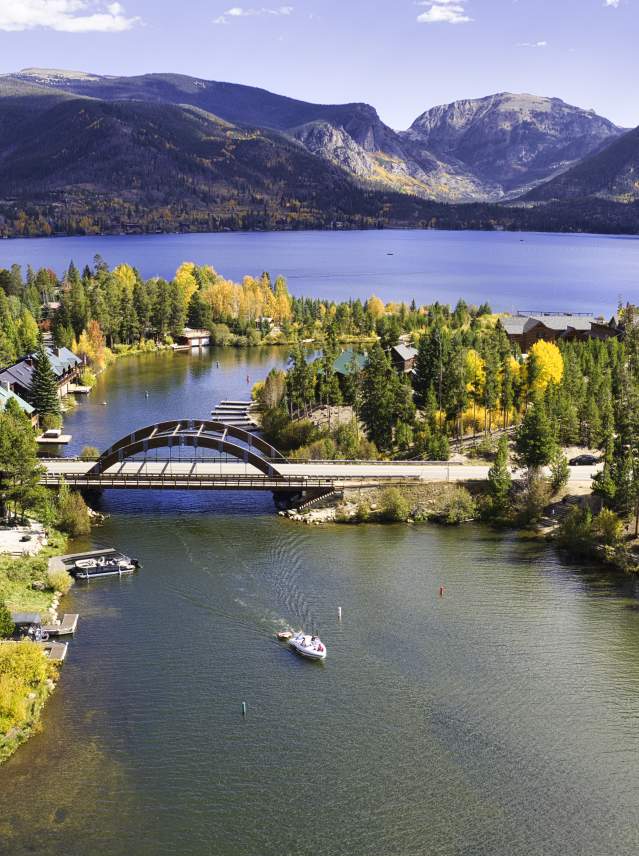
Unveiling the Depths: Grand Lake’s Unique Profile
The question of “how deep” Grand Lake truly is opens a window into its formation and its status as a geological marvel within the state of Colorado. Its impressive dimensions are a testament to the powerful forces that shaped the landscape over millennia, resulting in a lake that holds both considerable volume and a distinct character.
The Maximum Depth: A Striking Figure
At its deepest point, Grand Lake plunges to an astounding 265 feet (approximately 81 meters). This makes it the deepest natural lake in Colorado, a distinction that sets it apart from many other high-altitude lakes across the state. This significant depth is not merely a number; it dictates the lake’s thermal stratification, influencing everything from water circulation patterns to the types of aquatic life that can thrive within its cold, clear waters. The profound depth allows for large volumes of water to remain consistently cold, even during the warmer summer months, creating an ideal habitat for cold-water fish species.
Average Depth and Lake Morphology
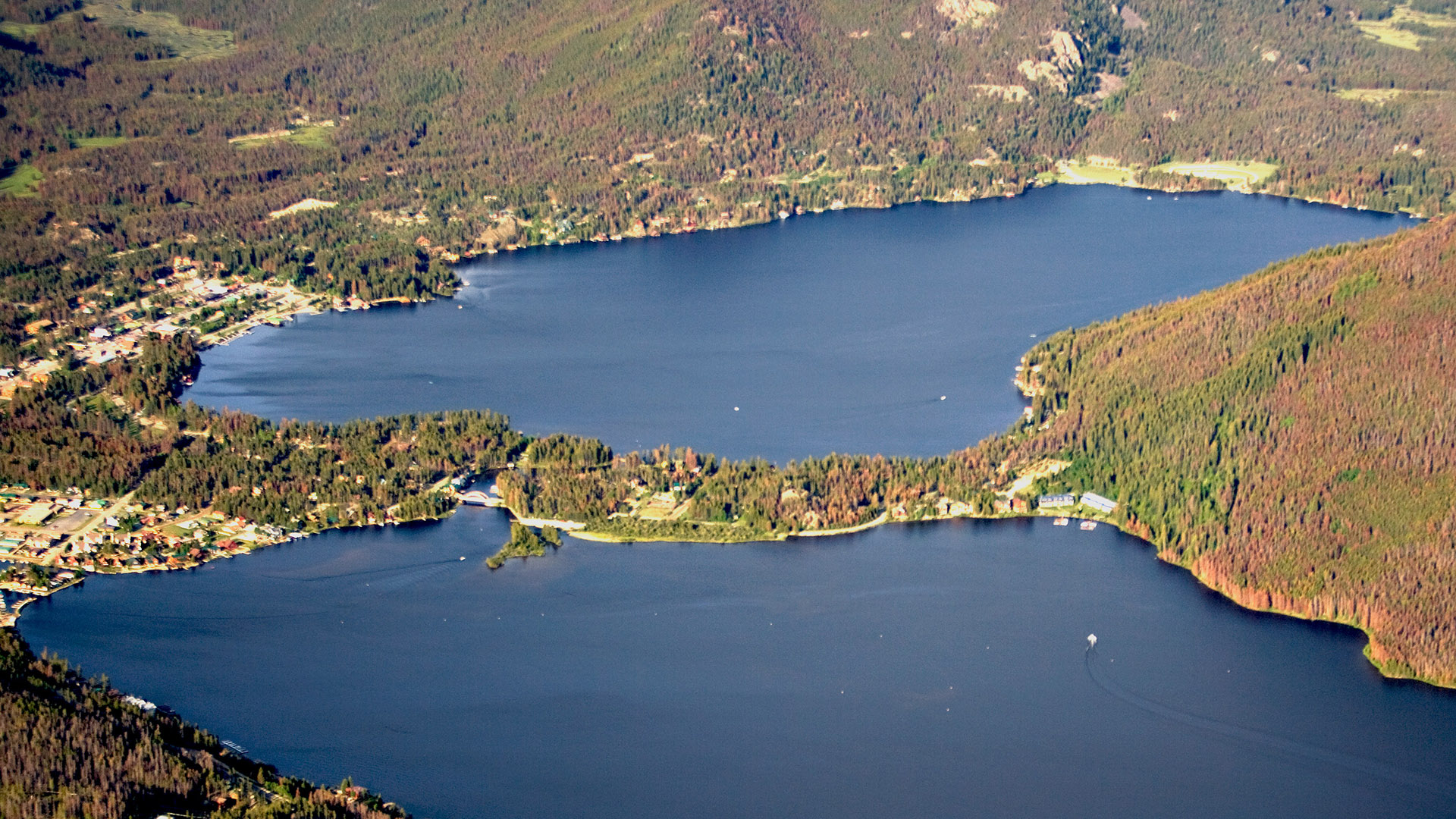
While the maximum depth is certainly impressive, understanding the lake’s average depth provides a more complete picture of its overall character. Grand Lake boasts an average depth of around 60 feet (18 meters), which is still substantial for a natural lake. Its morphology, or the shape of its basin, is largely a legacy of glacial activity. Carved out by massive ice sheets during the last glacial period, the lakebed descends steeply in some areas, creating dramatic underwater topography. The distinct U-shaped valleys typical of glacial erosion are evident both above and below the waterline, contributing to the lake’s iconic landscape. This deep basin also connects directly to the headwaters of the Colorado River, marking its vital role in the regional hydrological system.
Water Source and Clarity
The water feeding Grand Lake primarily comes from snowmelt runoff from the surrounding peaks of the Continental Divide and numerous small tributaries. This pristine source, coupled with its substantial depth, contributes to the lake’s exceptional clarity. The cold, oxygen-rich waters are a hallmark of alpine lakes, allowing sunlight to penetrate deep into the water column and supporting a delicate balance of aquatic flora and fauna. The visual spectacle of being able to see far down into the depths from a boat or the shore is a cherished experience for many visitors, underscoring the lake’s unspoiled natural condition.
A Gem of the Rockies: Ecological Significance and Natural Beauty
Beyond its impressive statistics, the depth of Grand Lake is intrinsically linked to its ecological vitality and its breathtaking natural beauty, cementing its status as a paramount natural landmark in Colorado. The lake serves as a critical habitat and a focal point for the majestic landscape that envelops it.
Aquatic Ecosystems and Biodiversity
The cold, deep waters of Grand Lake provide an ideal environment for various species of fish, most notably several types of trout. Lake trout, brook trout, rainbow trout, and brown trout thrive in these conditions, making the lake a premier destination for anglers. The depth provides thermal refuge during warmer months and ample space for these species to grow to considerable sizes. Furthermore, the diverse underwater topography, including rocky ledges and submerged structures, creates complex habitats for invertebrates and smaller fish, forming the base of a robust food web that supports not only fish but also various avian predators like ospreys and eagles, which are frequently spotted soaring above the lake.
Surrounding Landscape and Flora
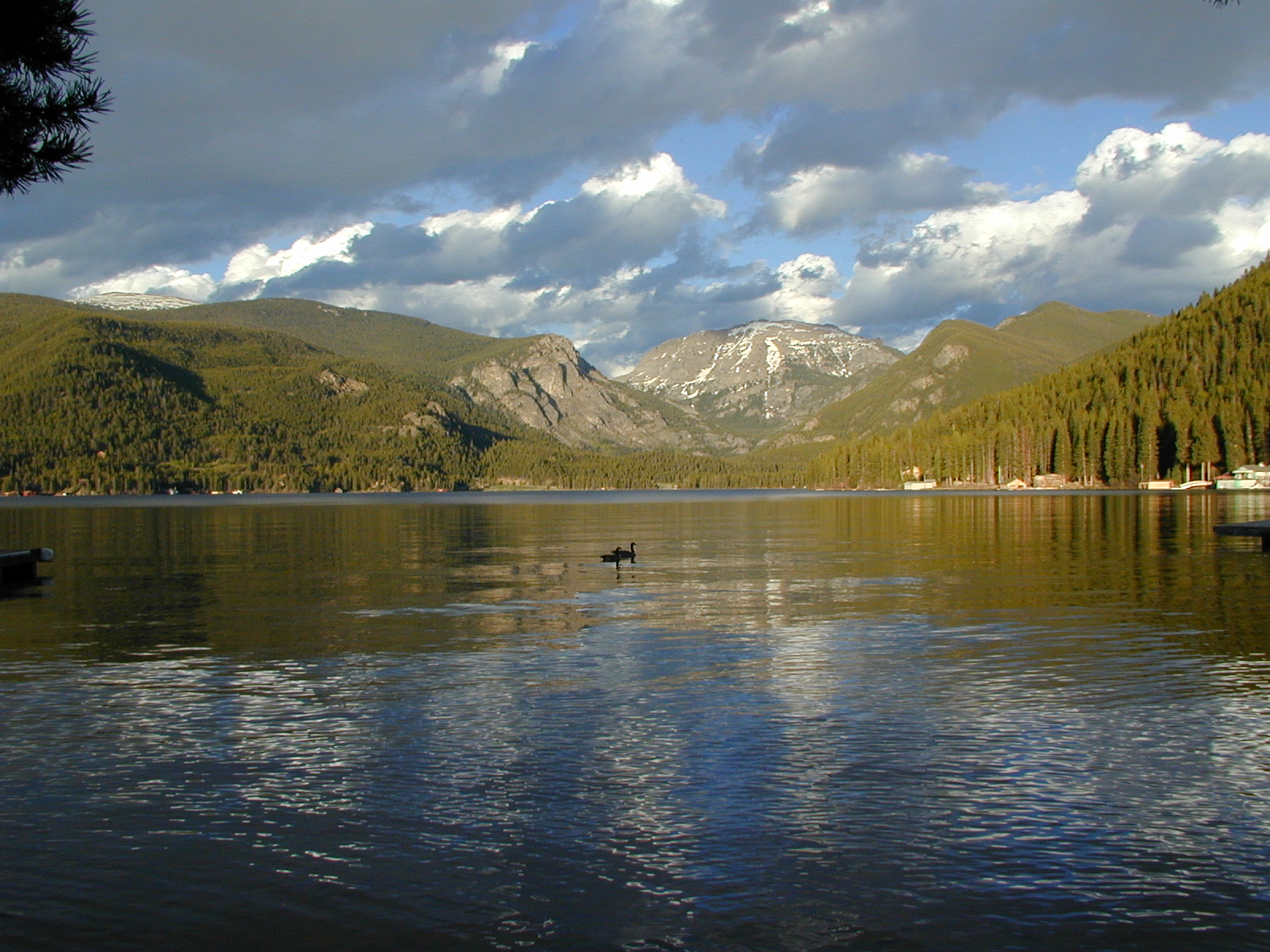
Grand Lake is perfectly framed by towering peaks, including Mount Craig (known locally as Mount Baldy) and the formidable western slopes of the Continental Divide. Dense forests of lodgepole pine, spruce, and fir blanket the surrounding mountainsides, gradually transitioning to alpine tundra at higher elevations. The interplay of the deep blue lake, the dark green forests, and the rugged grey granite peaks creates a visual symphony that changes with the seasons, from vibrant summer greens to fiery autumn hues and the stark whites of winter. This spectacular natural setting is a primary reason for the lake’s designation as a vital landmark and its immense popularity with nature enthusiasts and photographers.
The Role of the Colorado-Big Thompson Project
While Grand Lake is a natural lake, its ecosystem and water levels are also influenced by the Colorado-Big Thompson Project. This monumental water diversion project, completed in the mid-20th century, connects Grand Lake to other nearby bodies of water, including Shadow Mountain Lake and Lake Granby, via a series of canals and tunnels. The project diverts water from the western slope of the Continental Divide to the drier eastern plains for agricultural and municipal use. While this project manages water levels to some extent, it’s crucial to distinguish that it does not alter the fundamental, glacially carved depth of Grand Lake itself, only the volume of water it holds at any given time. The natural depth remains a constant, foundational element of this landmark.
Historical Echoes: Grand Lake’s Enduring Legacy
The history of Grand Lake is as deep and rich as its waters, echoing with the stories of indigenous peoples, pioneering settlers, and the evolution of a beloved tourist destination. Its status as a landmark is not merely geological but also deeply cultural and historical.
Indigenous Roots and Early Exploration
For centuries prior to European settlement, the area around Grand Lake was an important hunting and fishing ground for indigenous communities, particularly the Ute people. They knew the lake as “Spirit Lake” or “Holy Lake,” recognizing its spiritual significance and abundant resources. Legends speak of the lake’s mysterious depths and the powerful spirits believed to reside within its waters. The pristine wilderness, including the Kawuneeche Valley to the north, provided sustenance and a deep spiritual connection to the land. Early explorers and trappers, drawn by the promise of beaver pelts and new territories, gradually ventured into the region in the 19th century, eventually giving the lake its modern name, likely referring to its impressive size among the high-altitude lakes.
The Birth of a Tourist Destination
By the late 19th and early 20th centuries, the awe-inspiring beauty of Grand Lake began to attract tourists. Word of its clear waters, magnificent setting, and excellent fishing spread, leading to the establishment of early resorts and lodges. The charming Grand Lake Village, situated directly on the lake’s western shore, developed as a hub for visitors seeking recreation and respite. Steamboats once plied the lake’s surface, offering tours and transport, transforming the deep waters into a conduit for leisure and exploration. The lake’s depth, offering consistent cold temperatures, was crucial for maintaining the quality of the fishing, which was a major draw for these early visitors.
Preservation and National Park Status
The enduring appeal of Grand Lake and the surrounding wilderness ultimately led to significant conservation efforts. Its proximity to the vast and diverse ecosystems that would become Rocky Mountain National Park in 1915 solidified its status as a protected and cherished natural landmark. While the lake itself is not entirely within the park boundaries (the park’s western entrance is just outside the village), its ecological and scenic integrity are intrinsically linked to the park’s mission of preservation. The preservation of the Arapaho National Forest and surrounding wilderness areas further ensures that Grand Lake remains a pristine example of Colorado’s natural heritage, where its profound depth continues to support a vibrant and healthy environment.
Experiencing Grand Lake: Activities and Attractions Rooted in its Nature
The inherent characteristics of Grand Lake, particularly its impressive depth and cold waters, directly influence the spectrum of activities and attractions that define the experience of this landmark. Visitors are drawn to interact with its unique environment in myriad ways, reflecting the deep connection between the lake’s physical attributes and its recreational offerings.
Water-Based Recreation
The primary draw of Grand Lake remains its water. Boating is immensely popular, with motorboats, sailboats, kayaks, and paddleboards gliding across its expansive surface. The deep, often calm waters are ideal for sailing, offering ample space for maneuvering without fear of shallow hazards in most areas. Fishing, as mentioned, is a year-round passion, with anglers seeking out the various trout species that thrive in the deep, cold habitats. Scuba diving, while less common, is also possible for those equipped and experienced in cold-water conditions, offering a unique perspective on the lake’s underwater topography. Even swimming, though bracing, is a refreshing experience in the summer months, with designated swimming areas providing safe access to its clear depths.
Lakeside Charm and Village Life
The picturesque Grand Lake Village serves as the vibrant gateway to the lake, embodying the charming spirit of a mountain town deeply connected to its natural surroundings. The historic boardwalk, lined with shops, restaurants, and galleries, offers stunning views across the water to the towering peaks beyond. The village provides all the amenities necessary for visitors, from boat rentals to guided fishing trips, all centered around maximizing the enjoyment of the lake. Local festivals, art shows, and cultural events often take place against the backdrop of the deep blue waters, reinforcing the lake’s role as the heart of the community.
Winter Wonders
When winter descends upon the Rockies, Grand Lake transforms into a frozen wonderland. Its considerable surface area often freezes solid enough to support a different array of activities. Ice fishing becomes a favored pastime, with brave anglers drilling holes through several feet of ice to access the deep, productive waters below. Snowmobiling is also immensely popular, with the frozen lakebed offering an exhilarating, wide-open expanse for riders to explore, often connecting to hundreds of miles of groomed trails in the surrounding forests. The depth beneath the ice continues to harbor the aquatic life, offering a unique winter ecosystem for those who venture out.
Safeguarding a Natural Treasure: Conservation and Future Outlook
As a cherished natural landmark, the long-term health and preservation of Grand Lake are paramount. The very characteristics that make it so special, including its remarkable depth and pristine waters, require ongoing stewardship and community commitment to protect against modern environmental challenges.
Environmental Challenges and Stewardship
Despite its natural resilience, Grand Lake faces various environmental pressures. Maintaining its exceptional water quality is a constant priority, with efforts focused on minimizing runoff pollution from surrounding developments and preventing the introduction of invasive species. The deep, cold waters are particularly sensitive to changes in temperature and water chemistry. Conservation initiatives often involve rigorous water quality monitoring, shoreline restoration projects, and public education campaigns to ensure that visitors and residents understand their role in protecting this delicate ecosystem. Balancing the demands of tourism and recreation with ecological preservation is a continuous challenge that the local community and various environmental organizations actively address.
Community Involvement and Sustainable Practices
The community surrounding Grand Lake plays a crucial role in its stewardship. Local organizations, volunteers, and businesses often collaborate on initiatives aimed at sustainable tourism and environmental protection. From maintaining hiking trails to participating in clean-up days, the collective effort ensures that the lake’s natural beauty and ecological integrity endure for future generations. Embracing practices such as responsible boating, proper waste disposal, and respect for wildlife are essential components of safeguarding this irreplaceable landmark.
In conclusion, the depth of Grand Lake Colorado is far more than a simple measurement; it is a foundational characteristic that defines its identity as a premier natural landmark. Reaching an impressive 265 feet at its deepest, this glacial lake stands as Colorado’s deepest natural body of water, shaping its unique aquatic ecosystems, influencing its stunning natural beauty, and underpinning its rich history. From its indigenous roots to its modern-day status as a beloved destination for recreation and contemplation, Grand Lake’s profound depths continue to captivate and inspire, reminding us of the enduring power and majesty of the natural world.
LifeOutOfTheBox is a participant in the Amazon Services LLC Associates Program, an affiliate advertising program designed to provide a means for sites to earn advertising fees by advertising and linking to Amazon.com. Amazon, the Amazon logo, AmazonSupply, and the AmazonSupply logo are trademarks of Amazon.com, Inc. or its affiliates. As an Amazon Associate we earn affiliate commissions from qualifying purchases.