
Lake Pend Oreille, a magnificent expanse of crystal-clear water nestled in the heart of the Idaho Panhandle, is a destination that captivates the imagination. Its sheer size and stunning natural beauty draw visitors from across the globe, eager to explore its depths and surrounding wonders. While its picturesque setting is undeniable, a common question that arises for many travelers and nature enthusiasts alike is: “How deep is Lake Pend Oreille?” This inquiry hints at a deeper curiosity about the lake’s geological history, its ecological significance, and the sheer scale of this natural marvel. Understanding the lake’s depth is key to appreciating its role as a vital ecosystem, a recreational hub, and a significant landmark in Idaho.
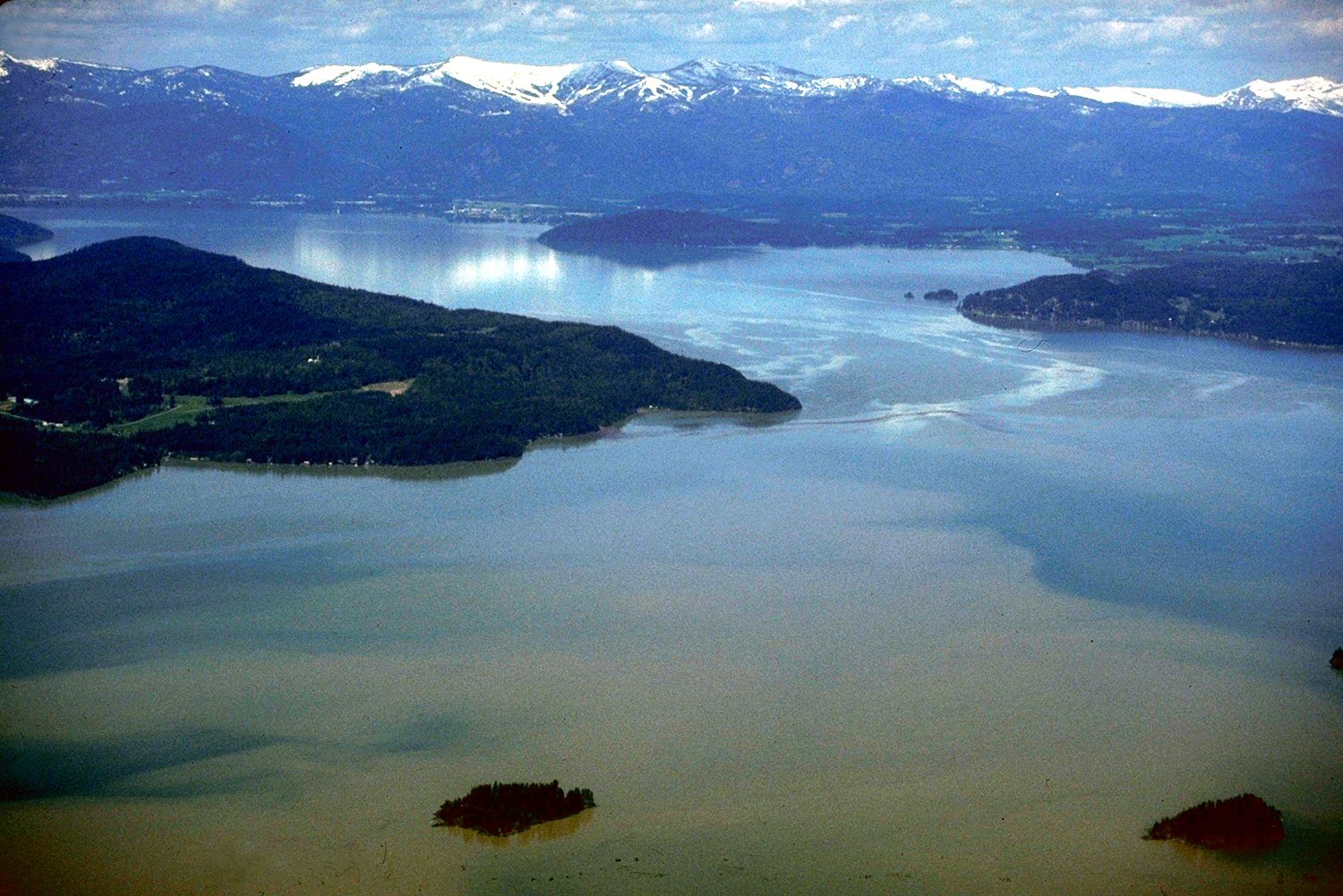
This article delves into the fascinating details of Lake Pend Oreille’s depth, exploring its maximum and average measurements, and contextualizing these figures within the broader landscape of tourism and travel in the region. We will uncover the geological forces that shaped this impressive body of water and discuss how its depth influences everything from water sports and fishing to its unique natural landmarks and the surrounding lifestyle it fosters. Whether you are planning a visit to Sandpoint, considering a stay at a lakeside resort, or simply curious about the secrets held beneath the surface, this exploration of Lake Pend Oreille’s profundity will offer valuable insights.
The Profound Depths of Lake Pend Oreille: A Geological and Ecological Perspective
Lake Pend Oreille is not just a large lake; it’s a geological masterpiece carved by ancient forces. Its impressive dimensions are a testament to the powerful glaciers that once sculpted this part of North America. The lake’s remarkable depth is a defining characteristic, contributing to its unique character and the abundance of life it supports.
Maximum and Average Depth: Unveiling the Numbers
The most striking figure when discussing the depth of Lake Pend Oreille is its maximum recorded depth. This vast body of water plunges to an astonishing 1,158 feet (353 meters), making it the second-deepest lake in the United States, surpassed only by Crater Lake in Oregon. This immense depth is a result of its formation in a deep glacial trough. Imagine a colossal ice sheet, miles thick, scraping and carving its way through the landscape over millennia. As this ice retreated, it left behind a massive, elongated basin that subsequently filled with meltwater.
The average depth of Lake Pend Oreille, while less dramatic than its maximum, is still significant, hovering around 600 feet (183 meters). This substantial average depth contributes to the lake’s massive water volume, estimated to be in the trillions of gallons. This volume of water has a moderating effect on the local climate, leading to milder winters and cooler summers in the surrounding areas, further enhancing the appeal for tourism and lifestyle pursuits.
These depths are not merely abstract numbers; they have profound implications for the lake’s ecosystem. The deep, cold waters support a unique array of aquatic life, including several species of fish adapted to these conditions. For anglers, understanding these depth variations is crucial for locating their target species, as different fish will inhabit different temperature and pressure zones. The sheer volume of water also plays a role in maintaining water quality and temperature stability throughout the year, a vital aspect for both the natural environment and recreational activities.
Geological Formation: A Glacier’s Legacy
The formation of Lake Pend Oreille is intrinsically linked to the immense power of glacial erosion. During the Pleistocene Epoch, massive ice sheets covered much of North America. As these glaciers advanced and retreated, they acted as colossal bulldozers, carving out deep valleys and basins. The basin that now holds Lake Pend Oreille was formed by the Kootenai Lobe of the Laurentide Ice Sheet.
The relentless grinding and scraping of the ice scoured the bedrock, deepening and widening the existing river valleys. The sheer weight of the ice also depressed the Earth’s crust in the region. When the glaciers finally melted, they left behind these vast, U-shaped valleys. As the meltwater accumulated, it formed the expansive lake we see today. The long, narrow shape of Lake Pend Oreille is characteristic of glacial troughs, a direct result of the ice’s directional movement. The surrounding mountains, such as the Selkirk Mountains and the Cabinet Mountains, also bear the marks of glacial sculpting, with their steep slopes and cirques further testament to this ancient geological process.
The presence of deep basins and steep underwater walls contributes to the lake’s dramatic underwater topography. This complex structure provides a variety of habitats for fish and other aquatic organisms, making the lake a rich and diverse ecosystem. The geological history of Lake Pend Oreille is, therefore, not just a scientific curiosity but a fundamental factor shaping its present-day character and its appeal as a natural landmark.
Ecological Significance and Aquatic Life
The significant depth of Lake Pend Oreille has a profound impact on its ecological dynamics. The lake stratifies into distinct temperature layers during the summer months. The surface waters warm, while the deeper sections remain cold and oxygen-rich. This stratification creates diverse habitats that support a wide range of aquatic life.
The cold, deep waters are particularly important for certain species of fish. Lake trout, for instance, thrive in these conditions. The lake is also renowned for its population of Kamloops rainbow trout, a strain known for its size and fighting ability, attracting anglers from far and wide. Other species that inhabit the lake include kokanee salmon, northern pike, and various smaller fish species that form the base of the food web.
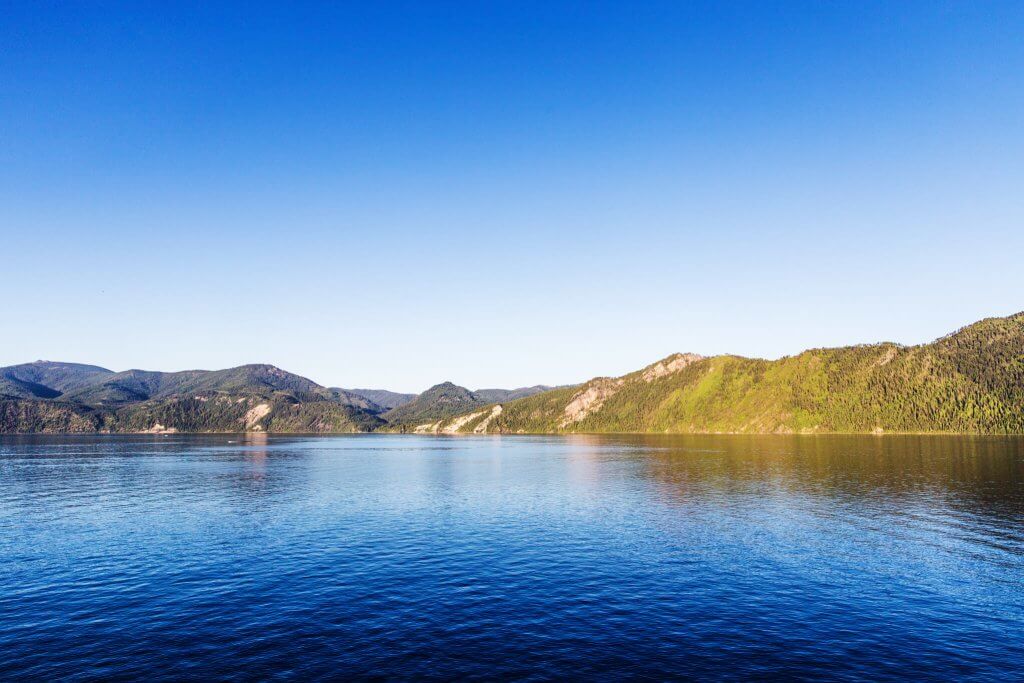
The lake’s depth also influences water clarity and temperature, which are crucial for the health of the ecosystem. The cold water limits the growth of certain types of algae, contributing to the lake’s pristine clarity. This clarity, in turn, allows sunlight to penetrate to deeper levels, supporting aquatic vegetation in shallower areas.
For tourism operators and visitors interested in outdoor experiences, the lake’s depth and the resulting aquatic life are major draws. Fishing charters, kayaking tours, and opportunities for scuba diving (though challenging due to depth and temperature) are all made possible by the lake’s unique characteristics. The health of the ecosystem is a primary concern for the local community and is often a focus of lifestyle discussions and conservation efforts around Lake Pend Oreille.
Exploring Lake Pend Oreille: Activities, Attractions, and Accommodation
The impressive depth and expanse of Lake Pend Oreille translate into a wealth of travel opportunities and a vibrant local tourism scene. Visitors are drawn to the lake not just for its beauty but for the diverse range of activities and attractions it offers. The town of Sandpoint, situated on the northern shores of the lake, serves as a central hub for exploring this aquatic paradise.
Recreational Opportunities: Embracing the Depths and Shores
The sheer size of Lake Pend Oreille makes it a playground for water sports enthusiasts. Boating, sailing, and waterskiing are popular pastimes, with ample space for all. The lake’s depth also contributes to its calm waters on many days, ideal for extended excursions. For those seeking a more active adventure, kayaking and paddleboarding offer intimate ways to explore the shoreline and hidden coves.
Fishing is a cornerstone of the tourism experience on Lake Pend Oreille. The lake’s diverse species and considerable depths make it a prime location for serious anglers. Guided fishing trips are readily available, offering local expertise on the best spots and techniques for catching lake trout, rainbow trout, and other species. The thrill of landing a large, deep-water fish is a significant draw for many visitors.
Beyond water-based activities, the surrounding landscape offers hiking, biking, and wildlife viewing opportunities. The Pend Oreille Valley and the nearby Cabinet Mountains Wilderness provide stunning vistas and trails for all skill levels. In winter, the area transforms into a snowy wonderland, with opportunities for skiing at Schweitzer Mountain Resort, snowshoeing, and ice fishing.
Lakeside Attractions and Natural Landmarks
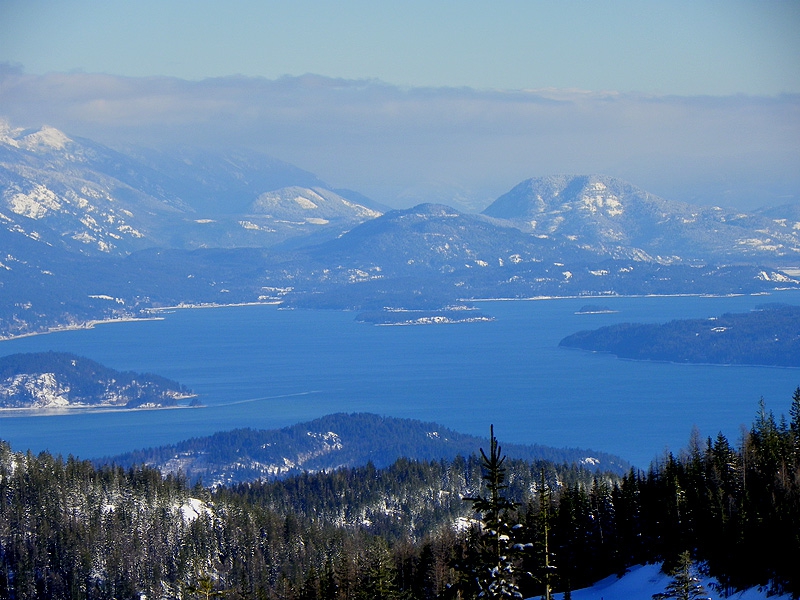
Lake Pend Oreille itself is a significant natural landmark. Its immense size and the dramatic backdrop of surrounding mountains create breathtaking scenery. Several viewpoints offer panoramic vistas of the lake, perfect for photography and quiet contemplation.
Dover Bay, a popular community and marina, offers a charming glimpse into lakeside living and provides access to boat launches and amenities. The town of Sandpoint itself is a vibrant cultural center, with art galleries, unique shops, and a thriving music scene. The Selkirk Mountains and the Cabinet Mountains provide a dramatic and majestic setting for the lake, contributing to its status as a premier travel destination.
For those interested in the history and geology of the region, interpretive centers and local museums can offer further insights. Understanding the glacial forces that shaped Lake Pend Oreille enhances the appreciation of its scale and beauty. The Lake Pend Oreille Preservation Society often organizes events and educational programs that shed light on the lake’s natural and cultural heritage.
Accommodation Options: From Luxury Resorts to Cozy Stays
To fully experience the allure of Lake Pend Oreille, choosing the right accommodation is key. The area offers a diverse range of options to suit every budget and travel style, from luxurious resorts to charming inns and more budget-friendly apartments.
In Sandpoint, visitors will find a selection of hotels and motels, providing convenient access to the town’s amenities and the lake. For those seeking a more immersive lifestyle experience, lakeside villas and vacation rentals are abundant, offering private docks, stunning views, and direct access to the water. Many of these properties provide amenities such as private hot tubs, fully equipped kitchens, and spacious living areas, perfect for family trips or longer stays.
For a truly upscale experience, several resorts dot the shoreline, offering fine dining, spa services, and a range of recreational activities. These can include options like the Dover Bay Resort, which provides not only comfortable lodging but also access to extensive marina facilities and outdoor adventures. For those looking for a more rustic or secluded getaway, cabins and campgrounds are also available in the surrounding natural areas, offering a chance to disconnect and reconnect with nature.
Whether you’re planning a short weekend getaway or an extended exploration of the Idaho Panhandle, the variety of accommodation ensures that your stay near Lake Pend Oreille will be as comfortable and enjoyable as the natural beauty surrounding you. The combination of stunning natural landscapes, abundant recreational opportunities, and diverse lodging choices solidifies Lake Pend Oreille’s position as a must-visit destination for any travel enthusiast.
LifeOutOfTheBox is a participant in the Amazon Services LLC Associates Program, an affiliate advertising program designed to provide a means for sites to earn advertising fees by advertising and linking to Amazon.com. Amazon, the Amazon logo, AmazonSupply, and the AmazonSupply logo are trademarks of Amazon.com, Inc. or its affiliates. As an Amazon Associate we earn affiliate commissions from qualifying purchases.