
Lake Pontchartrain, a vast and enigmatic estuary, forms an integral part of the landscape and cultural fabric of New Orleans and the broader Louisiana region. Often mistaken for a true lake, this sprawling body of water is, in fact, an estuary – a brackish environment where freshwater from rivers meets saltwater from the Gulf of Mexico. Its sheer size and proximity to one of America’s most vibrant cities frequently lead visitors and locals alike to ponder its secrets, not least among them, its depth. Understanding the depth of Lake Pontchartrain is not merely a matter of scientific curiosity; it offers insights into its ecological role, its historical significance, and the myriad recreational and travel experiences it facilitates. For anyone planning a trip to New Orleans, exploring the lake’s dimensions is the first step in appreciating its profound impact on the destination’s identity and allure.
Unveiling the Depths: The Lake Pontchartrain Profile
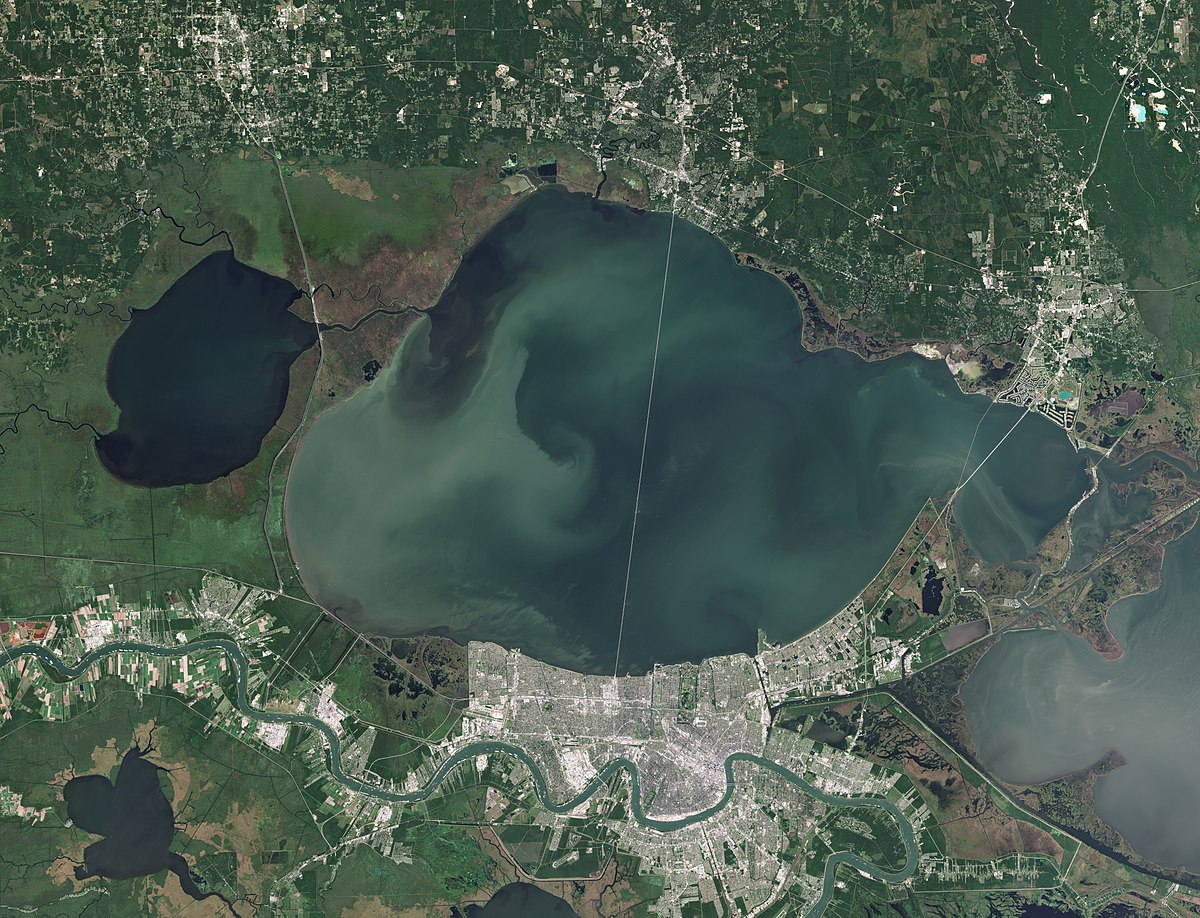
At first glance, Lake Pontchartrain appears to be an endless expanse of water, stretching approximately 40 miles (64 kilometers) from east to west and 24 miles (39 kilometers) from north to south. Its impressive surface area, covering around 630 square miles (1,600 square kilometers), makes it the second-largest saltwater lake in the United States. However, despite its vastness, Lake Pontchartrain is surprisingly shallow.
Understanding the Average and Maximum Depths
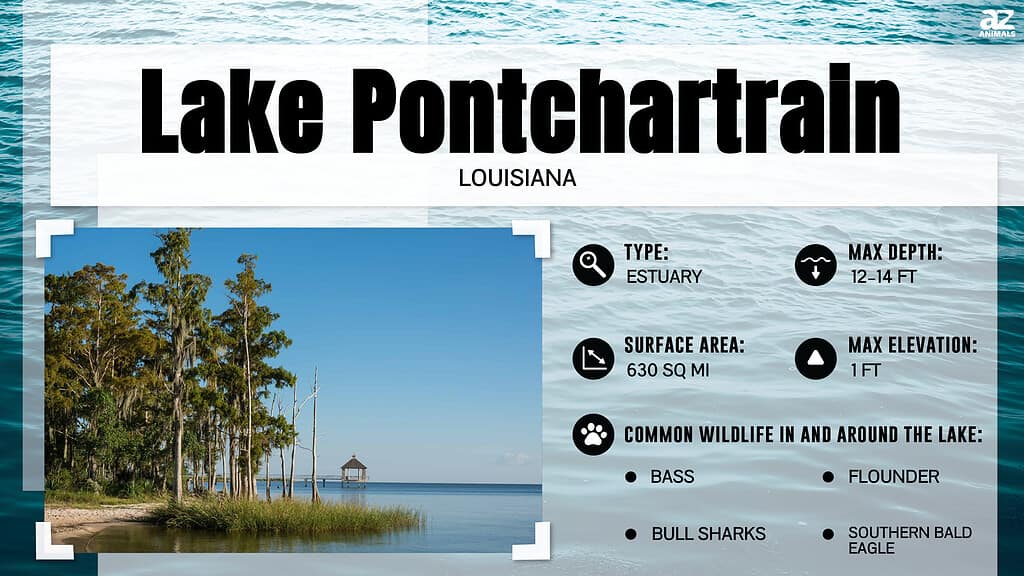
The average depth of Lake Pontchartrain is remarkably modest, typically ranging from 12 to 14 feet (3.7 to 4.3 meters). This relatively shallow profile is characteristic of many estuarine systems, which are often shaped by sediment deposition from rivers and the gradual changes of sea level over geological time. This average depth makes it accessible for various recreational activities, from casual boating to fishing, without posing the immediate dangers associated with extremely deep waters.
However, the lake does have deeper sections. The maximum depth recorded in Lake Pontchartrain reaches approximately 20 to 22 feet (6.1 to 6.7 meters). These deeper troughs are often found in areas where channels have been dredged for navigation, or where natural depressions exist in the lakebed. For instance, near the Lake Pontchartrain Causeway, which is one of the longest continuous over-water bridges in the world, some localized areas might exhibit slightly greater depths due to the bridge’s construction and ongoing maintenance.
Geographical Context and Hydrology
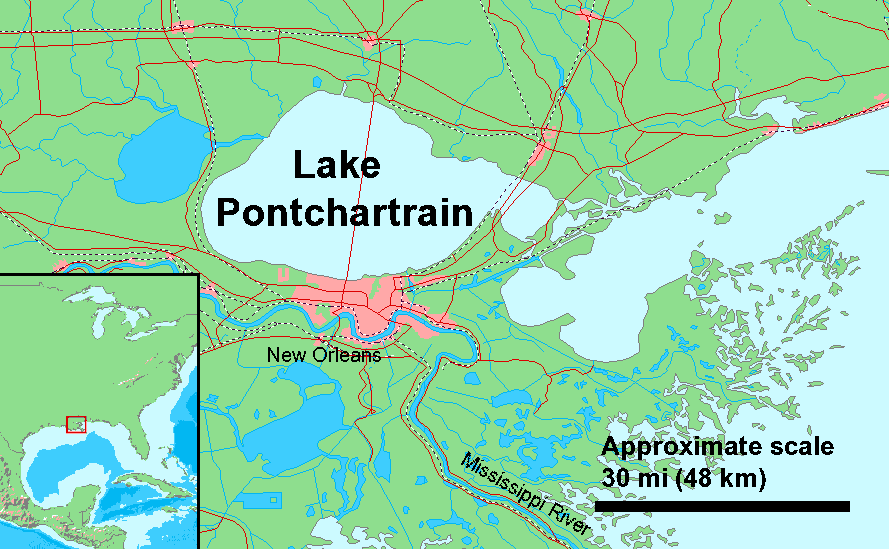
Lake Pontchartrain is situated just north of New Orleans and is part of a larger estuarine system that includes Lake Maurepas to the west and connects to the Gulf of Mexico through the Rigolets and Chef Menteur Pass. Its primary freshwater input comes from several rivers, including the Tangipahoa, Tchefuncte, and Amite Rivers, which contribute to the brackish nature of its waters. The constant exchange with the gulf, influenced by tides and weather patterns, means that the salinity of the lake can fluctuate, making it a dynamic and unique ecosystem. This intricate hydrology is crucial for the diverse marine life that thrives within its waters and along its shores.
More Than Just Depth: Lake Pontchartrain’s Enduring Significance
The depth of Lake Pontchartrain tells only a small part of its story. This expansive estuary is deeply woven into the history, economy, and culture of New Orleans and Louisiana. Its strategic location has made it a critical waterway, a natural defense, and a source of sustenance and recreation for centuries.
A Storied Past: History and Human Impact
Originally inhabited by Native American tribes such as the Choctaw and Houma, Lake Pontchartrain became a vital pathway for early European settlers. It was named by French explorer Pierre Le Moyne d’Iberville in 1699, honoring Louis Phélypeaux, Comte de Pontchartrain, the French Minister of Marine. Throughout the colonial period and beyond, the lake served as a crucial transport route, linking New Orleans to the northern parishes and providing access to the gulf.
In modern times, Lake Pontchartrain has faced significant environmental challenges, particularly from urban runoff and industrial pollution. However, concerted conservation efforts, including the work of organizations like the Lake Pontchartrain Basin Foundation, have led to remarkable improvements in water quality and ecological health. These efforts highlight the community’s commitment to preserving this invaluable natural landmark. The construction of the Lake Pontchartrain Causeway in the 1950s and 1960s was a monumental engineering feat, dramatically cutting travel times between New Orleans and the north shore, further integrating the lake into daily life.
Ecological Importance and Conservation Efforts
Despite its shallow depth, Lake Pontchartrain is a rich and diverse ecosystem. Its brackish waters support a unique blend of freshwater and saltwater species. The lake is a nursery ground for a variety of fish, including speckled trout, redfish, flounder, and crabs, making it a popular spot for commercial and recreational fishing. Its extensive marshlands and cypress swamps provide critical habitat for numerous bird species, alligators, and other wildlife.
Conservation efforts focus on restoring wetlands, reducing pollution, and managing fisheries to ensure the long-term health of the basin. These initiatives are not just about protecting nature; they are about safeguarding the traditions, livelihoods, and recreational opportunities that the lake provides for countless residents and visitors.
Exploring the Shores: Attractions and Activities Around Lake Pontchartrain
For travelers heading to New Orleans, Lake Pontchartrain offers a refreshing alternative or complement to the bustling city center. Its shores are dotted with attractions, parks, and dining establishments, promising diverse experiences from tranquil nature retreats to vibrant waterfront entertainment.
Iconic Landmarks and Structures
The most prominent landmark associated with Lake Pontchartrain is undoubtedly the Lake Pontchartrain Causeway. Spanning 24 miles, it connects Metairie, a suburb of New Orleans, to Mandeville on the north shore. Driving across this engineering marvel is an experience in itself, offering panoramic views of the lake’s vastness.
On the south shore, the New Orleans Lakefront area, particularly the West End neighborhood, features marinas, seafood restaurants, and parks. The historic Southern Yacht Club, founded in 1849, stands as a testament to the lake’s long-standing connection to sailing and water sports. Further east, the New Canal Lighthouse, a beautifully restored structure, offers insights into the lake’s maritime history and serves as an educational center for environmental awareness.
Across the lake on the north shore, charming towns like Mandeville and Slidell provide a different pace of life. Fontainebleau State Park, near Mandeville, offers camping, hiking trails, and a sandy beach perfect for family outings. The park’s historic sugar mill ruins add a touch of historical intrigue.
Recreational Pursuits and Family Fun
Lake Pontchartrain is a playground for outdoor enthusiasts. Boating, from sailboats to powerboats, is immensely popular, with numerous marinas offering rentals and charters. Kayaking and paddleboarding are fantastic ways to explore the calmer bayous and marshy edges, providing intimate encounters with nature.
Fishing is a major draw, with anglers casting lines from piers, boats, and the shoreline in pursuit of the lake’s abundant fish species. Local fishing guides are readily available for those seeking expert advice and the best spots. Birdwatching is another rewarding activity, especially in the wetlands surrounding the lake, which serve as crucial migratory bird habitats. For families, the lakefront parks in New Orleans, such as those in Kenner or by City Park, offer playgrounds, walking paths, and picnic areas with scenic water views.
Dining and Entertainment by the Water
The culinary scene around Lake Pontchartrain is a testament to Louisiana’s rich gastronomic heritage. Seafood restaurants specializing in fresh catches from the lake and gulf are plentiful, particularly in the West End of New Orleans and along the north shore. Imagine enjoying a plate of charbroiled oysters or a succulent seafood po’boy with a picturesque view of the sunset over the water.
Many establishments offer outdoor seating, allowing diners to soak in the relaxed waterfront atmosphere. Seasonal festivals, often celebrating seafood or local culture, also take place on the lake’s shores, providing lively entertainment, live music, and opportunities to experience authentic Louisiana traditions.
Planning Your Visit: Accommodation and Travel Tips for Lake Pontchartrain
Integrating a visit to Lake Pontchartrain into your New Orleans itinerary is straightforward and highly recommended for a complete Louisiana experience. Whether you’re seeking luxury accommodation or a budget-friendly stay, and whether you prefer urban excitement or tranquil nature, options abound.
Where to Stay: Hotels and Resorts
While there are fewer large hotels directly on the Lake Pontchartrain waterfront in New Orleans itself, the city offers an extensive range of hotels, suites, and resorts within a short drive. Staying in the French Quarter, Central Business District, or Garden District provides easy access to the lake via car or public transport, along with proximity to other major New Orleans attractions. Options range from historic boutique hotels like Hotel Monteleone to grand establishments such as The Roosevelt New Orleans, a Waldorf Astoria Hotel, catering to luxury travel. For those on a budget, numerous mid-range hotels and vacation rentals are available throughout the city.
For a different vibe, consider staying on the north shore in towns like Mandeville or Covington. These areas offer quaint bed and breakfasts, charming guesthouses, and more secluded resort-style accommodations, perfect for a peaceful retreat or a family trip focused on nature and relaxation. You can find everything from cozy apartments to spacious villas, depending on your preferred lifestyle and group size. Booking in advance, especially during peak tourism seasons like Mardi Gras or major festivals, is always advisable to secure the best rates and availability.
Getting Around: Transportation Tips
Accessing Lake Pontchartrain from New Orleans is easiest by car. Renting a car provides the flexibility to explore the various lakefront parks, drive across the Causeway, and visit the north shore towns. Ride-sharing services are also an option for shorter trips to the New Orleans lakefront.
Public transportation options are more limited directly to the lakefront areas but can get you within reasonable distance of certain points. For example, some bus routes service the New Orleans Lakefront from downtown. However, for comprehensive exploration of both shores and more remote natural areas, a private vehicle is recommended.
New Orleans Beyond the Lake: Integrating Your Itinerary
A visit to Lake Pontchartrain can easily be integrated into a broader New Orleans itinerary. Spend a morning enjoying a leisurely brunch in the French Quarter, then head north to the lake for an afternoon of fishing or a sunset stroll along the waterfront. Consider dedicating a full day to exploring the north shore, combining a visit to Fontainebleau State Park with a scenic drive through charming towns and a seafood dinner.
Many tour operators offer swamp tours that often traverse bayous connected to the Pontchartrain Basin, providing an educational and thrilling experience with local wildlife. For those interested in history, the New Canal Lighthouse and the museum at City Park offer insights into the region’s past and present. The relatively shallow depth of Lake Pontchartrain doesn’t diminish its grandeur or its importance. Instead, it highlights its unique identity as a dynamic estuary, a haven for wildlife, and a cherished landmark that continues to shape the identity and experiences of New Orleans and its surrounding communities. Its depths, though modest, conceal a wealth of history, ecology, and unforgettable travel experiences awaiting every visitor.
LifeOutOfTheBox is a participant in the Amazon Services LLC Associates Program, an affiliate advertising program designed to provide a means for sites to earn advertising fees by advertising and linking to Amazon.com. Amazon, the Amazon logo, AmazonSupply, and the AmazonSupply logo are trademarks of Amazon.com, Inc. or its affiliates. As an Amazon Associate we earn affiliate commissions from qualifying purchases.