
Seneca Lake, nestled in the heart of New York State’s enchanting Finger Lakes region, holds a mystique that captivates travelers and locals alike. Beyond its stunning natural beauty, vibrant communities, and world-class wineries, one question frequently piques the curiosity of visitors: just how deep is Seneca Lake? This magnificent body of water is not only the largest of the Finger Lakes by volume but also the deepest, a feature that profoundly shapes its ecology, climate, and the array of experiences it offers to those who venture to its shores. Its impressive depth is more than just a geological fact; it’s a cornerstone of the region’s identity, influencing everything from its famed wine production to its recreational opportunities and the unique lifestyle it fosters.
The Finger Lakes region, a collection of eleven long, narrow, roughly north-south lakes in west-central New York State, is renowned for its picturesque landscapes, rolling vineyards, and charming small towns. Among these natural wonders, Seneca Lake stands out as a true titan. Its sheer size and depth contribute to a microclimate that is unusually mild for the area, delaying the onset of frost in autumn and moderating temperatures in winter. This climatic advantage is precisely what makes the region an ideal viticultural hub, fostering the growth of diverse grape varietals and leading to the flourishing of numerous award-winning wineries along its banks. Understanding the depth of Seneca Lake is therefore not merely an exercise in trivia but an exploration of the very essence that defines this captivating New York destination. It is a story of glacial power, ecological resilience, and a tourism industry built around the marvels of nature. From the bustling streets of Geneva at its northern tip to the vibrant village of Watkins Glen to the south, the lake’s profound character permeates every aspect of life and travel around it, making it a truly unforgettable landmark.
Unveiling the Depths: Seneca Lake’s Geological Marvel
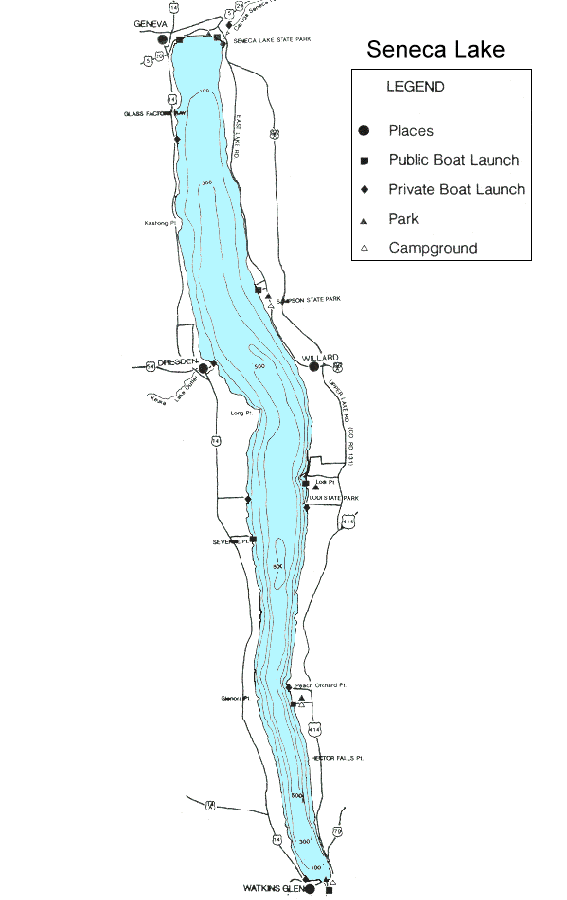
The answer to the question “How deep is Seneca Lake?” reveals a truly astonishing figure: the lake plunges to a maximum depth of 618 feet (188 meters). This makes it not only the deepest of the Finger Lakes but also one of the deepest freshwater lakes entirely within the United States outside of the Great Lakes. Its average depth is also substantial, hovering around 290 feet (88 meters). This immense volume of water, estimated at approximately 4.2 cubic miles, makes it a critical natural resource and a fascinating subject for limnologists and geologists alike. The sheer scale of its underwater topography is a testament to the powerful forces that sculpted the landscape thousands of years ago, leaving behind a legacy that continues to shape the region today.
A Finger Lake’s Unique Formation
The Finger Lakes owe their distinctive long, narrow, and deep troughs to glacial erosion during the last ice age, specifically the Wisconsin Glaciation. Prior to this period, the area was characterized by a series of north-south flowing rivers and valleys. As massive sheets of ice, sometimes miles thick, advanced southward from Canada, they scoured and deepened these river valleys, carving out the dramatic basins we see today. The glaciers acted like giant bulldozers, grinding away at the bedrock, especially where the underlying geology was softer or previously fractured.
For Seneca Lake, the immense pressure and abrasive power of the glacial ice carved a particularly deep and wide trough. As the glaciers retreated, they left behind massive terminal moraines at the southern ends of the lakes, effectively damming the valleys and allowing them to fill with meltwater. The result is a series of interconnected lakes, with Seneca Lake standing out for its profound depth. The steep, U-shaped cross-section of the lake basin is a classic indicator of its glacial origin, a geological landmark that tells a compelling story of earth-shaping forces. This deep basin also explains why Seneca Lake rarely freezes over completely in winter, an unusual characteristic for a lake of its latitude. The vast volume of water retains heat much more effectively than shallower lakes, contributing to the mild microclimate that is so crucial for the surrounding vineyards.
Measuring the Deepest Point
The deepest point of Seneca Lake is located roughly in the central part of the lake, away from the shallower northern and southern ends. Modern bathymetric surveys using sonar technology have precisely mapped the lakebed, revealing its intricate underwater topography. These detailed maps illustrate how the lake’s depth gradually increases from its northern terminus near Geneva and its southern end near Watkins Glen, reaching its nadir in the expansive central basin. This deep, cold water layer, known as the hypolimnion, remains remarkably stable throughout the year, supporting a unique ecosystem of cold-water fish species, including lake trout and landlocked salmon.
The consistent coldness and clarity of Seneca Lake’s deep waters are also highly valued for scientific research. Its depths are studied for their impact on regional climate, water quality, and the behavior of aquatic life. The understanding derived from these measurements not only satisfies scientific curiosity but also informs conservation efforts, ensuring the long-term health and vitality of this remarkable natural landmark. For visitors, knowing the lake’s depth adds another layer of appreciation for its grandeur, transforming a simple boat ride into an experience of floating over a submerged, ancient valley of immense proportions.
Seneca Lake: A Hub for Travel and Tourism
The impressive depth and vastness of Seneca Lake are not just geological curiosities; they are fundamental to its appeal as a premier travel destination. The lake’s substantial volume supports a vibrant ecosystem and offers an unparalleled variety of recreational activities, drawing tourists from across the globe. From exhilarating water sports to tranquil cruises, the lake itself is the primary attraction, dictating the rhythm of life and tourism in the surrounding communities. The local culture is deeply intertwined with the lake’s presence, offering unique experiences that blend natural beauty with regional charm and hospitality.
Water Activities and Attractions
For those drawn to the water, Seneca Lake provides an aquatic playground of epic proportions. Boating is immensely popular, with numerous marinas offering rentals and launching facilities for everything from kayaks and paddleboards to sailboats and powerful motor yachts. The vast open waters are perfect for sailing, allowing enthusiasts to truly feel the wind in their sails and navigate the lake’s expansive surface. Fishing is another major draw, with the deep, cold waters teeming with trophy-sized lake trout, brown trout, rainbow trout, and landlocked salmon, making it a prime destination for anglers. Many charter services operate from Watkins Glen and Geneva, guiding visitors to the best fishing spots.
Beyond active pursuits, scenic boat tours offer a more relaxed way to experience the lake’s beauty, providing commentary on its history, geology, and surrounding landmarks. These tours often highlight points of interest along the shore, including the charming lakefront properties, vineyards, and the picturesque villages. During the warmer months, swimming in designated areas is a refreshing pastime, though visitors are often reminded of the lake’s cool, deep waters even on the hottest days. The communities along the lake, such as Watkins Glen and Geneva, offer public access points and waterfront parks, providing perfect spots for picnics, leisurely strolls, and enjoying stunning sunsets over the water. The deeper the lake, the more stable its environment, which translates into more consistent conditions for these diverse water-based activities, making it a reliable choice for experience-seekers.
Exploring the Wine Trail and Beyond

While the lake’s depth ensures excellent conditions for water activities, it’s the accompanying microclimate that has forged Seneca Lake’s global reputation as a wine destination. The Seneca Lake Wine Trail is a world-renowned collection of over 30 wineries, breweries, distilleries, and cideries that ring the lake, offering tastings and tours. The deep waters moderate temperature extremes, preventing early budding in spring and extending the growing season into the fall, which is ideal for cultivating grape varietals like Riesling, Gewürztraminer, Cabernet Franc, and Pinot Noir. Visitors can embark on self-guided tours, join organized wine trails, or even combine their wine tasting with a scenic boat trip, experiencing the best of both worlds.
But tourism around Seneca Lake extends far beyond the wine trail. The region is rich in natural beauty and cultural attractions. Just south of the lake lies Watkins Glen State Park, famous for its breathtaking gorge trail featuring 19 waterfalls cascading through a stunning, winding canyon. This iconic landmark offers an unforgettable hiking experience, a perfect complement to a day on the lake or at the vineyards. Nearby, the city of Corning is home to the world-renowned Corning Museum of Glass, an attraction that celebrates the art, history, and science of glassmaking. To the north, Geneva offers a charming downtown area with boutique shops, diverse restaurants, and historic architecture. The proximity of these diverse attractions, from outdoor adventures to cultural enrichment, solidifies Seneca Lake’s position as a multifaceted destination catering to a wide range of interests, all benefiting from the lake’s profound and steady presence.
Accommodation and Lifestyle Around Seneca Lake
The profound beauty and recreational opportunities of Seneca Lake naturally give rise to a thriving accommodation sector, designed to cater to every kind of traveler. Whether seeking luxury, rustic charm, or family-friendly options, the region around Seneca Lake offers a diverse array of choices. This variety reflects the broader lifestyle offerings of the Finger Lakes, embracing both opulent escapes and budget-conscious adventures, making it an ideal destination for various travel styles. The depth of the lake ensures consistent appeal year-round, influencing how hotels and resorts position themselves, often emphasizing lake views, water access, and proximity to regional attractions.
Hotels, Resorts, and Unique Stays
The accommodation landscape around Seneca Lake is as varied as the region itself. For those seeking upscale comfort and amenities, several exquisite hotels and resorts offer stunning lake views and top-tier services. The Watkins Glen Harbor Hotel, for example, provides a luxurious experience right on the water in Watkins Glen, complete with fine dining and easy access to local attractions and the famous racetrack. At the northern end, the historic Belhurst Castle in Geneva offers a unique stay in a magnificent Romanesque Revival mansion, featuring a winery, spa, and gourmet restaurants, perfect for a romantic getaway or a luxury lifestyle experience. These resorts often come equipped with pools, spas, and concierge services to enhance the guest experience.
Beyond these larger establishments, the region boasts an abundance of charming bed and breakfasts, boutique inns, and vacation rentals. Many of these offer a more intimate and personalized experience, often located directly on the wine trail or with private lake access. These options are particularly popular for longer stays, family trips, or those looking for a taste of local culture. Cottages, cabins, and even glamping sites cater to visitors seeking a closer connection to nature, without sacrificing comfort. For budget travelers, several motels and campgrounds provide affordable alternatives, often located conveniently close to major attractions. The availability of long-term stay options, especially for seasonal visitors or those seeking extended wine country exploration, further highlights the region’s appeal as a versatile destination.
Catering to Every Traveler’s Lifestyle
The deep allure of Seneca Lake and its surroundings means that the area effortlessly caters to a multitude of travel lifestyles. For luxury travel enthusiasts, the aforementioned resorts and high-end wineries provide exclusive experiences, from private tastings to bespoke tours. The emphasis is on curated experiences, gourmet dining, and opulent comfort. Budget travel is also readily accommodated, with numerous free or low-cost activities like hiking in state parks, exploring charming towns, and enjoying the public lakefront access. Picnic provisions from local markets and self-catering accommodations can keep costs down, allowing more accessible experiences.
Family trips thrive here, with a wealth of kid-friendly attractions. Watkins Glen State Park offers an unforgettable outdoor adventure for all ages. Farm visits, boat rides, and gentle hikes provide engaging activities for children, while parents can still enjoy the scenic beauty and perhaps a nearby vineyard visit. For those on business stays or combining work with leisure, many hotels offer meeting facilities and reliable internet access, allowing for productive mornings followed by relaxing afternoons by the lake or exploring the wine trail. The unique backdrop of Seneca Lake also makes it a popular destination for romantic getaways, with picturesque sunsets, intimate dining experiences, and secluded accommodations. The stable environment fostered by the lake’s depth makes it a reliable destination for all seasons, offering distinct charms whether it’s the vibrant greens of summer, the fiery hues of autumn, or the serene beauty of winter, truly embracing a year-round lifestyle of exploration and enjoyment.
Nearby Landmarks and Experiences
While Seneca Lake itself is a major landmark, its depth and central location within the Finger Lakes region position it perfectly as a base for exploring a wealth of other significant natural wonders, historical sites, and cultural institutions. The deep lake’s influence on the surrounding landscape and communities extends to these neighboring attractions, creating a cohesive travel experience that combines stunning natural beauty with rich history and vibrant local culture. A trip to Seneca Lake is truly an immersive journey into the heart of New York State’s diverse offerings.
Natural Wonders and Historic Sites
Beyond the immediate shores of Seneca Lake, the Finger Lakes region is dotted with spectacular natural landmarks. As mentioned, Watkins Glen State Park is an absolute must-visit, offering a rare opportunity to walk beneath and around dozens of waterfalls. Its proximity to the southern end of Seneca Lake makes it an easy day trip. Other state parks in the region, such as Taughannock Falls State Park near Ithaca, boast waterfalls even taller than Niagara Falls, demonstrating the dramatic geological sculpting of the area. These natural wonders provide ample opportunities for hiking, photography, and connecting with the pristine wilderness.
Historically, the Finger Lakes region has played a pivotal role in American history. Just a short drive from Seneca Lake is Seneca Falls, home to the Women’s Rights National Historical Park. This significant landmark commemorates the site of the first Women’s Rights Convention in 1848, a seminal event in the fight for gender equality. Visitors can explore the Wesleyan Chapel, where the convention took place, and learn about figures like Elizabeth Cady Stanton and Lucretia Mott. Additionally, the city of Auburn, not far from the eastern Finger Lakes, is home to the Harriet Tubman National Historical Park, preserving the legacy of the iconic abolitionist and conductor on the Underground Railroad. These sites offer profound insights into the nation’s past and underscore the region’s importance beyond its natural beauty.
Planning Your Visit to the Finger Lakes
When planning a trip to Seneca Lake and the broader Finger Lakes region, considering the lake’s depth and its implications can enhance the entire experience. The best time to visit often depends on desired activities. Summer (June to August) is peak season for water sports, outdoor festivals, and enjoying the vibrant life around the lake. Fall (September to October) brings stunning foliage, harvest festivals, and ideal conditions for wine touring as the vineyards are in full swing. Even winter offers serene beauty, with opportunities for ice fishing (on shallower lakes), cross-country skiing, and cozy winery visits around a roaring fireplace, leveraging the lake’s moderating effect on temperatures.
Accessibility to the Finger Lakes is straightforward, with regional airports in Syracuse and Rochester, and major highways connecting from New York City and other metropolitan areas. It’s recommended to rent a car to fully explore the sprawling region and its numerous attractions, from the bustling college towns of Ithaca (home to Cornell University and Ithaca College) to the quaint villages. Whether your interest lies in the geological marvels of a deep lake, the exquisite taste of Finger Lakes wine, the thrill of outdoor adventure, or a journey through American history, Seneca Lake’s profound depth is more than just a measurement; it is the silent, powerful force that underpins the region’s diverse appeal and makes it an enduring gem in New York State’s tourism landscape.
LifeOutOfTheBox is a participant in the Amazon Services LLC Associates Program, an affiliate advertising program designed to provide a means for sites to earn advertising fees by advertising and linking to Amazon.com. Amazon, the Amazon logo, AmazonSupply, and the AmazonSupply logo are trademarks of Amazon.com, Inc. or its affiliates. As an Amazon Associate we earn affiliate commissions from qualifying purchases.