
Seneca Lake, the largest of the Finger Lakes, is a majestic body of water that captivates visitors with its stunning natural beauty and rich history. While its scenic vistas and vibrant shoreline communities draw thousands each year, a fundamental question often arises for those planning a visit or simply appreciating its grandeur: “How deep is Seneca Lake?” Understanding the lake’s depth is not just a matter of geographical curiosity; it profoundly influences its ecology, its recreational potential, and even its historical significance. This article delves into the depths of Seneca Lake, exploring its maximum and average depths, and examining what these figures mean for the surrounding landscape and the activities that make this region a premier travel destination.
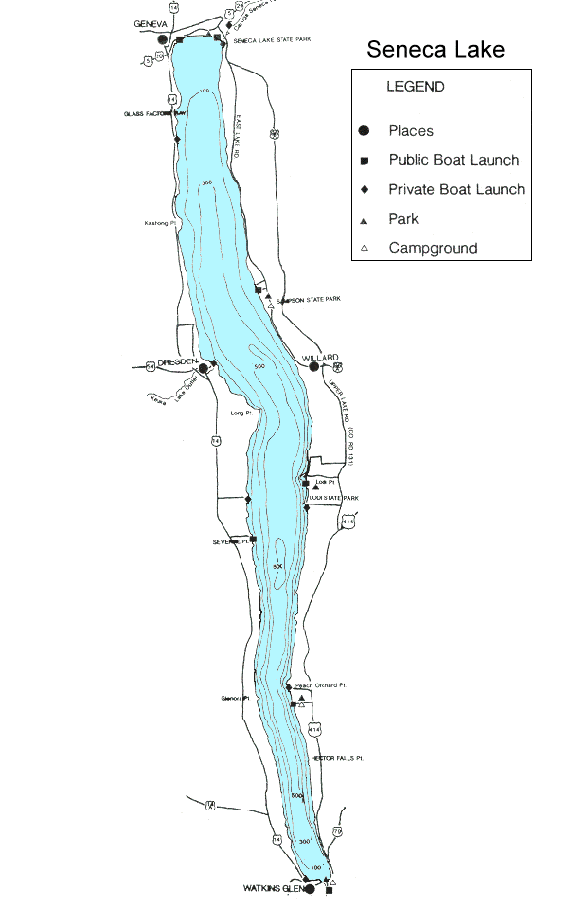
The Hydrography of Seneca Lake
The sheer scale of Seneca Lake is impressive, stretching over 38 miles long and averaging 1.5 miles wide. Its surface area covers a substantial 72.7 square miles, a significant portion of the Finger Lakes region. However, the true measure of its immensity lies beneath the surface, in its impressive bathymetry.
Maximum Depth: A Glimpse into the Abyssal Plain
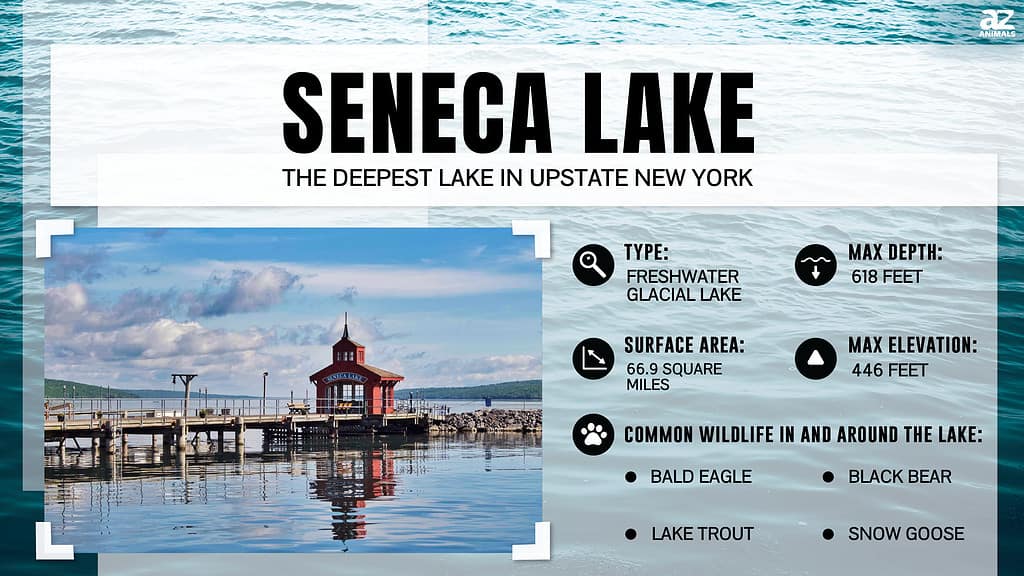
The maximum depth of Seneca Lake is a remarkable 618 feet (approximately 188 meters). This considerable depth is found in its deepest basin, a testament to the glacial carving that shaped the entire Finger Lakes region. Formed during the last ice age, these lakes are essentially massive valleys scoured out by colossal glaciers. As the ice sheets retreated, they left behind these deep, long, and narrow bodies of water, with Seneca Lake being the deepest and second longest. This profound depth influences the lake’s thermal stratification, creating distinct temperature layers that support a unique aquatic ecosystem. It also means that the lake holds a vast volume of water, contributing significantly to the regional climate and water supply.
Average Depth: A Measure of its Vastness
While the maximum depth captures the imagination, the average depth of Seneca Lake provides a more representative understanding of its overall volume and character. The average depth is approximately 310 feet (around 94 meters). This substantial average depth, combined with its expansive surface area, underscores Seneca Lake’s status as the largest of the Finger Lakes by volume. This means that while swimming and boating are popular activities in shallower, near-shore areas, the vast majority of the lake is reserved for activities that can take advantage of its open waters and considerable depth, such as deep-water fishing and cruising.
Ecological Implications of Seneca Lake’s Depth
The depth of Seneca Lake has profound implications for its ecology, influencing everything from water temperature and oxygen levels to the types of fish and aquatic life it supports. The sheer volume of water acts as a moderating force on temperature, contributing to the region’s milder climate and longer growing seasons, which are ideal for viticulture.
Thermal Stratification and Water Quality
Due to its depth, Seneca Lake experiences thermal stratification during the warmer months. This phenomenon divides the water column into three distinct layers: the epilimnion (the warm, surface layer), the thermocline (a transitional zone of rapid temperature change), and the hypolimnion (the cold, deep layer). The hypolimnion, being significantly colder, can retain dissolved oxygen even as surface waters warm, creating a vital habitat for cold-water species. However, this stratification can also lead to challenges in nutrient cycling and oxygen depletion in deeper waters if not properly managed. The clarity of Seneca Lake’s water is also a notable feature, often attributed to its depth and the presence of invasive species like the Zebra Mussel and Quagga Mussel, which filter large amounts of plankton, thereby increasing transparency.
Aquatic Life and Fisheries
The varied depths and temperature regimes of Seneca Lake support a diverse range of aquatic life. The shallower, warmer areas near the shore are ideal for warm-water species, while the deeper, colder waters provide habitat for cold-water species such as lake trout, salmon, and cisco. The lake is renowned for its excellent sport fishing, attracting anglers from far and wide who seek to catch these prized species. The introduction of non-native fish, alongside efforts to manage native populations, has created a dynamic and often rewarding fishing experience. The depth also provides ample space for fish to move between different temperature zones depending on the season and their life stage, contributing to a robust and healthy fishery.

Recreational Opportunities Shaped by Seneca Lake’s Depth
The unique characteristics of Seneca Lake, particularly its impressive depth, directly shape the types of recreational activities available to visitors. From serene boating to challenging fishing expeditions, the lake offers a diverse array of experiences for every type of outdoor enthusiast.
Boating and Sailing
Seneca Lake’s vast expanse and consistent wind patterns make it a prime destination for boating and sailing. Numerous marinas and public access points dot its shoreline, offering launching facilities for everything from kayaks and paddleboards to large sailboats and powerboats. The depth ensures that even larger vessels can navigate the lake with ease, allowing for extended excursions and exploration of its many bays and inlets. Sailing enthusiasts often gather in Geneva and Watkins Glen, leveraging the lake’s conditions for competitive racing and leisurely cruises. The sheer size of the lake means that even on busy weekends, it’s possible to find stretches of open water for a peaceful journey.
Fishing and Angling Adventures
As mentioned, Seneca Lake’s depth is a critical factor in its thriving sport fishery. Deep-water trolling is a popular method for targeting lake trout and salmon in the cooler, deeper waters. Anglers also find success in the shallower, near-shore areas for species like bass, walleye, and perch. The New York State Department of Environmental Conservation regularly stocks the lake with various species to maintain healthy populations and ensure continued angling success. The deepest parts of the lake are particularly important for the survival and growth of certain species, making understanding the bathymetry crucial for effective fishing strategies.
Scenic Cruising and Sightseeing
For those who prefer a more relaxed pace, scenic cruising along Seneca Lake offers unparalleled opportunities for sightseeing. The lake’s shores are lined with charming towns, picturesque vineyards, and lush forests, providing a stunning backdrop for any water-based excursion. The depth of the lake ensures that the dramatic landscapes extend far beyond the immediate shoreline, offering panoramic views of the rolling hills and vineyards that define the Finger Lakes wine region. Boat tours, available from various points along the lake, provide an accessible way for visitors to appreciate the grandeur of Seneca Lake and its surroundings, often highlighting historical sites and natural formations that have been shaped by the lake’s presence.
Seneca Lake’s Depth in Context: Comparison and Significance
To truly appreciate the depth of Seneca Lake, it is helpful to place it in context, both within the Finger Lakes region and in comparison to other notable bodies of water. Its depth is not merely a statistic; it is a defining characteristic that underpins its ecological health, economic importance, and recreational appeal.
Comparing Depths Within the Finger Lakes
Among the eleven Finger Lakes, Seneca Lake stands out as the undisputed champion in terms of depth. While other lakes like Cayuga Lake and Keuka Lake are also deep, none reach the 618-foot mark. For instance, Cayuga Lake has a maximum depth of approximately 432 feet, and Keuka Lake reaches about 720 feet in its deepest part, making it the deepest of the Finger Lakes. This variation in depth influences the microclimates and ecological niches of each lake, leading to the distinct characteristics that make exploring each one a unique experience. Seneca’s depth makes it a crucial habitat for cold-water species and influences its thermal dynamics more significantly than some of its shallower counterparts.
A Deeper Perspective on Water Resources
The immense volume of water held within Seneca Lake makes it a vital natural resource. Beyond its role in supporting aquatic life and recreational activities, it plays a significant part in the regional hydrological cycle. Its depth contributes to its thermal stability, which can moderate local temperatures and influence weather patterns. Furthermore, Seneca Lake serves as a source of drinking water for surrounding communities, underscoring the importance of maintaining its water quality. The deep, cold waters of the hypolimnion are particularly valuable for water treatment processes, providing a stable and less variable water source compared to surface-level intakes. Understanding the lake’s depth is therefore intrinsically linked to appreciating its role as a fundamental component of the region’s natural infrastructure.
LifeOutOfTheBox is a participant in the Amazon Services LLC Associates Program, an affiliate advertising program designed to provide a means for sites to earn advertising fees by advertising and linking to Amazon.com. Amazon, the Amazon logo, AmazonSupply, and the AmazonSupply logo are trademarks of Amazon.com, Inc. or its affiliates. As an Amazon Associate we earn affiliate commissions from qualifying purchases.