
The Colorado River, a legendary artery weaving its way through the rugged and awe-inspiring landscapes of the American Southwest, evokes images of towering canyons, shimmering blue-green waters, and an untamed spirit of adventure. For many curious travelers and nature enthusiasts, a fundamental question often arises: how deep is the Colorado River? While seemingly straightforward, the answer is as complex and multifaceted as the river itself, varying dramatically along its nearly 1,450-mile journey from the Rocky Mountains to the Gulf of California. More than just a simple measurement, understanding the river’s depth illuminates its geological history, its vital role in the ecosystem, and the myriad of unique travel and tourism experiences it offers.
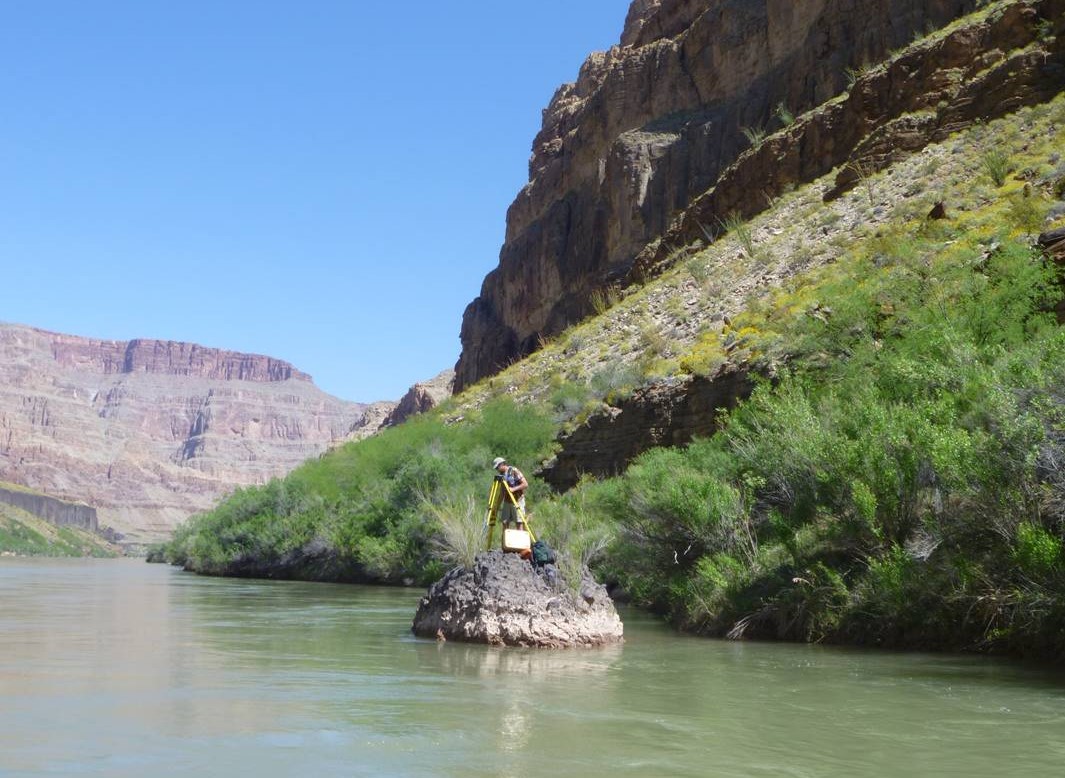
This article delves into the depths of the Colorado River, exploring not only its literal water depth but also the profound canyons it has carved, the iconic landmarks it passes, and the incredible opportunities it presents for adventure, relaxation, and discovery. From thrilling whitewater rafting to serene contemplation at a canyon rim, the Colorado River basin is a premier destination for anyone seeking to connect with the raw power and beauty of nature.
The Dynamic Depths of a Legendary River
To answer the question of the Colorado River’s depth, one must consider it in several contexts: the average water depth, the maximum depths encountered in specific pools or reservoirs, and perhaps most importantly, the immense geological depths of the canyons it has carved over millions of years.
Understanding the River’s True Depth
On average, the Colorado River is not an exceptionally deep river in terms of its water column. In many stretches, particularly in its upper reaches and wider valleys, the river can be surprisingly shallow, ranging from 2 to 20 feet deep. These shallower sections are often characterized by riffles and rapids, where the water is turbulent and spreads out over a wider area. These are prime locations for certain types of recreation, such as fly-fishing or calmer kayaking, where the current is manageable and the riverbed is often visible.
However, the river’s depth dramatically increases in specific areas, especially within the confines of its magnificent canyons and upstream of its numerous dams. Deep pools and eddies can form, particularly at the base of rapids or where the river has scoured out the bedrock. In these isolated spots, the water depth can reach 50 to 90 feet or even more. These deeper sections are less common but are crucial for aquatic life, providing cooler, more stable environments.
The most significant “depths” associated with the Colorado River are not within the water itself, but rather the sheer vertical drop from the canyon rims to the riverbed. This is where the true scale of the river’s erosive power becomes evident.
Carving the Grand Canyon: A Testament to Depth
The most famous and awe-inspiring manifestation of the Colorado River’s power is, without doubt, the Grand Canyon. Here, the river has carved a chasm that is up to 18 miles wide and over a mile (approximately 5,280 feet or 1,600 meters) deep from rim to river. While the river’s water depth within the Grand Canyon itself typically ranges from 20 to 60 feet, with occasional deeper pools, it is the geological depth that truly captivates.
Standing at the South Rim or North Rim of Grand Canyon National Park, the sense of profound depth is overwhelming. The layered rock formations tell a story spanning billions of years, each stratum representing a chapter in Earth’s history, meticulously revealed by the relentless flow of the Colorado River. This incredible natural landmark is a testament to the river’s enduring power and is a primary magnet for global tourism.
Reservoirs and Artificial Depths
Beyond the natural depths, the Colorado River system includes several large reservoirs created by massive dams. These man-made lakes introduce entirely new dimensions of depth:
- Lake Mead: Formed by the Hoover Dam near Boulder City, Nevada, Lake Mead is the largest reservoir in the United States by capacity. Its maximum depth can reach over 500 feet (150 meters) when full. The fluctuations in its water levels, especially in recent decades due to drought, are a significant concern for the region.
- Lake Powell: Created by the Glen Canyon Dam near Page, Arizona, Lake Powell boasts a maximum depth of approximately 560 feet (170 meters) when at full capacity. Like Lake Mead, its depth has been greatly impacted by water scarcity, revealing fascinating hidden canyons and geological features that were once submerged.
These reservoirs, while not natural river depths, are integral to the Colorado River system, providing water and power to millions and offering vast recreational opportunities like boating, fishing, and watersports, directly influencing the local tourism industry and accommodation options.
Unforgettable Journeys: Exploring Colorado River Landmarks and Attractions
The Colorado River’s journey is studded with an array of spectacular landmarks and attractions that draw visitors from around the globe. These sites offer a diverse range of experiences, from ancient history to modern engineering marvels, all intrinsically linked to the river’s powerful flow.
Iconic Natural Wonders
The natural beauty carved by the Colorado River is unparalleled, making it a cornerstone of nature tourism.
- Grand Canyon National Park: As mentioned, this is the crown jewel. Visitors can experience the canyon from various viewpoints along the South Rim (more accessible, open year-round) and the North Rim (more remote, seasonal). Iconic overlooks like Mather Point, Yavapai Point, and Desert View provide panoramic vistas. For the adventurous, hiking trails like Bright Angel Trail and South Kaibab Trail descend into the canyon, offering an intimate perspective of its vastness and geology, though reaching the river requires significant planning and endurance.
- Horseshoe Bend: Located near Page, Arizona, this dramatic meander of the Colorado River offers a breathtaking photographic opportunity. The river makes a nearly 270-degree turn around a sandstone pinnacle, creating a stunning visual spectacle of geological artistry.
- Marble Canyon: Situated just downstream from Glen Canyon Dam and Lee’s Ferry (the traditional starting point for Grand Canyon river trips), Marble Canyon is the initial section of the Grand Canyon gorge. Its sheer walls and often tranquil waters provide a prelude to the greater canyon downstream, offering excellent opportunities for kayaking and serene boat tours.
- Canyonlands National Park: In Utah, the Colorado River converges with the Green River within Canyonlands National Park. This park is divided into several districts, each offering distinct experiences of the canyons and mesa country, with the rivers acting as the primary carving agents.

Engineering Marvels and Cultural Sites
The human interaction with the Colorado River has also created remarkable landmarks.
- Hoover Dam: An engineering marvel of the 20th century, the Hoover Dam is a popular destination for visitors near Las Vegas. Tours of the dam provide insight into its construction, its role in water and power management, and its immense scale, offering a fascinating contrast to the natural landscapes. The dam impounds Lake Mead, a crucial water source and recreation area.
- Glen Canyon Dam: Located upstream from the Grand Canyon near Page, this dam created Lake Powell, a vast playground for boaters and watersports enthusiasts amidst stunning red rock scenery. The dam itself is an impressive structure, with a visitor center offering educational insights into its function and impact.
- Grand Canyon West and the Skywalk: Operated by the Hualapai Nation, Grand Canyon West offers a different, often more accessible, experience of the canyon. Its star attraction is the Skywalk, a glass-bottomed horseshoe-shaped bridge extending 70 feet over the canyon rim, providing a thrilling view nearly 4,000 feet down to the river. This area also offers helicopter tours and pontoon boat rides on the river itself.
Experiencing the Colorado River: Adventure, Relaxation, and Culture
The Colorado River offers a spectrum of activities catering to various travel styles, from adrenaline-pumping adventure travel to serene cultural immersions.
Thrills on the Water
For many, the allure of the Colorado River lies in its water-based adventures.
- Whitewater Rafting: This is perhaps the quintessential Colorado River experience. Trips can range from half-day excursions through milder rapids to multi-day expeditions deep into the Grand Canyon or Cataract Canyon in Canyonlands, involving camping on sandy beaches and navigating exhilarating rapids. Companies like Grand Canyon Rafting and Western River Expeditions offer a variety of guided tours, providing all equipment and expertise.
- Smooth Water Rafting: For a more relaxed experience, smooth water float trips are available, particularly from Lee’s Ferry down Marble Canyon. These trips offer stunning views of the canyon walls without the intensity of whitewater, making them ideal for families or those seeking a peaceful journey.
- Kayaking and Paddleboarding: On calmer sections of the river and throughout the expansive waters of Lake Mead and Lake Powell, kayaking and paddleboarding are popular activities. These provide a more intimate connection with the water and allow exploration of hidden coves and quieter stretches.
- Boating and Fishing: The vast reservoirs are perfect for powerboating, jet-skiing, and houseboating, particularly on Lake Powell. Fishing for bass, trout, and other species is also a popular pastime throughout the river system and its impoundments.
Land-Based Exploration and Cultural Experiences
Beyond the water, the surrounding landscapes offer incredible opportunities for exploration.
- Hiking and Backpacking: Numerous trails lead to breathtaking viewpoints or descend into the canyons. In the Grand Canyon, popular trails like the Rim Trail offer accessible walks with stunning views, while longer, more strenuous trails like the Hermit Trail or the Tanner Trail provide challenging backcountry experiences.
- Scenic Drives and Overlooks: Driving along the Desert View Drive on the Grand Canyon South Rim or taking a trip out to Horseshoe Bend offers easily accessible and immensely rewarding views.
- Native American Culture: The Colorado River basin has been home to various indigenous peoples for thousands of years. Visiting sites like Grand Canyon West provides an opportunity to learn about the culture and history of the Hualapai Nation, while other areas like Mesa Verde National Park (though not directly on the river, part of the broader watershed region) showcase ancient cliff dwellings. This aspect of local culture adds a profound layer to any visit.
- Photography: With its dramatic light, vibrant colors, and monumental landscapes, the Colorado River region is a photographer’s paradise, offering endless opportunities for stunning shots, from sunrise over the canyon to capturing the movement of whitewater rapids.
Planning Your Colorado River Adventure: Accommodation and Lifestyle Tips
Embarking on a Colorado River journey requires thoughtful planning, especially when it comes to accommodation, travel style, and ensuring a sustainable visit. The region caters to a wide array of preferences, from luxury resorts to rustic campsites.
Finding the Perfect Stay: Hotels and Accommodation
The choice of accommodation along the Colorado River often depends on the specific attractions you plan to visit and your preferred level of comfort.
- In-Park Lodges: Within Grand Canyon National Park, lodges like the historic El Tovar Hotel, Bright Angel Lodge, and Maswik Lodge offer unparalleled proximity to the canyon rim. These book up months, if not a year, in advance, especially during peak season. For those seeking a truly unique experience, Phantom Ranch at the bottom of the Grand Canyon offers basic cabin accommodation and dorms for hikers and rafters.
- Nearby Towns: Cities and towns surrounding key attractions provide a wider range of hotels and accommodation options:
- Grand Canyon Village: Besides in-park lodges, nearby Tusayan offers hotels, restaurants, and amenities just outside the South Rim entrance.
- Page, Arizona: This town is the gateway to Lake Powell, Glen Canyon Dam, and Horseshoe Bend. It offers numerous hotels, motels, and vacation rentals suitable for all budget travel to mid-range preferences.
- Moab, Utah: A hub for adventure travel to Arches National Park, Canyonlands National Park, and the upper Colorado River, Moab provides a wide array of hotels, apartments, and camping facilities.
- Flagstaff, Arizona: A larger city roughly 1.5 hours south of the Grand Canyon, Flagstaff serves as a convenient base with more diverse dining and hotel options, including luxury and boutique hotels.
- Las Vegas, Nevada: For those combining urban excitement with natural wonders, Las Vegas is a major gateway to the Hoover Dam and Lake Mead, offering a vast selection of resorts and suites for a luxury travel experience.
- Camping: For those who prefer to immerse themselves fully in nature, numerous campgrounds are available both inside and outside the national parks, ranging from primitive backcountry sites to developed RV parks with full amenities.
When planning, it’s essential to check park regulations, book accommodations and tours well in advance (especially for popular activities like rafting), and consider the seasonality, as temperatures can be extreme in summer and winter. Many travel guides recommend spring and fall for the most pleasant weather.

Sustainable Tourism and Lifestyle Considerations
Visiting the Colorado River basin also comes with a responsibility to appreciate and protect this precious resource. The river supports millions of people in seven U.S. states (Colorado, Wyoming, Utah, New Mexico, Arizona, Nevada, and California) and two Mexican states (Baja California and Sonora), providing drinking water, irrigation for agriculture, and hydroelectric power. However, it is also one of the most endangered rivers in the world due to overuse and prolonged drought.
- Responsible Tourism: Practicing “Leave No Trace” principles is paramount. This includes proper waste disposal, minimizing impact on trails, respecting wildlife, and supporting local businesses that prioritize environmental stewardship.
- Water Conservation: As visitors, being mindful of water usage, especially in arid regions like the Southwest, is a small but significant way to contribute.
- Connecting with Nature: Beyond the thrill of adventure, the Colorado River offers a profound opportunity for introspection and connection with the natural world. Its vastness and ancient beauty inspire a sense of awe, encouraging a lifestyle that values preservation and exploration. Whether it’s a family trip marveling at the canyon or a solo backpacking journey seeking solitude, the river offers a unique escape from the everyday.
In conclusion, the question “How Deep Is The Colorado River?” uncovers layers of geological wonder, ecological significance, and unparalleled opportunities for travel and adventure. Its depths are not just measured in feet of water, but in the towering canyons it has sculpted, the lives it sustains, and the unforgettable experiences it offers to all who journey along its magnificent course.
LifeOutOfTheBox is a participant in the Amazon Services LLC Associates Program, an affiliate advertising program designed to provide a means for sites to earn advertising fees by advertising and linking to Amazon.com. Amazon, the Amazon logo, AmazonSupply, and the AmazonSupply logo are trademarks of Amazon.com, Inc. or its affiliates. As an Amazon Associate we earn affiliate commissions from qualifying purchases.