
Alaska, a land of breathtaking grandeur, vast wilderness, and unparalleled natural beauty, holds a name steeped in history and evocative of its indigenous heritage. The moniker “Alaska” is not a product of early European explorers imposing their own nomenclature, but rather a direct inheritance from the indigenous peoples who first called this immense territory home. Understanding the origin of its name offers a profound connection to the rich cultural tapestry and the enduring spirit of the land itself.
The Aleut Origin: “Alyeska” – The Great Land
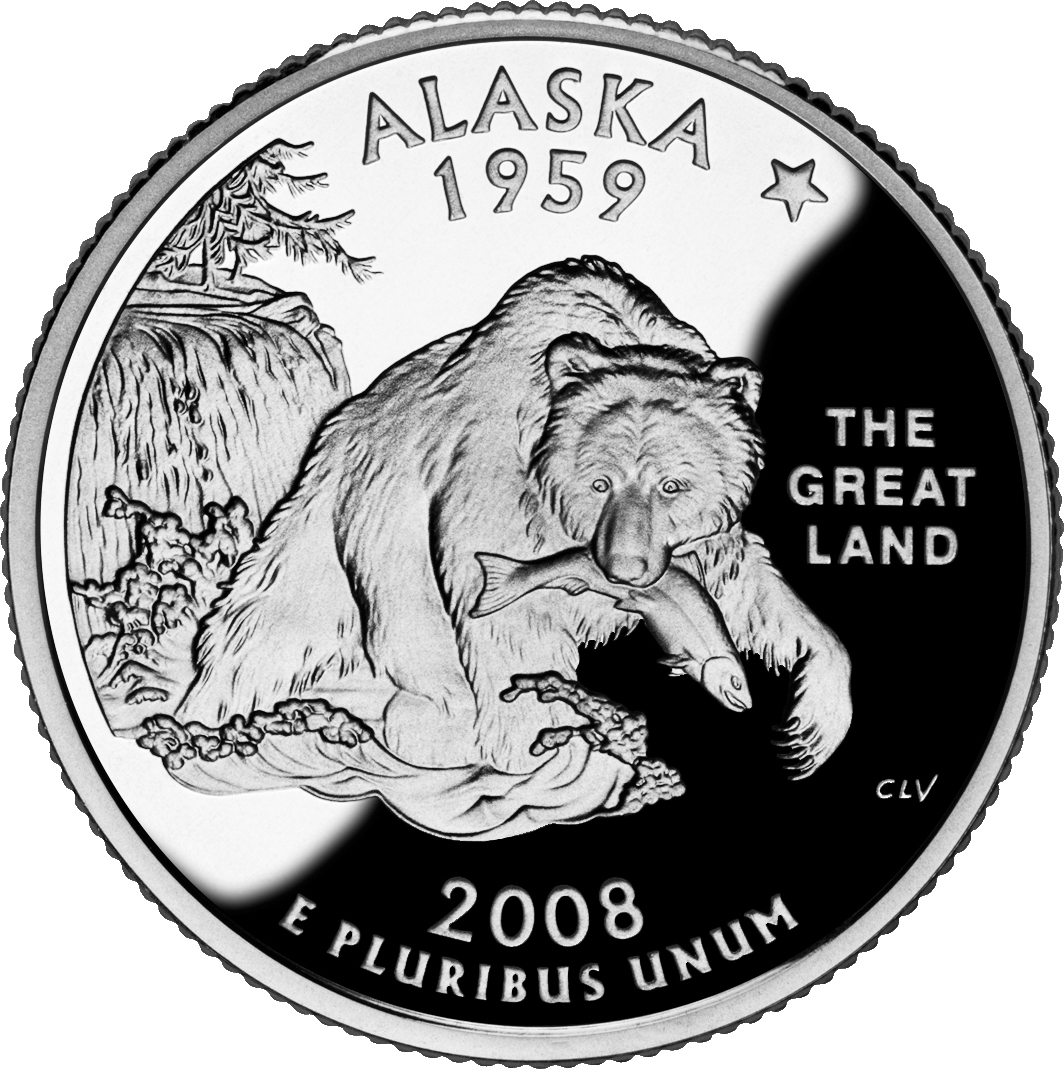
The name “Alaska” is derived from the Aleut word “Alyeska,” which translates to “the Great Land” or “the object to which the action of the sea is directed.” This descriptive appellation perfectly captures the essence of the continent’s largest state, a place characterized by its immense scale, its dramatic coastline, and the powerful influence of the ocean that shapes its geography and its history.

The Aleut People and Their Connection to the Land
The Aleut people, also known as the Unangan, are the indigenous inhabitants of the Aleutian Islands and the western Pribilof Islands. Their ancestral lands, extending far into the Pacific Ocean, have been shaped by volcanic activity, glaciation, and the constant ebb and flow of the sea. For millennia, they lived in harmony with this formidable environment, developing a deep understanding of its rhythms and resources.
The term “Alyeska” was not merely a geographical descriptor but a profound statement of reverence for the sheer magnitude and power of the territory they inhabited. It spoke to the vastness of the land, the abundance of its wildlife, and the raw, untamed beauty that defined their world. This name, passed down through generations, became intrinsically linked to the identity of the region.
Linguistic Roots and Cultural Significance
The Aleut language, part of the Eskimo-Aleut language family, is rich in descriptive terms that reflect the intimate knowledge the people possessed of their surroundings. “Alyeska” is a testament to this linguistic heritage, a word that encapsulates the awe-inspiring scale of the landscape. It is a name that predates the arrival of European powers and speaks to a connection with the land that is both ancient and profound. The choice of such a name highlights the Aleut worldview, where the land was not simply a place to exist, but a living, breathing entity to be respected and understood.
European Encounters and the Adoption of the Name
While the Aleut people had long used “Alyeska” to refer to the region, it was through subsequent European exploration and settlement that the name, in its anglicized form, became widely recognized. The Russian Empire played a pivotal role in this transition, as they established a significant presence in Alaska during the 18th and 19th centuries.
Russian Exploration and Discovery
Russian fur traders and explorers began venturing into the Aleutian Islands and along the mainland coast of Alaska in the mid-1700s. Driven by the lucrative fur trade, particularly for sea otter pelts, these expeditions encountered the indigenous populations and began to document the geography of the region. It was through these Russian expeditions that the name “Alyeska” was first encountered by Europeans.
One of the most significant figures in this period was Vitus Bering, a Danish explorer sailing for the Russian navy. His expeditions in the 1740s led to the exploration of the Bering Sea and the Aleutian Islands, bringing the vast territory to the attention of the Russian government. While Bering himself may not have directly used the term “Alyeska,” his voyages and those that followed laid the groundwork for Russian expansion.
Grigory Shelikhov and the “Alaska” Territory

A crucial figure in the formal adoption of the name was Grigory Shelikhov, a Russian merchant and explorer often referred to as the “Columbus of Russia.” In the 1780s, Shelikhov established the first permanent Russian settlement in Alaska at Three Saints Bay on Kodiak Island. He was instrumental in organizing Russian fur trading activities and in mapping out the extent of Russian claims in the region.
Shelikhov, in his writings and reports, referred to the territory as “Alaksa” or “Alyaksa,” a transliteration and adaptation of the Aleut word. This spelling eventually evolved into the more familiar “Alaska.” His efforts to consolidate Russian interests and his descriptive use of the indigenous name were key in introducing the term to the wider world, albeit through a European lens.
The Transfer of Alaska to the United States
The Russian presence in Alaska continued for nearly a century, but by the mid-19th century, the Russian Empire faced financial and strategic challenges. The Crimean War had depleted their resources, and they began to view their Alaskan holdings as increasingly difficult to defend against potential British encroachment from Canada. This led to a growing interest in selling the territory.
William H. Seward and the Purchase of Alaska
In the United States, William H. Seward, the Secretary of State under President Andrew Johnson, was a strong advocate for westward expansion and saw the strategic and economic potential of Alaska. He engaged in negotiations with the Russian government, which were spearheaded by the Russian Minister to the United States, Edouard de Stoeckl.
On March 30, 1867, the Treaty of Cession was signed in Washington D.C., agreeing to the sale of Alaska to the United States for $7.2 million, an amount that works out to roughly two cents per acre. This purchase was met with considerable skepticism and ridicule in the United States, with many critics derisively calling it “Seward’s Folly” or “Seward’s Icebox,” believing it to be an unproductive and worthless expanse of frozen tundra.
Formalization of the Name “Alaska”
The official transfer of Alaska from Russia to the United States took place on October 18, 1867, in Sitka. It was at this point that the name “Alaska,” derived from the Aleut “Alyeska,” was officially adopted as the territorial name by the U.S. government. The legacy of the indigenous peoples, embedded in their language, thus became the enduring name of this vast American frontier. The name served as a constant reminder of the land’s original inhabitants and the deep historical roots of the territory.
Legacy and Significance
The naming of Alaska is a powerful illustration of how indigenous languages and cultures can leave an indelible mark on geography and history. The choice of “Alyeska” by the Aleut people was a testament to their profound connection to their homeland, a connection that has resonated through centuries and across cultures.
A Name Reflecting Identity
The name “Alaska” is more than just a label; it is a historical artifact that carries the weight of indigenous heritage, Russian exploration, and American acquisition. It speaks to a land that is grand, wild, and possesses an untamed spirit, characteristics that continue to define Alaska today.
Enduring Connection to the Land
For visitors and residents alike, understanding the origin of the name “Alaska” enriches the experience of exploring this magnificent state. It encourages a deeper appreciation for the Aleut people and their ancestral lands, fostering a more profound connection to the history and culture that are woven into the very fabric of Alaska. The name serves as a constant reminder of the true “Great Land” and its enduring allure.
LifeOutOfTheBox is a participant in the Amazon Services LLC Associates Program, an affiliate advertising program designed to provide a means for sites to earn advertising fees by advertising and linking to Amazon.com. Amazon, the Amazon logo, AmazonSupply, and the AmazonSupply logo are trademarks of Amazon.com, Inc. or its affiliates. As an Amazon Associate we earn affiliate commissions from qualifying purchases.