
The vast, wild, and awe-inspiring expanse of Alaska is a land that captures the imagination. From its snow-capped peaks and glistening glaciers to its rich indigenous cultures and abundant wildlife, it’s a destination that calls to adventurers, nature lovers, and those seeking an escape from the ordinary. While many know Alaska by its iconic moniker, “The Last Frontier,” fewer understand the historical and cultural threads that led to this evocative title. The nickname is far more than a simple label; it’s a reflection of the state’s unique geographical position, its history of exploration and settlement, and the enduring spirit of its people.

The Dawn of Discovery and Early Perceptions
The story of Alaska and its eventual nickname is deeply intertwined with the era of exploration and the relentless human drive to push beyond known boundaries. For centuries, the northern reaches of North America remained a mystery to European powers, a formidable and largely uncharted territory. Early expeditions, driven by a thirst for knowledge, resources, and trade, gradually unveiled this immense land.
Russian Exploration and the Fur Trade
The first significant European presence in what is now Alaska was established by the Russians. In the 18th century, expeditions led by figures like Vitus Bering began to chart the coastline and islands. The rich sea otter populations proved to be a powerful lure, sparking a lucrative fur trade that would shape the region’s early colonial history. Russian traders and settlers pushed further inland, establishing outposts and engaging with the indigenous peoples, including the Tlingit and Aleut communities. During this period, Alaska was known as “Russian America.” While the term “Last Frontier” wasn’t in common use yet, the very act of Russian settlement in such a remote and challenging environment hinted at its character as a land on the edge of the known world. The vastness and perceived emptiness of the territory from the perspective of European explorers contributed to a sense of it being a remote, undeveloped, and ultimate expanse of land.
The United States Acquires “Seward’s Folly”
The pivotal moment in Alaska’s history, and a significant step towards its future nickname, came in 1867 with the United States’ purchase of the territory from Russia. This transaction, orchestrated by then-U.S. Secretary of State William Henry Seward, was met with considerable skepticism and ridicule back home. Many Americans viewed the acquisition as a foolish and extravagant waste of money, famously dubbing it “Seward’s Folly” or “Seward’s Icebox.” The prevailing sentiment was that the United States was buying a frozen, barren wasteland with little strategic or economic value. This perception, though inaccurate, highlighted the sheer remoteness and perceived inhospitability of the region from the continental U.S. perspective. The land was seen as an outpost, geographically distant and culturally distinct, an area that lay at the very end of the nation’s westward expansion.
The Rise of “The Last Frontier”
The nickname “The Last Frontier” gradually emerged and gained traction as American settlement and exploration in Alaska increased. It captured the essence of a land that was not only geographically remote but also represented the final, untamed edge of the American dream.
Manifest Destiny and the American West
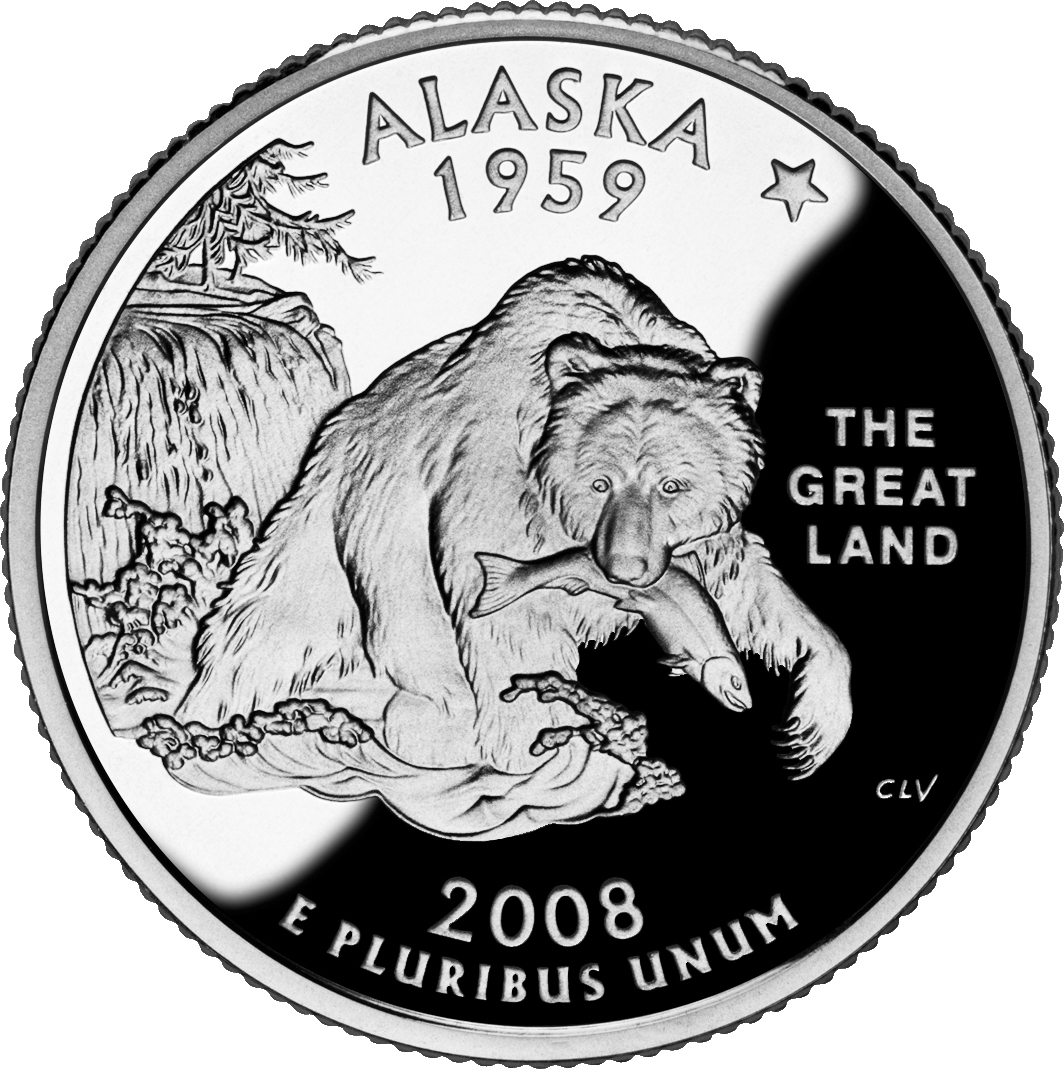
The concept of Manifest Destiny, the 19th-century belief that American settlers were destined to expand across North America, played a significant role in shaping the narrative around Alaska. While the contiguous United States had largely been settled and developed by the late 19th and early 20th centuries, Alaska remained a vast, largely undeveloped territory. It represented the ultimate expression of westward expansion, a final opportunity to explore and claim new territories. This sense of being at the edge, the final step in a long journey of exploration and settlement, directly contributed to the “frontier” aspect of the nickname. It was the last bastion of true wilderness, a place where the challenges of nature were paramount and where human endeavor was tested against the elements.
The Gold Rushes and a Flood of Adventurers
The discovery of gold in Alaska in the late 19th century, most notably the Klondike Gold Rush that began in 1896, transformed the territory. This period saw a massive influx of prospectors and fortune-seekers drawn by the promise of riches. Towns like Skagway and Juneau sprang up, becoming bustling hubs of activity. The gold rushes cemented Alaska’s image as a land of opportunity and adventure, a place where the hardy and the determined could forge a new life. This era of intense activity and the influx of people seeking new beginnings further solidified the “frontier” image. The miners, trappers, and entrepreneurs who ventured into Alaska were the archetypal frontier figures, pushing into uncharted territory in pursuit of a dream. The nickname resonated with their experiences and aspirations.
Early Tourism and the Allure of the Wild
As the gold rushes waned, a new type of visitor began to discover Alaska: the tourist. Early tourism in the early 20th century was often driven by the romance of the wilderness and the allure of its rugged landscapes. Steamship companies began offering voyages to Alaska, marketing its natural beauty and the spirit of adventure. This burgeoning tourism industry helped to popularize the image of Alaska as a place unlike any other, a land still largely untouched by the rapid industrialization and urbanization occurring elsewhere. The “Last Frontier” nickname perfectly encapsulated this appeal – a destination offering a genuine escape into nature’s grandeur, a place where one could experience a sense of discovery akin to that of the early explorers. It suggested a raw, untamed beauty that was becoming increasingly rare in the world.
The Nickname’s Enduring Significance
Today, “The Last Frontier” is officially recognized as Alaska’s state nickname, appearing on license plates and in official literature. Its adoption is a testament to its aptness and its deep connection to the state’s identity.
A Reflection of Geography and Culture
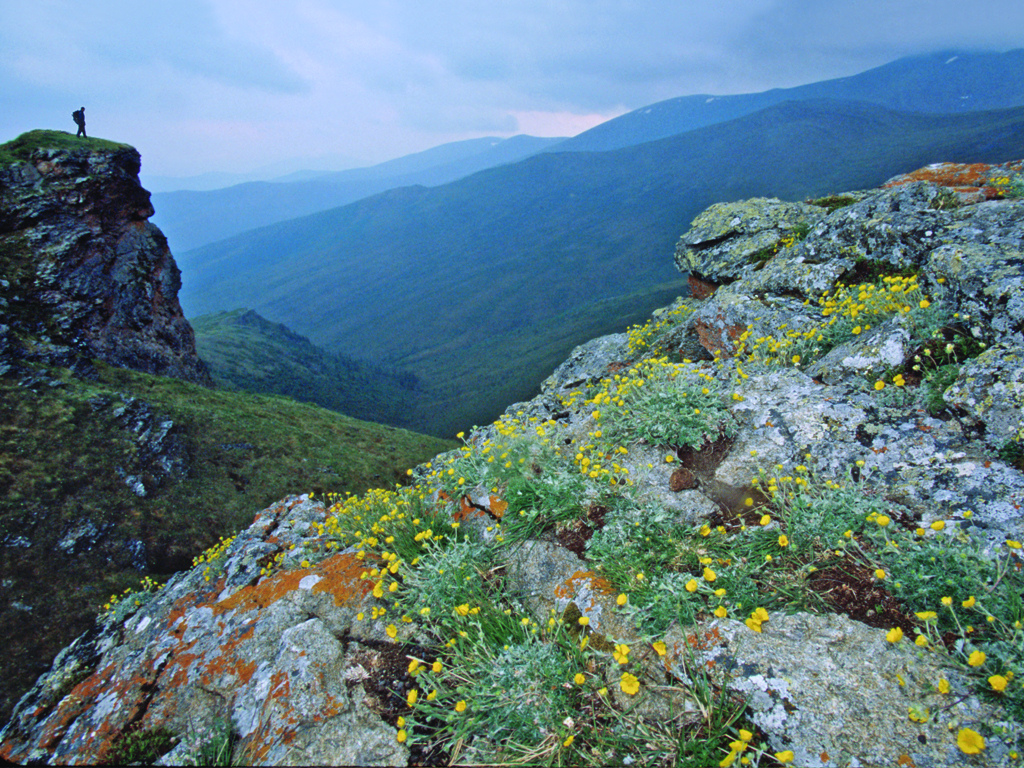
The nickname accurately reflects Alaska’s geographical reality. It is the northernmost state in the United States, bordering Canada and across the Bering Strait from Russia. Its immense size, varied and often extreme climate, and vast stretches of wilderness make it feel like a world apart. Furthermore, the nickname speaks to the resilience and independence of its people, who have learned to thrive in a challenging environment. The indigenous cultures of Alaska, with their deep connection to the land and their enduring traditions, represent a vital part of the “frontier” spirit – a way of life shaped by respect for nature and self-reliance. The nickname also acknowledges the ongoing development and exploration of Alaska’s resources and potential, suggesting that while much has been discovered, there is still more to uncover.
Marketing and Identity
“The Last Frontier” is a powerful marketing tool, evoking images of adventure, natural beauty, and rugged individualism. It appeals to travelers seeking authentic experiences, opportunities for outdoor recreation, and a chance to connect with nature on a profound level. For many visitors, the allure of Alaska lies precisely in its perceived remoteness and its untamed character, qualities that the nickname perfectly encapsulates. It promises an escape from the mundane and an immersion into a world of raw, natural splendor, much like the explorers who first ventured into its depths. The nickname has become synonymous with the spirit of Alaska itself, a symbol of its enduring mystique and its unique place in the American landscape. It continues to inspire curiosity and beckon those who seek to experience the wild heart of the continent.
LifeOutOfTheBox is a participant in the Amazon Services LLC Associates Program, an affiliate advertising program designed to provide a means for sites to earn advertising fees by advertising and linking to Amazon.com. Amazon, the Amazon logo, AmazonSupply, and the AmazonSupply logo are trademarks of Amazon.com, Inc. or its affiliates. As an Amazon Associate we earn affiliate commissions from qualifying purchases.