
From sun-drenched beaches to vibrant theme parks and a rich tapestry of history, Florida captivates millions of visitors each year. Whether you’re planning a luxury escape, a budget-friendly family adventure, or a discerning business stay, the Sunshine State offers an unparalleled array of experiences. But beyond the allure of its attractions and the comfort of its accommodations, lies a fascinating question: how did this jewel of the South become part of the United States? The story is a complex and compelling one, involving exploration, colonial rivalries, territorial disputes, and ultimately, a pivotal acquisition that reshaped the geopolitical landscape of North America.
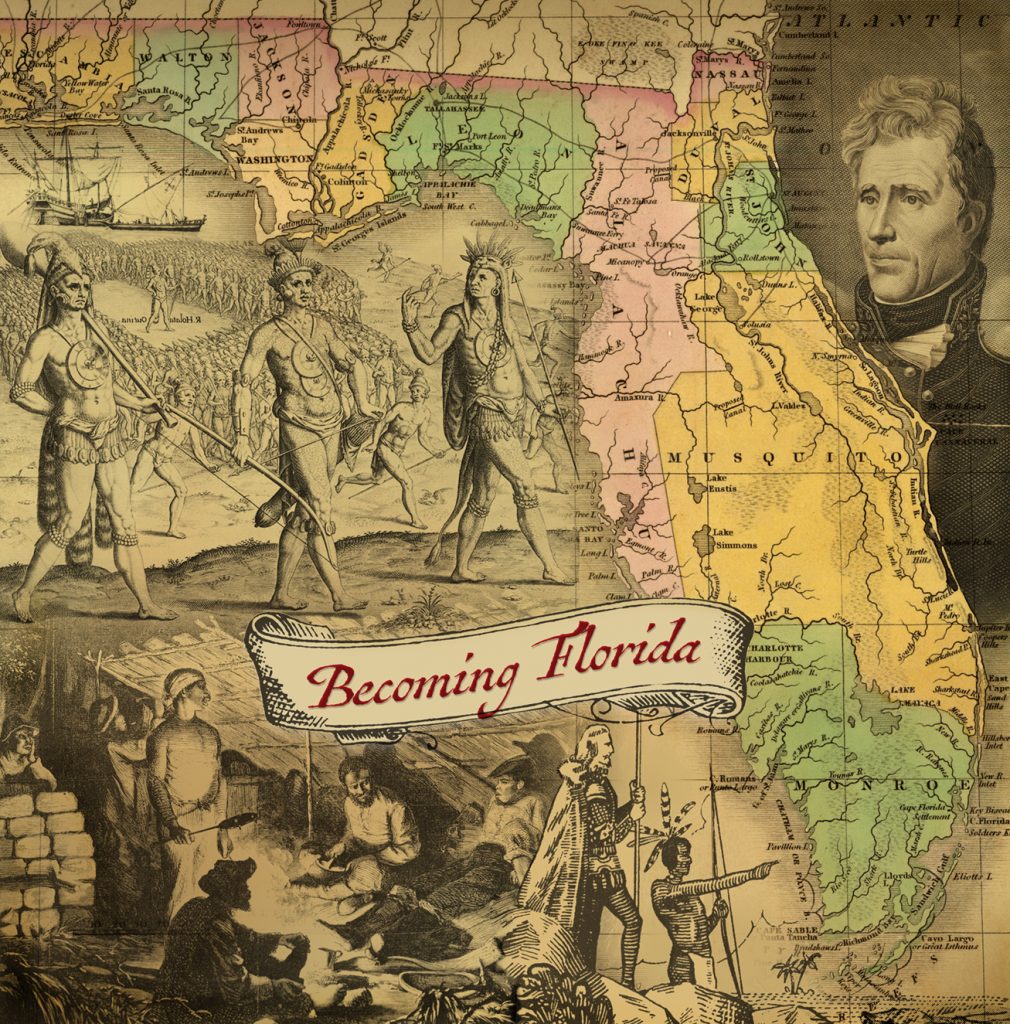
The journey of Florida into American hands is not a simple tale of conquest or inheritance but rather a nuanced process that unfolded over centuries. It began with European powers casting their gaze upon this strategically important and resource-rich peninsula, setting the stage for a protracted struggle for control. Understanding this history not only enriches our appreciation for the United States‘ territorial expansion but also sheds light on the unique cultural influences that continue to define Florida today, from its Spanish colonial roots to its modern, multicultural identity.
The Age of Exploration and Spanish Claims
The story of Florida‘s acquisition by the United States is intrinsically linked to the Age of Exploration, a period when European powers vied for dominance and sought new territories to claim. It was the Spanish who first laid eyes on this vast peninsula, leaving an indelible mark on its history and culture that persists to this day.
Ponce de León and the “La Florida” Discovery
In 1513, the ambitious Spanish explorer Juan Ponce de León sailed from Puerto Rico in search of new lands and, according to legend, the mythical Fountain of Youth. His expedition landed on the eastern coast of what is now Florida, which he christened “La Florida” in honor of the Easter season, Pascua Florida, and the lush, flower-covered landscape he encountered. This initial claim, however, was more symbolic than substantive, as it marked the beginning of a long and often contentious European presence in the region.
Ponce de León‘s arrival initiated a wave of Spanish exploration and attempts at colonization. Despite facing considerable challenges, including the harsh environment and resistance from indigenous populations, the Spanish established several settlements, most notably St. Augustine in 1565. Founded by Pedro Menéndez de Avilés, St. Augustine remains the oldest continuously inhabited European-established settlement in the present-day United States. For over two centuries, Florida was a Spanish colony, shaping its architecture, language, and religious traditions. Imagine strolling through the historic streets of St. Augustine, with its ancient forts and charming cobblestone lanes, and feeling the echoes of this distant past. These historical landmarks are not just tourist attractions; they are tangible remnants of the early chapters of Florida‘s story.
The Struggle for Dominance: Spain vs. Other European Powers
While Spain held the initial claim, Florida‘s strategic location and perceived potential did not escape the notice of other European powers. France made an attempt to establish a colony at Fort Caroline in the 1560s, sparking conflict with the Spanish and further solidifying Florida‘s status as a contested territory. The French presence was ultimately short-lived, crushed by Menéndez de Avilés, but it highlighted the broader European ambitions in the region.
Later, Great Britain also began to exert its influence, particularly after gaining control of territories to the north and east of Florida. The Treaty of Paris in 1763, which ended the Seven Years’ War (known as the French and Indian War in North America), saw Spain cede Florida to Britain in exchange for Havana, Cuba, which the British had captured during the war. This marked a significant shift, as Florida transitioned from Spanish to British rule for a period. The British administration focused on developing the colony, introducing new agricultural practices and encouraging settlement.
However, the British hold on Florida proved temporary. During the American Revolutionary War, Spain allied with the American colonies against Britain. Spanish forces, under the leadership of figures like Bernardo de Gálvez, launched successful campaigns against British strongholds in the West Florida region. Following the American victory and the subsequent Treaty of Paris in 1783, Britain returned Florida to Spain. This marked the beginning of the second Spanish period in Florida, a time that would ultimately set the stage for its eventual acquisition by the United States. The ebb and flow of colonial control underscore the dynamic geopolitical forces at play during this era.
The United States’ Growing Interest in Florida
As the United States expanded westward and its ambitions grew, Florida became an increasingly attractive prospect. Its strategic location bordering the Gulf of Mexico and its valuable resources made it a key target for American expansionism, often referred to as Manifest Destiny. However, acquiring Florida from Spain was not straightforward, and it involved a complex series of negotiations, diplomatic maneuvers, and even a touch of coercion.
Early American Assertions and Border Disputes
From the early days of the United States, there was a keen interest in securing control of Florida‘s waterways and coastal areas, which were vital for trade and national security. Border disputes between American settlers in Georgia and Spanish Florida were frequent, often involving issues of runaway slaves escaping to Spanish territory, where they could gain freedom, and Native American raids emanating from Florida. These tensions created an unstable frontier and fueled American desires for greater control.
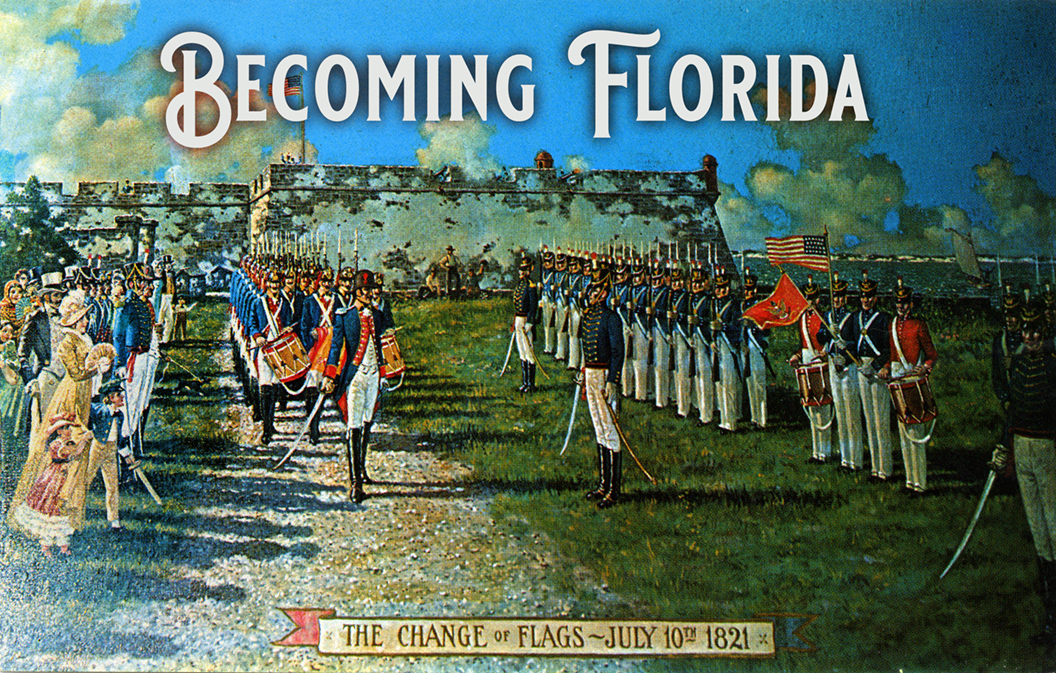
The United States began to exert diplomatic pressure on Spain, arguing for clearer borders and greater security along the frontier. The Adams-Onís Treaty, also known as the Transcontinental Treaty of 1819, was the culmination of these efforts. Negotiated by United States Secretary of State John Quincy Adams and Spanish envoy Luis de Onís y González-Vara, the treaty was a landmark agreement that would fundamentally alter the map of North America.
The Adams-Onís Treaty: A Strategic Land Deal
The Adams-Onís Treaty was a masterful piece of diplomacy that secured Florida for the United States without firing a single shot in a direct conflict with Spain. Under the terms of the treaty, Spain ceded East Florida and West Florida to the United States. In return, the United States agreed to pay $5 million to Spanish citizens who had claims against the Spanish government. More significantly, the treaty also established a clear boundary between American territory and Spanish possessions in the west, running from the Gulf of Mexico along the Sabine River to the Red River, then along the Red River to the 32nd parallel of north latitude, and thence due west to the Pacific Ocean. This latter provision was particularly important as it solidified American claims to vast territories that would later become states like Texas, New Mexico, and California.
The acquisition of Florida was a major victory for the United States, fulfilling a long-held strategic objective. It removed a foreign power from a critical strategic location and opened up immense opportunities for settlement and economic development. The treaty also marked a turning point in the declining power of Spain and the ascendant rise of the United States as a continental power. The ease with which this massive territory was acquired through negotiation highlights the changing balance of power in the early 19th century.
The Transition to American Rule and Early Statehood
Once Florida officially became a United States territory, the process of integrating it into the American system began. This transition was not without its challenges, as the region had a distinct cultural heritage and a complex relationship with its indigenous populations.
Territorial Government and Indigenous Conflicts
Following the ratification of the Adams-Onís Treaty, United States military governors took control of Florida. The establishment of territorial government was a gradual process, marked by efforts to survey land, establish legal systems, and encourage American settlement. However, the transition also brought increased friction with the Seminole tribes who inhabited the region. The Second Seminole War (1835-1842) and the Third Seminole War (1855-1858) were costly and protracted conflicts that arose from United States attempts to relocate the Seminole people to lands west of the Mississippi River. These wars had a profound and tragic impact on the indigenous populations of Florida.
Despite these challenges, American settlement grew, driven by the fertile lands suitable for agriculture, particularly cotton and sugar cane, and the burgeoning timber industry. The strategic importance of Florida‘s ports also attracted significant attention.
Florida’s Path to Statehood
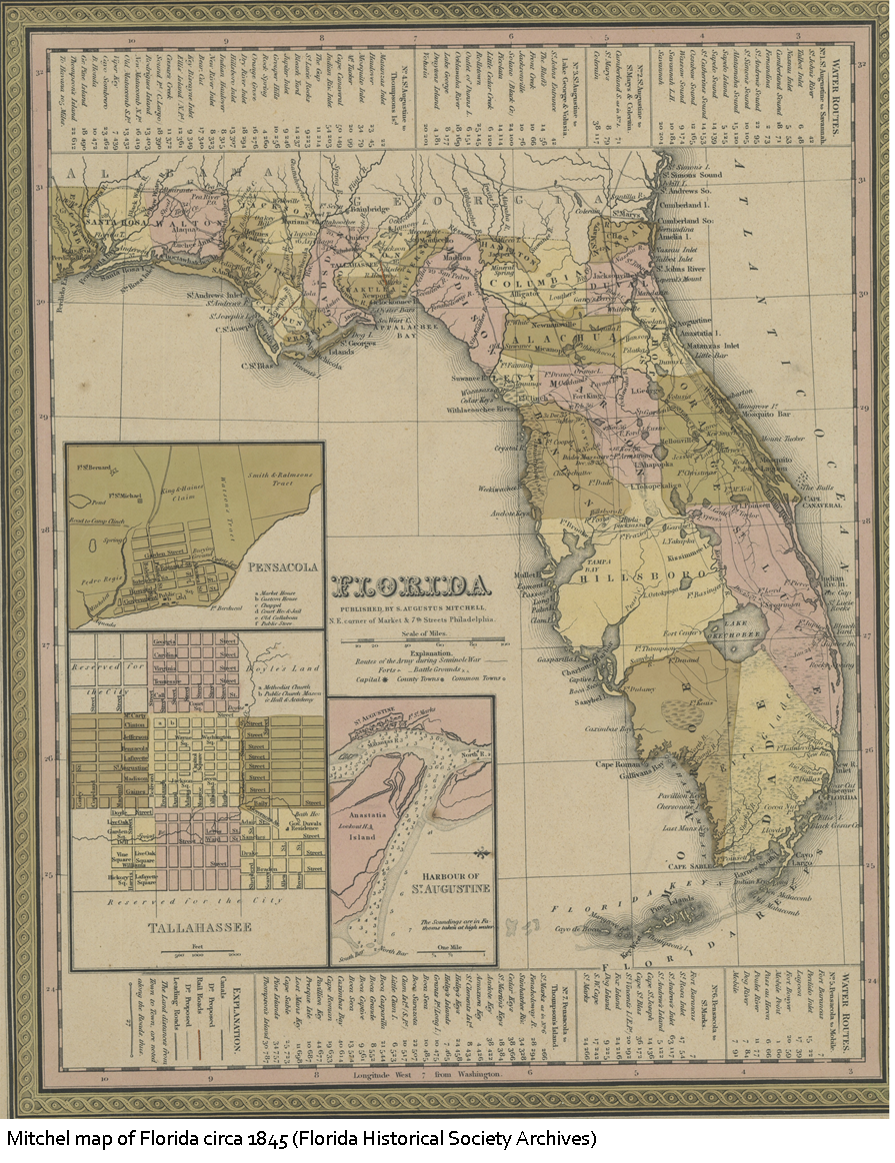
As the population grew and American institutions took root, the call for statehood became increasingly vocal. In 1845, Florida was admitted to the Union as the 27th state, a significant milestone in its history. This transition from a Spanish colony to a United States territory and finally to a state marked the full integration of Florida into the American national fabric. The state’s early years as part of the United States were shaped by its agricultural economy, its strategic military importance, and the ongoing legacies of its colonial past.
The journey of Florida from a distant Spanish claim to a vibrant United States state is a testament to the complex forces of exploration, diplomacy, and national ambition. Today, visitors to Florida can explore the historical sites that bear witness to this remarkable transformation, from the ancient fortifications of St. Augustine to the picturesque landscapes that once inspired Ponce de León. Whether you’re here for the world-class attractions like Walt Disney World Resort or Universal Orlando Resort, the luxurious accommodations of a Miami Beach resort, or the natural beauty of the Everglades National Park, understanding how America got Florida adds a deeper layer of appreciation to your Sunshine State experience. This history is woven into the very fabric of the state, making Florida a destination rich not only in leisure and entertainment but also in compelling historical narratives.
LifeOutOfTheBox is a participant in the Amazon Services LLC Associates Program, an affiliate advertising program designed to provide a means for sites to earn advertising fees by advertising and linking to Amazon.com. Amazon, the Amazon logo, AmazonSupply, and the AmazonSupply logo are trademarks of Amazon.com, Inc. or its affiliates. As an Amazon Associate we earn affiliate commissions from qualifying purchases.