
The story of how the United States acquired Puerto Rico is a pivotal moment in both American and Puerto Rican history, deeply intertwined with global power shifts and territorial ambitions at the turn of the 20th century. While often perceived as a simple conquest, the reality is more nuanced, involving military action, treaty negotiations, and a complex post-war landscape. Understanding this acquisition is crucial for appreciating the island’s current political status and its rich cultural tapestry, a destination that draws countless travelers seeking vibrant experiences and unique attractions.
The Shadow of War: The Spanish-American Conflict
The acquisition of Puerto Rico by the United States was a direct consequence of the Spanish-American War in 1898. This conflict, initially sparked by the sinking of the USS Maine in Havana harbor and fueled by a growing American expansionist sentiment and a desire to liberate Cuba from Spanish rule, quickly broadened in scope. America, eager to assert its burgeoning global power, saw an opportunity to gain strategic territories in both the Caribbean and the Pacific.

The Invasion of Puerto Rico
As the war progressed, American forces shifted their attention to Puerto Rico. On July 25, 1898, Major General Nelson A. Miles landed a contingent of US troops near Guánica, on the island’s southern coast. The invasion was met with some resistance, but the Spanish forces, already weakened and demoralized by the war, were largely overwhelmed. American troops advanced through various towns, including Ponce and Arecibo, encountering both armed opposition and, in some areas, a welcoming population eager for change. The strategic importance of Puerto Rico was clear to the United States. Its location in the Caribbean provided a crucial naval base and a stepping stone to further influence in the region.
The military campaign, though relatively short, had a profound and lasting impact on the island. It marked the end of over 400 years of Spanish colonial rule and the beginning of a new, uncertain era under American administration. For travelers and history enthusiasts, visiting Puerto Rico today offers a chance to explore the landscapes that witnessed these historical events, from the coastal landing sites to the historic forts that once defended Spanish interests. The island’s rich history, interwoven with Spanish and American influences, is palpable in its architecture, culture, and the stories of its people.
The Treaty of Paris and Formal Cession
The military victory of the United States in the Spanish-American War led to peace negotiations, culminating in the signing of the Treaty of Paris on December 10, 1898. This treaty officially ended the war and dictated the terms of territorial transfer. Among its key provisions was the cession of Puerto Rico, along with Cuba and Guam, from Spain to the United States. In return, Spain received a payment of $20 million from the United States for the territories ceded, primarily for the Philippines.
From Colony to Territory

The Treaty of Paris marked the formal transfer of sovereignty. Puerto Rico ceased to be a Spanish colony and became a territory of the United States. This change in governance brought about significant shifts in the island’s administration, economy, and social structure. While Spain had granted varying degrees of autonomy to Puerto Rico in the decades leading up to the war, the American system of governance was initially more centralized and less accommodating of local self-determination.
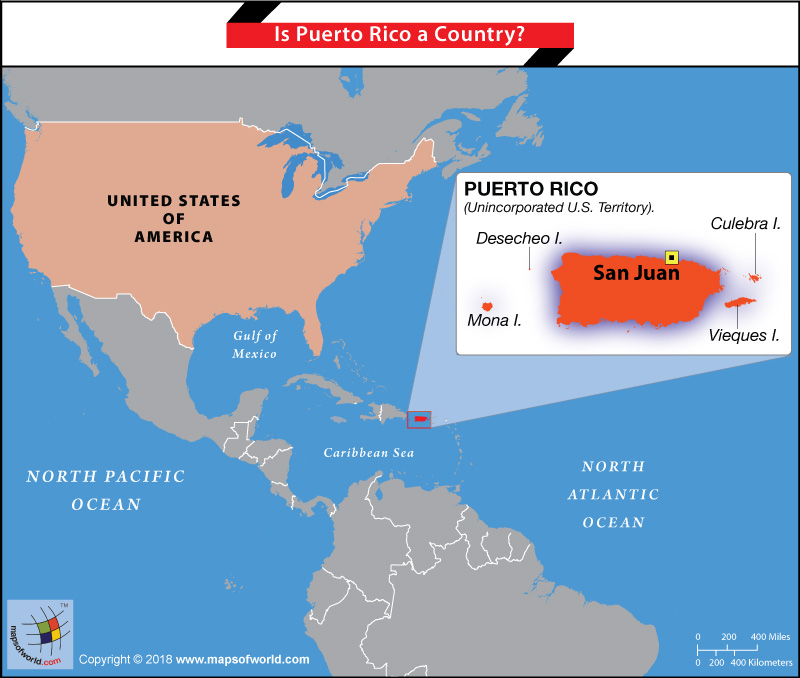
The initial American military government was eventually replaced by a civilian administration. The Foraker Act of 1900 established a framework for civilian government in Puerto Rico, creating a territorial government with a governor appointed by the US president and a unicameral legislature. However, Puerto Ricans were not granted full citizenship rights and had no voting representation in the US Congress. This “unincorporated territory” status, as defined by the Supreme Court in the Insular Cases, meant that the US Constitution did not fully apply to Puerto Rico, and Congress had broad authority over the island’s affairs. This legal and political ambiguity has shaped Puerto Rico’s relationship with the United States ever since and continues to be a central theme in discussions about its future.
For visitors interested in the island’s historical context, exploring the remnants of Spanish architecture and understanding the evolution of American influence provides a deeper appreciation of the nation’s journey. The legacy of this historical transition is visible in the very fabric of Puerto Rican society, from its political discourse to its vibrant cultural expressions.
Life Under American Rule: Evolution and Identity
The nearly 125 years of American administration have been a period of profound change and complex development for Puerto Rico. While the island has experienced significant investments in infrastructure, education, and public health, it has also grappled with economic challenges, political status debates, and a distinct sense of national identity that often diverges from that of the mainland United States.
Economic and Social Transformations
Under American rule, Puerto Rico underwent significant economic transformation. Initially, the island’s economy was heavily reliant on agriculture, particularly sugar cane. The American administration and subsequent economic policies, such as Operation Bootstrap in the mid-20th century, promoted industrialization and manufacturing. This shift brought new jobs and economic opportunities but also led to increased urbanization and a growing reliance on imports.
Socially, American influence brought about changes in education and public services. English became an official language alongside Spanish, and the American educational system was introduced. Puerto Ricans were granted US citizenship in 1917 with the passage of the Jones-Shafroth Act, a move that solidified their connection to the United States but did not grant them the same political rights as citizens residing on the mainland.
The Ongoing Quest for Self-Determination
Despite the changes, the question of Puerto Rico’s political status has remained a central and often contentious issue. The island has experienced various forms of governance, from territorial status to commonwealth status, but the desire for greater autonomy or full statehood has persisted. Multiple plebiscites have been held to gauge the will of the Puerto Rican people regarding their political future, with varying results and ongoing debate about the implications of each outcome.
This complex relationship with the United States has profoundly shaped Puerto Rican identity, fostering a unique blend of Hispanic and American cultural influences. For travelers, this duality is evident in the island’s dynamic culture, its music, its cuisine, and its artistic expressions. From the historic streets of Old San Juan, echoing with centuries of history, to the vibrant nightlife of San Juan, Puerto Rico offers a rich tapestry of experiences that reflect its unique journey from Spanish colony to American territory. Exploring the island’s landmarks, engaging with its local culture, and understanding its historical trajectory allows for a deeper appreciation of this extraordinary destination and its people. Whether one is seeking luxurious resorts, charming villas, or budget-friendly stays, Puerto Rico provides a compelling travel experience rooted in a fascinating and ongoing history.
LifeOutOfTheBox is a participant in the Amazon Services LLC Associates Program, an affiliate advertising program designed to provide a means for sites to earn advertising fees by advertising and linking to Amazon.com. Amazon, the Amazon logo, AmazonSupply, and the AmazonSupply logo are trademarks of Amazon.com, Inc. or its affiliates. As an Amazon Associate we earn affiliate commissions from qualifying purchases.