
The captivating allure of Arizona is undeniable. Known for its breathtaking desert landscapes, vibrant canyons, and rich historical tapestry, it draws millions of visitors each year. From the iconic vistas of the Grand Canyon National Park to the luxurious resorts nestled in Scottsdale, the state offers an unparalleled experience for every traveler. But beyond the stunning scenery and the promise of adventure, there’s a lingering question for many: how did this magnificent state get its name? The answer, like many things in Arizona, is steeped in history and debated by scholars, offering a fascinating glimpse into the region’s past.
The Echoes of Ancient Tongues: Unraveling the Name’s Origins
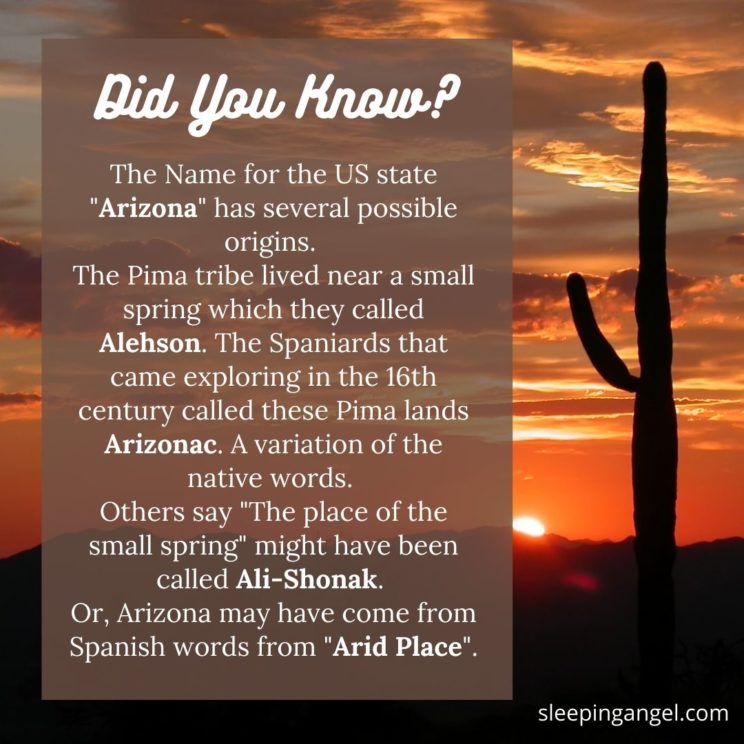
The etymology of “Arizona” is not a straightforward, universally agreed-upon fact. Instead, it’s a puzzle with several compelling pieces, each hinting at a different interpretation of its roots. The most widely accepted theory points towards the O’odham language, a Native American tongue spoken by indigenous peoples of the Sonoran Desert. Within this language, the word “Arizonac” is believed to be the origin, meaning “place of the small spring.” This interpretation resonates with the state’s arid climate, where water sources, even small ones, are of immense value and historically vital for survival.
The “Small Spring” Theory: A Testament to Resilience
The theory that Arizona derives from the O’odham word “Arizonac” suggests a profound connection between the land and its earliest inhabitants. For the O’odham people, the presence of a small spring would have been a lifeline, a focal point for settlement and sustenance in the harsh desert environment. This origin story emphasizes the resilience and resourcefulness of the indigenous populations who thrived in this challenging terrain long before European settlers arrived. The name, therefore, would be a direct descriptor of the geographical realities that shaped life in the region for centuries.
The “Shining Mountain” Hypothesis: A More Poetic Interpretation
Another prominent theory attributes the name to the Basc language, specifically a word that translates to “shining mountain” or “place of the oak trees.” This interpretation evokes a more majestic and visually descriptive origin, hinting at the prominent mountain ranges that characterize Arizona‘s landscape, such as the Superstition Mountains or the Mogollon Rim. The “shining” aspect could refer to the sun’s reflection off the rocky peaks, or perhaps the golden hues of the desert at dawn and dusk. While less commonly cited than the O’odham theory, the “shining mountain” hypothesis offers a poetic and equally plausible explanation for the state’s evocative name.
The Spanish Connection: Misinterpretations and Evolution
Adding another layer of complexity to the name’s origin are the potential influences of the Spanish language. Some scholars suggest that the name might have evolved from Spanish misinterpretations or adaptations of indigenous words. For instance, the Spanish may have heard an O’odham term and transliterated it into their own language, leading to variations over time. The existence of a Spanish town named Arizonac in the Sonora region of Mexico further fuels this line of inquiry, suggesting a possible geographical link and a shared linguistic heritage. This Spanish influence highlights the complex cultural exchanges that took place as different groups explored and settled in the Southwestern United States.
The Naming of a Territory: From Indigenous Roots to Official Designation
Regardless of the precise linguistic origin, the name “Arizona” eventually made its way into official records, primarily through the influence of Spanish explorers and later, American administrators. The region was part of New Spain for centuries, and Spanish cartographers and chroniclers played a significant role in documenting the land and its features. It’s believed that the Spanish adopted and adapted an indigenous term, likely the O’odham “Arizonac” or a similar variant, and applied it to the broader territory.

Early Spanish Encounters and Records
During the Spanish colonial period, explorers and missionaries traversed the vast expanse of what is now Arizona. They encountered various Native American tribes, including the O’odham, and recorded their observations in diaries and reports. It’s within these historical documents that the earliest written references to the name “Arizona” or its precursors can be found. These early accounts, often written in Spanish, suggest a gradual adoption and standardization of the name as Spanish influence grew. The existence of a Spanish settlement or mining district named Arizonac in Sonora further solidifies the connection between the name and Spanish presence in the region.
The Transition to American Territory and Statehood
Following the Mexican-American War in the mid-19th century, Mexico ceded a significant portion of its northern territories to the United States, including what would become Arizona. The Gadsden Purchase in 1854 finalized this territorial transfer. Initially, the Arizona region was part of the New Mexico Territory. However, as settlement and development increased, a strong movement emerged for a separate Arizona Territory. In 1863, Arizona was officially organized as a distinct territory of the United States. The name, already established through Spanish usage and indigenous roots, was retained. This official designation cemented “Arizona” as the name of the new political entity, paving the way for its eventual statehood in 1912.
The Enduring Legacy: A Name Synonymous with Wonder
Today, the name “Arizona” is instantly recognizable, evoking images of sun-drenched landscapes, rugged canyons, and a vibrant cultural heritage. From the bustling streets of Phoenix to the serene beauty of the Sedona red rocks, the state offers a diverse range of attractions that appeal to every type of traveler. Whether you’re seeking adventure in the great outdoors, exploring ancient ruins, or indulging in the luxurious amenities of a world-class resort, Arizona promises an unforgettable experience.
Arizona’s Iconic Attractions and Experiences
The allure of Arizona lies in its diverse array of attractions. The Grand Canyon National Park, a UNESCO World Heritage Site, is an absolute must-see. Visitors can hike along its rim, venture into its depths on mule rides, or simply marvel at its immense scale and geological grandeur. Beyond the Grand Canyon, Arizona boasts other natural wonders like Antelope Canyon, with its swirling sandstone walls sculpted by water and wind, and Monument Valley Navajo Tribal Park, a quintessential American West landscape of towering sandstone buttes. For those interested in history and culture, the ancient cliff dwellings of Mesa Verde National Park (though technically in Colorado, the influence and access are significant for Arizona visitors) and the pueblo ruins scattered throughout the state offer a glimpse into the lives of ancient civilizations. The vibrant city of Sedona is renowned for its spiritual vortexes and stunning red rock formations, attracting visitors seeking both natural beauty and a sense of tranquility.
The Hospitality Scene: From Luxury Resorts to Unique Stays
Arizona has a thriving hospitality industry that caters to a wide range of preferences and budgets. Luxury resorts in Scottsdale offer world-class spa treatments, championship golf courses, and fine dining, making it a premier destination for those seeking indulgence. For families, there are numerous kid-friendly resorts and accommodations with swimming pools and entertainment options. Budget travelers can find comfortable and affordable hotels and motels, particularly in smaller towns and along major travel routes. For a more immersive experience, consider a stay in a boutique hotel, a charming bed and breakfast, or even a unique glamping experience under the Arizona stars. The state also offers a variety of vacation rentals, from cozy cabins in the mountains to spacious villas in the desert, perfect for longer stays or group travel.

Embracing the Arizona Lifestyle: Culture, Cuisine, and Adventure
The “Arizona lifestyle” is characterized by an appreciation for the outdoors, a rich cultural tapestry, and a burgeoning culinary scene. Outdoor enthusiasts can explore the state’s vast network of hiking trails, go rock climbing, or enjoy scenic drives. The state’s culinary landscape is a delightful fusion of Native American, Mexican, and American influences, with popular dishes including green chili stew, chimichangas, and Sonoran-style hot dogs. Don’t miss the opportunity to sample local wines from Arizona‘s growing wine regions or experience the vibrant craft beer scene. The warmth of the Arizona sun and the friendly disposition of its people contribute to an inviting atmosphere that encourages exploration and relaxation, making every visit a truly memorable journey. The name “Arizona,” whether rooted in a “small spring” or a “shining mountain,” has come to represent a land of immense beauty, enduring history, and endless possibilities for discovery.
LifeOutOfTheBox is a participant in the Amazon Services LLC Associates Program, an affiliate advertising program designed to provide a means for sites to earn advertising fees by advertising and linking to Amazon.com. Amazon, the Amazon logo, AmazonSupply, and the AmazonSupply logo are trademarks of Amazon.com, Inc. or its affiliates. As an Amazon Associate we earn affiliate commissions from qualifying purchases.