
Florida, a shimmering jewel in the United States known for its sun-drenched beaches, vibrant cities, and unparalleled natural beauty, beckons millions of travelers each year. From the magical theme parks of Orlando to the historic charm of Key West, the Sunshine State offers an eclectic mix of destinations and experiences. However, beneath the surface of this idyllic travel brochure lies a captivating, albeit troubling, narrative involving an unexpected immigrant: the Burmese Python. These formidable reptiles, native to the distant lands of Southeast Asia, have become an integral, and often problematic, part of Florida‘s modern ecological landscape. Understanding how these colossal snakes arrived in the state is not just a biological inquiry; it’s a story intertwined with human ambition, lifestyle choices, and the complex dynamics of global travel and trade.

The journey of the Burmese Python to the subtropical wetlands of Florida is a fascinating case study in unintended consequences, directly linked to the exotic pet trade and human interaction with wildlife. For centuries, humans have been captivated by the allure of exotic species, a fascination that often transcends borders and cultural norms. This inherent curiosity, coupled with the burgeoning global travel industry and improved logistics, paved the way for animals from far-flung corners of the world to find their way into private collections across North America. The pythons were initially brought over not as invasive threats, but as captivating, albeit challenging, pets for enthusiasts seeking a unique lifestyle choice.
A Traveler’s Tale Gone Awry: The Pet Trade Connection
The most widely accepted explanation for the establishment of Burmese Pythons in Florida centers squarely on the exotic pet trade. Before stricter regulations were implemented, these majestic snakes were readily available at pet stores, reptile shows, and even through online marketplaces. Their docile nature as juveniles, combined with their striking patterns and impressive size potential, made them highly desirable for hobbyists. Owning an exotic pet, particularly something as impressive as a large python, became a distinct lifestyle statement, a way for individuals to connect with the wild within the confines of their homes. This niche aspect of the pet market inadvertently set the stage for one of Florida’s most pressing ecological challenges.
Exotic Pets and Unintended Destinations
Travel, in its broadest sense, isn’t just about human movement; it also facilitates the translocation of goods, ideas, and, unfortunately, species. The journey of a Burmese Python from its native habitat in countries like Myanmar, Thailand, or Vietnam to a suburban home in Miami involved a complex network of capture, shipping, and distribution. These animals, often transported under less than ideal conditions, represented a lucrative market for dealers catering to the demand for exotic pets in Western countries. Initially, these pythons were fascinating additions to private collections, symbols of a particular adventurous lifestyle. Owners prided themselves on housing and caring for these magnificent creatures, often investing significantly in specialized accommodation, heating, and feeding regimens.
However, the allure often faded as the pythons grew. A juvenile python, small and manageable, quickly transforms into a powerful, several-meter-long predator requiring substantial space, large prey, and dedicated care. What started as an exciting hobby could quickly become an overwhelming commitment. This reality, coupled with the long lifespan of these snakes, meant that many owners faced a dilemma when their beloved pet outgrew its welcome or became too difficult to manage. It’s easy to envision a scenario where a family, perhaps relocating for work or facing financial hardship, found their exotic pet to be an insurmountable burden, leading them to search for alternatives to rehoming.
From Suburban Homes to Subtropical Swamps
The transition of Burmese Pythons from domestic pets to wild invaders happened primarily through two channels: accidental escape and intentional release. Accidental escapes are surprisingly common with powerful and intelligent animals. A momentary lapse in securing an enclosure, a strong python exploiting a weakness in its cage, or damage to a home during a hurricane could all lead to a snake slipping into the unfamiliar outdoors. Given Florida’s humid, subtropical climate, which closely mimics their native Asian habitats, these escaped individuals found an environment perfectly suited for survival and reproduction.
Intentional releases, however, represent a more problematic aspect of human behavior. Faced with an unmanageable pet, some owners, perhaps mistakenly believing they were doing the humane thing, released their pythons into the wild. They might have imagined these creatures thriving in Florida’s vast wilderness, unaware of the devastating impact they would have on the delicate local ecosystem. This decision, often made without malice but certainly without foresight, was particularly prevalent in areas bordering the Everglades, providing a direct pathway for the snakes into one of the world’s most unique natural landmarks. The proximity of bustling urban centers like Miami and Fort Lauderdale to the wild expanse of the Everglades National Park created a perfect storm for the pythons’ invasion. This initial establishment laid the groundwork for a burgeoning population, transforming a traveler’s curious pet into an ecological crisis.
Florida’s Uninvited Guests: Impact on a Tourist Paradise
The Burmese Python population boom in Florida has introduced a profound ecological imbalance, significantly altering the very natural landscapes that draw tourists from around the globe. When travelers plan their trips to South Florida, they often envision airboat tours through the Everglades, birdwatching in pristine preserves, and encounters with iconic native wildlife like alligators and panthers. The presence of a voracious apex predator, entirely new to this ecosystem, casts a long shadow over these quintessential Florida experiences, challenging the perception of this region as an untouched natural paradise and impacting its tourism appeal.

The Everglades at a Crossroads
The Everglades National Park is not merely a park; it’s a UNESCO World Heritage Site, an International Biosphere Reserve, and a Wetland of International Importance. This vast wetland ecosystem, often called the “River of Grass,” is a mosaic of sawgrass marshes, cypress swamps, and mangrove forests, supporting an incredible diversity of life. It is Florida’s definitive natural landmark, a magnet for eco-tourists, researchers, and anyone seeking to experience truly wild Florida. However, the Everglades has become the epicenter of the python invasion. The warm, wet conditions and abundant prey make it an ideal habitat for these large constrictors to thrive, reproduce, and spread.
The impact of the pythons on this vital landmark is catastrophic. Studies have shown dramatic declines in native mammal populations within the Everglades, with some species, like raccoons, opossums, and bobcats, experiencing population drops of over 90% in areas where pythons are well-established. Even deer and alligators, once thought too large to be prey, have been found in the stomachs of particularly large pythons. This drastic reduction in native prey disrupts the entire food web, potentially affecting other predators and scavenger species. For tourists hoping to glimpse the rich biodiversity of the Everglades, the diminished wildlife viewing opportunities can detract from the overall experience, subtly altering the perceived value of this globally significant attraction.
A Threat to Local Wildlife and Eco-Tourism
Beyond the Everglades themselves, the unchecked proliferation of Burmese Pythons poses a significant threat to Florida’s broader biodiversity and its thriving eco-tourism industry. Many destinations in South Florida, from the coastal preserves near Naples to the wild spaces adjacent to Big Cypress National Preserve, rely on the appeal of their native flora and fauna. Birdwatching, kayaking through mangroves, and guided wildlife tours are popular activities that attract a specific demographic of travelers interested in nature and conservation.
When these native species are under threat, or their populations decline, the appeal of these tourism experiences can wane. Imagine a birder traveling thousands of miles to see endemic wading birds, only to find their populations decimated by an invasive predator. The reputation of Florida as a nature lover’s paradise, a place where unique ecosystems flourish, could be at stake. While the pythons themselves are not typically aggressive towards humans and pose little direct threat to the average tourist staying in a South Florida hotel, their ecological footprint indirectly impacts the overall tourism experience and the long-term sustainability of the region’s natural attractions. The exotic, once-novel “accommodation” of a python in a private home has metastasized into an unwelcomed squatter in the ecosystem’s most treasured rooms.
Lifestyle Shifts and Conservation Efforts in the Sunshine State
The unexpected arrival and establishment of Burmese Pythons in Florida have led to profound lifestyle shifts for residents and an evolving approach to conservation within the state’s tourism sector. No longer just a biological curiosity, the python problem has spurred unique human responses, creating new ‘lifestyles’ centered around mitigation and adaptation. These efforts range from highly organized state-sponsored hunts to local community initiatives, demonstrating a blend of environmental responsibility and a distinctly Floridian resilience. This challenge has also shaped how the state promotes its natural wonders, incorporating themes of conservation into the broader travel narrative, urging visitors to not only enjoy but also understand and contribute to protecting its unique ecosystems.
The Unique Lifestyle of Python Hunters
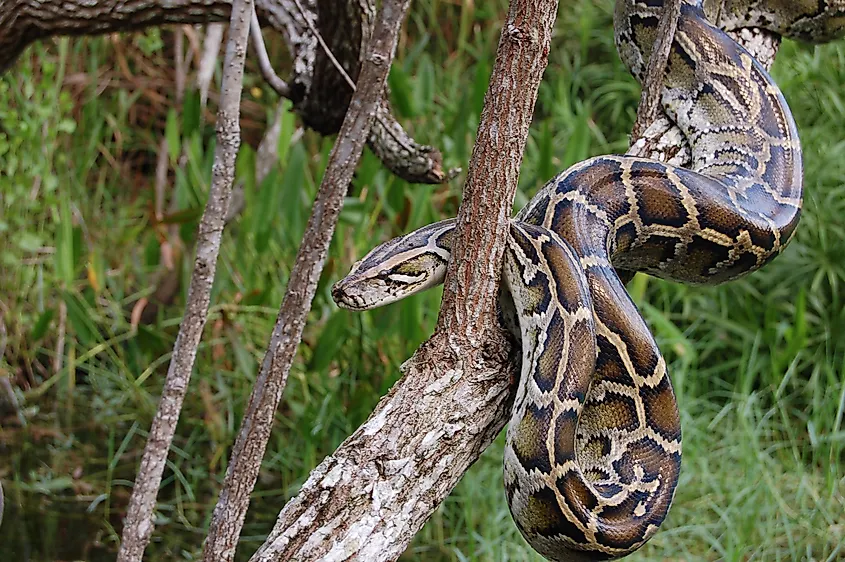
Perhaps one of the most striking lifestyle adaptations in response to the python invasion is the emergence of the dedicated python hunter. What began as a desperate plea from conservation agencies has evolved into a unique and demanding pursuit, attracting a diverse group of individuals. These are not merely casual outdoors enthusiasts; many are highly skilled individuals who commit significant time and resources to tracking and removing pythons from the Everglades and surrounding areas. The Florida Fish and Wildlife Conservation Commission (FWC) sponsors annual events like the Python Challenge, turning a grim necessity into a competitive, high-profile endeavor.
The lifestyle of a python hunter is far removed from the typical tourist’s itinerary. It involves traversing treacherous terrain, often at night, battling mosquitoes and heat, and developing an intimate understanding of the Everglades ecosystem. For some, it’s a part-time job or a passionate hobby; for others, it’s a deeply ingrained commitment to protecting their home state’s natural heritage. This extreme form of “eco-tourism,” where the objective is removal rather than observation, has even attracted global attention, with documentaries and news features showcasing the challenging lives of these frontline conservationists. These hunters, often staying in rustic accommodations or camping deep within the preserves, embody a gritty, hands-on approach to environmental stewardship, offering a powerful contrast to the luxury resorts and pristine beaches that usually define Florida tourism.
Engaging with Florida’s Future: Tourism and Coexistence
The python issue, while a significant environmental challenge, also presents an opportunity for Florida to engage tourists more deeply with its conservation efforts. Modern travelers, especially those in the luxury travel and eco-tourism segments, increasingly seek authentic experiences that offer insight into local challenges and provide opportunities for meaningful contribution. Resorts and hotels near natural landmarks like the Everglades could integrate educational programs about invasive species, offering guests a chance to learn about the pythons’ impact and the ongoing efforts to manage them. Tour operators could even offer “conservation tourism” packages, allowing visitors to indirectly support python removal efforts through their participation, perhaps by visiting educational centers or supporting organizations like the Audubon Society or the World Wildlife Fund that are involved in habitat restoration.
This approach transforms a seemingly negative aspect into a compelling narrative for conscious travelers. Instead of merely being aware of the problem, visitors could become part of the solution, fostering a sense of ownership and connection to Florida’s unique ecological battles. For instance, an eco-lodge might partner with local guides who are also python hunters, offering insights into their work while still providing a comfortable and immersive accommodation experience. By framing the python story not just as a crisis but as a testament to human resilience and environmental dedication, Florida can continue to attract visitors who value both leisure and learning. The journey of the Burmese Python to Florida is a complex one, a cautionary tale born from the global pet trade, but it has also forged new paths in conservation, redefined certain lifestyles, and challenged the state’s tourism industry to adapt and educate, ensuring that the Sunshine State’s natural beauty remains a draw for generations to come.
LifeOutOfTheBox is a participant in the Amazon Services LLC Associates Program, an affiliate advertising program designed to provide a means for sites to earn advertising fees by advertising and linking to Amazon.com. Amazon, the Amazon logo, AmazonSupply, and the AmazonSupply logo are trademarks of Amazon.com, Inc. or its affiliates. As an Amazon Associate we earn affiliate commissions from qualifying purchases.