
California, a land of unparalleled natural beauty, vibrant culture, and innovative spirit, attracts millions of travelers each year to its diverse landscapes—from sun-drenched beaches and iconic cities to majestic mountains and ancient forests. Yet, beneath this allure lies a formidable challenge: wildfires. These blazes, while a natural, albeit intense, part of the state’s ecosystem, have escalated in frequency and destructiveness, carving a complex narrative of loss, resilience, and adaptation. Understanding how these fires start is not merely an academic exercise; it is crucial for residents, policymakers, and especially for the robust travel and tourism industry that underpins much of California’s economy. This article delves into the intricate origins of California’s wildfires, exploring both natural phenomena and the significant human footprint, and examining their profound impact on travel, accommodation, local culture, and the very lifestyle of those who cherish this golden state.
The Dual Nature of Ignition: Natural vs. Human Factors
The genesis of a wildfire in California is often a story of complex interactions between the environment and human activity. While natural causes have always been a component of the state’s fire regime, human actions have increasingly become the predominant instigator, amplifying the scale and devastation of these events.
Nature’s Spark: Lightning and Climate Change
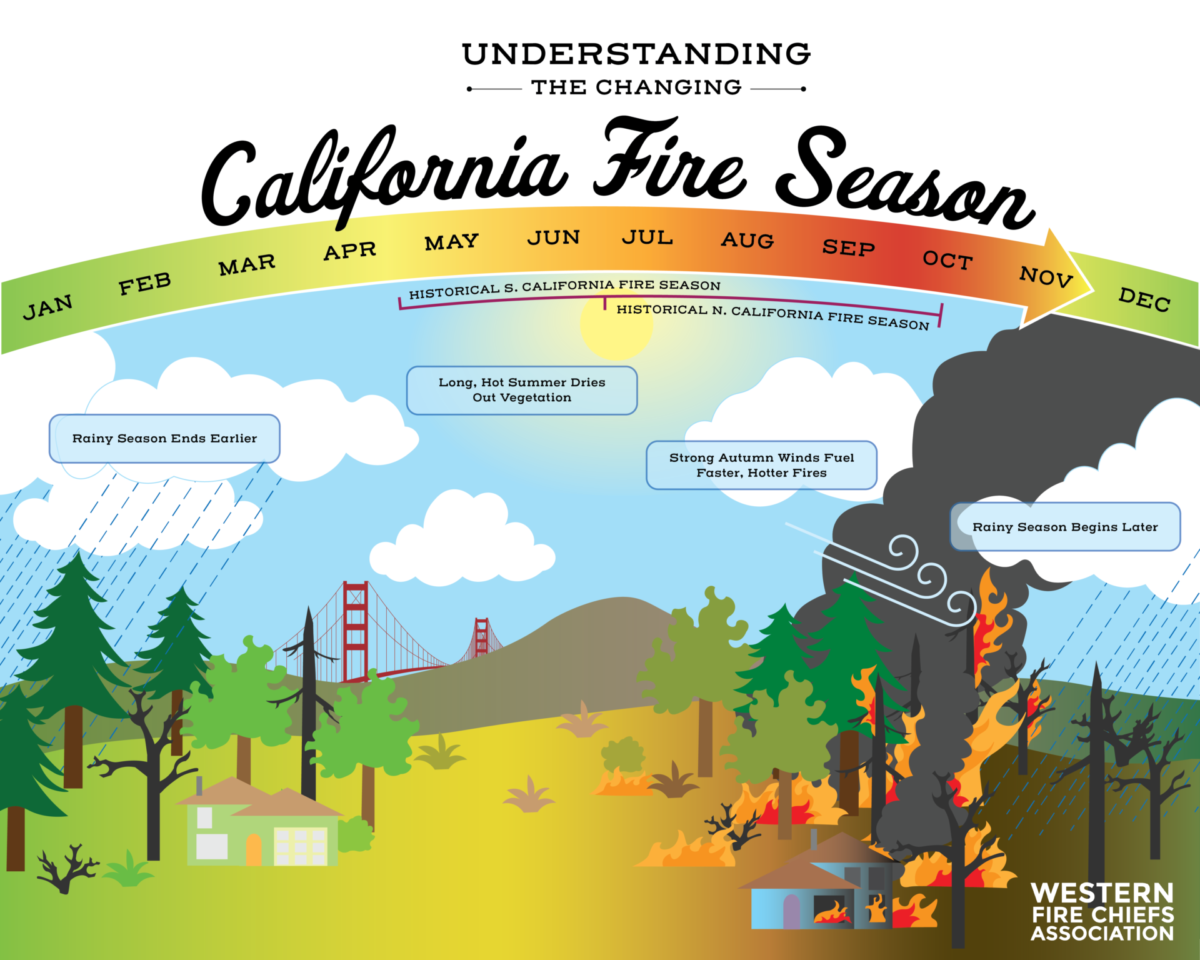
Historically, lightning strikes have been the primary natural cause of wildfires, especially in the more remote and rugged terrain of California’s mountain ranges. These strikes can ignite dry vegetation, particularly during the late summer and early fall when conditions are often at their most arid. Fires sparked by lightning often occur in inaccessible areas, making early detection and suppression challenging for agencies like CAL FIRE and the U.S. Forest Service. While natural, the destructive potential of these fires has been exacerbated by the changing climate.
Global climate change has introduced a new layer of complexity to California’s fire narrative. Prolonged and more severe droughts, coupled with warmer ambient temperatures, create an environment ripe for ignition and rapid spread. Forests and chaparral brush, typically resilient, become parched, turning into vast expanses of highly combustible “fuel.” This increased fuel load means that when a fire does start, whether by natural lightning or human error, it can escalate into a megafire with unprecedented speed and intensity. The iconic natural landmarks of California, such as Yosemite National Park, Sequoia National Park, and Kings Canyon National Park, which draw millions of visitors annually, have faced direct threats and suffered significant ecological damage from these increasingly intense natural blazes, highlighting the profound connection between environmental health and tourism.
Human Footprints: The Prevailing Causes
Despite the dramatic power of lightning, statistics consistently show that the overwhelming majority—often over 90%—of wildfires in California are ignited by human activity. These ignitions range from deliberate acts to tragic accidents, each contributing to the annual devastation.
One of the most significant human-caused factors involves utility infrastructure. Downed power lines, faulty transformers, or sparks from electrical equipment, particularly when coupled with high winds such as the notorious Santa Ana winds in Southern California or Diablo winds in Northern California, can easily ignite dry vegetation. Utility companies, notably Pacific Gas and Electric Company (PG&E) in Northern California and Southern California Edison (SCE) in the south, have faced intense scrutiny and legal repercussions for fires attributed to their equipment. The scale of these utility-caused fires has led to significant investments in grid hardening, undergrounding power lines, and implementing Public Safety Power Shutoffs (PSPS) during high fire danger, all of which impact daily life and the tourism experience.
Beyond utility infrastructure, numerous other human actions contribute to fire ignitions:
- Arson: Deliberate acts of setting fires, motivated by various reasons, account for a portion of wildfires. These acts are particularly challenging to prevent and often lead to widespread devastation.
- Campfires and Recreational Activities: Unattended campfires, improperly extinguished coals, discarded cigarettes, fireworks, and sparks from off-road vehicles or recreational equipment are common culprits. As more people seek outdoor experiences in California’s stunning natural parks and wilderness areas, the risk of accidental ignition increases.
- Equipment Use: Sparks from construction equipment, agricultural machinery, lawnmowers, or even vehicle exhaust pipes traveling over dry grass can easily start a fire. Welding, grinding, and other industrial activities conducted near combustible vegetation also pose a significant risk.
- Debris Burning: The practice of burning yard waste or agricultural debris, if not properly managed or if conditions are too windy and dry, can quickly escape containment and become a wildfire.
- Target Shooting: Spent ammunition or sparks from shooting targets can ignite dry brush, particularly in rural or semi-rural areas frequented by recreational shooters.
The prevalence of human-caused fires underscores the critical need for public awareness, responsible behavior, and stringent regulations. For travelers visiting California, understanding and adhering to local fire restrictions, especially during fire season, is not just a recommendation but a vital contribution to preserving the state’s natural beauty and safety.
Wildfires’ Ripple Effect: Tourism, Accommodation, and Landmarks
The profound impact of wildfires extends far beyond immediate destruction, reverberating through California’s tourism industry, challenging accommodation providers, and altering the very fabric of its cherished landmarks and visitor experiences.
Impact on Travel Destinations and Tourist Experiences
Wildfires disrupt travel plans on a massive scale. Major road closures, like sections of the scenic Pacific Coast Highway (Highway 1), or routes leading into popular regions such as Lake Tahoe or Yosemite, can completely reroute or cancel trips. Evacuation orders in tourist hotspots, from the coastal luxury of Malibu to the historic charm of Santa Barbara or the vineyards of Napa Valley and Sonoma County, force visitors to evacuate, often abandoning pre-paid accommodations and planned activities.
Beyond physical destruction, wildfire smoke can blanket vast areas, including major metropolitan centers like the San Francisco Bay Area and Los Angeles. The resulting poor air quality deters visitors, especially those with respiratory conditions, and obscures the breathtaking views that California is famous for. A smoky haze over the Golden Gate Bridge or the Hollywood Hills fundamentally alters the tourist experience.
The loss of natural attractions is perhaps the most devastating long-term impact. Forests, hiking trails, and scenic viewpoints can be severely damaged or destroyed, impacting the very essence of nature-based tourism. For instance, sections of Redwood National Park or other state parks may take decades to recover, if they ever fully do. This damage not only diminishes the natural heritage but also reduces opportunities for outdoor recreational activities that are central to many California itineraries. The economic downturn following a major fire is significant, as local businesses, tour operators, guides, and artisans, who rely heavily on tourist dollars, face substantial revenue losses.
The Strain on Hotels and Accommodation
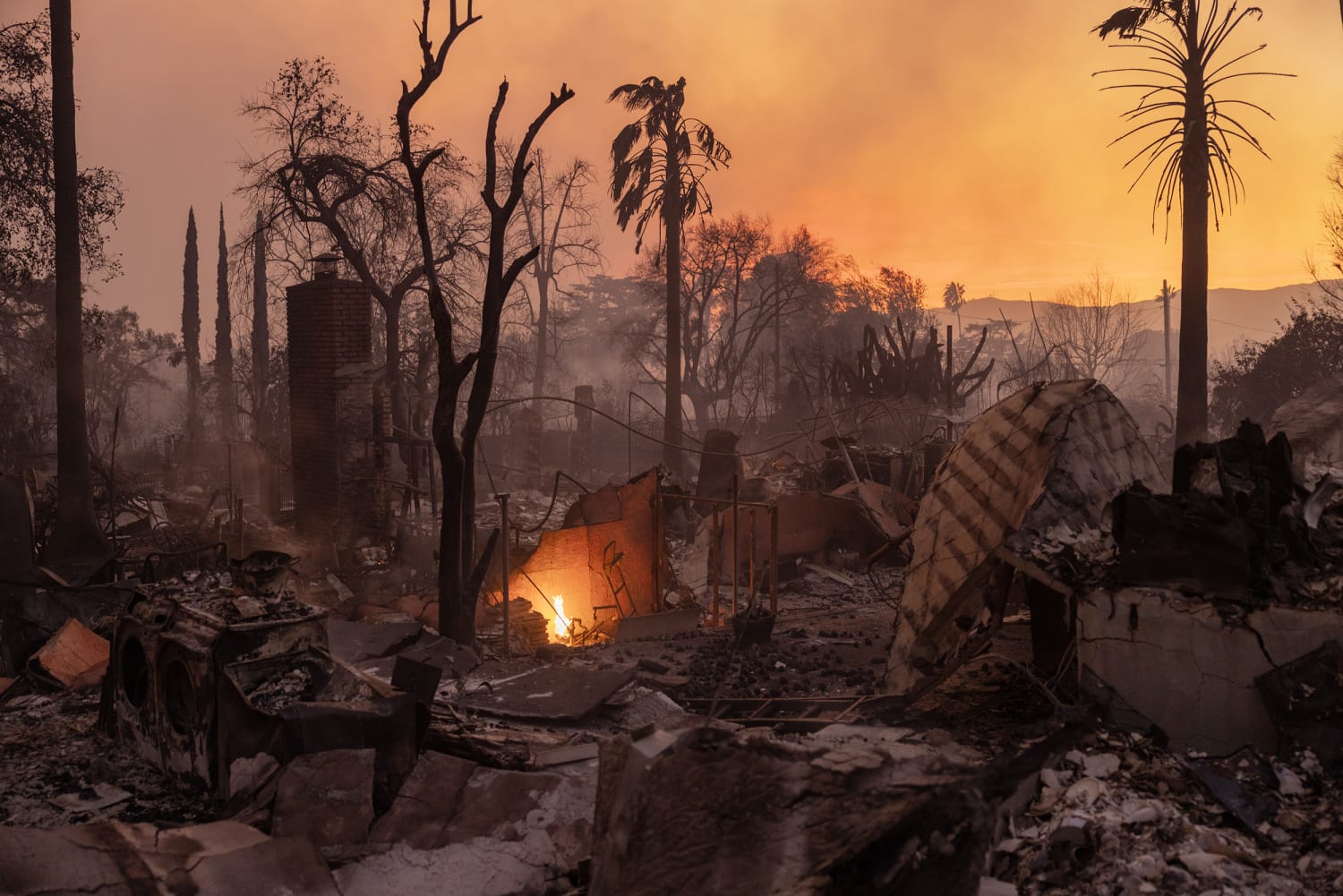
The accommodation sector bears a direct and often immediate brunt of wildfire events. Hotels, resorts, and vacation rentals in areas under evacuation orders are forced to close, leading to widespread booking cancellations and significant financial losses. Luxury resorts in areas like Big Sur or exclusive villas in Palm Springs, while perhaps not directly engulfed by flames, can be rendered inaccessible or undesirable due to proximity to fires or smoke.
Conversely, some hotels play a crucial role in disaster relief, serving as temporary shelters for evacuees, firefighters, and emergency personnel. While this provides some occupancy, it often comes with operational challenges and a departure from standard hospitality services. For longer-term recovery, properties that suffer direct damage face arduous and costly rebuilding processes, affecting local employment and the availability of rooms for years. The perception of fire risk can also influence future booking decisions, with travelers potentially prioritizing destinations or accommodations perceived as safer or more prepared.
In response, many hotels and resorts in fire-prone areas are investing in enhanced fire-resistant landscaping, building materials, and robust emergency plans. From five-star boutique hotels in Wine Country to family-friendly resorts near Disneyland (which could be affected by smoke), preparedness has become a key amenity and a vital component of ensuring guest safety and business continuity.
Towards Resilience and Responsible Lifestyle: Prevention and Preparedness
Addressing the wildfire crisis in California requires a multi-faceted approach, encompassing proactive forest management, advanced mitigation strategies, and fundamental shifts in public awareness and individual lifestyle choices. For a state so deeply reliant on its natural beauty for tourism and quality of life, these measures are not optional but essential for long-term sustainability.
Forest Management and Mitigation Strategies
Aggressive and intelligent forest management is critical to reducing fuel loads and preventing small ignitions from escalating into uncontrollable megafires. Practices such as controlled burns, where prescribed fires are intentionally set under careful conditions, help clear out accumulated dead vegetation, underbrush, and smaller trees that act as ladder fuels. This significantly reduces the intensity of future wildfires. Mechanical thinning, another key strategy, involves removing excess vegetation to create healthier, more resilient forests.
Creating “defensible space” around homes and communities is a crucial mitigation strategy. This involves removing flammable materials and vegetation within a certain radius of structures, effectively creating a buffer zone that can slow or stop an advancing fire. Initiatives like Firewise USA empower communities to work together on these protective measures.
Technological advancements also play a pivotal role. Early detection systems, including networks of high-definition cameras equipped with artificial intelligence, allow fire agencies to spot ignitions rapidly, enabling quicker response times. Enhanced weather forecasting models, particularly for wind events, help predict high-risk areas and inform strategic deployment of resources. Government agencies like CAL FIRE, the U.S. Forest Service, and local fire departments are continuously refining their strategies, investing in new equipment, and coordinating efforts across jurisdictional lines to improve overall fire suppression capabilities.
Travel Tips and Lifestyle Adjustments in Fire Season
For both residents and visitors, adapting to California’s fire season—typically from late spring through late fall—is a necessary lifestyle adjustment. Responsible tourism and daily living can significantly reduce human-caused ignitions and enhance safety.
Before You Travel:
- Check Conditions: Always consult official sources like the CAL FIRE’s incident page, the National Weather Service, or local county emergency services websites for current fire conditions, air quality alerts, and road closures in your intended destination.
- Understand Restrictions: Be aware of any campfire bans, fire restrictions, or public land closures in effect, especially when planning camping trips or visits to national and state parks.
- Flexibility is Key: Have alternative plans. If your primary destination is affected by fire or smoke, be prepared to adjust your itinerary. Many travel insurance policies now offer options for wildfire-related disruptions.
- Accommodation Safety: When booking accommodation, particularly apartments or villas in rural or semi-rural areas, inquire about their fire preparedness and evacuation plans.
During Your Stay:
- Practice Fire Safety: Exercise extreme caution with any heat source. Never discard cigarettes, use fireworks, or leave campfires unattended. Use designated fire rings and ensure fires are completely out before leaving.
- Stay Informed: Monitor local news and weather reports. Sign up for emergency alerts if available in your area.
- Know Your Routes: Be aware of evacuation routes from your accommodation and destination areas.
- Report Suspicious Activity: If you see smoke or any signs of fire, report it immediately to emergency services.
Beyond immediate safety, supporting affected communities once areas are deemed safe to visit is a powerful way to contribute to recovery. Choosing local businesses, staying in local hotels, and engaging with local culture helps these regions rebuild their economies and spirits.
Long-term lifestyle changes in California also include embracing drought-resistant landscaping, adopting fire-safe building codes for new construction and renovations, and participating in community-wide preparedness initiatives. These collective efforts foster a culture of resilience, allowing residents and visitors to continue enjoying the wonders of the state despite the ongoing challenges of wildfire.
Conclusion
The question “How Did Fire Start In California?” reveals a complex interplay of natural forces, a changing climate, and, predominantly, human activity. From the raw power of lightning to the accidental spark from a faulty power line or an improperly extinguished campfire, the origins are multifaceted. The ripple effects on California’s tourism, accommodation, and iconic landmarks are undeniable, transforming the travel experience and demanding a heightened sense of awareness and responsibility from everyone.
Despite the formidable challenges, California’s enduring spirit of innovation and resilience shines through. Through strategic forest management, advanced detection technologies, stringent regulations, and a growing commitment to public education and preparedness, the state is continually adapting. For travelers, understanding the realities of wildfires and embracing responsible practices is not just about personal safety; it’s about contributing to the preservation of this magnificent destination for future generations. California remains a vibrant and captivating place to explore, a testament to its beauty, its people’s tenacity, and its ongoing journey to coexist with nature’s most powerful forces.
LifeOutOfTheBox is a participant in the Amazon Services LLC Associates Program, an affiliate advertising program designed to provide a means for sites to earn advertising fees by advertising and linking to Amazon.com. Amazon, the Amazon logo, AmazonSupply, and the AmazonSupply logo are trademarks of Amazon.com, Inc. or its affiliates. As an Amazon Associate we earn affiliate commissions from qualifying purchases.