
Florida, a state synonymous with sunshine, sandy beaches, and vibrant tourism, carries a nickname that is as evocative as its landscapes: “The Sunshine State.” This moniker, deeply ingrained in the American consciousness, not only describes its famously pleasant climate but also encapsulates the essence of its appeal to millions of visitors annually. While the casual observer might assume this nickname is a straightforward nod to its weather, the story behind it is a fascinating intersection of history, marketing, and a touch of serendipity, deeply tied to the state’s rise as a premier tourist destination. Understanding its origin provides a richer appreciation for the narrative that has been woven around Florida for over a century, shaping its identity and attracting visitors from across the globe.
The Genesis of a Sunny Identity
The attribution of “The Sunshine State” to Florida is not a modern invention; its roots stretch back to the early 20th century, a period when the state was actively seeking to establish itself as a desirable place to visit and live. This era saw a burgeoning interest in leisure travel, and Florida, with its mild winters and abundant natural beauty, was perfectly positioned to capitalize on this trend. The nickname emerged organically from the state’s inherent characteristics and its proactive efforts to promote itself to a wider audience.
Early Perceptions and Climate
Long before it became a formal nickname, Florida was recognized for its perpetually warm weather. Spanish explorers, arriving in the 16th century, encountered the peninsula during the Easter season, which they called “Pascua Florida,” meaning “Feast of Flowers.” This early association with a blooming, pleasant season laid a subtle groundwork for the future. However, it was the late 19th and early 20th centuries that truly cemented Florida’s image as a haven from the harsh northern winters. As railroads like the Florida East Coast Railway and the Seaboard Air Line Railroad expanded southward, they opened up the state to tourism. Travelers, weary of snow and ice, found solace in Florida’s mild temperatures, abundant sunshine, and blossoming flora, particularly around cities like St. Augustine and later, the growing resort towns of Palm Beach and Miami. The contrast between the frigid north and the balmy south was stark and appealing, making “sunshine” a natural descriptor.
Promotional Efforts and Early Marketing
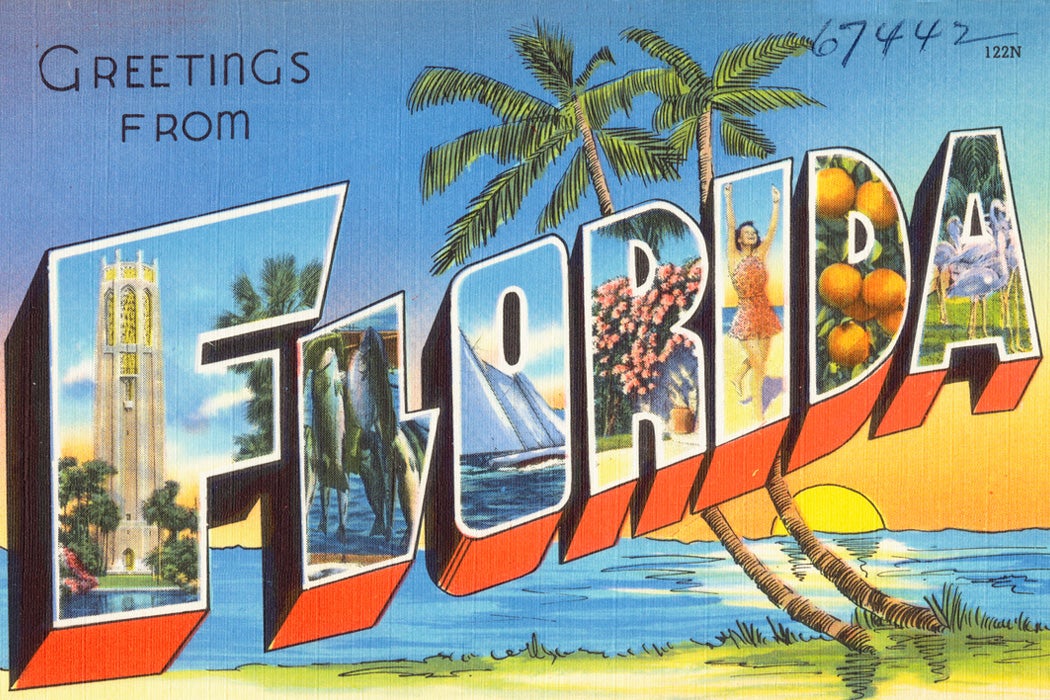
The formal adoption and widespread use of “The Sunshine State” as Florida’s official nickname were significantly influenced by organized promotional campaigns. As tourism became a vital economic engine, state and local chambers of commerce, along with railroad companies, actively marketed Florida’s advantages. These campaigns often highlighted the state’s temperate climate, its beautiful beaches, and its vibrant citrus groves, all under the banner of its consistent sunshine.
The idea of a distinct nickname began to gain traction in the early 1900s. While pinpointing the single individual or event that coined the phrase is difficult, the spirit of the nickname was certainly being cultivated. Early advertisements and travel brochures frequently referred to Florida as the “Land of Sunshine” or a similar variation. These informal descriptors gradually coalesced into the more formal “The Sunshine State.” It was a clever and effective marketing strategy, as the name itself was aspirational and immediately conveyed a sense of warmth, relaxation, and escape – key elements of the tourist experience.
The Road to Official Recognition
The journey from a popular descriptive phrase to an officially recognized state nickname involved several milestones, demonstrating the growing importance of this appellation in shaping Florida’s public image. This process was driven by a desire to create a unified and memorable identity for the state in the competitive tourism market.
The Role of Competitions and Endorsements
The early 20th century was an era when many states were solidifying their identities through official symbols and nicknames. For Florida, “The Sunshine State” resonated deeply with its existing reputation and its aspirational goals. While it’s challenging to pinpoint the exact moment it became universally accepted, the nickname gained significant momentum through various promotional initiatives.
One key event often cited in the nickname’s popularization was a contest held by the Tampa Tribune newspaper in 1908. The newspaper invited its readers to suggest a nickname for Florida. While several entries were considered, “The Sunshine State” emerged as a strong contender, reflecting the public’s perception. This kind of public engagement helped to embed the nickname in the collective consciousness.
Furthermore, the nickname benefited from the endorsements of influential figures and organizations. The Florida Citrus Commission, a powerful entity promoting Florida’s agricultural products, particularly its oranges, naturally embraced a nickname that highlighted the very conditions necessary for citrus cultivation. The sunshine that ripened the fruit was the same sunshine that attracted tourists. Their marketing efforts, featuring vibrant images of sun-drenched groves and the tagline “Florida Oranges,” implicitly reinforced the “Sunshine State” image. The state’s burgeoning hotel industry, with establishments like the legendary Boca Raton Resort & Club, also played a role by actively promoting a sun-drenched vacation experience.
Legislative Adoption and Formalization
While “The Sunshine State” was widely used and understood for decades, its formal adoption as Florida’s official nickname was a more structured process. The transition from informal recognition to official designation reflects a broader trend of states solidifying their branding.

The definitive moment of official recognition came in 1970 when the Florida Legislature officially designated “The Sunshine State” as Florida’s nickname. This legislative act provided a clear and unequivocal endorsement, solidifying its status. The decision was not merely symbolic; it gave the nickname official weight, which could be used in all state publications, promotional materials, and official government communications. This move was strategic, aiming to present a consistent and powerful brand to the world, reinforcing Florida’s image as a premier destination for tourism, business, and retirement, all under the umbrella of its consistent, inviting sunshine. The legislative backing ensured that the nickname would endure and continue to be a cornerstone of Florida’s identity for generations to come.
The Enduring Appeal of Sunshine
The nickname “The Sunshine State” is more than just a historical artifact; it is a living testament to Florida’s enduring appeal and a powerful tool in its ongoing tourism and economic development strategies. The association with sunshine evokes a multitude of positive emotions and images, which are skillfully leveraged to attract visitors to its diverse attractions.
Climate as a Tourist Magnet
At its core, Florida’s nickname is intrinsically linked to its climate, which remains a primary draw for tourists. The state boasts an average of over 230 sunny days per year, a statistic that is consistently highlighted in travel guides and promotional materials. This consistent sunshine offers a stark contrast to the colder climates experienced by much of the United States and Canada, especially during the winter months.
This climatic advantage translates into a year-round tourism season. While summer can be hot and humid, and hurricane season is a consideration, the milder temperatures of fall, winter, and spring make Florida an ideal escape. Visitors flock to its famed beaches, such as those in Clearwater Beach or on the Florida Keys, for sunbathing, swimming, and water sports. Beyond the coastline, the sunshine also illuminates its many natural attractions, from the unique ecosystem of the Everglades National Park to the crystal-clear springs that dot the landscape, offering opportunities for snorkeling, diving, and boating. The weather directly supports the state’s vibrant outdoor lifestyle, from golf courses to theme parks like Walt Disney World Resort and Universal Orlando Resort.
Branding and Economic Impact
The “Sunshine State” brand has become inextricably linked with Florida’s economic prosperity, particularly its robust tourism industry. The nickname provides a simple, memorable, and universally understood identity that transcends specific attractions or regions within the state. It acts as a powerful branding tool, shaping perceptions and influencing travel decisions for millions.
The economic impact of this branding is substantial. The tourism sector is a cornerstone of Florida’s economy, generating billions of dollars in revenue annually and supporting hundreds of thousands of jobs. The consistent association with sunshine and pleasant weather makes Florida a prime destination for family vacations, honeymoons, retirement, and even business travel, where attendees can enjoy the state’s ambiance before or after their meetings. Hotels, resorts, restaurants, and entertainment venues all benefit directly from the allure of a sun-drenched getaway. Furthermore, the nickname extends beyond tourism, influencing real estate markets and attracting retirees seeking a warmer climate. The enduring power of “The Sunshine State” lies in its ability to convey a promise of warmth, happiness, and opportunity, a promise that continues to draw people to Florida year after year.
The Cultural Resonance of Florida’s Nickname
Beyond its practical implications for climate and commerce, “The Sunshine State” has woven itself into the cultural fabric of Florida, influencing its art, literature, and the very identity of its residents. The nickname is more than just a label; it’s an ethos that permeates various aspects of life in the state.
A Lifestyle Defined by Light and Warmth
The constant presence of sunlight has shaped a distinct lifestyle in Florida, one that often emphasizes outdoor activities and a relaxed pace. The warm climate encourages a culture of al fresco dining, beachgoing, boating, and a general appreciation for nature’s bounty. This “sunshine lifestyle” is actively promoted and embraced, not only by tourists but also by Floridians themselves.
From the bustling boardwalks of Daytona Beach to the tranquil shores of Sanibel Island, the environment encourages interaction with the outdoors. The state’s vibrant flora and fauna, often depicted in colorful hues under bright sunlight, are a source of local pride. This warmth extends to the social interactions, with many perceiving Floridians as friendly and laid-back, perhaps a reflection of the perpetually pleasant weather. The nickname acts as a constant reminder of this lifestyle, influencing everything from fashion (light, breathable clothing) to social events (often held outdoors or with an open-air component). It’s a lifestyle that prioritizes enjoyment, leisure, and the simple pleasure of basking in the sun.

“Sunshine State” in Popular Culture and Identity
The nickname “The Sunshine State” has permeated popular culture, appearing in literature, music, film, and everyday conversation. It has become shorthand for a particular image and set of associations that resonate both within Florida and beyond its borders.
Authors and filmmakers have frequently used Florida’s sunny disposition as a backdrop for stories, sometimes celebrating its idyllic charm, other times using its brightness to contrast with darker themes or to highlight the transient nature of happiness. Musicians have sung about Florida’s sunshine, evoking feelings of escape and joy. For Floridians, the nickname is a source of identity and pride. It’s a simple yet powerful descriptor that encapsulates what many love about their home. It signifies a place of opportunity, a haven from hardship, and a locale where life is perhaps a little brighter and a lot warmer. The consistent reinforcement of this image, through official channels, marketing campaigns, and cultural representations, ensures that “The Sunshine State” remains a potent and beloved moniker, intrinsically tied to the very essence of Florida.
LifeOutOfTheBox is a participant in the Amazon Services LLC Associates Program, an affiliate advertising program designed to provide a means for sites to earn advertising fees by advertising and linking to Amazon.com. Amazon, the Amazon logo, AmazonSupply, and the AmazonSupply logo are trademarks of Amazon.com, Inc. or its affiliates. As an Amazon Associate we earn affiliate commissions from qualifying purchases.