
The story of Las Vegas is one of audacious vision, relentless development, and a continuous reinvention, transforming a barren desert outpost into the world’s entertainment capital. From its humble origins as a spring-fed watering hole in the vast Mojave Desert, this Nevada city has consistently defied expectations, becoming a global icon synonymous with luxury travel, vibrant nightlife, and unparalleled experiences. For anyone planning a trip or simply curious about the genesis of such a fantastical destination, understanding its roots offers a deeper appreciation for its current splendor. The journey of Las Vegas is a captivating tale deeply intertwined with American expansion, economic opportunity, and an enduring spirit of innovation, laying the groundwork for its current status as a premier destination for tourism, hotels, and unforgettable adventures.
The Arid Origins: From Desert Springs to a Railroad Town
Long before the dazzling neon lights and towering resorts dominated the horizon, the area now known as Las Vegas was nothing more than an isolated, yet crucial, oasis. Its very name, Spanish for “the meadows,” hints at its life-giving properties in an otherwise desolate landscape.
A Water Oasis in the Mojave
For centuries, the natural springs in the Las Vegas Valley served as a vital water source for indigenous Paiute tribes and, later, for Spanish explorers and American pioneers traversing the arduous Old Spanish Trail. This verdant patch, fed by underground aquifers, offered a rare respite for travelers and their livestock, becoming a natural landmark in the harsh Mojave Desert. The area’s first non-native settlement was established in 1855 by Mormon missionaries who attempted to convert the Paiute and cultivate crops. While their efforts were short-lived, lasting only two years due to environmental challenges and internal disputes, their presence marked the initial European-American attempt at permanent settlement. They built a fort, a portion of which still stands today at the Old Las Vegas Mormon Fort State Historic Park, serving as a fascinating historical attraction for visitors interested in the city’s deep past. This early pioneering spirit set the stage for future ambitious developments, demonstrating the magnetic pull of this unique desert spring.
The Railroad Arrives and Sparks Growth
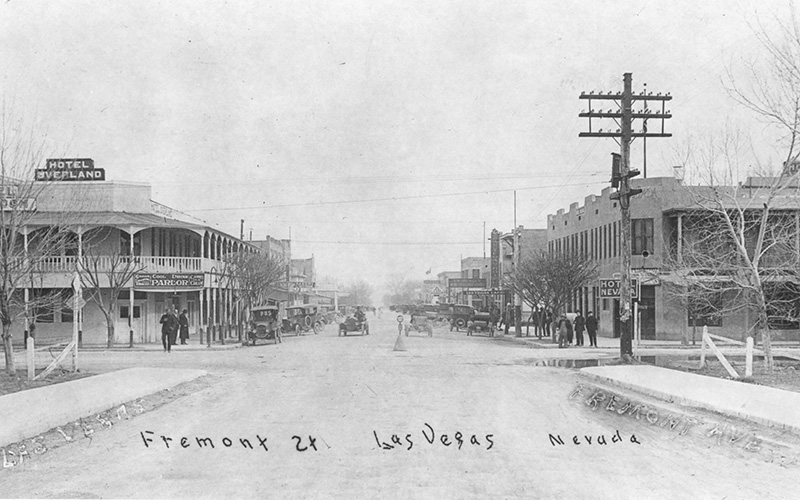
The true catalyst for Las Vegas’ modern inception arrived with the dawn of the 20th century. In 1905, the Union Pacific Railroad, under the guidance of Senator William Andrews Clark, established a crucial stopover in the Las Vegas Valley as part of its ambitious transcontinental route connecting Los Angeles, California, with Salt Lake City, Utah. The springs provided the perfect location for a water stop and maintenance depot for steam locomotives. This strategic decision transformed the nascent settlement almost overnight. On May 15, 1905, a land auction was held, where 110 acres were subdivided into lots, effectively creating downtown Las Vegas and laying the foundation for its grid system. The railroad brought jobs, people, and commerce, establishing rudimentary hotels, saloons, and shops to cater to the transient population of railway workers and travelers. This era saw the development of Fremont Street, which quickly became the heart of the burgeoning community, a hub for accommodation, entertainment, and essential services. The arrival of the railroad was more than just an infrastructure project; it was the spark that ignited the transformation of a desert oasis into a dynamic American town.
The Dawn of an Era: Legalization, Dam Construction, and Early Hospitality
The period between the 1920s and 1940s proved pivotal for Las Vegas, marking the crucial legislative changes and massive public works that cemented its future as a unique entertainment and tourism hub.
Legalized Gambling and Hoover Dam
The early 20th century in the United States was marked by social and economic upheaval. During the Great Depression, Nevada faced significant economic challenges. In a bold move to stimulate its economy, the state legislature legalized gambling in 1931, offering a glimmer of hope during tough times. This decision, combined with a lax divorce law established years prior, began to attract a different kind of visitor. Simultaneously, another monumental project was underway just southeast of Las Vegas: the construction of the Hoover Dam (originally Boulder Dam). Thousands of workers flocked to the region, creating a boomtown atmosphere and a ready market for entertainment, food, and accommodation. Boulder City was established to house the dam workers, but Las Vegas provided the leisure and services that Boulder City’s strict federal laws prohibited. The dam workers, after long, arduous shifts, sought diversions, and Las Vegas was perfectly positioned to offer them. The construction of the Hoover Dam brought not only a massive influx of people but also a critical infrastructure component, ensuring a reliable water and power supply, which would be essential for the city’s explosive growth in the coming decades. This confluence of legal gambling and a major construction project created an unprecedented environment for the development of tourism and hospitality.
Early Visionaries and the First Resorts
With gambling legalized and a burgeoning population of dam workers and adventurous tourists, the stage was set for the emergence of the first true Las Vegas resorts. Before the grand casinos of the Las Vegas Strip dominated, downtown Las Vegas, particularly along Fremont Street, was the focal point. Establishments like the Northern Club (the first to receive a gambling license) and the El Cortez Hotel began to offer a combination of lodging, dining, and gaming. These early venues were relatively modest by today’s standards, but they laid the groundwork for the integrated resort concept. It was during this period that individuals with keen business acumen, some with questionable connections, recognized the immense potential of the desert town. They envisioned a place where entertainment and accommodation were seamlessly blended, offering a complete escape for visitors. These pioneers started building properties that catered specifically to the gambling tourist, creating a distinct “Vegas” experience. The burgeoning tourism industry here was a direct response to the unique economic and legal landscape that Nevada offered, positioning Las Vegas as a frontier for a new kind of leisure and lifestyle.
The Mob Era and the Rise of the Strip
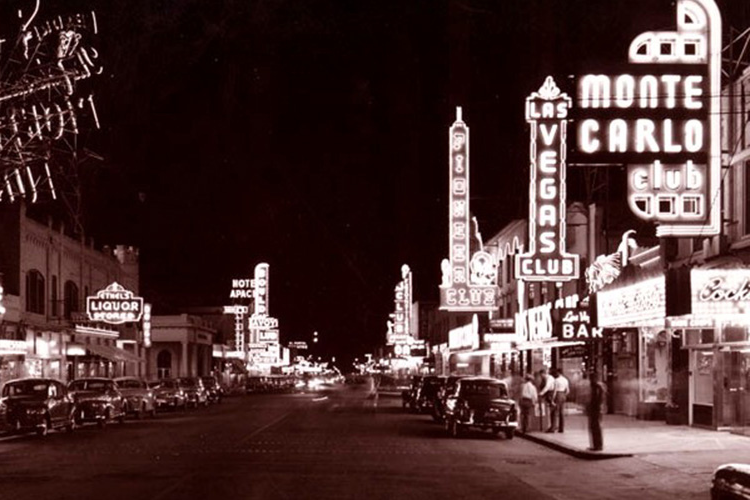
The post-World War II era ushered in a new chapter for Las Vegas, characterized by the influence of organized crime, an explosion of luxurious resorts, and the emergence of the iconic Las Vegas Strip as the world’s premier entertainment destination.
Bugsy Siegel and The Flamingo
Perhaps no figure is more synonymous with the early, glamorous, and often notorious, development of the Las Vegas Strip than Benjamin “Bugsy” Siegel. A prominent New York gangster, Siegel saw beyond the dusty railroad town and envisioned a lavish resort destination. His masterpiece, The Flamingo, opened on December 26, 1946, though it wasn’t fully complete. It was a groundbreaking establishment that moved away from the rustic, saloon-style casinos of Fremont Street to embrace an opulent, Hollywood-inspired luxury. Featuring luxurious suites, a lavish swimming pool, and sophisticated dining, The Flamingo was designed to attract wealthy East Coast gamblers and movie stars, marking a significant shift in the target demographic for Las Vegas tourism. Despite initial financial troubles and Siegel’s violent demise shortly after its opening, The Flamingo proved the viability of high-end resorts and set the standard for future developments on what would become the Las Vegas Strip. Its success, albeit posthumous for Siegel, ignited a construction boom and solidified the city’s reputation as a playground for the rich and famous, cementing its place as a prime destination for luxury travel and accommodation.
Post-War Boom and Entertainment Mecca
Following The Flamingo’s blueprint, a flurry of new resorts began to sprout along Highway 91 (later known as the Las Vegas Strip) throughout the 1950s and 60s. The post-war economic boom in the United States provided ample disposable income for leisure travel, and Las Vegas was eager to capitalize. Hotels like the Desert Inn, Sands Hotel, Sahara Hotel, and Caesars Palace emerged, each more extravagant than the last, competing fiercely for tourist dollars. These resorts were not just casinos; they were self-contained entertainment complexes offering top-tier live performances, gourmet dining, swimming pools, and, of course, gambling. The city became famous for attracting legendary entertainers like Frank Sinatra and the Rat Pack, who performed nightly in grand showrooms, further enhancing Las Vegas’ allure as a glamorous and exciting destination. This period also saw the expansion of air travel, making Las Vegas more accessible to tourists from across the country. The integration of high-quality entertainment with luxury accommodation became the hallmark of the Las Vegas Strip, solidifying its identity as a truly unique tourism experience.
From Vice to Family Fun: Corporate Vegas
By the late 1960s and early 1970s, the allure of Las Vegas began to shift. The city, still heavily influenced by organized crime, started to face scrutiny, and new challenges emerged. This spurred a new wave of development, spearheaded by corporate entities, transforming Las Vegas into a more diverse, family-friendly destination.
The Mega-Resort Revolution
The corporate takeover of Las Vegas began subtly with figures like Howard Hughes in the late 1960s, who started acquiring hotels like the Desert Inn to clean up the city’s image and bring in legitimate business. However, the real transformation came in the late 1980s and 1990s with the advent of the “mega-resort.” Visionary developers like Steve Wynn led this charge. The Mirage, opened in 1989, was a game-changer. It was the first resort built with private funding on the Strip in 16 years and set new standards for luxury, entertainment, and themed experiences. Its volcanic eruption attraction, lush tropical gardens, and sophisticated amenities redefined what a Las Vegas hotel could be. This sparked an arms race of colossal, themed resorts. Properties like Excalibur (1990), Luxor (1993), MGM Grand (1993), and later, Bellagio (1998) and Venetian Resort (1999), emerged, each costing billions of dollars to construct. These mega-resorts offered not just gambling and shows but also world-class dining, elaborate shopping malls, spas, and family-friendly attractions, effectively creating entire miniature worlds within their walls. This era firmly established Las Vegas as a global leader in integrated resort design and luxury accommodation, catering to an increasingly diverse international clientele.
Diversifying the Appeal: Beyond Gambling
As the 21st century approached, Las Vegas recognized the need to broaden its appeal beyond just gambling. While gaming remained a core component, the city strategically diversified its offerings to attract a wider range of tourists, including families, business travelers, and luxury seekers who might not be interested in casinos. Convention tourism became a massive driver, with state-of-the-art convention centers integrated into or near major resorts, making Las Vegas a prime destination for business stays and conferences. The culinary scene exploded, with celebrity chefs opening fine dining establishments in almost every major resort, transforming Las Vegas into a gastronomic hotspot. Live entertainment evolved beyond traditional headliners to include resident Cirque du Soleil shows, elaborate magic acts, and world-class concerts. Shopping became a major draw, with high-end boutiques and sprawling retail complexes offering luxury brands. Attractions like the High Roller Observation Wheel, the Stratosphere Tower‘s thrill rides, and the Fremont Street Experience in downtown Las Vegas offered unique experiences beyond the gaming floor. This strategic diversification ensured that Las Vegas remained relevant and competitive in the global tourism market, evolving from a gambling haven into a comprehensive lifestyle and entertainment destination.
Las Vegas Today: A Global Travel Icon
Today, Las Vegas stands as a testament to human ingenuity and an enduring spirit of entertainment. It is a city that never stops evolving, constantly striving to offer new and exciting experiences to its millions of visitors each year.
Modern Attractions and Experiences
The modern Las Vegas offers an unparalleled array of attractions and experiences, solidifying its reputation as a global travel icon. From the architectural marvels of hotels like Caesars Palace, Bellagio, and The Venetian Resort, which transport visitors to Rome, Italy, or Paris, France, to the cutting-edge technology of venues like MSG Sphere, the city is a living museum of innovation in entertainment and hospitality. Travelers can explore a vast spectrum of activities: indulging in world-class spa treatments, attending residencies by global music superstars, challenging themselves on championship golf courses, or even exploring the natural beauty of the surrounding Red Rock Canyon National Conservation Area. The Las Vegas Strip alone is a landmark of human achievement, a vibrant display of neon, ambition, and boundless energy. Beyond the Strip, downtown Las Vegas continues to thrive with the Fremont Street Experience, offering a nostalgic yet modern take on the city’s early charm, complete with zip lines and dazzling light shows. The city’s dynamic ecosystem of hotels, restaurants, and entertainment venues ensures that every visit, whether for luxury travel, a budget getaway, a family trip, or a business stay, can be uniquely tailored to individual preferences, making Las Vegas an ultimate destination for diverse travel experiences.

Future Horizons for the Entertainment Capital
Las Vegas’ journey is far from over. The city continues to look to the future, with ongoing developments and ambitious projects that promise to further enhance its global appeal. Expansions in professional sports, with teams like the Vegas Golden Knights (NHL) and the Las Vegas Raiders (NFL), have added a new dimension to its tourism offerings, attracting sports enthusiasts from around the United States and beyond. The constant innovation in hotel design, entertainment technology, and culinary trends ensures that Las Vegas remains at the forefront of the hospitality industry. Discussions around sustainable tourism, leveraging its abundant solar resources, and expanding public transportation are also shaping its future. From its origins as a vital watering hole to a railroad stop, then a haven for dam workers, and finally to the world-renowned entertainment capital it is today, Las Vegas has always been a city of dreams and boundless potential. Its ability to adapt, innovate, and continuously redefine itself ensures that its fascinating story will continue to unfold for generations to come, offering a vibrant and ever-evolving destination for travelers worldwide.
LifeOutOfTheBox is a participant in the Amazon Services LLC Associates Program, an affiliate advertising program designed to provide a means for sites to earn advertising fees by advertising and linking to Amazon.com. Amazon, the Amazon logo, AmazonSupply, and the AmazonSupply logo are trademarks of Amazon.com, Inc. or its affiliates. As an Amazon Associate we earn affiliate commissions from qualifying purchases.