
The name “Mississippi” evokes images of a majestic river, a rich tapestry of history, and a vibrant Southern culture. Yet, for many, the precise origin of this distinctive name remains an intriguing mystery. Delving into its etymology uncovers a captivating narrative that spans indigenous languages, European exploration, and the very formation of a United States territory and state. The story of Mississippi‘s name is not merely a linguistic exercise; it is a journey through the heart of North American history, deeply rooted in the land and its earliest inhabitants. As a landmark, the name itself carries the weight of centuries, a testament to observation, adaptation, and the enduring power of geographical identity.

The Mighty River’s Indigenous Roots: A Lifeline to a Continent
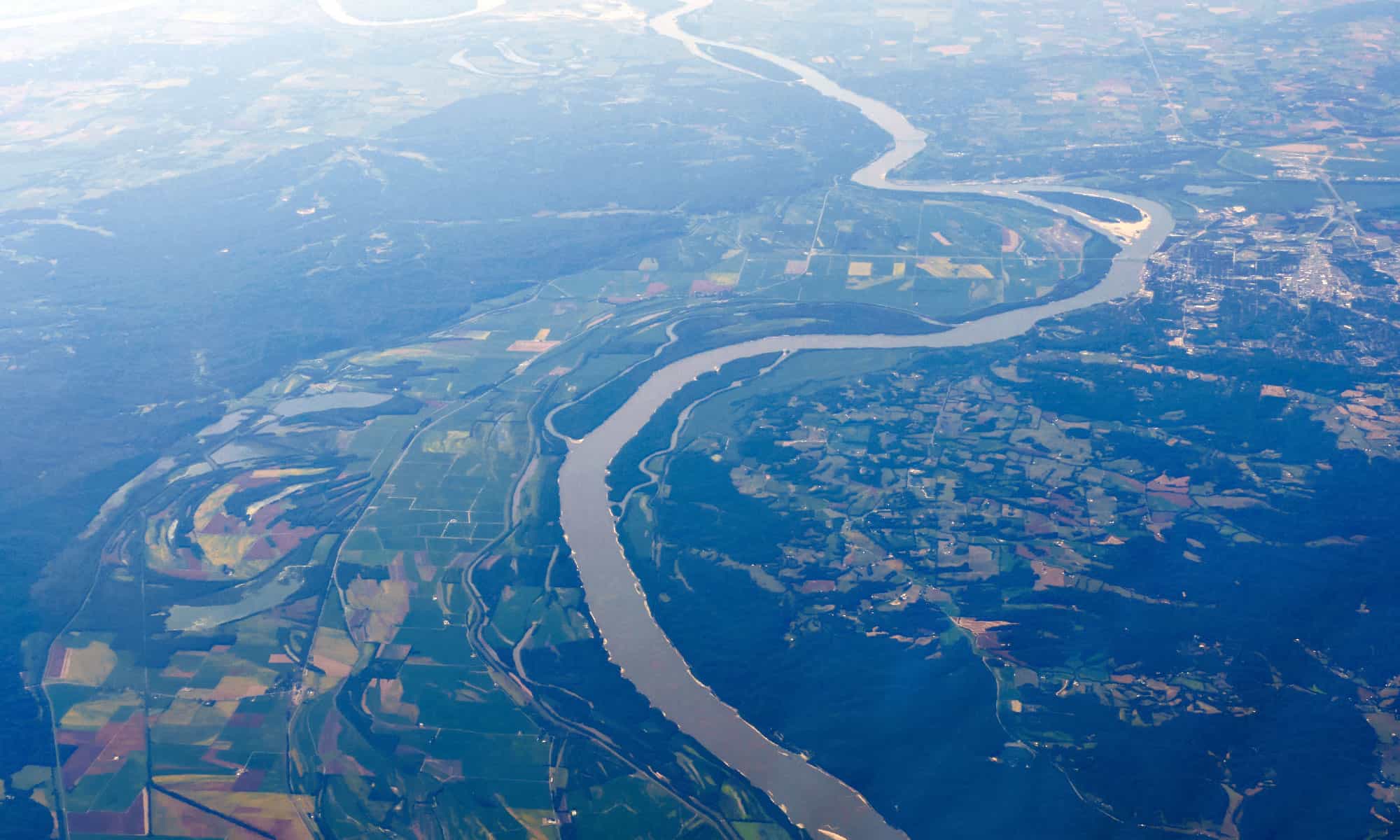
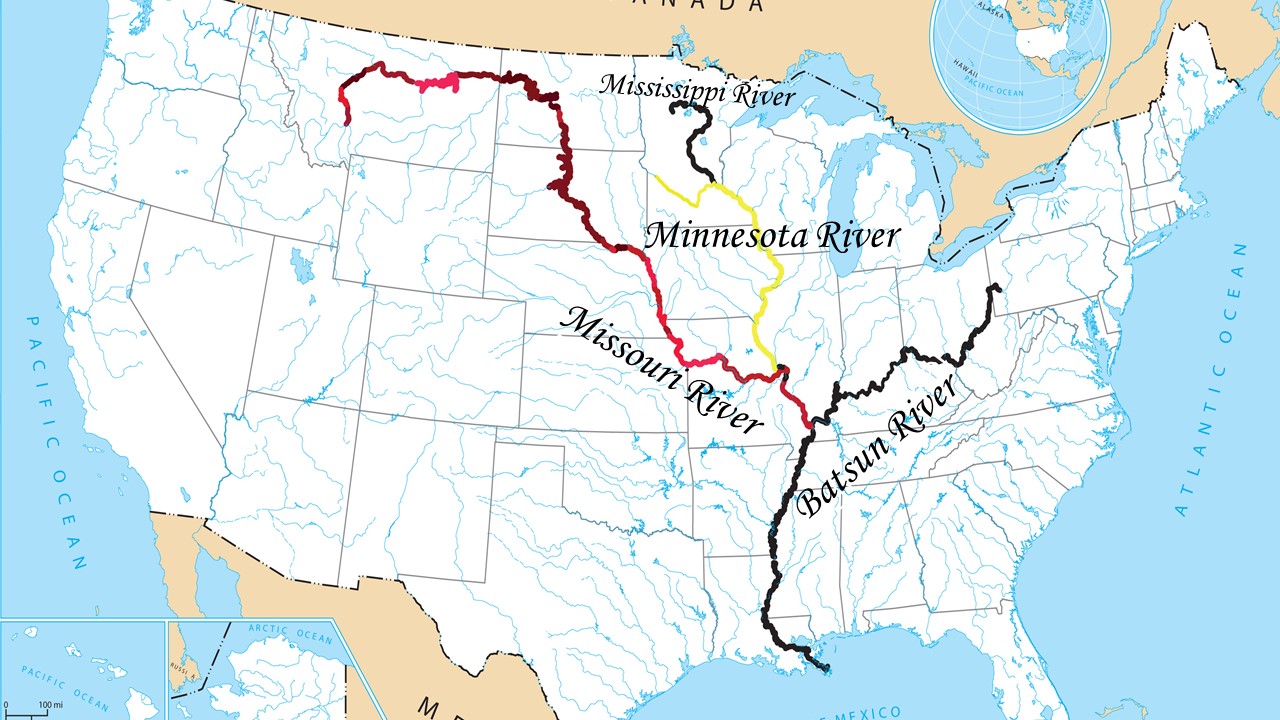
At the core of Mississippi’s nomenclature lies its namesake, the colossal Mississippi River. This isn’t just any river; it is one of the world’s great waterways, a sprawling artery that drains 31 U.S. states and two Canadian provinces, flowing over 2,300 miles from its source at Lake Itasca in Minnesota to its delta in the Gulf of Mexico. Long before European arrival, this immense river served as the vital lifeline for countless indigenous civilizations, shaping their lives, cultures, and languages.
The Lifeline of a Continent
For millennia, the Mississippi River was the equivalent of a superhighway, a bountiful provider, and a spiritual cornerstone for the various Native American tribes inhabiting its vast basin. Its fertile floodplains supported agriculture, its waters teemed with fish and wildlife, and its currents facilitated trade and communication across immense distances. From the mound builders of the ancient Mississippian culture to the historical tribes encountered by Europeans, every aspect of life was intrinsically linked to the river’s rhythms. The river was not merely a physical feature; it was a living entity, a force of nature demanding respect and understanding.
Early Inhabitants and Their Worldview
The area that would eventually become the state of Mississippi was home to numerous sophisticated indigenous societies. Tribes such as the Choctaw, Chickasaw, and Natchez cultivated complex social structures, unique belief systems, and rich oral traditions. Their languages, primarily from the Muskogean family, were deeply descriptive, reflecting a profound connection to their environment. However, the name “Mississippi” itself does not originate directly from these southern tribes. Instead, its roots lie further north, with Algonquian-speaking peoples, particularly the Ojibwe, who also inhabited significant portions of the river’s upper reaches. Their observations of this grand waterway provided the linguistic foundation for the name we know today, a testament to their keen understanding of their natural surroundings.
Unpacking “Misi-ziibi”: The Linguistic Origins
The journey to understand “Mississippi” truly begins by examining the language of the Ojibwe people. It is from their Algonquian language family that the descriptive term for the river emerged, a name that perfectly captured its immense scale and importance.
The Ojibwe Connection and “Misi-ziibi”
The most widely accepted etymology traces “Mississippi” back to the Ojibwe word “Misi-ziibi,” which translates directly to “Great River” or “Big River.” This straightforward yet powerful description was undoubtedly born from the Ojibwe’s experience navigating and living alongside such a massive waterway. While variations existed across different Algonquian dialects, such as “messipi” or “missi-sepe,” the core components and meaning remained consistent. The term was not merely a label but an accurate and profound observation of the river’s unparalleled size and significance within their world.
What “Misi-ziibi” Truly Means
Breaking down “Misi-ziibi” reveals its beautiful simplicity and accuracy. The prefix “Misi” (or “Michi”) denotes “great” or “large,” a descriptor frequently used by Algonquian-speaking tribes for prominent geographical features. For example, Michigan derives from “mishigamaa,” meaning “large water” or “large lake.” The suffix “ziibi” (or “sepe”) is the Algonquian word for “river.” Thus, “Misi-ziibi” precisely encapsulates the Mississippi River’s awe-inspiring scale, distinguishing it from all other rivers known to these indigenous peoples. It highlights not just its length but its breadth, its powerful current, and its role as the dominant hydrological feature of the North American interior. This descriptive brilliance allowed the name to transcend linguistic barriers and persist through centuries of cultural exchange.
European Encounter and Adoption of the Name
While indigenous peoples had known and named the “Great River” for millennia, its introduction to the European world marked a new chapter in its linguistic journey. European explorers, initially attempting to impose their own names, eventually recognized and adopted the indigenous term, solidifying “Mississippi” in the global lexicon.
Early Spanish Forays: Initial Encounters
The first documented European encounter with the Mississippi River was in 1541 by the Spanish conquistador Hernando de Soto. His expedition, seeking gold and glory, stumbled upon the immense waterway, which they often referred to as “Rio del Espiritu Santo” (River of the Holy Spirit) or “Rio Grande” (Great River) in their chronicles. De Soto’s brief, often violent interactions with the native populations did not, however, lead to the widespread adoption of indigenous names for the river by Spain. The Spanish focused more on exploration and conquest, largely failing to establish a lasting presence in the interior that would popularize local terminology. Their maps and records, while significant, did not propagate the name “Mississippi” into common European usage.
The French Influence: Popularizing “Mississipi”
It was the French in the late 17th century who played the pivotal role in solidifying the indigenous name among Europeans. French explorers and missionaries, driven by desires for furs, trade routes, and evangelism, ventured deep into the North American interior. In 1673, Father Jacques Marquette, a Jesuit missionary, and Louis Jolliet, a fur trader and explorer, embarked on a historic expedition down the Mississippi River. They meticulously documented their journey, recording the names used by the various indigenous tribes they encountered. It was from the Algonquian-speaking tribes of the upper river that Marquette and Jolliet heard and recorded the name, transliterating it as “Messipi” or “Missisipi” in their journals and maps.
Later, in 1682, René-Robert Cavelier, Sieur de La Salle, completed the journey to the mouth of the river, claiming the entire immense river basin for France and naming it Louisiana in honor of King Louis XIV. The French, with their more extensive and sustained presence along the river, widely adopted and propagated the indigenous name, establishing “Mississippi” (with its slightly altered spelling) as the definitive European designation for the great waterway.
From River to Territory to State: A Name Takes Hold
The enduring power of the river’s name was such that it transcended its original geographical bounds, eventually becoming the identity for a vast geopolitical entity that would shape the future of the United States.
The Mississippi Territory: Expanding the Name’s Reach
Following the American Revolutionary War, the fledgling United States began to expand its influence westward. The vast lands west of the Appalachian Mountains, extending to the Mississippi River, became crucial areas for settlement and development. After complex negotiations and treaties, particularly with Spain regarding contested borders, the U.S. Congress officially established the Mississippi Territory on April 7, 1798. This territory encompassed much of what is now the central part of the state of Mississippi and a portion of Alabama. The choice to name this new territorial acquisition after the iconic river was a natural one, reflecting the river’s dominance as the region’s primary geographical feature and its significance as a route for trade and communication. It was a clear acknowledgment of the river’s role in defining the land.
Statehood and Enduring Identity
The Mississippi Territory underwent several boundary changes, including a significant expansion following the Louisiana Purchase in 1803, which dramatically increased the United States’s western holdings. As the population grew and the desire for self-governance intensified, the territory prepared for statehood. On December 10, 1817, the western portion of the Mississippi Territory was admitted to the Union as the 20th state, officially named Mississippi. The eastern part later became the Alabama Territory and then the state of Alabama in 1819. The adoption of the river’s name for the state solidified its identity, embedding the indigenous legacy into the very fabric of American governance. The name, derived from a simple yet profound observation of a natural wonder, had now become the official designation for a sovereign state, forever linking its history, geography, and people to the “Great River.”
The Enduring Legacy of a Name
The name “Mississippi” is far more than just a label on a map or a word in an atlas. It is a living artifact, a testament to the layers of history and culture that have shaped this region of North America. Its journey from a descriptive Ojibwe term to the official designation of a U.S. state encapsulates the profound interplay between nature, indigenous wisdom, European exploration, and national expansion.
Cultural Significance: A Bridge Through Time
The name “Mississippi” serves as a powerful bridge, connecting contemporary society to the deep indigenous heritage of the continent. It reminds us that long before colonial powers arrived, sophisticated civilizations thrived, observed, and named the land and its features with precision and reverence. The decision by European explorers, particularly the French, to adopt and propagate the indigenous name stands as a rare and significant act of cultural preservation. It ensures that a piece of Algonquian language and worldview remains etched into the geopolitical landscape, serving as a subtle yet persistent reminder of the continent’s true first inhabitants and their profound understanding of the natural world.
A Testament to Observation and Resilience
Ultimately, the name “Mississippi” is a testament to the power of accurate observation. “Great River” remains the most fitting description for the immense waterway that dominates the North American interior. It is a name born of respect for nature’s grandeur, carried across centuries, and adapted through various cultures. The story of how Mississippi got its name is a microcosm of American history itself—a rich narrative of discovery, adaptation, and the enduring legacy of those who first called this land home. It’s a reminder that often, the most insightful descriptions of a place come from those who have lived closest to it for generations, their wisdom echoing through the very words we use.
LifeOutOfTheBox is a participant in the Amazon Services LLC Associates Program, an affiliate advertising program designed to provide a means for sites to earn advertising fees by advertising and linking to Amazon.com. Amazon, the Amazon logo, AmazonSupply, and the AmazonSupply logo are trademarks of Amazon.com, Inc. or its affiliates. As an Amazon Associate we earn affiliate commissions from qualifying purchases.