
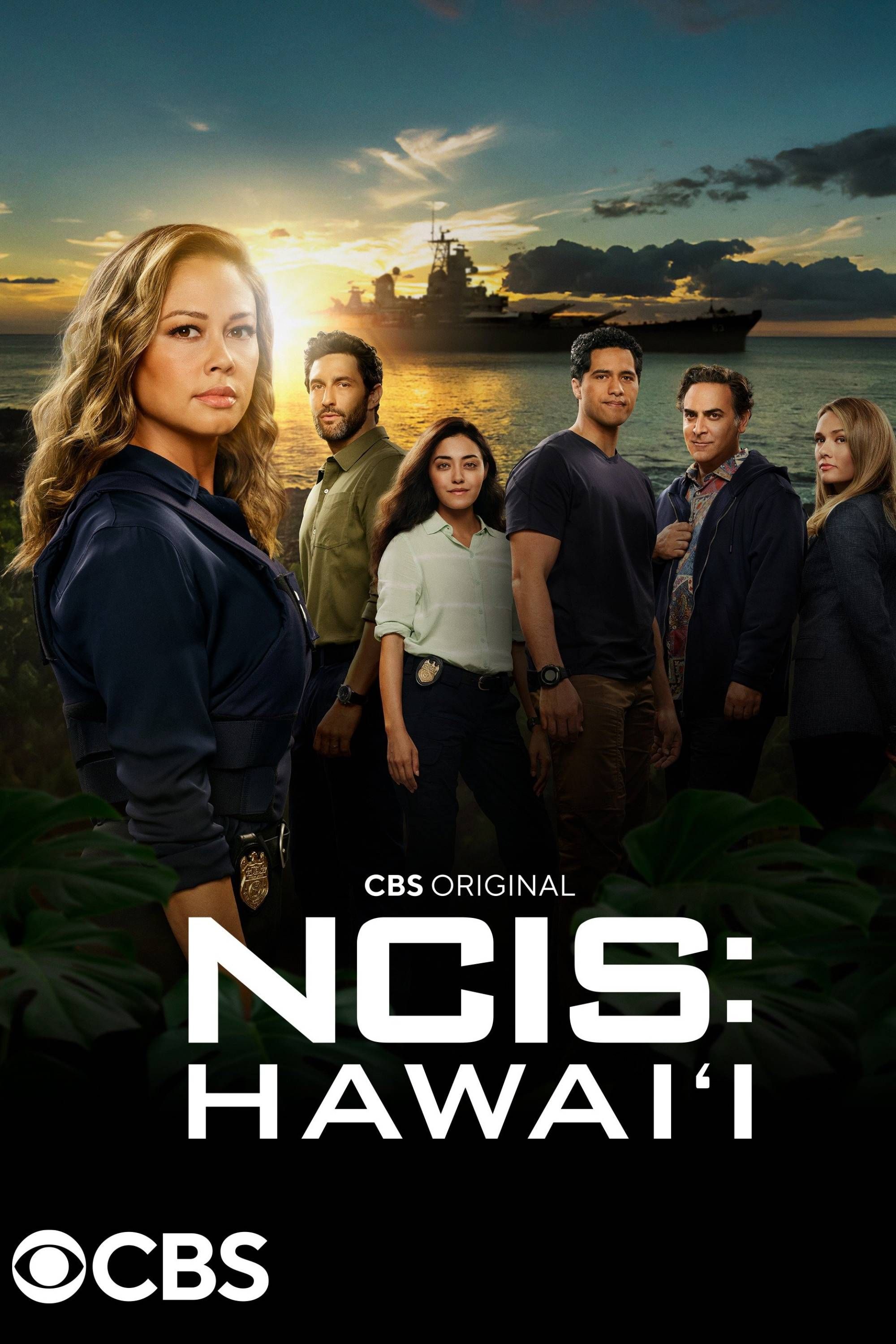
The conclusion of the popular television series “NCIS: Hawai’i” left fans with a mixture of emotional closure and lingering curiosity. While the show focused on the high-stakes world of naval criminal investigations, its true heartbeat was the stunning backdrop of Hawaii. The series finale, titled “Divided We Conquer,” wrapped up three seasons of intense storytelling by emphasizing the theme of “ohana” (family), set against the breathtaking landscapes of Oahu. For travelers and fans alike, the end of the show provides a unique itinerary for exploring the islands through the lens of Jane Tennant and her elite team.

The finale concluded with a surprise cliffhanger that saw Special Agent in Charge Jane Tennant returning to her home, only to find a mysterious figure from her past waiting for her. This ending not only sparked conversations about the narrative future of the characters but also highlighted the domestic intimacy of life in Honolulu. To understand how the show ended is to understand the deep connection between the characters and the land they protected, a connection that continues to draw thousands of tourists to the filming locations across the United States‘ most tropical state.
The Final Locations: Exploring the Sites of the Series Finale
The final episodes of the series were a visual love letter to the island of Oahu. The production team meticulously chose locations that captured both the grit of military investigations and the serene beauty of the Pacific Ocean. For those looking to walk in the footsteps of the cast, the finale offered several iconic landmarks that are must-visit destinations for any tourism enthusiast.
Joint Base Pearl Harbor-Hickam
Much of the series’ internal drama was centered around Joint Base Pearl Harbor-Hickam. In the final episodes, the base served as the tactical hub for the team’s operations. For visitors, this site remains one of the most significant historical landmarks in the world. Tourism here is deeply intertwined with the history of Pearl Harbor, where travelers can pay their respects at the USS Arizona Memorial or explore the deck of the USS Missouri. The show’s ending reaffirmed the strategic and emotional importance of this location, blending modern naval culture with the somber echoes of the past.
The Streets of Waikiki
The finale featured several chase sequences and character moments set in the vibrant neighborhood of Waikiki. Known for its world-class shopping and iconic shoreline, Waikiki Beach provided a stark contrast to the dark nature of the team’s final case. Tourism in this area is characterized by luxury resorts and a bustling nightlife, making it the perfect starting point for fans who want to experience the “city side” of the show’s setting. The final scenes captured the neon glow and the rhythmic crashing of waves that define this world-famous destination.
Immersing in the Local Culture of Hawaii through the Lens of Jane Tennant
One of the reasons the end of the show resonated so deeply with audiences was its commitment to portraying authentic Hawaii culture. The finale was not just about solving a crime; it was about the strength of the community. This cultural immersion is a primary driver for tourism in the region, as visitors seek to experience more than just the beaches.
The Concept of Ohana in Local Tourism
The show’s final moments emphasized that “ohana” extends beyond blood relatives to include colleagues and the broader community. This sentiment is central to the tourism experience in places like the North Shore. Here, the pace of life slows down, and the “Aloha Spirit” is palpable. Visitors can engage with local food culture at the famous shrimp trucks in Haleiwa or attend a traditional luau that honors the history of the Polynesian Cultural Center. The show’s ending, which saw the team gathered together, mirrors the communal dining and social gatherings that are a staple of island life.
Respecting the Aina (Land)
Throughout the series and particularly in its final act, there was a strong emphasis on respecting the land. This is a crucial tip for any tourist visiting Hawaii. The show highlighted the natural beauty of locations like Diamond Head, where the hiking trails offer panoramic views of the coast. By showcasing these landmarks, the series encouraged a form of tourism that is mindful of environmental conservation. Travelers are encouraged to participate in eco-tours or volunteer for beach cleanups, ensuring that the beauty captured on screen remains for future generations.
A Fan’s Guide to NCIS: Hawai’i Filming Spots
While the show has ended, the locations remain open for exploration. A well-planned tourism itinerary can take fans across the diverse landscapes of Oahu, from the lush mountains to the pristine shores.
Kualoa Ranch: The Backlot of Hawaii
Often referred to as the “backlot of Hawaii,” Kualoa Ranch was a frequent filming site for the series. Its dramatic valleys and jagged cliffs provided the perfect setting for the show’s more action-oriented scenes. Today, the ranch is a premier tourism destination offering movie site tours, ATV adventures, and horseback riding. Fans can stand in the very spots where Jane Tennant led her team through the jungle, experiencing the raw power of the island’s interior.
Magic Island and Ala Moana
In the series finale, some of the more reflective moments took place near Magic Island, a small man-made peninsula at Ala Moana Beach Park. This area is a favorite for local families and tourists alike, offering a calm lagoon for swimming and excellent views of the sunset over the Pacific Ocean. It represents the peaceful side of life in Honolulu that the characters were fighting to protect. Nearby, the Ala Moana Center offers a glimpse into the modern lifestyle and high-end shopping that also featured in the show.
Tantalus Lookout
For fans seeking the most cinematic view of the city, Tantalus Lookout offers a perspective that appeared in several establishing shots throughout the show’s run. Located within the Pu’u Ualaka’a State Wayside, this lookout provides a sweeping view from Diamond Head to the Ewa Plain. It is an essential stop for any tourism guide focused on the visual identity of the series.
The Legacy of Tourism: How the Show Shaped Modern Island Visits
The end of the show marks the beginning of a legacy for Hawaii tourism. Much like previous productions filmed on the islands, the series has influenced how travelers perceive and interact with the local culture and landmarks.
The Rise of “Set Jetting”
“Set jetting,” the trend of traveling to locations seen in television and film, has seen a significant boost in Hawaii due to the series. The show’s ending sparked a renewed interest in exploring the lesser-known parts of Oahu. Tourism operators have noted an increase in requests for tours that highlight the “NCIS” lifestyle, which includes a mix of military history and outdoor adventure. Whether it is visiting Ford Island or exploring the rugged terrain of the North Shore, the show has provided a roadmap for a new generation of travelers.
Culinary Tourism and the “Plate Lunch”
The characters often bonded over local food, and the finale was no exception. This has encouraged tourists to seek out authentic Hawaiian cuisine beyond the hotel buffets. The “plate lunch,” featuring items like kalua pig, macaroni salad, and two scoops of rice, has become a culinary icon for visitors. Exploring the food scene in Haleiwa or the trendy eateries in Kaka’ako allows fans to connect with the daily lives of the characters they grew to love.
Preserving History at the National Memorial Cemetery of the Pacific
In several episodes, including those in the final season, the show paid homage to the military service members who are buried at the National Memorial Cemetery of the Pacific, located in Punchbowl Crater. This site is a poignant reminder of the sacrifices made by those in the armed forces. Tourism to this landmark is often a deeply moving experience, and the show’s respectful portrayal of the site helped educate viewers on its significance within the fabric of Honolulu.

Planning Your Own NCIS: Hawai’i Inspired Journey
While the credits have rolled for the final time, the spirit of the show lives on in the trade winds and the turquoise waters of the islands. Planning a trip to see where the series ended involves more than just booking a flight; it requires an appreciation for the complex history and vibrant culture of Hawaii.
For a comprehensive tour, start in the south at Pearl Harbor to understand the military foundation of the series. Move toward the bustling energy of Waikiki for a taste of the urban lifestyle, and then head north to the Banzai Pipeline and Waimea Bay to see the legendary waves of the North Shore. Don’t forget to stop at Hanauma Bay for snorkeling, as the show often showcased the incredible marine life that surrounds Oahu.
The end of “NCIS: Hawai’i” was not just the conclusion of a plotline; it was the final chapter of a story that brought the world closer to the unique charm of the Pacific Ocean’s most famous archipelago. By visiting these locations and respecting the local traditions, tourists can keep the legacy of the show alive, ensuring that the “Aloha Spirit” continues to thrive long after the final scene has faded to black.
LifeOutOfTheBox is a participant in the Amazon Services LLC Associates Program, an affiliate advertising program designed to provide a means for sites to earn advertising fees by advertising and linking to Amazon.com. Amazon, the Amazon logo, AmazonSupply, and the AmazonSupply logo are trademarks of Amazon.com, Inc. or its affiliates. As an Amazon Associate we earn affiliate commissions from qualifying purchases.